Hiking Skills
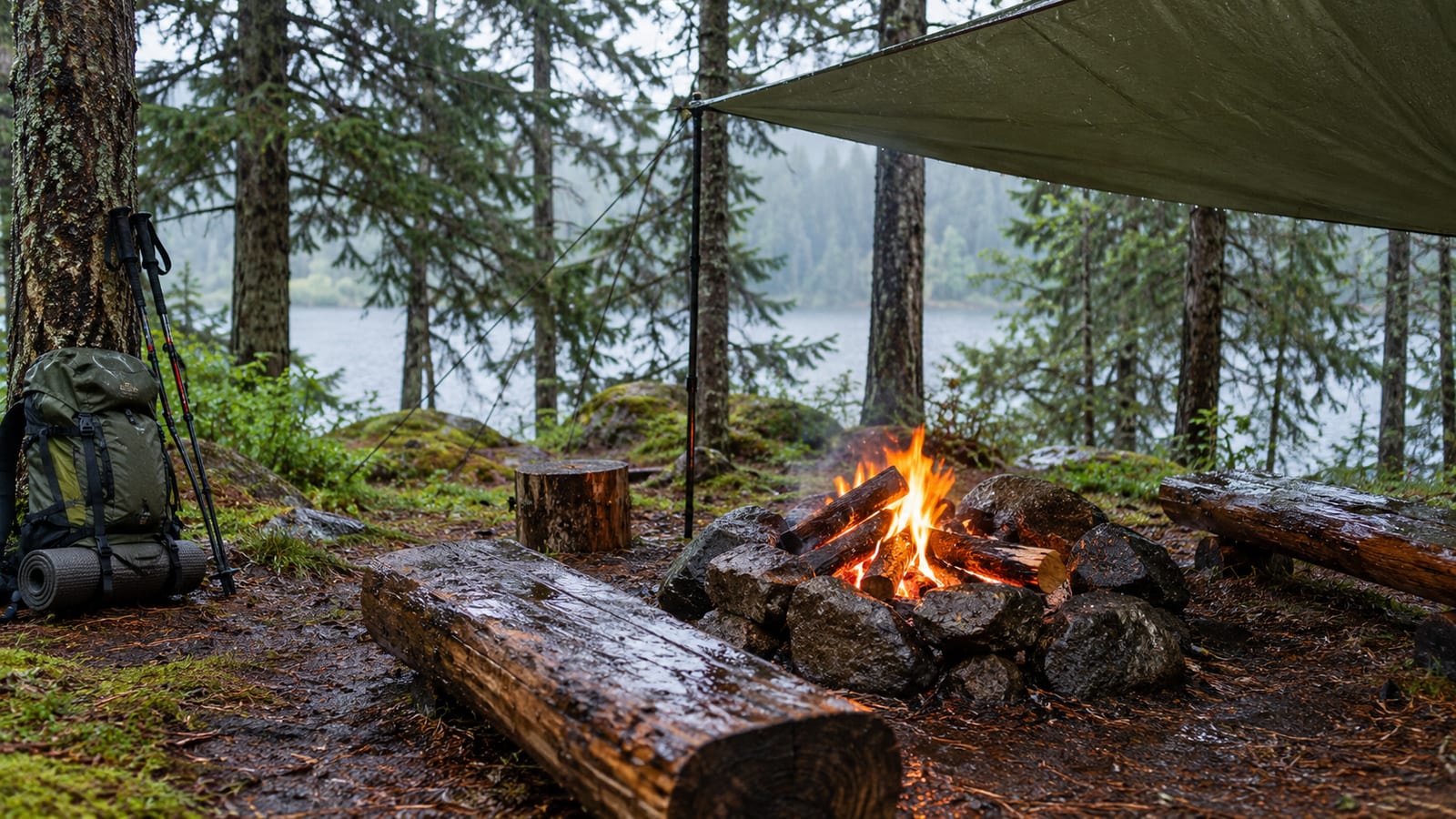
Build a Campfire in Rain Without Smothering It
A dry tinder core, split deadwood, and a raised fire lay help a small flame catch after rain; follow these steps and know when to use a stove instead.

A dry tinder core, split deadwood, and a raised fire lay help a small flame catch after rain; follow these steps and know when to use a stove instead.
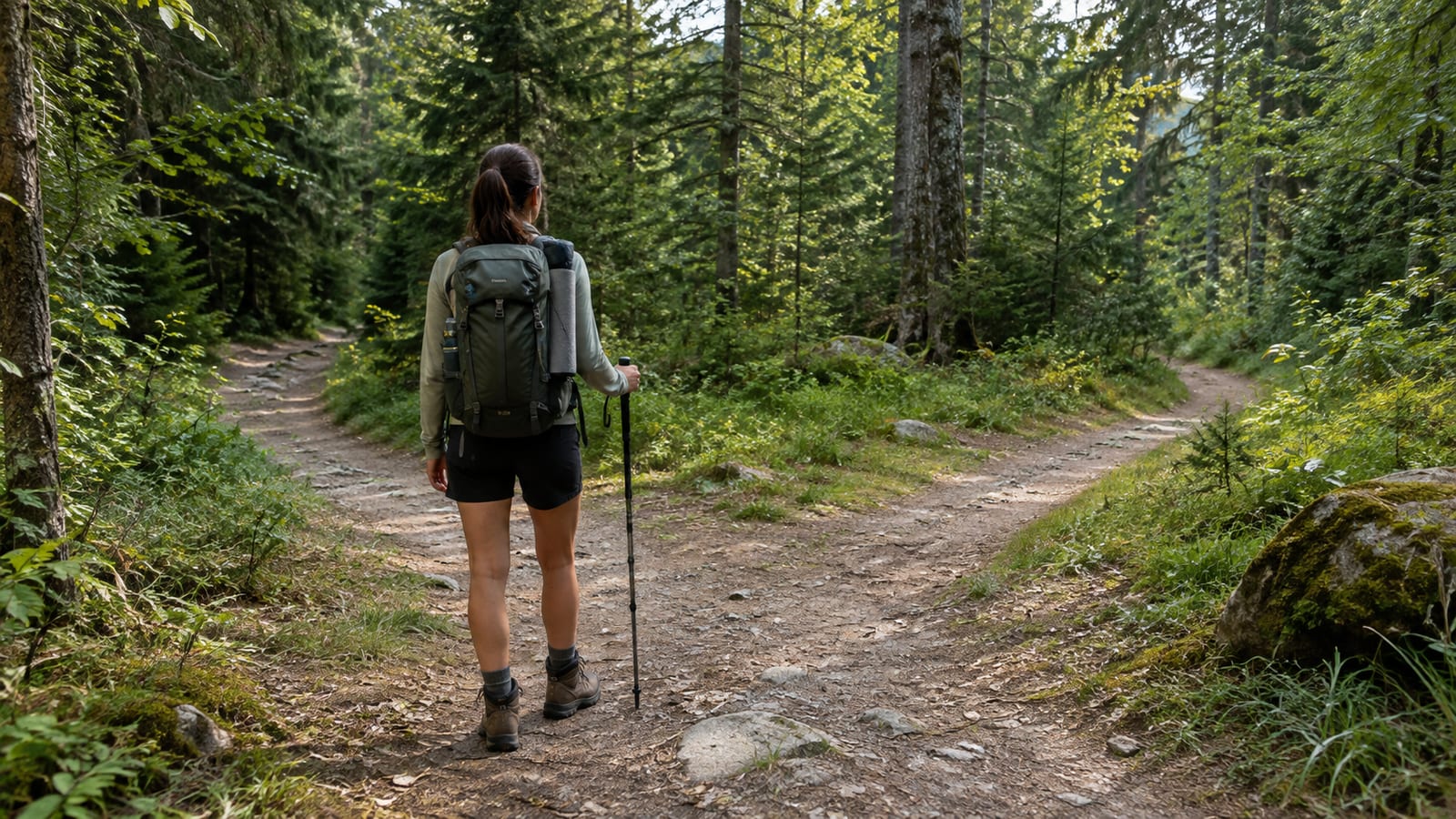
A paper map, planned checkpoints, and a firm turnaround time help prevent small navigation errors from becoming a search-and-rescue emergency.
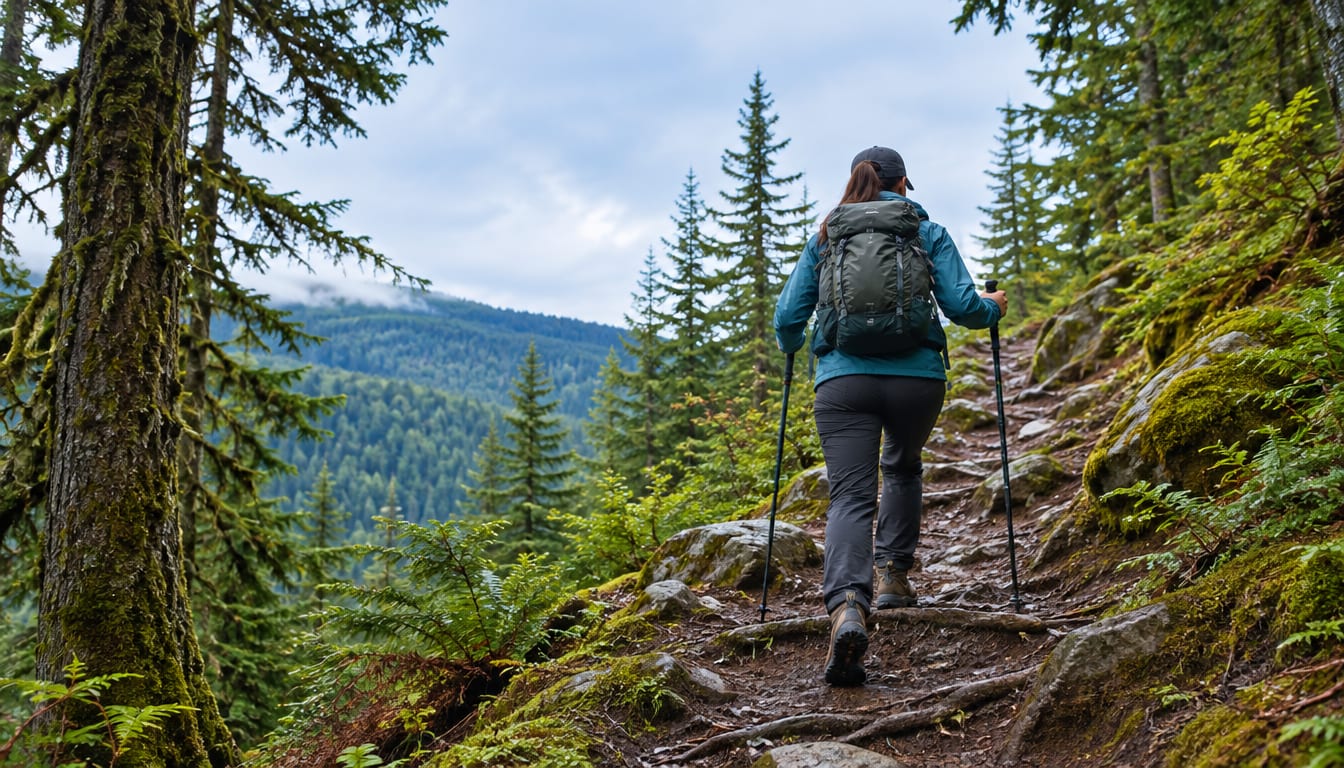
The Mount Si trail gains 3,150 feet on 8 miles and is a tough day hike. This guide covers pacing, winter prep, snow, food and packing lists for a safe attempt.
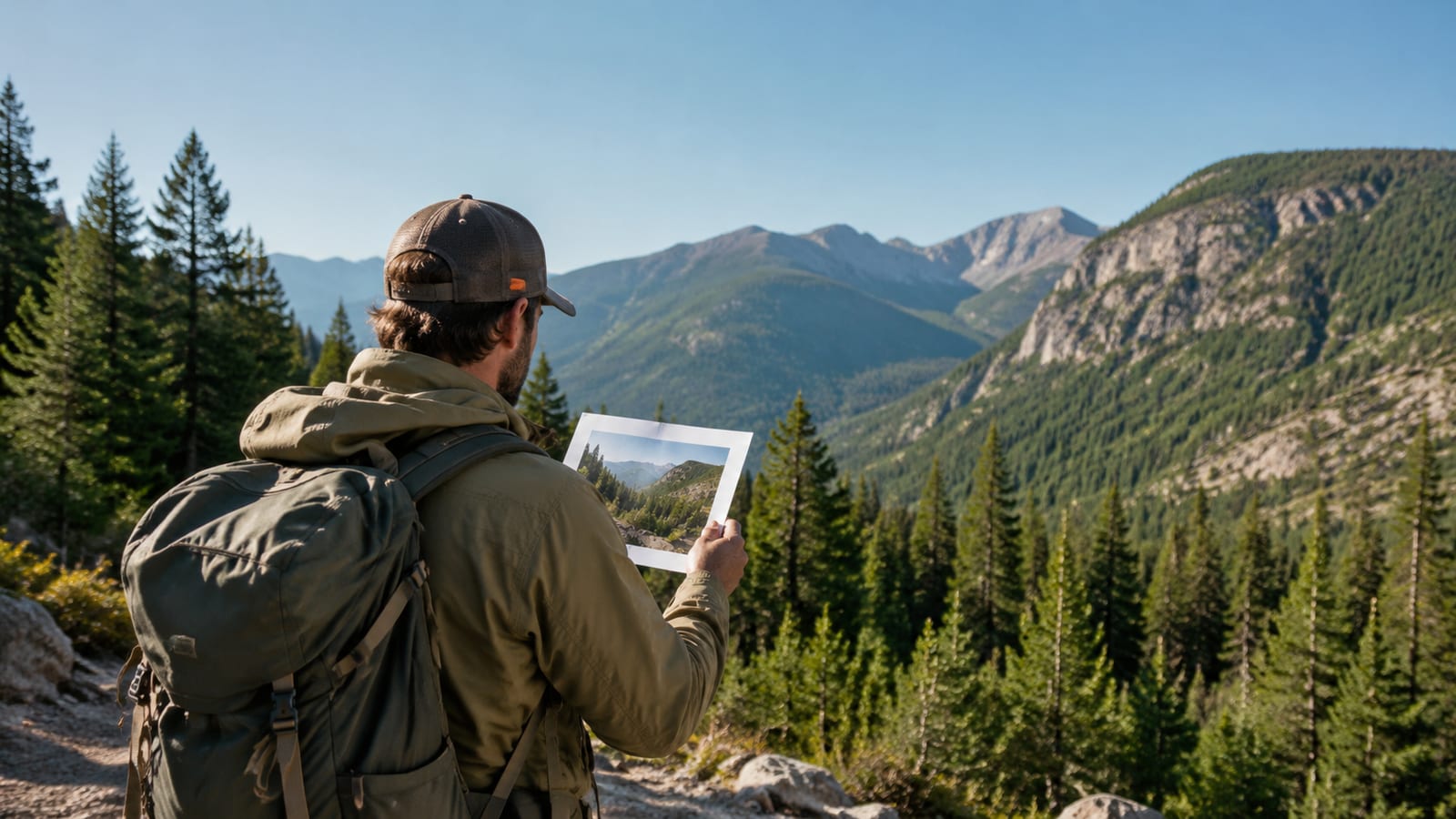
Skip star ratings and read specific hazards instead. Learn which reviews predict real conditions and how to cross-check apps against official closures.
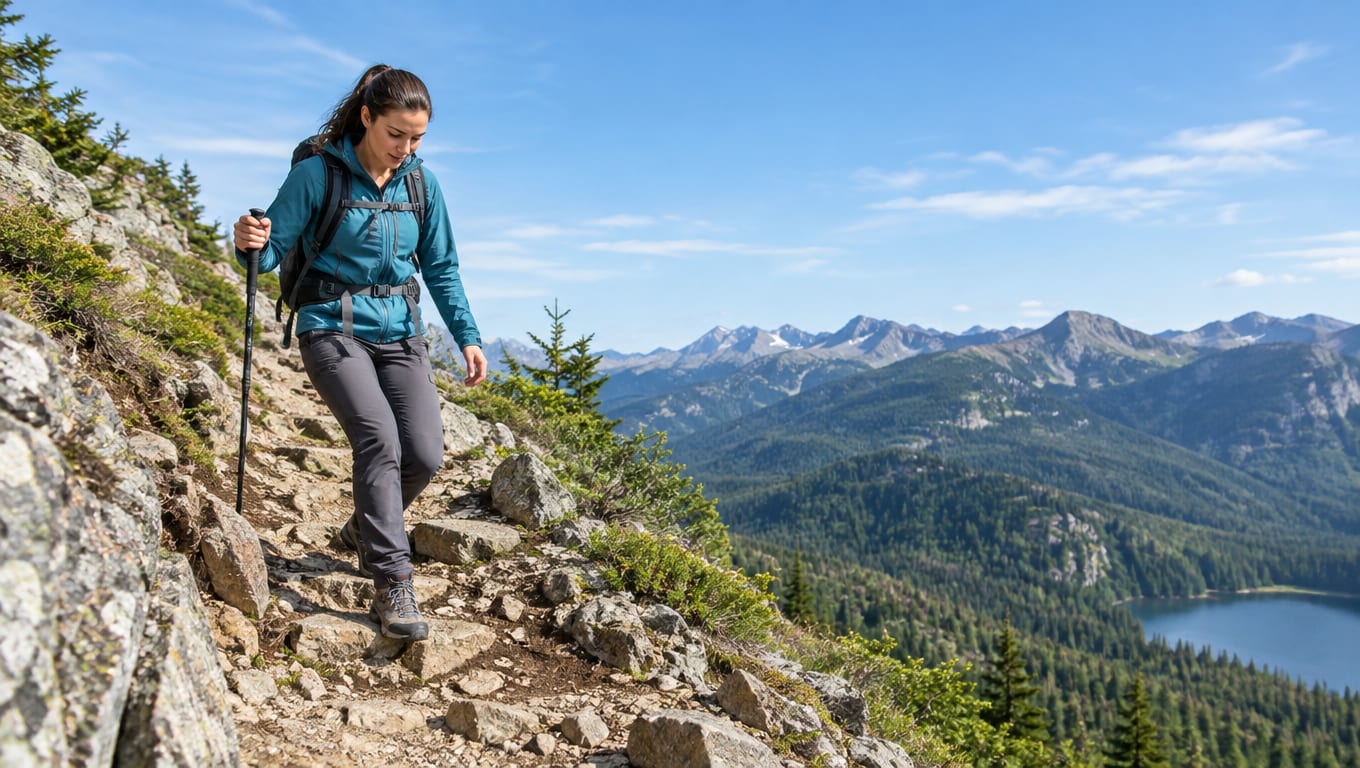
Short steps, soft knees, and careful footing help you stay in control on steep descents. Learn when to use poles, hands, or turn back before fatigue sets in.
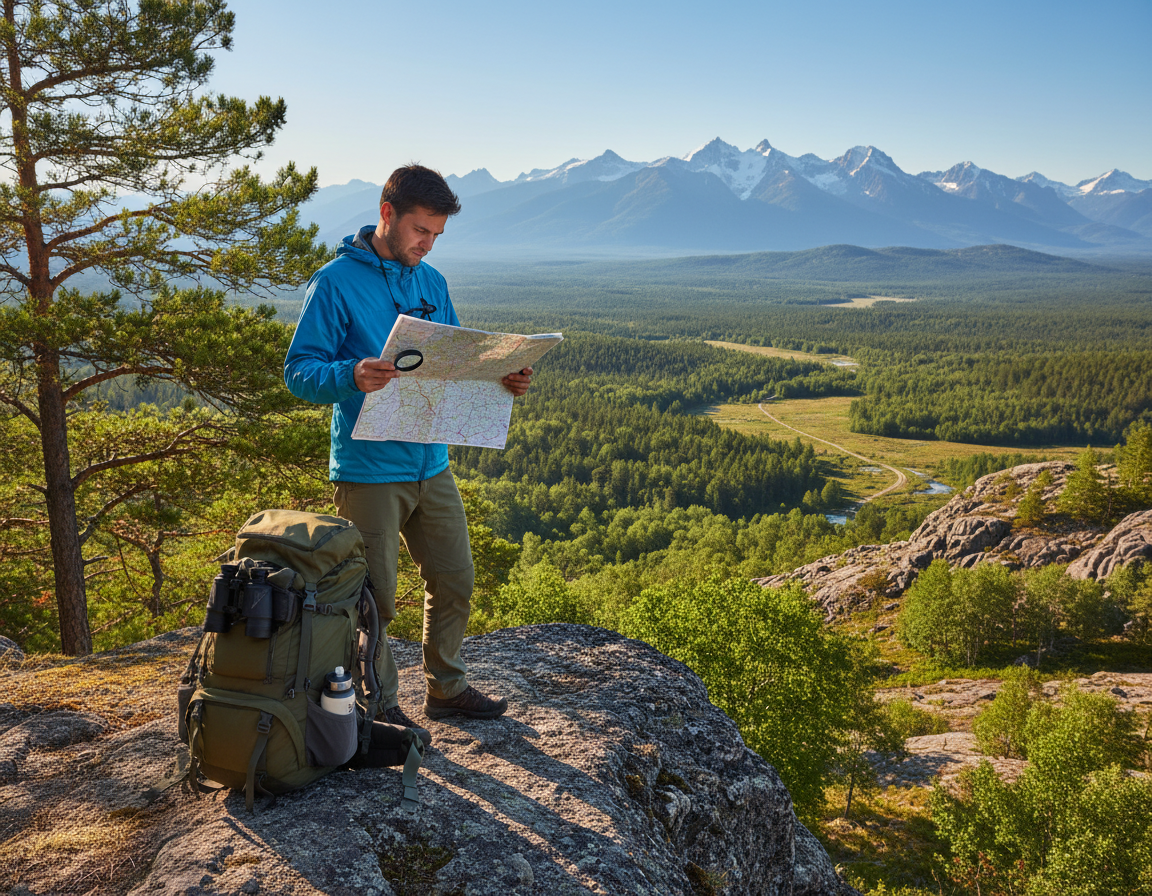
You’re three miles down a beautiful path when it suddenly splits in two. No signs point the way. Your phone has no signal. This is
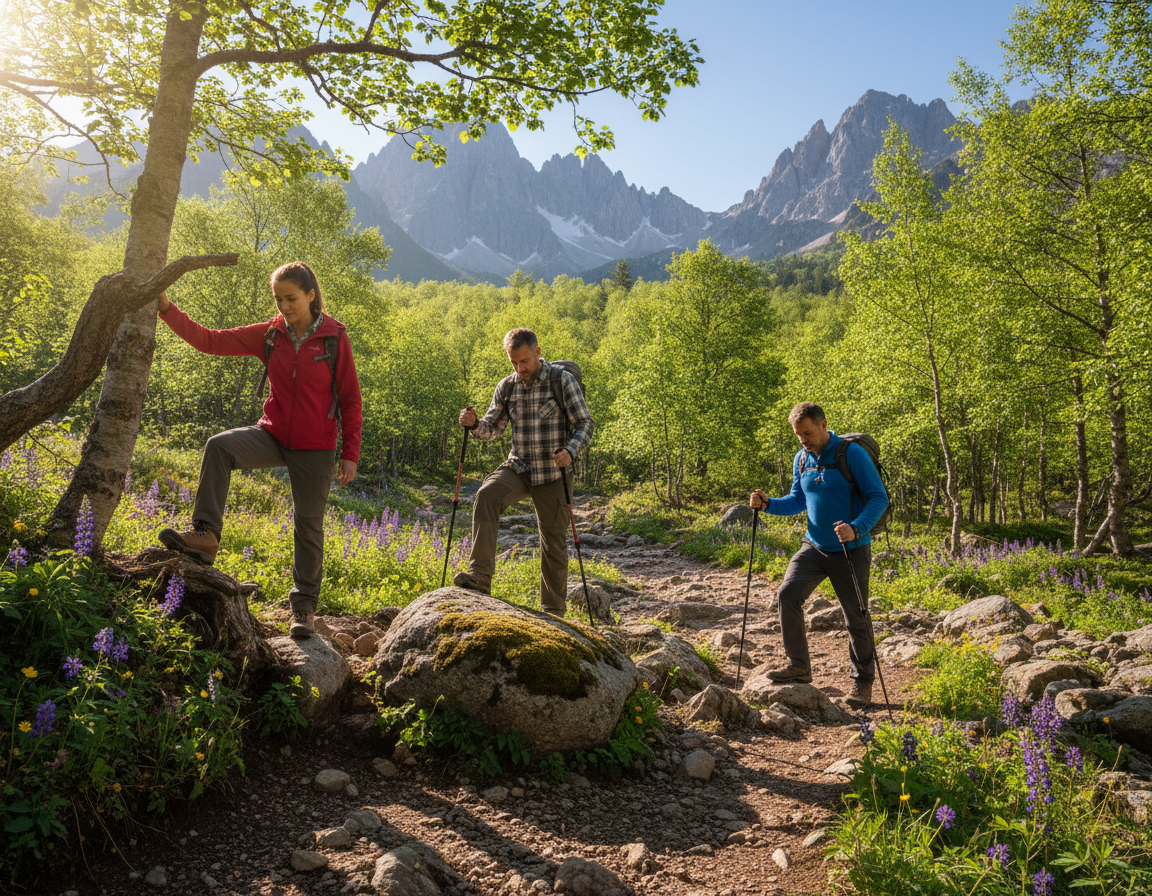
Imagine your foot landing on a loose rock, feeling it shift beneath you. Your entire body instantly reacts—a symphony of muscle contractions and adjustments—to keep
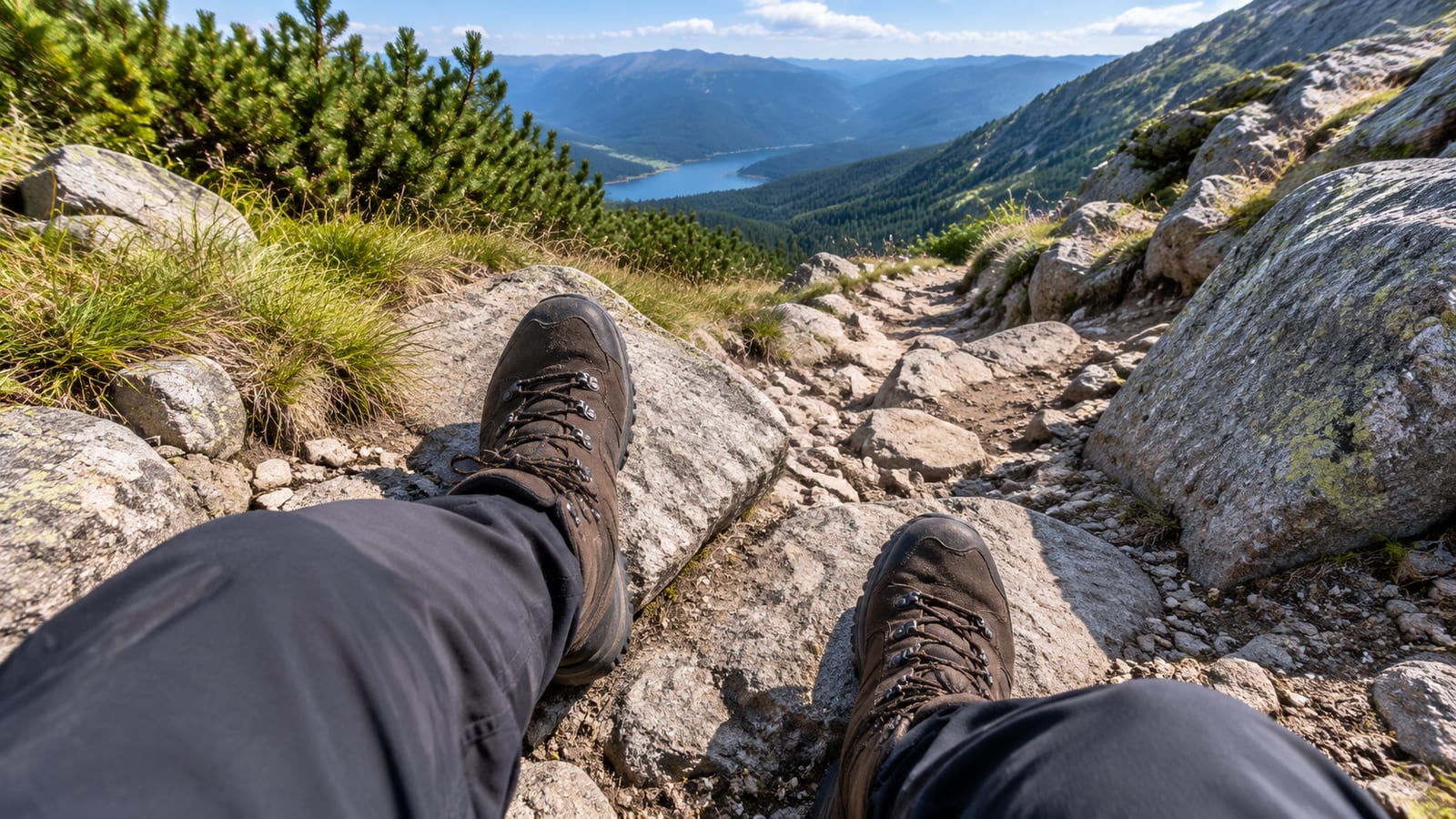
Master roughfooted technique for rocky trails: flat sole placement, controlled steps, and reading ahead prevent ankle rolls and tired legs on uneven ground.
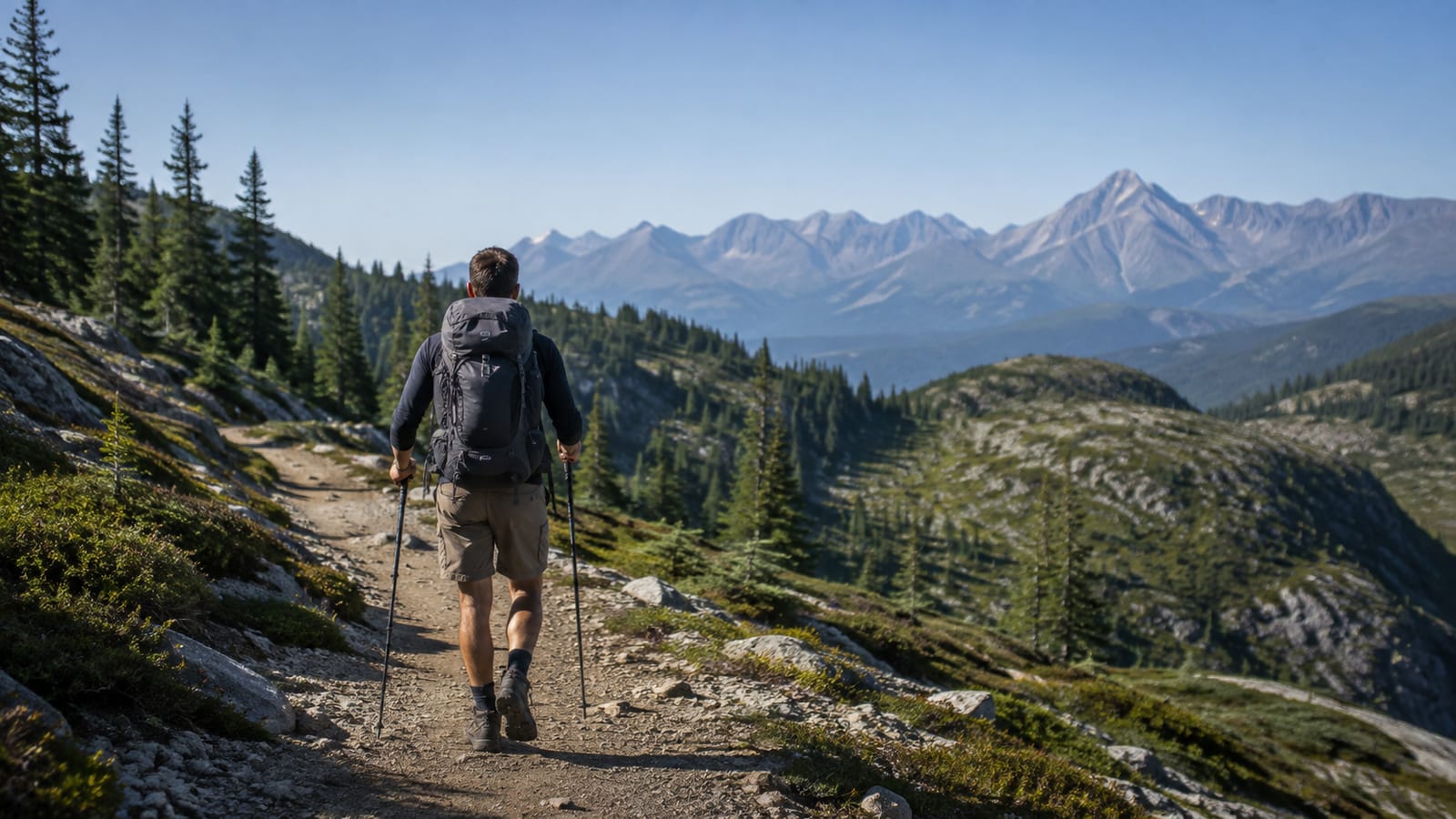
Steady pacing, careful foot placement, and junction checks keep you on marked hiking paths, with practical guidance for rough ground, heat, and descents.
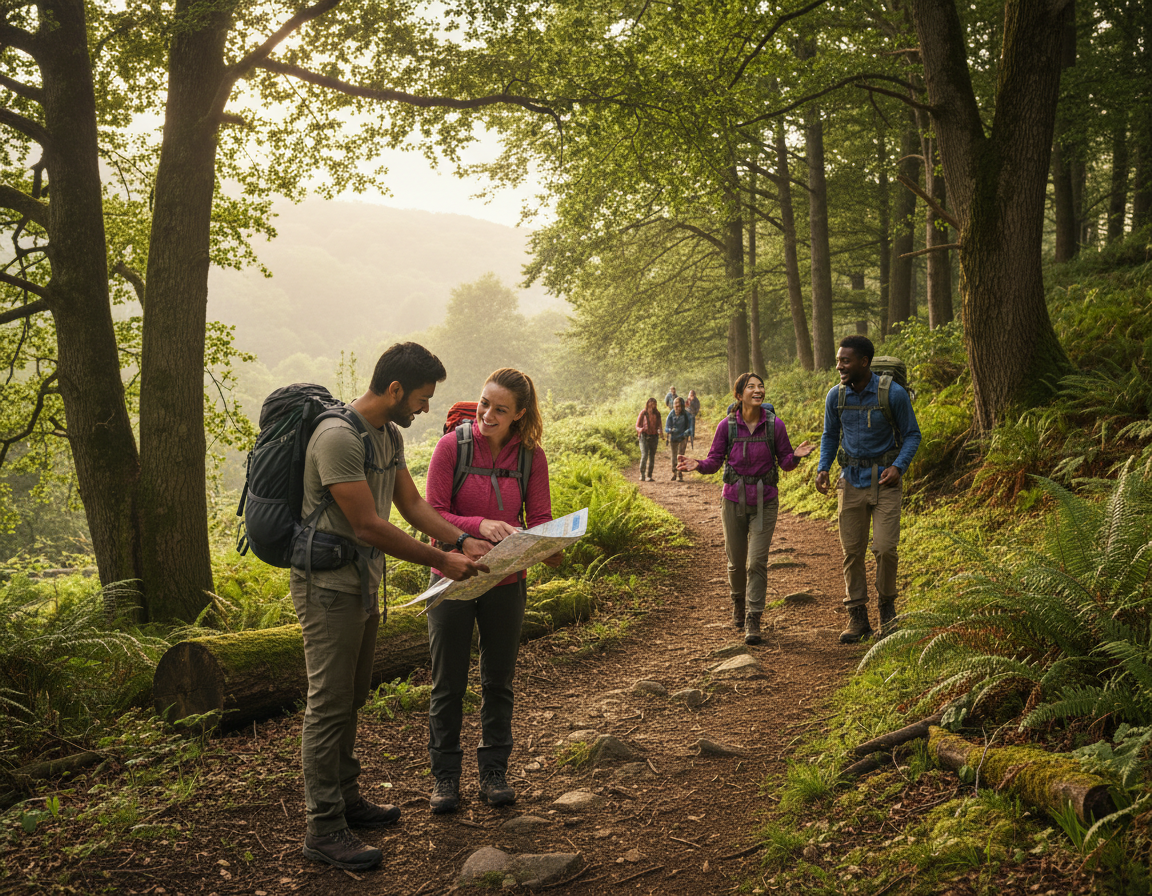
You’ve found your people, the trail is calling, but then reality hits—everyone walks at a different speed. This simple fact can turn a dream day
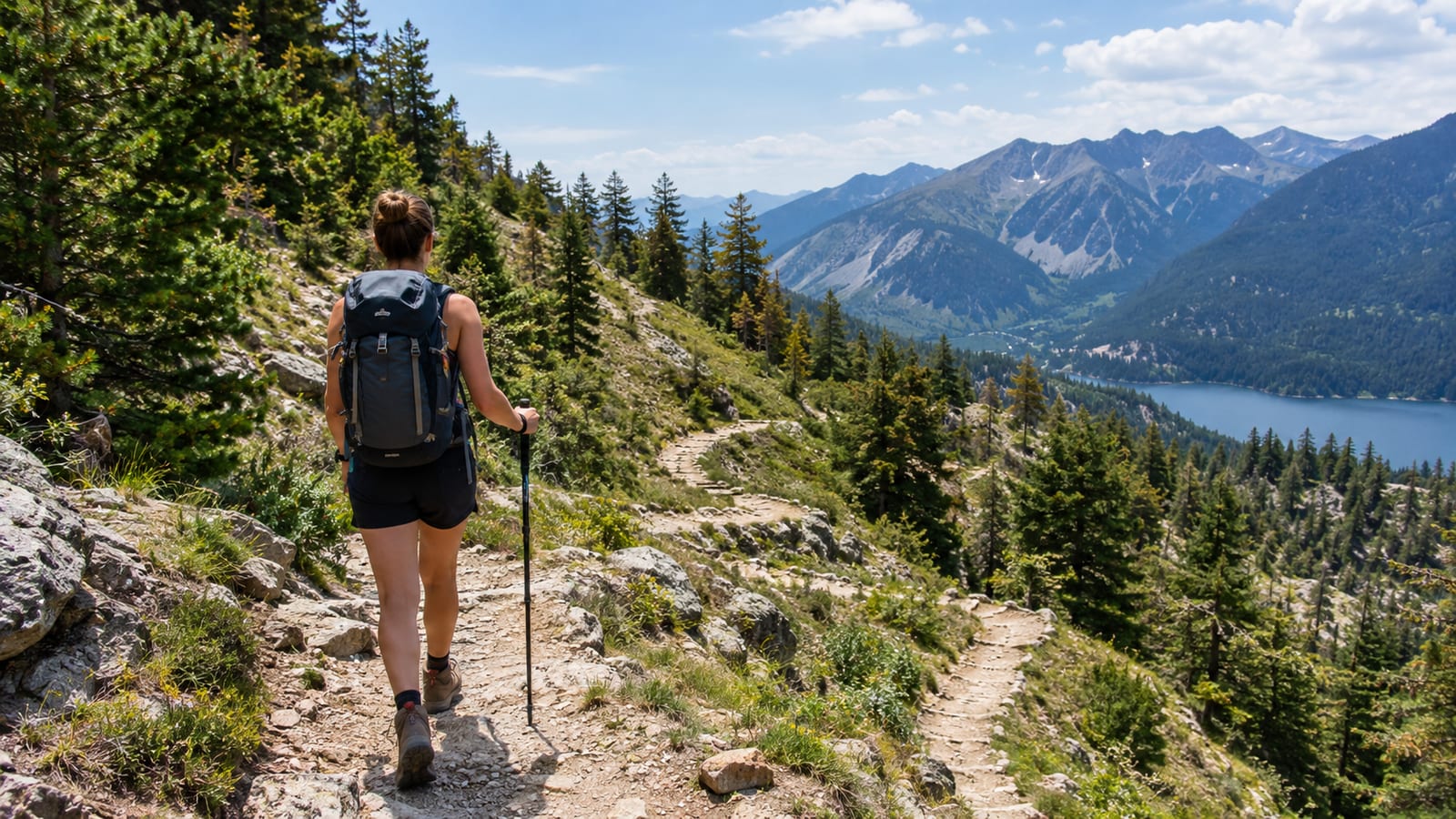
Switchbacks make steep climbs easier on your legs and kinder to the hillside. Learn how to pace them, use turns, and avoid damaging shortcuts.
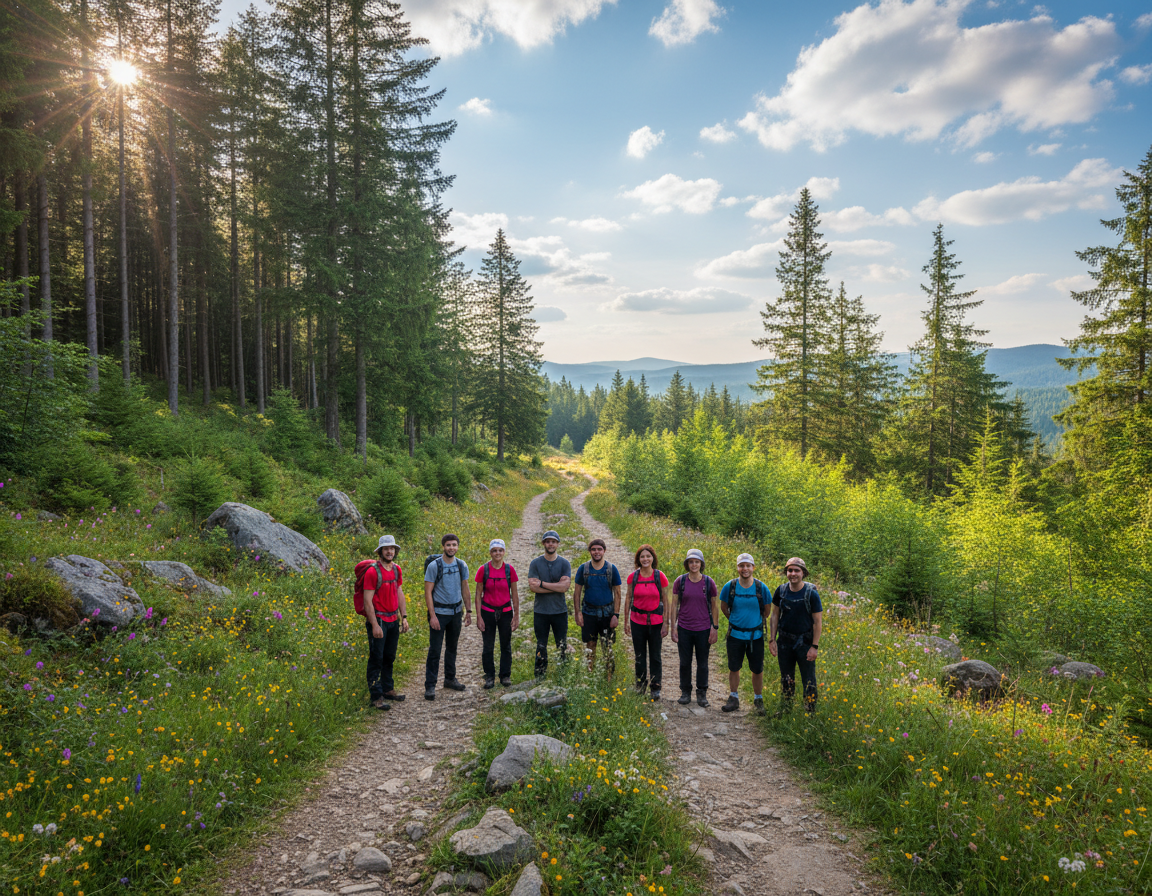
That moment when your lungs burn and your legs feel like lead halfway up a mountain is a feeling many hikers know all too well.
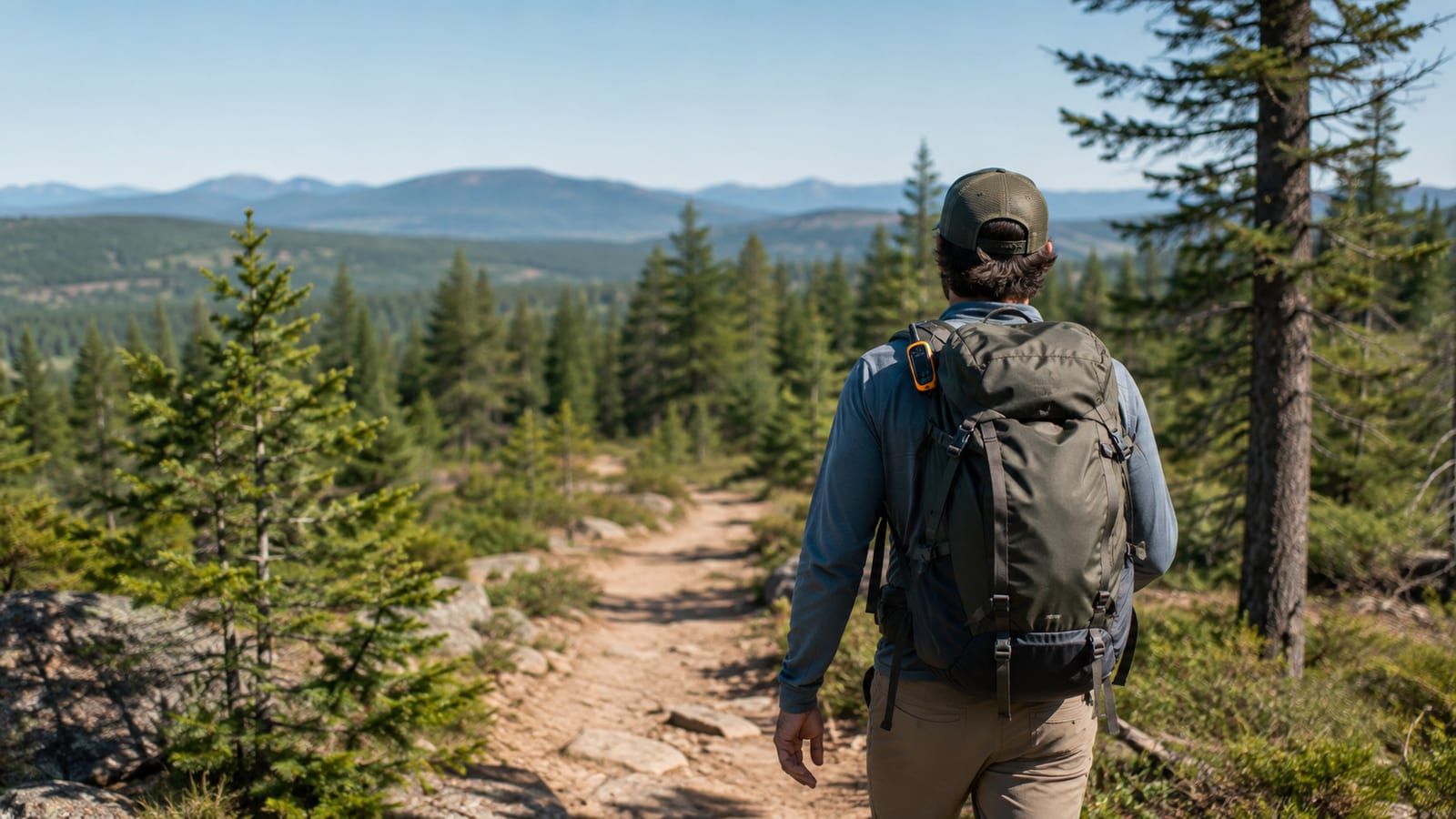
Plan safer hikes with GPS by setting up offline maps, following GPX tracks, checking your position, and using a paper map and compass as backup.
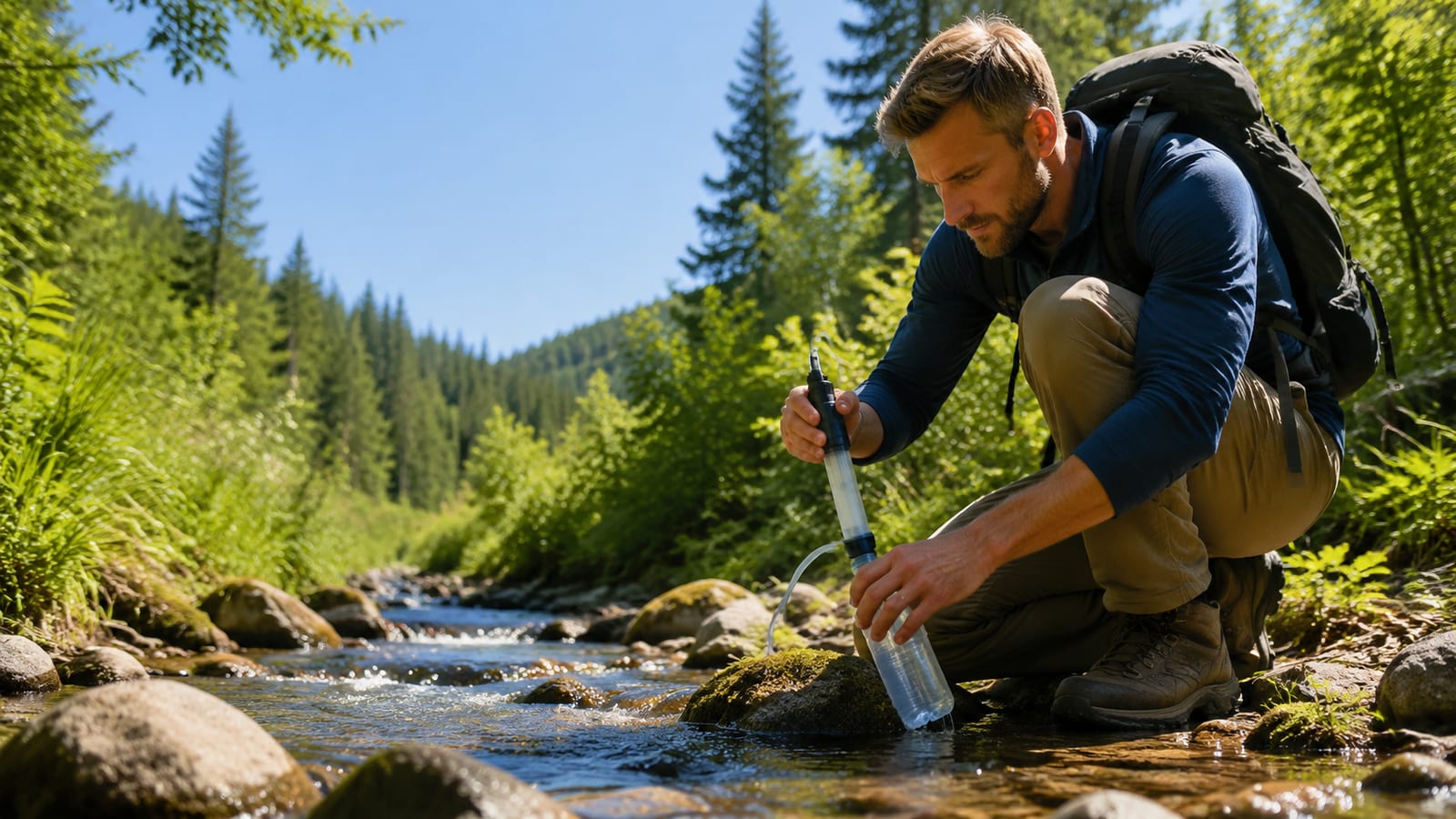
A hollow-fiber filter is the trail default, but safe drinking water also requires source checks, backup tablets, and strict clean-side handling.
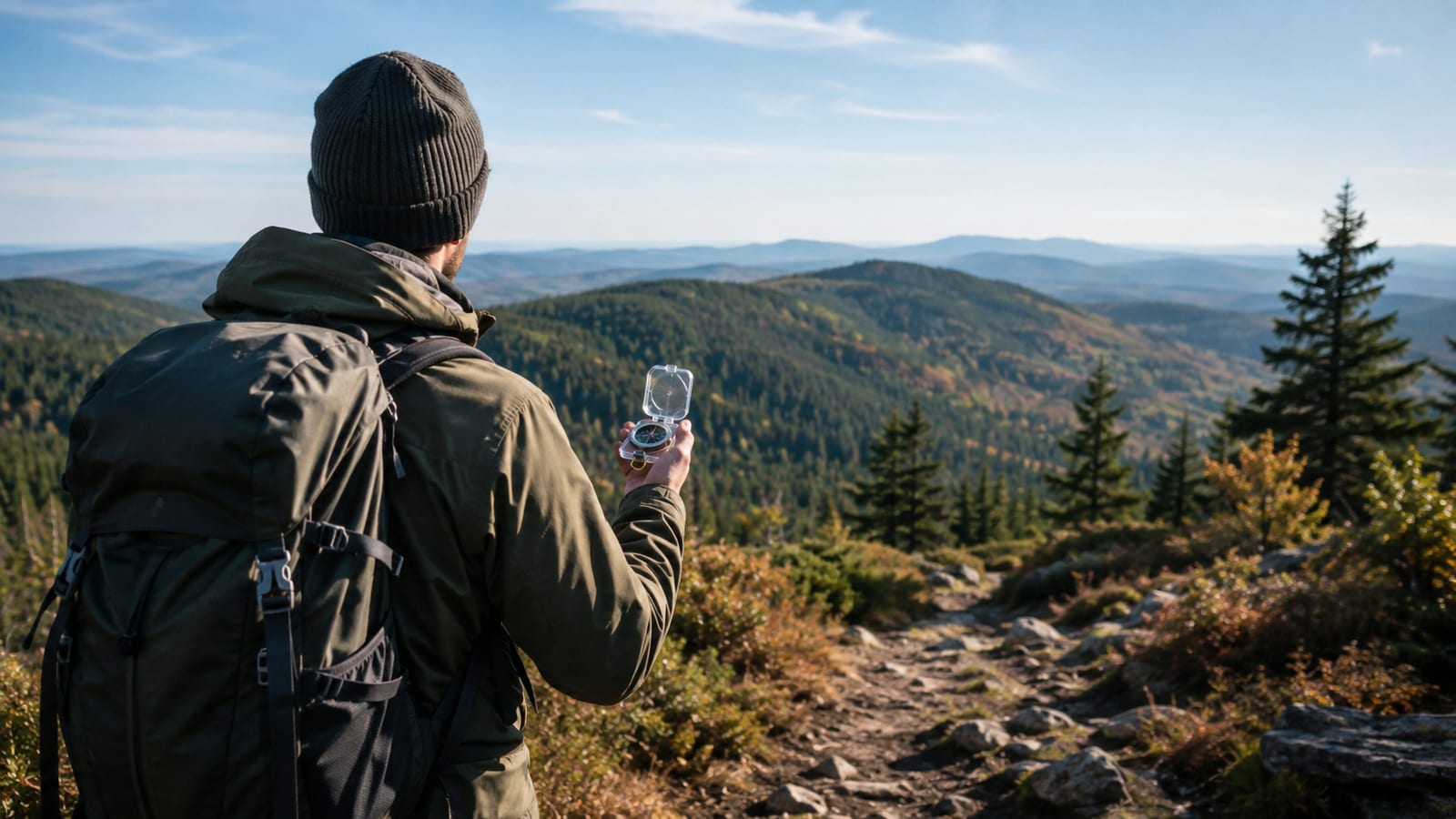
Orient your map, correct declination, take reliable bearings, and use terrain checks to stay on route through forests, fog, and unsigned junctions.