
Long hikes test your mind and body. They require you to be strong and ready. A little planning can go a long way. It helps you fight off tiredness and enjoy your hike fully.
Being fit and eating right are crucial. Exercising for 40 minutes, 2-3 times weekly prepares you. Drinking enough water before and during helps too. It stops you from losing too much strength due to dehydration.
This guide gives you top tips for staying full of energy on long hikes. We will learn how to beat tiredness. This way, you can enjoy every step of your adventure.
Regular Physical Activity
Regular physical activity is key to beat fatigue on long hikes. It gets your body used to the challenges of hiking. Plus, it boosts your stamina and endurance. By exercising 2 or 3 times a week, you build the stamina needed for trails. It also keeps your body ready for ongoing effort.
Building Endurance
Building endurance is crucial for hiking. Aim for workouts lasting at least 40 minutes to strengthen your heart. This makes it easier to handle long hikes. Mixing strength and cardio exercises is smart. Focus on activities that boost body balance like walking, lunges, and squats. Increasing your strength training by 10% each time is also smart. It helps avoid injuries.
Cardio exercises are important, but don’t forget exercises like calf raises. They strengthen muscles for hiking. Gradually, your body will handle tougher trails as your endurance improves.
Starting Slow
Starting slow helps prevent early burnout. Pick trails that suit your fitness level at the start. Choose easy hikes that gradually get harder, like those in Ireland and the UK. This way, you build stamina smoothly, making harder hikes feel easier later on.
Listening to your body and resting when needed is vital. It’s not just about pushing harder but keeping a steady practice. This approach helps you get ready for longer hikes and enjoy them more.
Proper Hydration
Staying properly hydrated is key when you’re out on the trails. Good hydration helps you stay energized and safe while hiking.
Types of Drinks
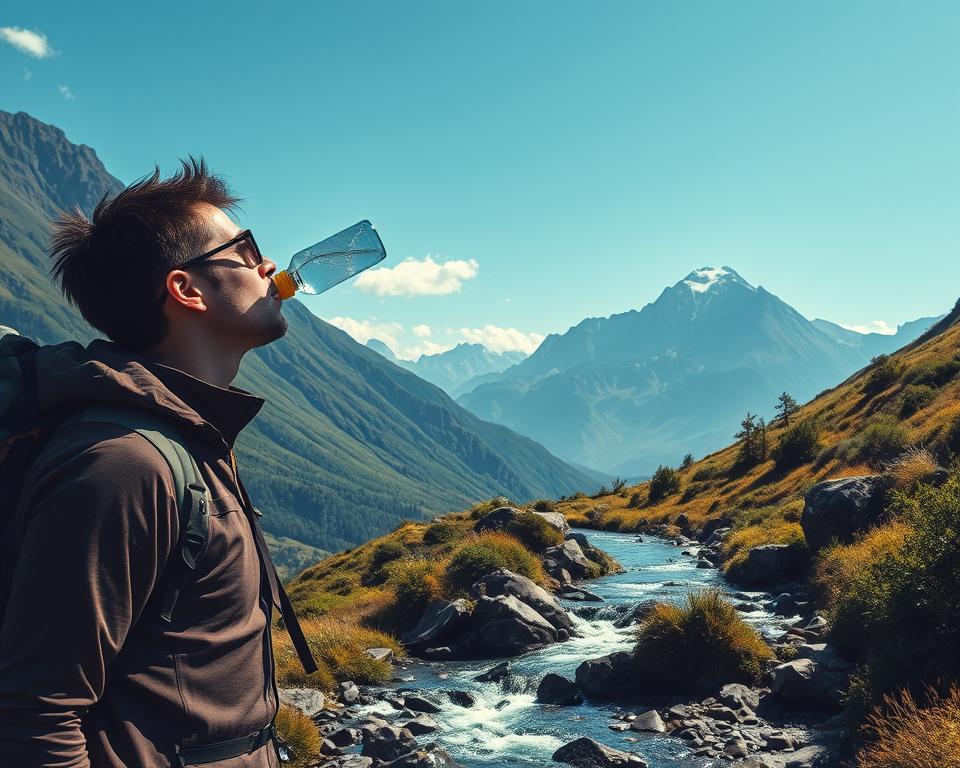
Choosing the right drinks for your hike is important. Water is a must, but adding drinks like tea, soup, and sports drinks helps. Also, using oral rehydration salts can help your body hold on to fluids, especially if you’re very dehydrated.
Start hydrating before you even begin hiking. Drink one to two cups of water, juice, or sports drink before setting out. Once hiking, aim to drink half to one quart of water each hour. In the heat, you’ll need to drink even more.
Try to limit caffeine and skip alcohol before and during hikes, as they can dehydrate you. Drinking a sports drink with carbs and electrolytes can keep your energy and hydration balanced. Also, drinks or foods with sodium and potassium can help you rehydrate better.
Effects of Dehydration
Dehydration can quickly affect your ability to hike. Losing just 2% of your body’s liquid can drop muscle strength by 20%. Look out for symptoms like cramps, headaches, confusion, and dark-colored urine. Remember, thirst doesn’t always show how much you need to drink.
It’s important for older adults, who have less body fluid and feel less thirsty than younger people, to drink plenty of water. Kids also need careful monitoring to make sure they’re drinking enough on outdoor adventures.
Dehydration can cause heat stroke, muscle damage, and kidney problems. So, it’s vital to keep drinking fluids. A water purifier or a bottle that purifies water can be a smart investment to keep water safe from germs found in nature.
Nutrition During the Hike
It’s very important to eat right while hiking to keep up your energy and avoid getting tired. The energy for long hikes comes from a good mix of carbs and proteins.
Carbohydrates and Proteins
Carbs are your main energy source. They power your muscles and brain. By releasing glucose into your blood, they give you a constant energy flow. If you don’t eat enough carbs, you might get tired quickly on your hike. Proteins are vital too. They fix and build your muscles, especially after hard hikes.
- Eat meals with about 70% carbs, 20% fat, and 10% protein for a well-balanced diet on the trail.
- Choose low Glycemic Index (GI) carbs for energy that lasts longer. Eat high GI carbs an hour before hiking for a quick energy boost.
- A breakfast that has a carb to protein ratio of 2:1 or 1:1 helps keep your energy steady.
Compact and Nutritious Snacks
Packing snacks that boost energy is crucial during a hike. Go for small, nutritious options like granola bars, nuts, and dried fruits. They give you the calories you need without making your backpack heavy.
- If your hike is less than two hours, you don’t need to eat on the way.
- For longer treks, bring 30-60 grams of carbs and some protein for each hour.
- Stay away from refined sugars and processed foods. They might make your energy drop suddenly.
Eating right while hiking helps you keep your energy up and improves your experience. Drinking enough water and managing what you eat also helps you feel less tired after the hike.
Finding Your Walking Pace
Finding the right hiking pace is key to avoiding tiredness on long trails. When hiking, I look for a rhythm that suits my body. This means not rushing or stopping too much. A steady pace lets me save energy and enjoy the hike.
Maintaining a Steady Pace
Keeping a steady pace is important to me. It helps avoid fatigue and conserve energy during a hike. By not hurrying and moving at a steady speed, I can hike further without getting tired quickly.
Adding different exercises to my routine has helped my hiking. Strength and cardio exercises improve my endurance. Stretching after walking a few miles also helps maintain my energy for the hike.
Planning and preparation are key. Before each hike, I consider the terrain, weather, and how long I’ll be out. Setting a manageable pace makes the hike enjoyable. Focusing on nutrition and staying hydrated is vital. Drinking enough water and eating snacks keep me going, helping maintain a good hiking pace.
Choosing the Right Gear
Choosing the right gear can make your hike way better, making you less tired and more comfortable. It’s really important to pick a lightweight backpack and the right shoes for a good hike.
Lightweight Backpack
A lightweight backpack can change your hiking game. It makes carrying what you need less tiring. It helps spread the weight evenly, making long walks feel easier.
- Choose a backpack with lots of pockets to keep your stuff organized.
- Look for ergonomic designs that fit your body well.
- Think about the backpack’s weight; lighter ones are usually more comfy.
Appropriate Footwear
Your shoes are just as important. Think about where you’ll be hiking to choose the best ones. The right shoes keep blisters away and help you handle different grounds.
- Mountaineering/Winter Boots: Great for tough places, they are durable under rough conditions.
- Hiking Boots: Good for day trips and short hikes, they offer a balance of flexibility and weight.
- Hiking Shoes: Best for easy trails because they’re light and allow easy movement.
Don’t forget the right socks with your shoes. Merino wool socks are cushy and keep the temperature just right, while synthetic ones like polyester and nylon are strong and keep your feet dry. Picking these carefully is key to having a good hike.
How to avoid fatigue while hiking
Fighting fatigue while hiking needs a full plan. It includes physical training, nutrition, hydration, and pacing. I’ve improved my hiking by practicing these tactics. To get ready for big trails like the Appalachian, I prepare my body well.
Nutrition is key for hiking. I eat about 4,000 calories a day on and off the trail. Foods like nuts and dried fruits are my go-tos. Drinking shakes helps me keep energy up without feeling full. I carry about 1.8lbs of food daily to stay light.
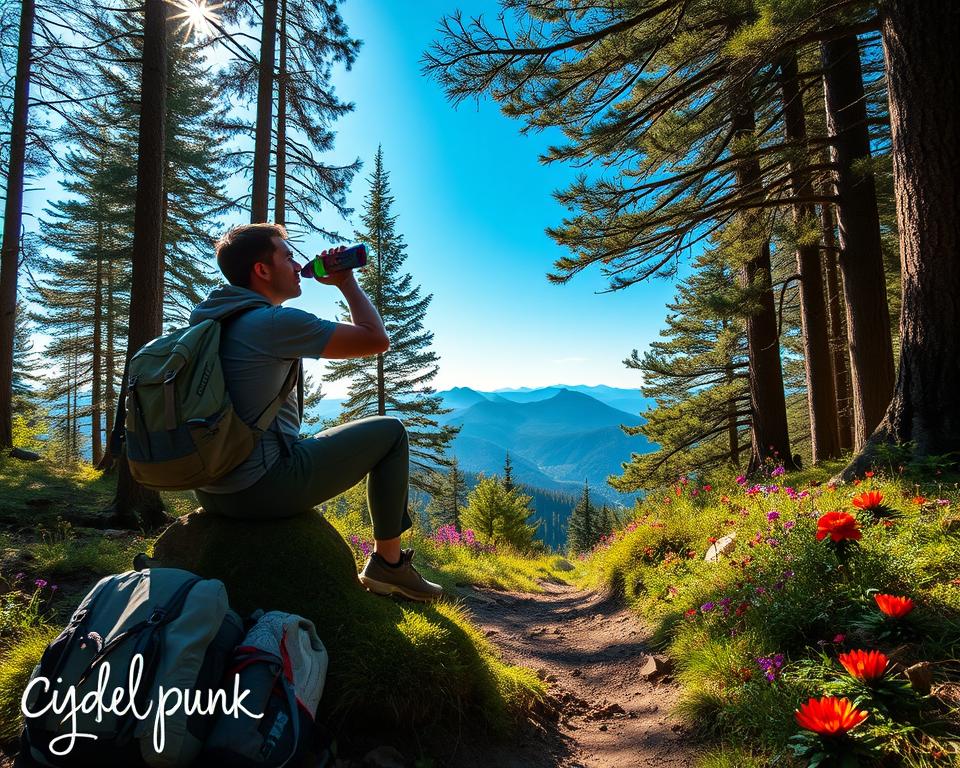
Staying hydrated is crucial. I listen to when my body needs water and minerals. Getting dehydrated can make you tired fast. I bring electrolyte supplements for hot days. Also, I breathe deep to get more oxygen to my muscles.
Keeping a steady pace is important. It helps make consistent progress. This method stopped me from getting too tired on a long hike. Knowing when to turn back is also smart for safety.
After a tough hike, recovery is essential. Eating foods like fish, eggs, and nuts helps. Drinking lots of fluids is also important. These habits help me handle long hikes better.
How Can I Avoid Fatigue During Long Hikes to Aid My Recovery After the Trail?
To avoid fatigue during long hikes, focus on hydration and nutrition. Incorporate regular breaks and listen to your body. Stretching before and after the hike is crucial. Implement these key steps to rejuvenate after a challenging hike, ensuring you bounce back stronger and ready for your next adventure.
Conclusion
Starting with light exercises and moving towards heavier workouts builds stamina for long hikes. It’s not easy and happens over time. Getting hurt or too tired is why many can’t finish their hikes. That’s why adding regular fitness activities to our daily life is key.
Drinking about one liter of water every three hours helps stay hydrated, especially in mild weather. Eating healthy snacks keeps your energy up for longer. It’s important to wear good shoes and carry a light backpack. This way, you avoid blisters and don’t strain your muscles too much.
Understanding your body and how it feels is crucial when hiking. Taking short breaks, like 5 minutes every 45 minutes of walking, helps a lot. This keeps you motivated and stops aches from getting worse. Success in hiking is not just about being strong. It’s also about knowing your limits to prevent getting tired or hurt.
In summary, to successfully conquer long hikes, focus on reducing your backpack’s weight, staying hydrated, and eating well. Use the right equipment and know how fast to go. This mix of actions lets you fully enjoy nature. It makes every hike a valuable experience.
FAQ
How can I build endurance for long hikes?
What’s the best way to stay hydrated while hiking?
What types of snacks are best for maintaining energy on the trail?
How do I find the right walking pace for long hikes?
What gear should I prioritize to avoid fatigue?
What are the signs of dehydration to watch out for during a hike?
How can I combat fatigue during a hike?
What are some beginner-friendly trails to help build endurance?
What should I focus on in my diet while hiking long distances?
Why is the right footwear important in hiking?
Related: Best Pre-Hike Foods: Oatmeal, Bagels, and Timing Tips
