
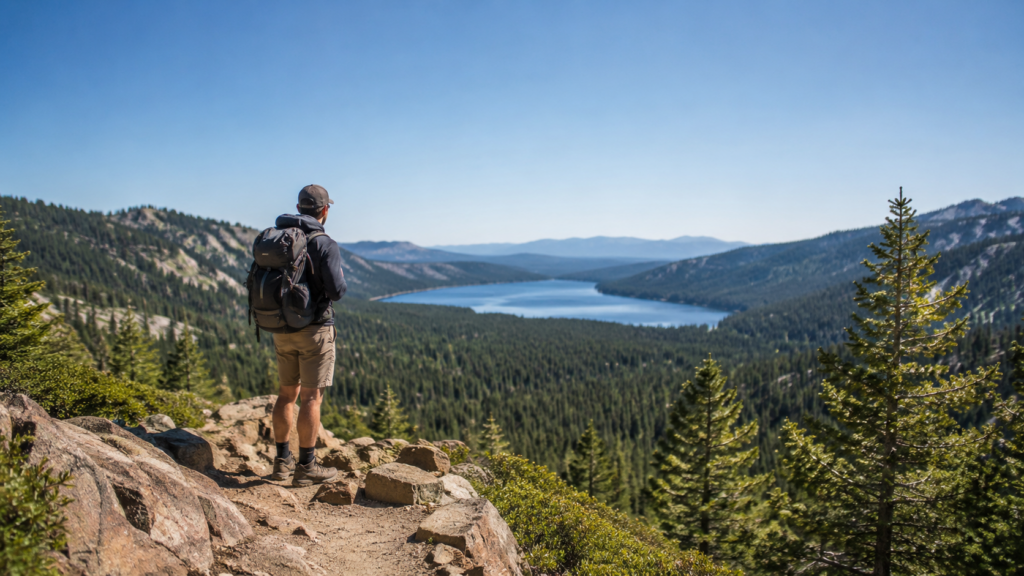
The best wilderness areas for combining hiking and paddling are the ones where the trail and the water actually connect, not where a park happens to have both. For most people that means the Boundary Waters in Minnesota for canoe-and-portage travel, the Great Smoky Mountains and Fontana Lake for a paddle-in overnight, Yellowstone's lake country for a guided combo, Southeast Alaska around Juneau and Sitka for sea kayaking with shoreline hikes, and Moab if you want biking in the mix too. Which one fits depends on your paddling skill, how much you want a guide, and whether you'd rather portage a canoe or camp off a sea kayak.
Last updated: 2026-07-01
The mistake is picking a place because it looks good in a tour brochure. Pick it because the water carry, the season, and the permit rules match what you can actually do after a long day.
What "combining hiking and paddling" really means
There are two versions of this, and they ask different things of you.
One is paddle-to-hike: you kayak or canoe to a spot, land, and hike from there. Fontana Lake and Yellowstone work this way. The paddling is transport and scenery; the hiking is the payoff.
The other is water-as-trail: the paddling is the route, and hiking shows up as portages between lakes or short legs to a viewpoint. The Boundary Waters is the clearest example. Here your feet and your boat trade off all day.
Knowing which one you want saves you from booking a flatwater lake tour when you wanted a real backcountry traverse, or vice versa.
Which wilderness areas are best for hiking and paddling?
Here's the short version before the details. Each pick below gets a judgment, not just a description.
| Area | Paddle type | Best for | Guide needed? | Season |
|---|---|---|---|---|
| Boundary Waters, MN | Canoe + portage | True self-guided hike-and-paddle | No | Late spring to early fall |
| Great Smoky Mountains / Fontana Lake, NC | Flatwater kayak | Paddle-in overnight, fire tower hike | Optional | Spring through fall |
| Yellowstone lake country, WY | Guided sea kayak | Scenery + wildlife, low skill needed | Yes (practically) | Summer |
| Juneau & Sitka, AK | Sea kayak | Coastal wilderness, wildlife | Yes | Summer |
| Moab, UT | Kayak/raft + bike + hike | Multi-sport variety | Yes | Spring and fall |
Boundary Waters, Minnesota: the real answer for hiking and canoeing
If you're searching for hiking and canoeing together, the Boundary Waters Canoe Area Wilderness is the standard answer, and it earns it. This is over a million acres of interconnected lakes in northern Minnesota where you travel by canoe and cross between lakes on portage trails, some a few rods long, some brutal. The hiking here isn't a separate activity you drive to. It's built into the route: you shoulder the canoe and gear, walk the portage, and put back in on the next lake.
That makes it the closest thing to a true self-guided hike-and-paddle wilderness in the lower 48. You plan your own loop, pull a permit, and go. There are also stand-alone foot trails like the Border Route and Kekekabic if you want to hang up the paddle for a day and just walk.
It's not for everyone. Portaging a loaded canoe over roots and mud is real work, the bugs in early summer are a genuine tax, and you need to be comfortable navigating by map on water. But if you want the version of this trip where nobody hands you a life vest and a schedule, this is it. Go self-guided if you have backcountry skills; outfitters in Ely and Grand Marais will kit you out and plan a route if you don't.
Great Smoky Mountains and Fontana Lake: a solid paddle-in overnight
The Smokies work well for the paddle-to-hike style, and Fontana Lake is the reason. You put in, paddle across to camp on or near the shore, and hike from there, often up to the Shuckstack fire tower for the view. Guided multi-day trips out of the Asheville area run this as a paddle-across-then-camp-then-hike loop, and it's a reasonable way to do it if you don't want to arrange your own boat and backcountry site.
Day-tour options exist too, from a family-friendly moderate outing to a long, hard push of twelve-plus hours that earns the fire tower the honest way. Both start near Fontana Dam, which at 480 feet is the tallest dam in the East. That's a genuinely interesting number and a good landmark, but don't let it decide your trip. A tall dam is a tall dam; what matters is whether the paddle distance and the climb match your legs.
The flatwater lake paddling here is beginner-friendly, which is the real selling point. You can bring someone who's never kayaked and not spend the day worrying.
Yellowstone's lake country: scenic, guided, and priced like it
Yellowstone gives you a clean two-part combo: paddle Lake Yellowstone, then hike, and Shurr Adventures runs the best-known version around the Grant Village and West Thumb area. The half-day kayak tour runs about $114 per person and covers roughly 3 miles over 3 hours on the water, with guides pointing out the geyser basin and wildlife along the shore. After the paddle, a short drive gets you to a hike toward Shoshone Lake.
Shoshone is billed as the largest backcountry lake in the lower 48 states, meaning the biggest you can't reach by road. That's a real distinction and a fair reason to go, since it means quiet water without a parking lot on it. The tour is also marketed as the number-one ranked kayak and hiking tour in Yellowstone on TripAdvisor. Take that for what it is: a review-site ranking, not a measure of the trail. It tells you people liked their guide, not that this is the only good option in the park.
Here's the honest read. This is a good pick if you want geothermal scenery, near-zero paddling skill required, and someone else handling logistics. It's guided, it's priced accordingly, and the water time is short. If you want distance and solitude over a narrated half-day, look elsewhere in the park's backcountry.
Southeast Alaska: the big-water version around Juneau and Sitka
Alaska is where the paddling gets serious and the scenery pays you back for it. Around Juneau you can hike the Tongass and run overnight sea kayak trips; Sitka offers calmer paddling and coastal camping, with the option of soaking at White Sulphur Springs. Berners Bay is a well-known overnight target, with eagles and seals as the regular audience.
This is not a beginner's flatwater lake. Sea kayaking here means cold water, tides, and weather that changes the plan for you. Go guided unless you have real sea-kayak experience and cold-water rescue skills. For most people that's not a compromise, it's the right call. What you get in return is coastline you can't reach any other way.
If wildlife is the whole point of the trip, it's worth pairing this with a look at guided tours built around spotting animals so you're not just hoping.
Moab, Utah: the answer if you want biking in the mix too
If you're after multi-activity tours that combine hiking, biking, and kayaking, Moab is the standard pick, and it's a good one. Outfitters there run multi-day guided trips that stack mountain biking on the slickrock, hiking in the canyon country and nearby parks, and paddling or rafting on the Colorado River, often in a single itinerary. It's the rare place where all three sit close enough together that a guide can run them back-to-back without a long drive between each.
Go here when variety is the point and you don't want to specialize. The desert heat is the catch: spring and fall are the sane windows, and midsummer on exposed slickrock is a bad time to add a bike to your day. Book the multi-sport package if you want the logistics handled, since juggling a raft shuttle, bike rental, and trailhead parking yourself across three sports is more planning than most trips are worth.
What to look for before you book
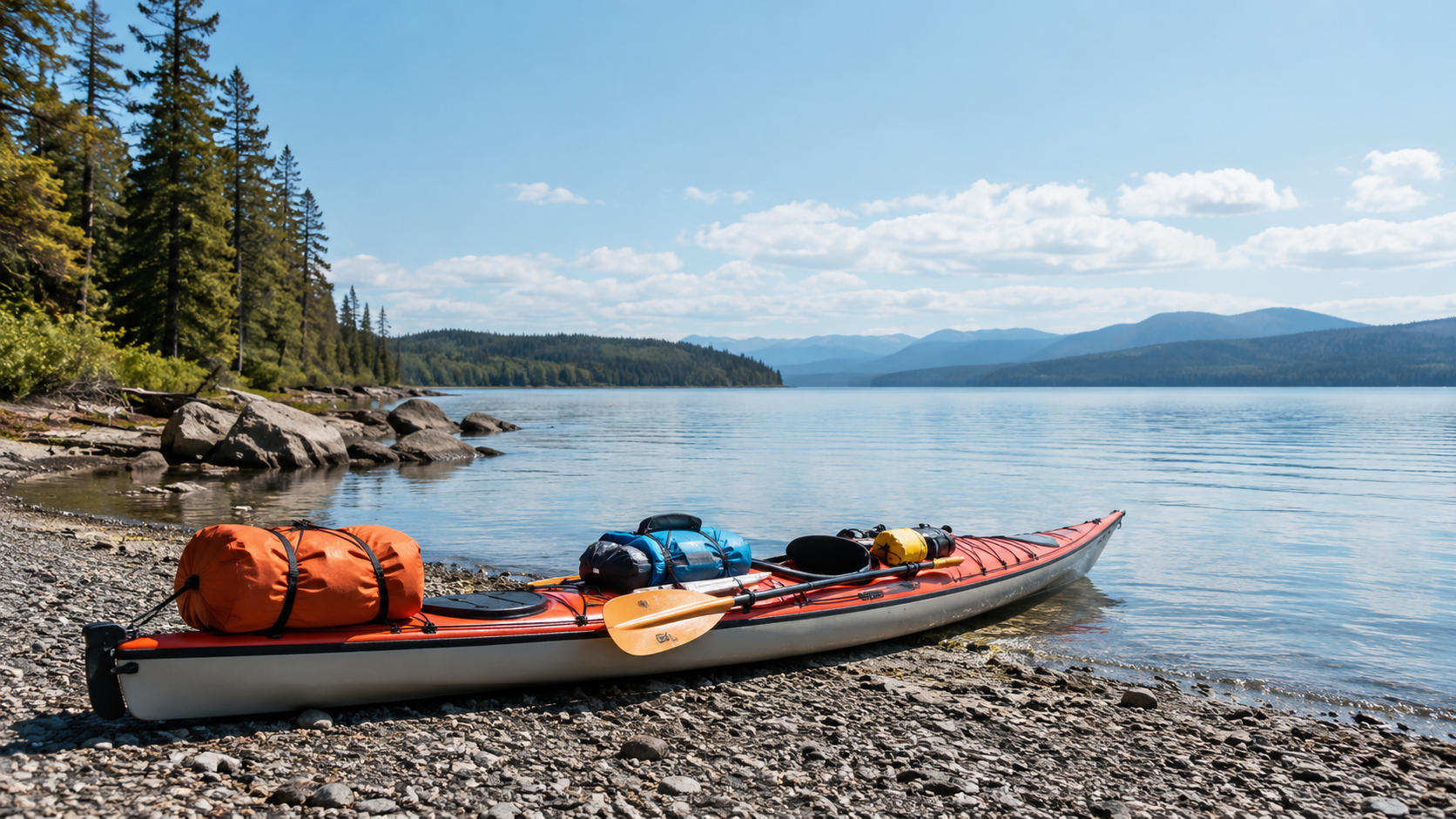
The scenery in the photos is the easy part. These decide whether the trip works.
- Water carry and paddle type. Flatwater lake, sea kayak, or canoe-with-portage are three different skill sets. Match the water to your ability, not your ambition.
- Guided or self-guided. Alaska and Moab practically require a guide. The Boundary Waters rewards going without one if you have the skills. The Smokies and Yellowstone go either way.
- Permits and season. Boundary Waters permits are quota-limited in the busy months; Yellowstone and Alaska trips are summer-bound; Moab is a shoulder-season game. Sort this before anything else.
- Trip length that fits your fitness. A twelve-hour paddle-and-hike day is a real thing at Fontana. Read the hours, not the highlight reel.
- Bailout points. On big water especially, know where you can get off if weather turns.
For the walking half of any of these, our rundown of beginner-friendly trails is a decent gut check on whether the hiking leg suits your group.
Who should skip the combo trip
Not everyone needs to bolt two sports together.
Skip it if you're new to paddling and picking a sea-kayak destination first. Learn on flat water close to home before you commit to tides and cold. Skip the long day-tour options if your group's slowest hiker isn't ready for the mileage, since the paddle back doesn't get shorter because you're tired. And skip the guided premium trips if you have the skills to self-outfit, especially in the Boundary Waters, where the whole appeal is doing it on your own terms.
If you'd rather keep the two activities separate and just want good water-adjacent camping, our guide to wild camping spots covers that without the paddling commitment.
FAQ
Do I need my own kayak or canoe for these trips?
Usually not. Guided operators in Alaska, Yellowstone, Moab, and the Smokies provide boats and safety gear as part of the trip. The Boundary Waters is the main place you'll either bring your own canoe or rent from a local outfitter, who can also handle the portage packs and food if you ask.
How fit do I need to be to combine hiking and paddling?
It depends entirely on which trip. A flatwater lake paddle plus a short walk suits almost anyone. A twelve-plus-hour paddle-and-hike day or a portage-heavy Boundary Waters route asks for real endurance in both your legs and shoulders. Read the stated hours and mileage and plan around your slowest person, not your fittest.
When is the best season for these areas?
Alaska and Yellowstone are summer trips, full stop, because of water temperature and access. The Boundary Waters runs late spring through early fall, with midsummer bugs as the tradeoff. Moab is a spring and fall destination since summer desert heat makes the biking and hiking legs miserable and unsafe.
What should I pack that's specific to a hike-and-paddle trip?
Beyond normal hiking gear: a dry bag for anything that can't get wet, quick-dry clothing you can hike in after the paddle, and footwear that handles both wet launches and trail. Water shoes or drainable trail runners beat heavy boots for the paddle legs. Cold-water destinations like Alaska also need proper layers, since immersion is a real risk, not a rare one.
Can complete beginners do a hiking and kayaking trip?
Yes, on the right water. Guided flatwater trips in Yellowstone or on Fontana Lake are built for first-timers and include basic instruction. Sea kayaking in Alaska is not a beginner's first paddle, and a self-guided Boundary Waters route assumes you can already navigate and portage. Start on calm water with a guide, then work up to the bigger trips.
Related: How to Hike Steep Terrain Without Wrecking Your Knees
