
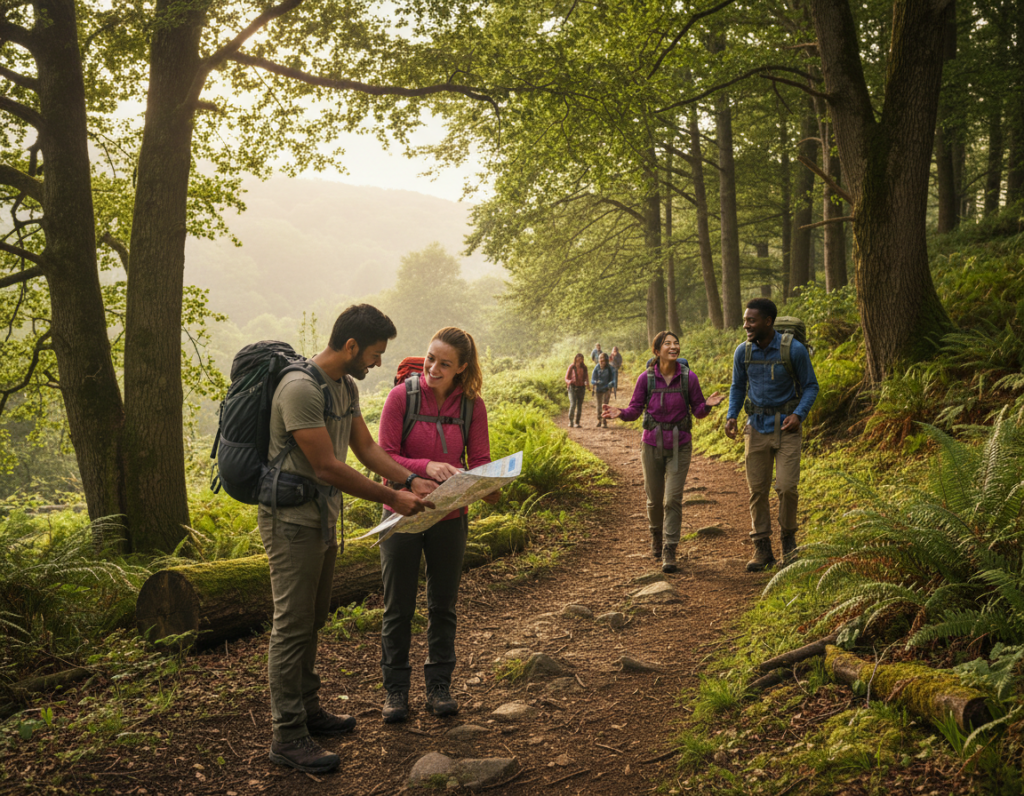
You’ve found your people, the trail is calling, but then reality hits—everyone walks at a different speed. This simple fact can turn a dream day outdoors into a source of tension if you don’t have a plan. It’s the most common challenge I see on the path, and handling it well makes all the difference.
Why does pace management matter so much? It’s the key to safety, enjoyment, and making sure everyone finishes together with smiles. Experienced leaders live by a simple truth: it’s a shared journey, not a race. This mindset transforms the entire experience.
If you’re a faster walker, you might worry about holding back. If you prefer a more leisurely stroll, you might feel pressure to rush. Both feelings are completely normal. The good news is that with a few thoughtful strategies, your group can stay connected while honoring each person’s comfort zone.
These techniques work whether you’re with friends, family, or a formal club. Getting this right leads to more enjoyable adventures, stronger bonds between hikers, and much safer outcomes for everyone on the trail.
Key Takeaways
- Differing walking speeds are a natural and common occurrence in any hiking group.
- Effective pace management is crucial for group safety and overall enjoyment.
- Adopting a “shared journey” mindset is foundational to a positive group dynamic.
- Both faster and slower hikers have valid concerns that need to be addressed.
- Practical strategies exist to keep the group together while respecting individual capabilities.
- Successful pace management leads to more rewarding and safer outdoor experiences.
Embracing Varied Speeds on the Trail
As your adventure party sets out together, a natural diversity in movement speeds emerges almost instantly. Each walker brings unique physical attributes and comfort levels to the journey. Leg length, fitness background, and terrain experience all influence how quickly someone moves.
Observing Natural Pace Differences
Pay attention during the first fifteen to twenty minutes. This observation period reveals your team’s capabilities. Notice who settles into a steady rhythm and who needs more time to find their footing.
The slowest individual naturally determines the group’s tempo. This approach keeps everyone together and safe. It also creates a more enjoyable experience for all participants.
Faster walkers benefit from energy conservation. They maintain reserves for challenging sections or multi-day excursions. Slower members avoid exhaustion by maintaining a sustainable rhythm.
Aligning Group Expectations
Have a conversation before hitting the path. Discuss distance goals, time frames, and desired experience types. This pre-adventure chat prevents misunderstandings later.
Sometimes reality differs from initial expectations. When this happens, adjust plans calmly. Focus on creating an inclusive environment where everyone feels valued.
These essential outdoor tips help build strong foundations for group adventures. Embracing different speeds transforms potential tension into collective strength.
Forming Successful “hiking pace groups”
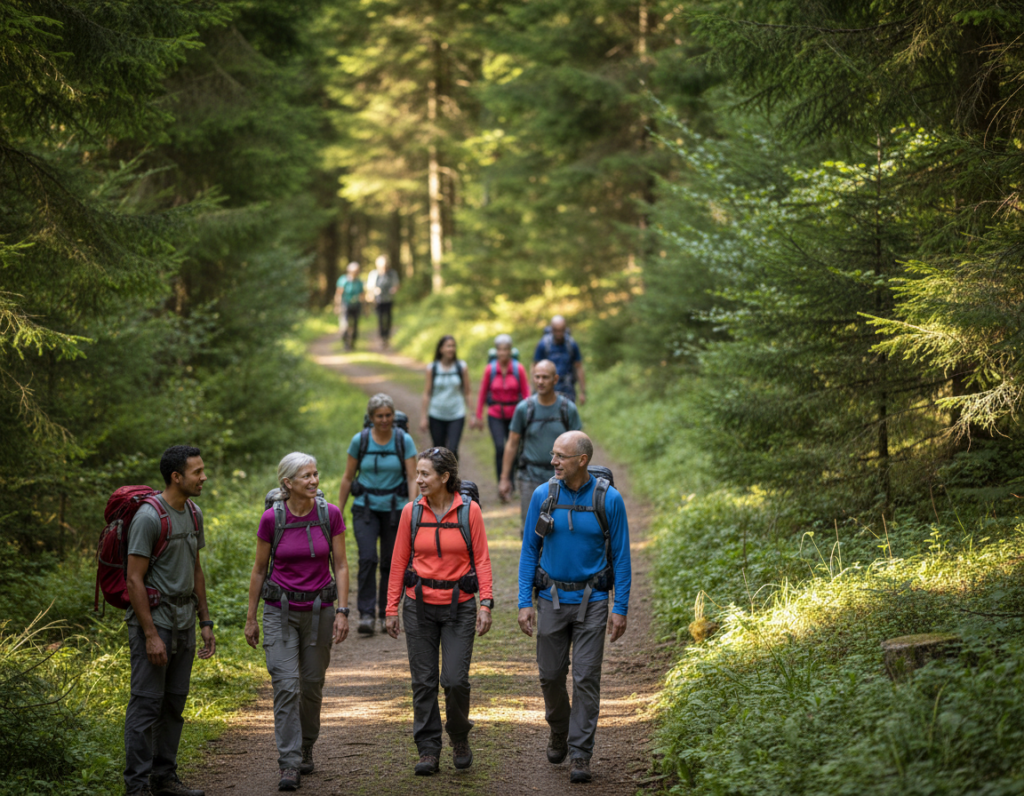
Creating harmonious trail experiences begins with thoughtful group formation. I’ve learned that compatibility matters more than pure speed when assembling your adventure crew.
Selecting Members Who Complement Each Other
Look for people with similar fitness backgrounds and outdoor goals. Ask about their typical rhythm on previous excursions.
Consider trying a short local hike together before committing to a major trip. This trial run reveals natural dynamics without pressure.
When significant differences exist, smaller sub-teams can form within larger communities. Everyone enjoys the journey at their comfortable tempo.
Setting Clear Group Goals
Determine your primary objective before stepping onto the path. Is this a fitness challenge or a scenic photography outing?
Different purposes require distinct approaches to movement. A summit attempt demands different energy than a social nature walk.
Designate roles like a lead walker and a sweep person. This structure keeps the team connected while respecting individual needs.
Successful formations balance personal comfort with shared adventure. Everyone feels supported throughout the entire experience.
Techniques for Synchronizing Group Movements
Synchronization transforms a collection of walkers into a unified team moving as one. These methods help everyone maintain energy while staying connected throughout the adventure.
Using Breathing and Step Rhythm Strategies
Sync your footsteps with your inhalations and exhalations. On flat ground, try inhaling for two steps and exhaling for two steps.
Steeper sections require deeper breaths. You might switch to one breath per step or even double breaths on challenging grades.
This focus prevents early fatigue. It helps maintain consistent energy all day long.
Reading Environmental and Trail Cues
Watch for elevation changes ahead. Rocky sections and stream crossings signal when to slow down.
Weather conditions and altitude affect everyone’s rhythm. Recognizing these factors early prevents problems later.
These essential outdoor tips build strong trail awareness skills. They help your team anticipate changes before they occur.
| Terrain Type | Breathing Pattern | Group Formation |
|---|---|---|
| Flat Trail | Inhale 2 steps, Exhale 2 steps | Single file or side-by-side |
| Moderate Incline | Inhale 1 step, Exhale 1 step | Tighter single file |
| Steep Climb | Double breaths per step | Close following distance |
| Rocky Section | Natural rhythm with focus | Widened spacing for safety |
These techniques create effortless flow. Conversations happen naturally when movement becomes synchronized.
Adapting to Individual Fitness and Experience
The real magic happens when you tailor the journey to match everyone’s unique fitness levels. I’ve learned that honest assessment creates adventures where each person thrives.
Assessing Hikers’ Capabilities
Start with simple questions before your trip. Ask about longest distances completed and comfort with elevation changes. This information helps set realistic goals.
Watch for subtle signs during the adventure. Heavy breathing or falling behind indicates someone needs support. Regular check-ins prevent small issues from becoming big problems.
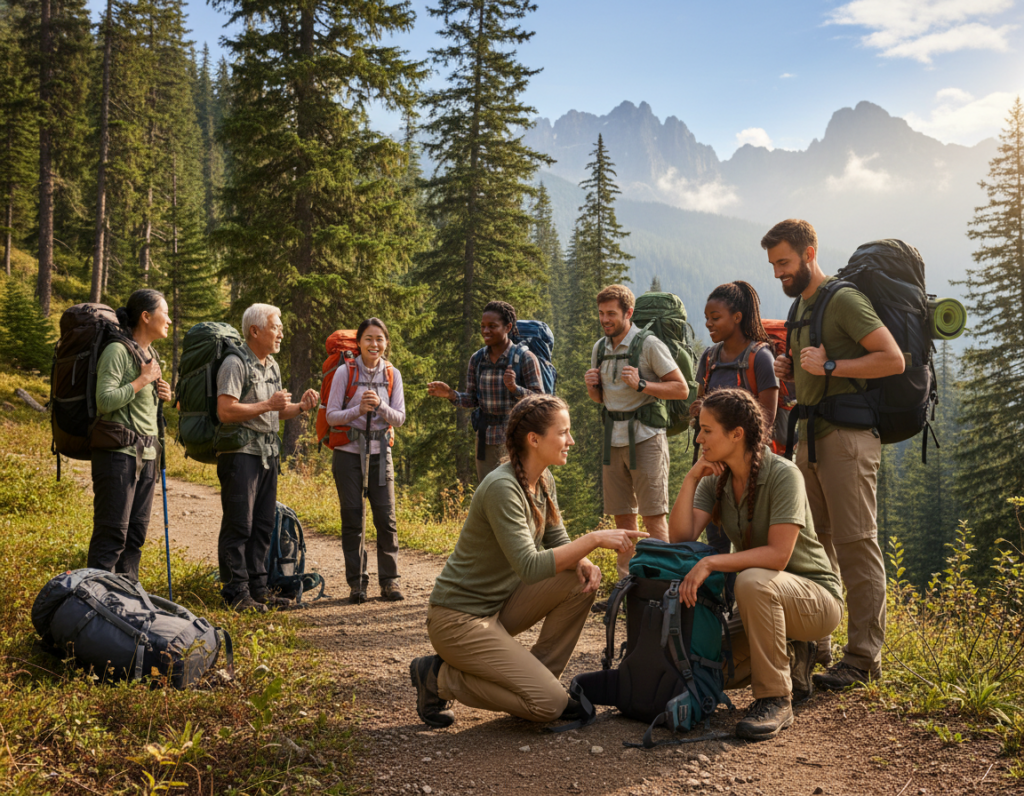
Proper gear makes a huge difference. Ill-fitting boots or heavy packs can slow even fit adventurers. Address equipment concerns early in the trip.
Adaptation isn’t about lowering standards. It’s about creating success for everyone. Experienced walkers can mentor others by sharing techniques and encouragement.
| Assessment Area | Key Questions | Adaptation Strategy |
|---|---|---|
| Distance Experience | Longest hike completed? | Adjust route length gradually |
| Elevation Comfort | Steepest climb attempted? | Add extra rest breaks |
| Gear Familiarity | Boots broken in properly? | Check equipment before starting |
| Communication Style | How do you signal fatigue? | Establish clear check-in system |
This approach ensures everyone enjoys the journey. Each person contributes unique strengths to the team dynamic.
Ensuring Safety and Enjoyment for All
Effective trail communication systems keep everyone connected and safe throughout the journey. I’ve learned that simple protocols prevent most problems before they start.
Communicating Effectively on the Trail
Establish clear signals before you begin. Agree on hand motions for stopping and verbal calls for obstacles.
Designate a sweep person to stay at the back. This team member ensures nobody gets left behind.
Maintain visual or voice contact between front and rear walkers. On wide paths, check in regularly.
Planning Regular Rest and Recovery Breaks
Schedule stops based on time or distance, not just exhaustion. Choose scenic spots or water sources.
Different teams need varied break frequencies. Beginners benefit from pauses every 30-45 minutes.
Experienced crews can often continue for 60-90 minutes between rests.
| Break Type | Frequency | Key Activities |
|---|---|---|
| Short Hydration | Every 30-45 min | Drink water, quick snack |
| Standard Rest | Every 60-90 min | Remove packs, address gear |
| Extended Lunch | Mid-day point | Full meal, mental reset |
Use breaks to hydrate, eat, and fix equipment issues. When some want to continue while others need more time, remember that staying together matters most.
Prioritizing safety over speed builds positive experiences. This approach encourages people to spend more time outdoors together.
Conclusion
The philosophy of “pole pole”—slowly, slowly—has reshaped how I approach every group adventure in nature. This mindset turns potential friction into shared strength.
Respecting each person’s comfortable rhythm while using breathing techniques and regular breaks creates cohesive experiences. These strategies benefit everyone on the trail.
Patience and practice make these approaches feel natural over time. Your team will develop its own unique rhythm and communication style.
The rewards extend far beyond completing the route. You’ll build deeper friendships and more meaningful connections with the outdoors.
Remember that the journey matters more than the destination. This creates space for conversations, photography, and simply being present.
Apply these principles on your next outing with friends or family. Embrace “pole pole” as a approach to adventure and life itself.
