Hiking Skills
Rocky Trail Footwork: Techniques That Beat Expensive Gear
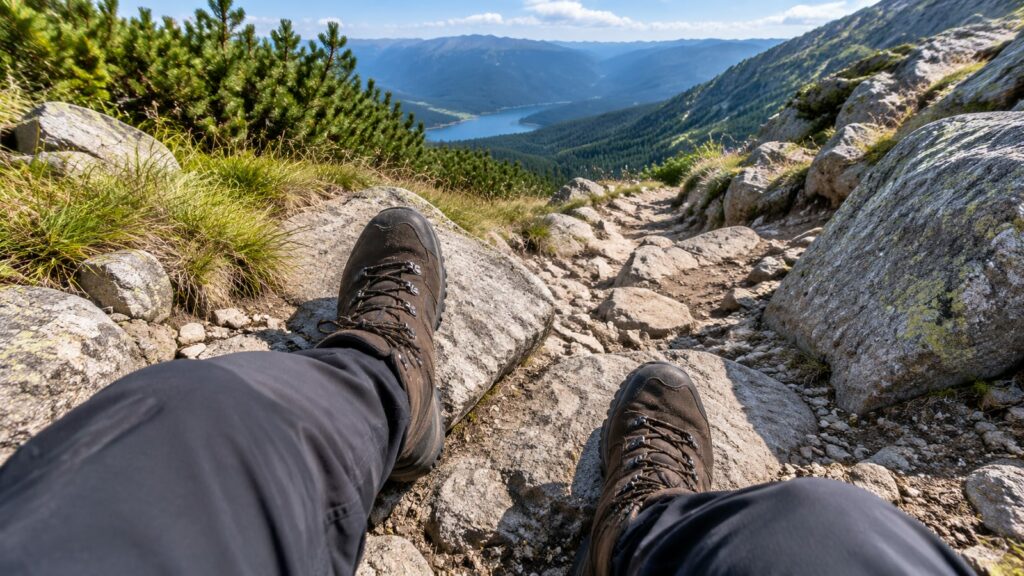
Master roughfooted technique for rocky trails: flat sole placement, controlled steps, and reading ahead prevent ankle rolls and tired legs on uneven ground.

Master roughfooted technique for rocky trails: flat sole placement, controlled steps, and reading ahead prevent ankle rolls and tired legs on uneven ground.
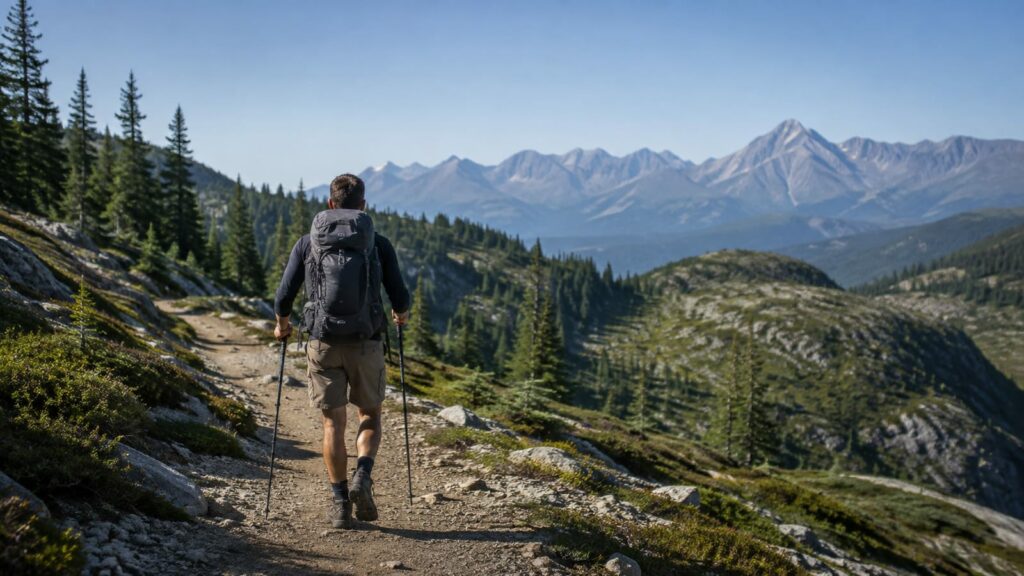
Steady pacing, careful foot placement, and junction checks keep you on marked hiking paths, with practical guidance for rough ground, heat, and descents.
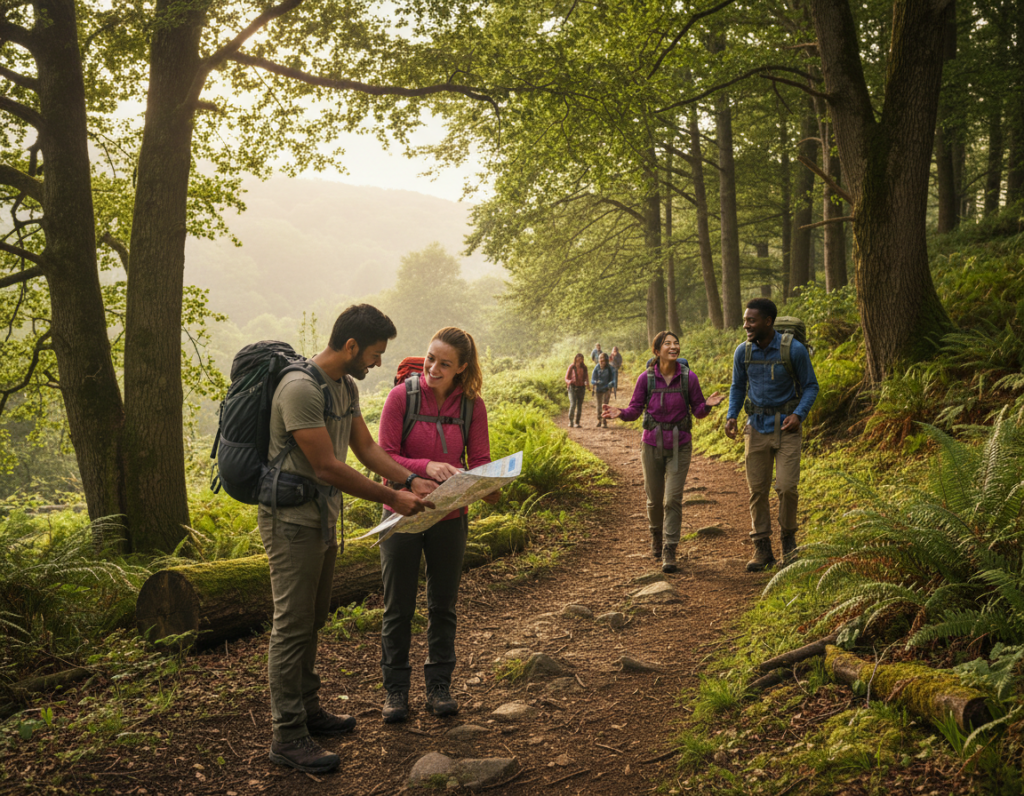
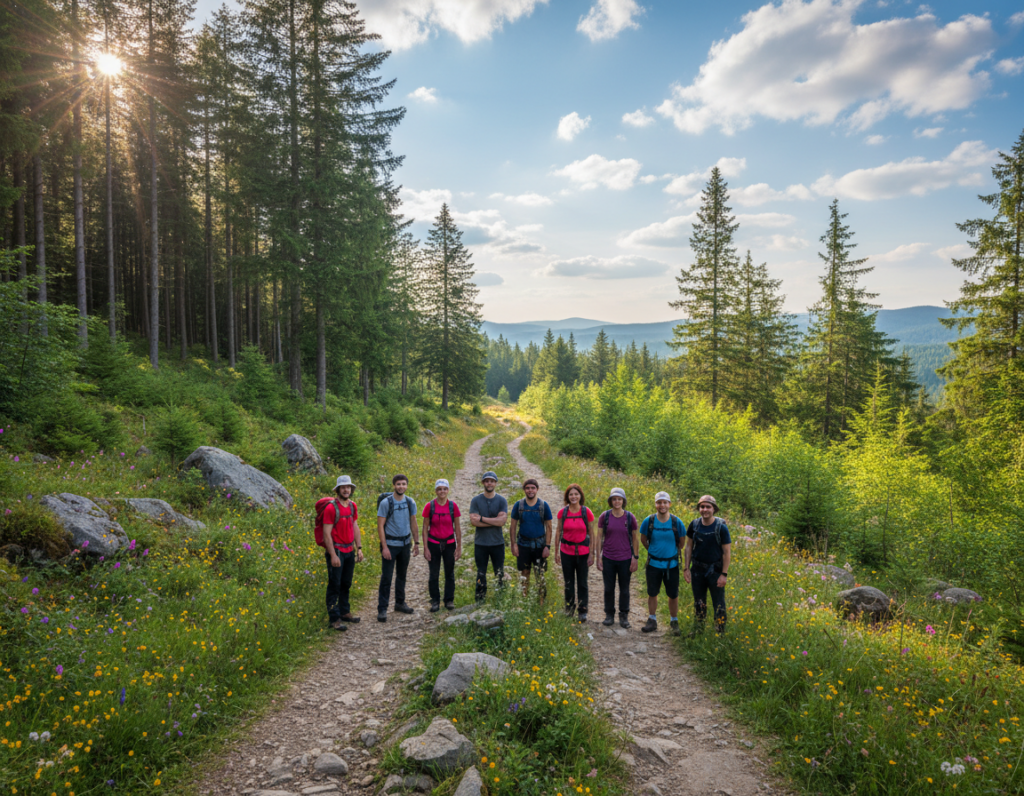
You’ve found your people, the trail is calling, but then reality hits—everyone walks at a different speed. This simple fact can turn a dream day outdoors into a source of tension if you don’t have a plan. It’s the most common challenge I see on the path, and handling it well makes all the difference. Why does pace management matter
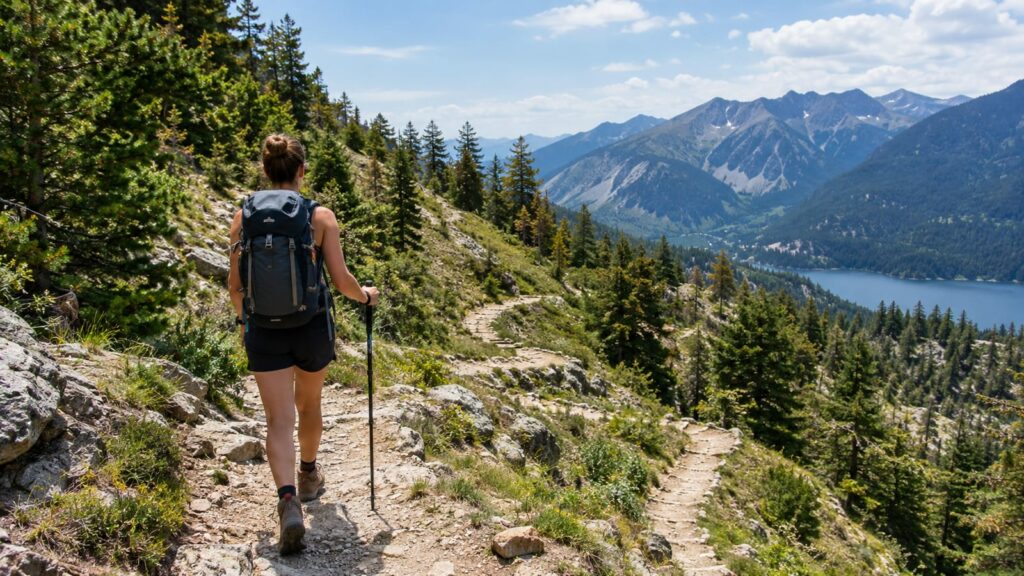
Switchbacks make steep climbs easier on your legs and kinder to the hillside. Learn how to pace them, use turns, and avoid damaging shortcuts.
That moment when your lungs burn and your legs feel like lead halfway up a mountain is a feeling many hikers know all too well. It’s not a lack of willpower—it’s a rhythm problem. Finding your sustainable cadence transforms a grueling ordeal into a rewarding adventure where you can truly absorb the beauty around you. Mastering your rhythm on the
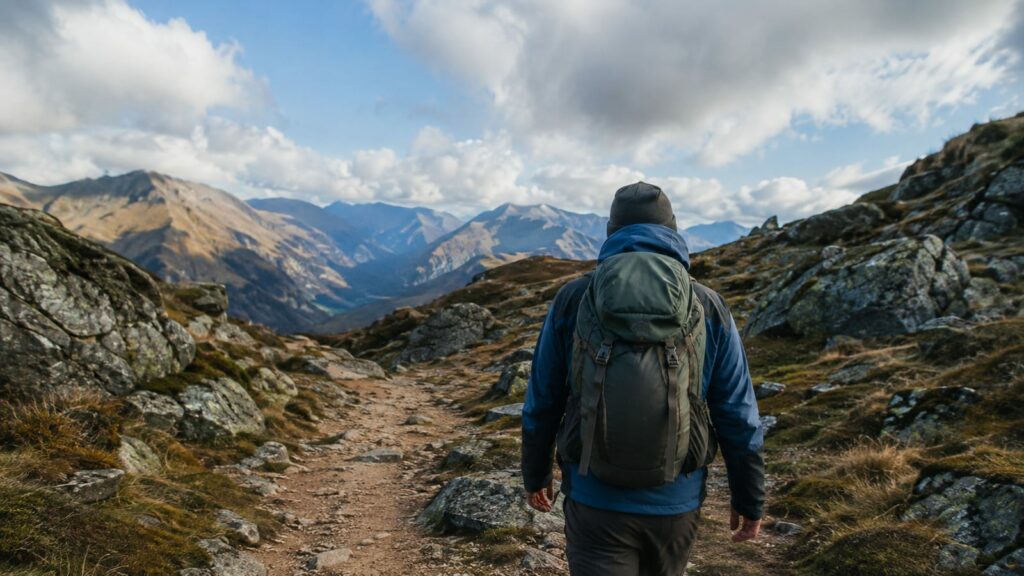
Use a sweat-moving base, breathable grid fleece, and light shell for comfortable hikes, with wind and synthetic insulation for exposed or cold stops.