
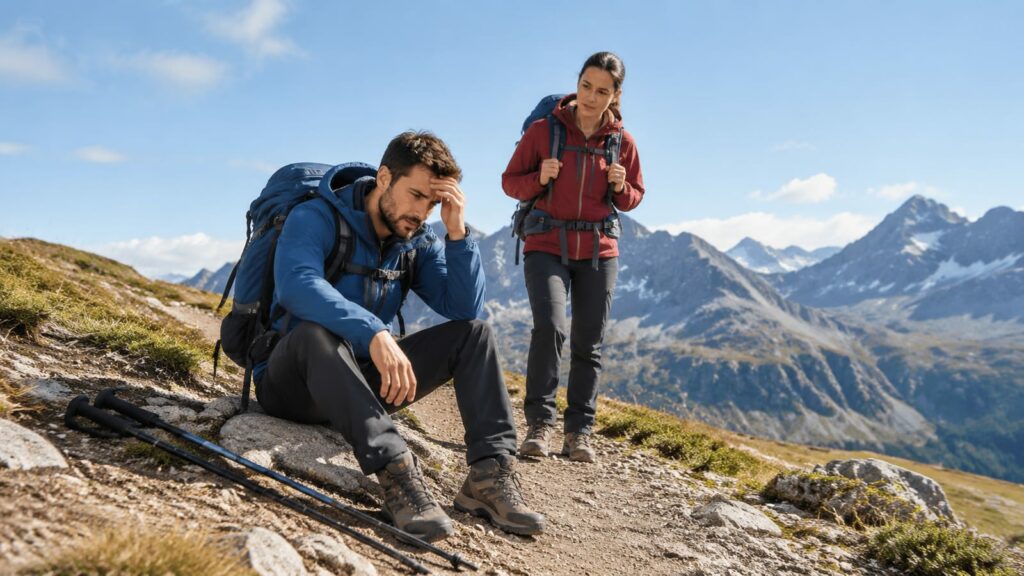
Start with a slow ascent and a hard stop when symptoms appear. The safest way to manage altitude sickness during high-elevation hikes is to rest, avoid sleeping higher, and descend when symptoms worsen or involve your brain or lungs. No medication, hydration plan, or tough-it-out attitude replaces losing elevation.
Last updated: 2026-09-16
Altitude sickness happens when your body hasn’t adjusted to thinner air. Fitness doesn’t protect you from it. A strong hiker can get sick, while a slower hiker may feel fine on the same trail.
Plan the ascent around acclimatization
Your itinerary has to fit your breathing. Rapid travel from low altitude to a high sleeping elevation raises the chance of acute mountain sickness because your body has less time to adjust.
For altitude illness acclimatization, avoid sleeping-altitude ascents to 2,750 m (9,000 ft) in one day. Above 3,000 m (9,800 ft), ascend no more than 500 m (1,650 ft) per night and add an acclimatization night for every 1,000 m (3,300 ft) gained.
That plan may cost you a summit day. It can also keep you from spending the summit day vomiting beside a trail sign. Build in rest days, lighter hiking, and a bailout point before you leave the trailhead.
A few practical rules help:
- Keep the first day at altitude easy.
- Increase sleeping elevation conservatively.
- Take a rest night before a major high point.
- Treat a poor night of sleep, headache, or nausea as information.
- Don’t let a reservation or permit force the next climb.
- Give yourself extra time if you’re traveling from near sea level.
“Climb high, sleep low” can help during acclimatization, but a large sleeping-altitude jump still raises risk. Day hiking higher and returning to a lower camp may be useful. Sleeping higher while symptoms are building is a poor bargain.
For a deeper planning guide, see our article on altitude acclimation for high-elevation hiking.
Recognize early symptoms of acute mountain sickness
Acute mountain sickness, or AMS, usually starts with a headache plus other symptoms that feel out of proportion to the hike. Watch for:
- Headache
- Nausea
- Dizziness
- Unusual fatigue
- Poor appetite
- Trouble sleeping
- A noticeable drop in coordination or normal judgment
A hard climb can leave you tired and hungry. That alone doesn’t prove altitude sickness. The concern rises when fatigue comes with a headache, nausea, dizziness, or a strange lack of interest in food.
Pay attention to the pattern. A sore calf after a steep switchback is a trail problem. A headache, nausea, and poor coordination after gaining elevation need a different response.
Your hiking partner may notice the change first. If someone becomes unusually quiet, careless, irritable, or slow to answer, ask direct questions and watch how they walk. A person who insists they’re fine may be the least reliable judge of that claim.
How do you manage altitude sickness during high-elevation hikes?
Use this response as soon as symptoms appear:
- Stop gaining elevation. Stay where you are and don’t continue toward the pass, ridge, or summit.
- Tell your group. Don’t hide symptoms to protect the schedule.
- Check for danger signs. Confusion, severe breathing trouble, or loss of coordination changes the plan immediately.
- Rest in a warm, sheltered place. Get out of wind and reduce pack rub and unnecessary effort.
- Eat and drink modestly. Take fluids with electrolytes when needed, and eat easy calories if you can tolerate them.
- Recheck symptoms. Improvement matters. A steady decline matters more.
- Descend if symptoms worsen or persist. Don’t wait for the planned turnaround if the person is getting worse.
The key rule is simple: don’t sleep higher while symptoms are present or worsening. Resting at the same elevation may be reasonable for mild symptoms that improve. If they don’t improve, the trail needs to go down.
Treat mild symptoms immediately on the trail
Mild symptoms deserve attention before they become a rescue problem. Stop, loosen the pack, add a layer, and let the person rest in shelter. Cold, wind, sweat, and pack weight can make poor judgment arrive faster.
Drink to thirst. Add electrolytes if you’ve been sweating, eating poorly, or replacing fluid without much salt. Don’t force huge amounts of plain water. Dangerous overhydration can cause confusion, headache, nausea, and weakness that look a lot like altitude illness.
Food matters because a long climb burns through easy energy. Choose carbohydrates you can eat without much effort, such as snacks, bars, dried fruit, crackers, or a warm meal. If appetite is poor, small portions are easier than a full dinner.
Over-the-counter pain relief may help a headache, but use it carefully. It should make rest more comfortable, not make it possible to keep climbing. If the headache returns, worsens, or joins nausea, dizziness, confusion, or poor coordination, stop treating the symptom as a minor nuisance.
Warmth is part of treatment. A person who is cold, wet, or shaking needs insulation before you start debating the itinerary.
Descend for worsening or persistent symptoms
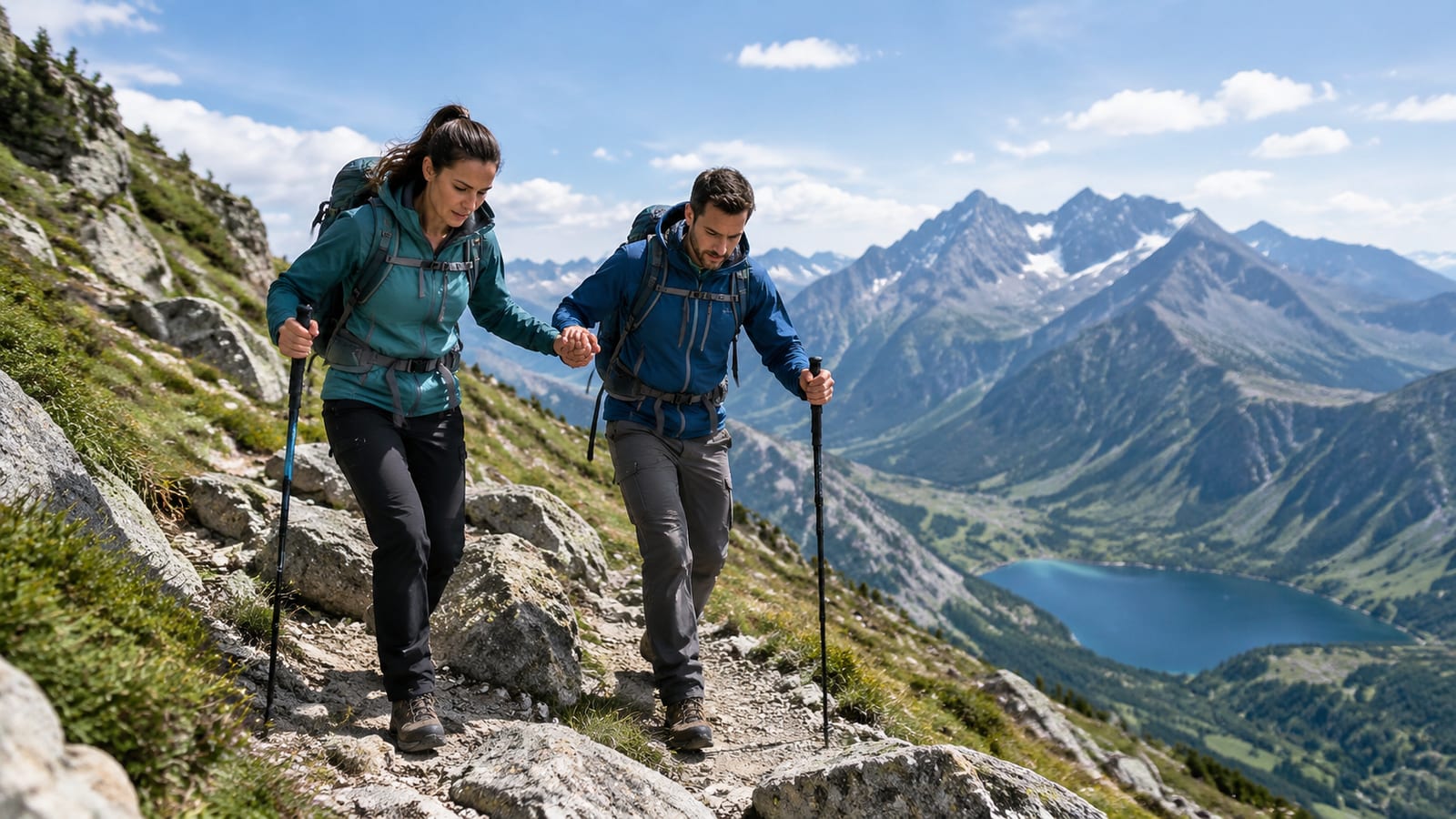
Worsening AMS requires loss of elevation. The recommended descent for worsening acute mountain sickness is at least 300 meters (1,000 feet).
That descent may improve symptoms, but the person still needs monitoring. Go farther down if symptoms don’t improve, and choose the safest route rather than the shortest line on a map. Loose rock, darkness, river crossings, and a tired group can turn a simple descent into a second emergency.
Don’t wait for the planned turnaround. Don’t wait for a rescue team if the person can descend safely with help. Rescue takes time, and a sick hiker may deteriorate while the group stands still beside the trail.
If walking is unsafe, keep the person warm and get emergency help. Use oxygen or a portable hyperbaric chamber only if trained people have them and know how to use them. Those tools can buy time. Descent remains the fix for dangerous altitude illness.
Medication is prevention or backup
Medication can reduce risk for some hikers, especially those with a short approach, a rapid travel schedule, or a history of altitude sickness. It doesn’t turn a fast ascent into a safe one.
A clinician may prescribe acetazolamide for prevention or treatment. Discuss allergies, kidney problems, pregnancy, other medications, and prior reactions before the trip. Side effects can include tingling, increased urination, and changes in taste.
Dexamethasone may be used in specific situations under medical guidance. It can reduce brain swelling, but it doesn’t acclimatize your body. Symptoms can return after the drug wears off if you remain too high.
Medication choices belong in a pre-trip medical conversation. The National Library of Medicine information on acetazolamide explains why this drug needs proper instructions rather than a borrowed tablet from a friend.
Never use medication to ignore confusion, poor coordination, severe breathing trouble, or a worsening headache. That sounds better on a packing list than on a mountain.
Keep hydration, food, and alcohol practical
Altitude makes people overthink water. Carry enough for the route and drink when thirsty. You don’t need to turn every rest stop into a forced hydration drill.
Watch for common trouble signs:
- Dark urine with thirst
- Dry mouth
- Dizziness when standing
- Cramping
- Headache after sweating
- Unusual weakness
Dehydration can make a hard hike feel worse, but it doesn’t explain every altitude symptom. If rest and sensible fluids don’t help, stop blaming the water bottle.
Eat during long efforts, even if the appetite signal is weak. Carbohydrates are usually the easiest fuel to manage on a demanding climb. Warm food can also help when cold, fatigue, and poor appetite start working together.
Skip alcohol early in an altitude trip. Avoid sedatives unless a clinician has specifically told you how to use them. Both can worsen sleep, judgment, and breathing concerns. A poor night of sleep is common at altitude, but heavy snoring, pauses in breathing, or unusual daytime confusion deserve medical attention.
Read our guide to staying hydrated on long hikes for practical water planning that doesn’t rely on overdrinking.
Know the signs of high-altitude cerebral edema
High-altitude cerebral edema, or HACE, is generally regarded as late- or end-stage acute mountain sickness. It is a severe, life-threatening emergency that can lead to death within 12-24 hours if untreated.
Watch for:
- Confusion or altered mental status
- Severe headache
- Loss of coordination
- Unusual behavior
- Drowsiness
- Inability to walk straight
- Trouble following simple instructions
Confusion or altered mental status is a defining sign of HACE requiring emergency descent. Don’t wait to see if a snack, pain reliever, or long rest fixes it.
Get the person down immediately with help. Keep them warm, stay with them, and contact emergency services or the local rescue system. If they can’t walk safely, protect them from falls and prepare for assisted evacuation.
A person with HACE may deny being sick. That denial makes the situation more dangerous.
Know the signs of high-altitude pulmonary edema
High-altitude pulmonary edema, or HAPE, is fluid buildup in the lungs. It can worsen quickly, and immediate descent is the only curative treatment for severe high-altitude illnesses such as HAPE.
Treat these signs as life-threatening:
- Breathlessness while resting
- A worsening cough
- Frothy or pink sputum
- Chest tightness
- Blue lips
- A rapid decline in exercise ability
A hiker who suddenly needs frequent stops on ground they handled earlier may be in trouble. Don’t explain it away as a heavy pack or a slow morning.
Stop the ascent and begin immediate descent. Get emergency help at the same time. Keep the person warm and upright if that makes breathing easier. Supplemental oxygen may help if trained rescuers have it, but waiting for oxygen while staying high is dangerous.
For HAPE, descent is the definitive treatment. The summit is not worth a lung emergency.
Build a trail response plan before leaving
Altitude problems become harder when nobody has decided what happens next. Make the plan while everyone is warm, fed, and still interested in the map.
Set these rules before the hike:
- Pair up for buddy checks.
- Agree that symptoms stop the ascent.
- Choose a turnaround point based on conditions and daylight.
- Identify the safest descent route.
- Carry extra warmth for an unplanned delay.
- Keep communication devices charged.
- Tell someone at home the route and return plan.
- Know how your group will contact rescue.
- Decide who stays with a sick hiker.
- Pack enough food and water for a slower exit.
Check each other at breaks. Ask about headache, nausea, balance, breathing, and judgment. A vague “How are you?” often gets an automatic “Fine.” Specific questions get better answers.
Keep the group together above the planned sleeping elevation. A fast hiker who reaches the summit while another person is deteriorating has created a management problem, not a success story.
When conditions change, use the bailout point. Wind, storms, mud, poor visibility, and a late return all reduce your margin. Descent takes priority over reaching the summit.
When should you seek medical help?
Contact a clinician before the trip if you’ve had altitude illness before, have heart or lung disease, take regular medication, or plan a rapid ascent. Ask about preventive medication and how your health history changes the plan.
Seek emergency help during the hike for:
- Confusion or loss of consciousness
- Inability to walk straight
- Breathlessness at rest
- Blue lips
- Frothy or pink sputum
- Severe or worsening headache
- Rapid decline despite rest
- Symptoms that continue after descent
- Suspected HACE or HAPE
A failed descent needs medical attention. So does any severe episode, even if the person later seems better. Symptoms can return, and a brief improvement doesn’t erase what happened.
If you’re unsure, choose the safer call. A canceled summit costs a day. A delayed descent can cost far more.
What to carry for altitude illness
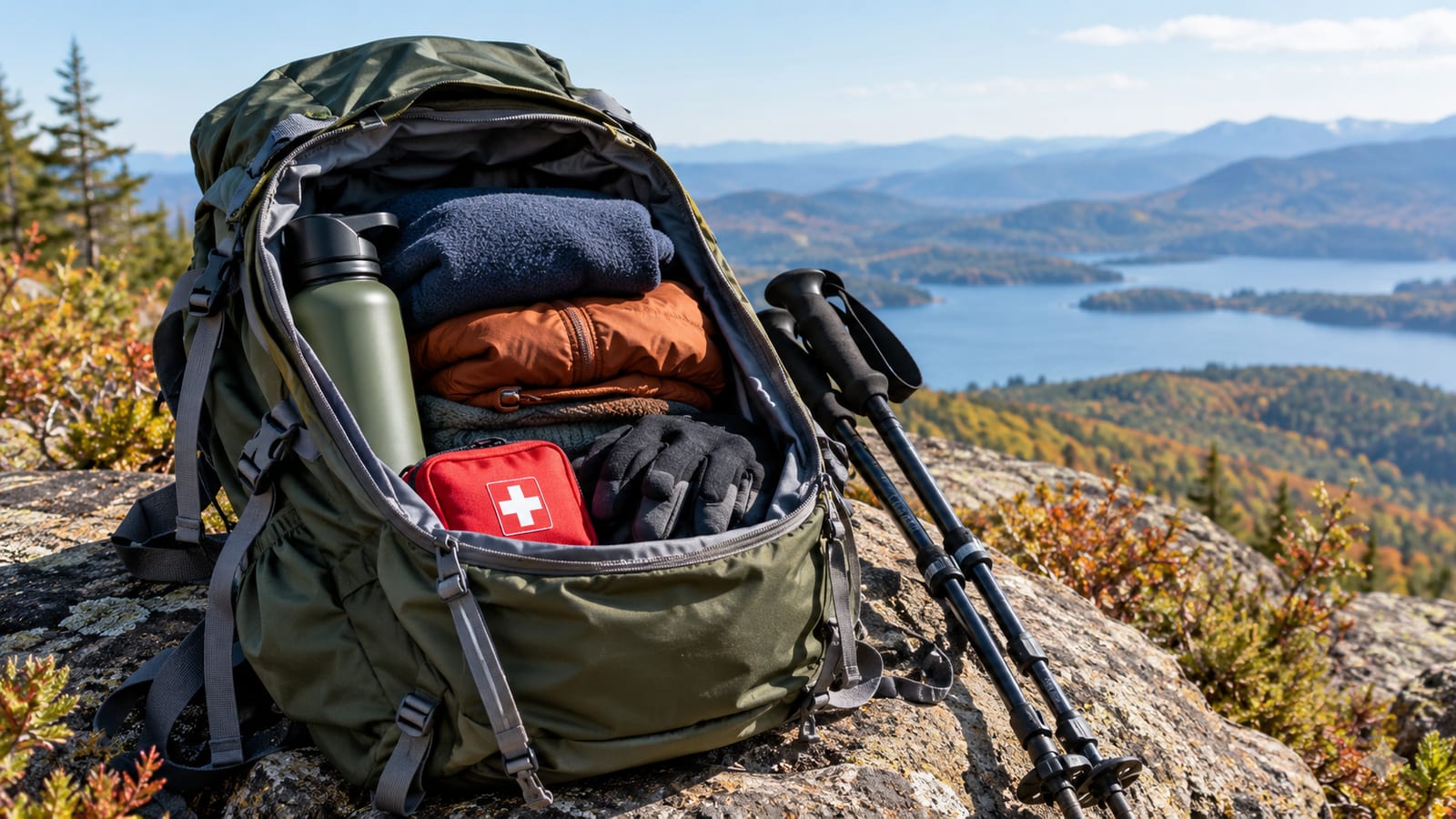
Keep the response gear simple and reachable:
- Insulating layer and rain shell
- Water and electrolyte mix
- Easy-to-eat carbohydrates
- First-aid supplies
- Personal medications
- Headlamp
- Charged communication device
- Paper route information
- Emergency shelter for an unplanned stop
Store the warm layer where you can reach it without unpacking everything. The bottom of the pack is a poor place for the item you need when the weather turns.
FAQ
Can fit hikers still get altitude sickness?
Yes. Fitness helps you handle effort, but it doesn’t guarantee acclimatization. Someone who runs regularly can still develop AMS after a rapid rise in sleeping elevation.
Can you hike through a mild altitude headache?
No. Stop gaining elevation and monitor the headache with any other symptoms. If it worsens, fails to improve, or joins nausea, dizziness, or poor coordination, descend.
Does drinking more water prevent altitude sickness?
No. Drink to thirst and replace fluids lost through sweat. Forced overhydration can create its own dangerous problems and won’t replace gradual acclimatization.
Should you descend alone if your partner becomes confused?
No. Stay with the person and get emergency help while arranging a safe descent. Confusion can signal HACE, and an unsteady hiker may fall or wander from the route.
How long should you wait after a severe altitude episode before hiking high again?
Ask a clinician before returning to high elevation. Severe symptoms, loss of consciousness, HACE, and HAPE need medical review rather than a personal guess at the trailhead.
