Walk Farther With Less Effort on Long Trails
Shorten your stride, improve foot placement, and pace your effort to stay balanced and comfortable on long trails, even when fatigue sets in.
Get the most recent gear reviews, tips, and guides. Read our newest articles to stay up to date on all things related to camping and hiking.

Shorten your stride, improve foot placement, and pace your effort to stay balanced and comfortable on long trails, even when fatigue sets in.

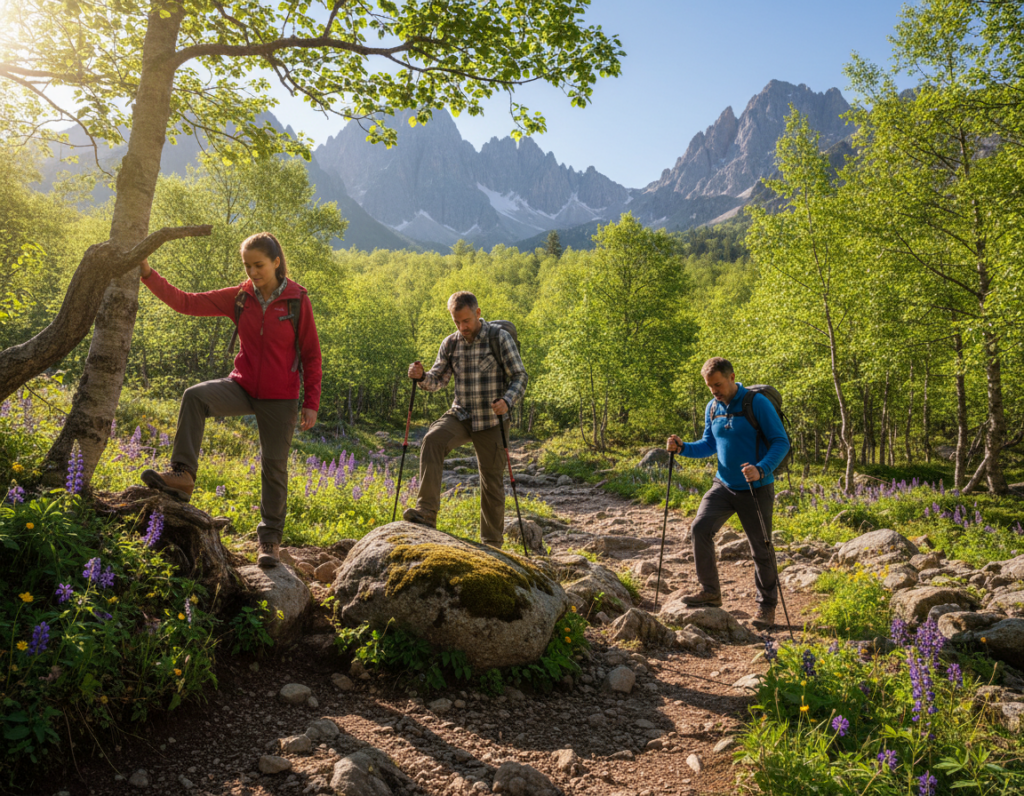
You’ve found your people, the trail is calling, but then reality hits—everyone walks at a different speed. This simple fact can turn a dream day outdoors into a source of tension if you don’t have a plan. It’s the most common challenge I see on the path, and handling it well makes all the difference. Why does pace management matter

A switchback spreads elevation over a longer zigzag so legs and hillsides take less damage. Stay on the tread, keep a steady pace, and never cut corners.

That moment when your lungs burn and your legs feel like lead halfway up a mountain is a feeling many hikers know all too well. It’s not a lack of willpower—it’s a rhythm problem. Finding your sustainable cadence transforms a grueling ordeal into a rewarding adventure where you can truly absorb the beauty around you. Mastering your rhythm on the

Use a sweat-moving base, breathable grid fleece, and light shell for comfortable hikes, with wind and synthetic insulation for exposed or cold stops.

hiking clothes hot weather is more than fashion—it’s survival on exposed trails. The right kit keeps you cool, blocks sun, and stops sweat from wrecking your day. I speak from long summer miles: choose UPF 50+ tops or sun hoodies, breathable tanks, quick-dry shorts, and convertible pants for variable conditions. Pick mesh-vented daypacks like Osprey Sirrus to cut back sweat