
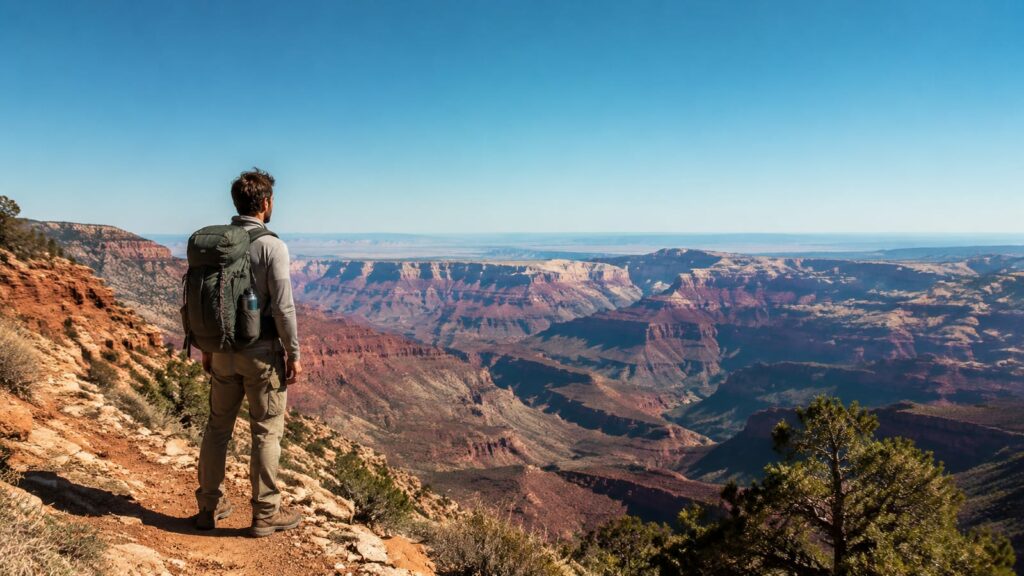
There isn't a marked "cave" trail in Palo Duro Canyon, and you shouldn't drive to the Texas Panhandle expecting a real cavern to walk into. What people mean by palo duro canyon caves are shallow rock overhangs and eroded alcoves along popular routes like the Lighthouse Trail and the Rock Garden area. You reach them on foot in sturdy shoes with real water, not with a helmet and rope. Set your expectations there and the park delivers; go looking for a lit cave tour and you'll leave disappointed.
Are there real caves in Palo Duro Canyon?
No. There are no true caverns in the park, so leave the caving gear at home.
The features people photograph and call caves are wind- and water-carved pockets in soft rock. Some are deep enough to sit under and get shade. None go anywhere. You will not need a headlamp for a passage, because there is no passage.
The rock here is old. The layered formations across Palo Duro Canyon run to about 250 million years old, and that long weathering is exactly what carves the overhangs and hoodoos you came to see. Think eroded alcove, not underground chamber.
This matters for what you pack. A false picture sends people out in flimsy sneakers thinking they'll be "in a cave" and out of the sun. You won't be. You'll be on an exposed trail with a brief patch of shade at the end.
Which trails actually lead to the caves and rock formations?
The Lighthouse Trail is the one most people want, because its spur ends among tall hoodoos and undercut rock with cave-like alcoves. It's the signature landmark and the busiest path in the park.
For lower effort, the Rock Garden and Sunflower area gives you eroded formations without the full out-and-back to the Lighthouse. You get similar textures and overhangs with less distance and less climbing.
A few things hold up on foot here:
- Lighthouse Trail spur: the payoff formations, but you earn the last stretch with a short scramble.
- Rock Garden: boulders and pockets, steeper and rockier underfoot in places.
- Sunflower Trail: easier walking to eroded features if you don't want a long day.
Skip the treasure-map approach of chasing a specific "secret cave" someone tagged online. The named trails get you to everything worth seeing.
How hard is the hike to the Lighthouse and its cave-like formations?
The walk in is easier than the finish. Most of the Lighthouse Trail is flat to gently rolling across open canyon floor, so the mileage feels friendly until the end.
Then the last push climbs. The final approach to the base of the formations gets steep, loose, and rocky, and that's where people underestimate it. Footing turns to gravel over hardpack, and going down is harder on the knees than going up.
Heat does more damage than grade here. The route is exposed nearly the whole way, so a moderate hike becomes a hard one on a hot afternoon. Start early and it's within reach for most reasonably fit hikers.
Wear real trail shoes with grip. Smooth-soled sneakers slide on the final scramble, and that's how a fun day turns into a twisted ankle.
Picking a distance that fits your time and energy
Match the route to how much you've got left in the tank, not to what sounds impressive. The full Lighthouse out-and-back is the long option, and in Panhandle heat it eats a bigger chunk of the day than the distance suggests.
Here's a rough way to choose:
| You want | Pick this | Trade-off |
|---|---|---|
| Formations with least effort | Rock Garden / Sunflower area | Less iconic than the Lighthouse |
| The signature landmark | Full Lighthouse out-and-back | Longer, exposed, steep finish |
| A short leg-stretcher | Any canyon-floor spur near a lot | You skip the best alcoves |
If you only have a couple of hours or the forecast is brutal, take a shorter formation walk and save the Lighthouse for a cooler morning. There's no medal for finishing the long one half-cooked.
How much water and sun protection do you actually need?
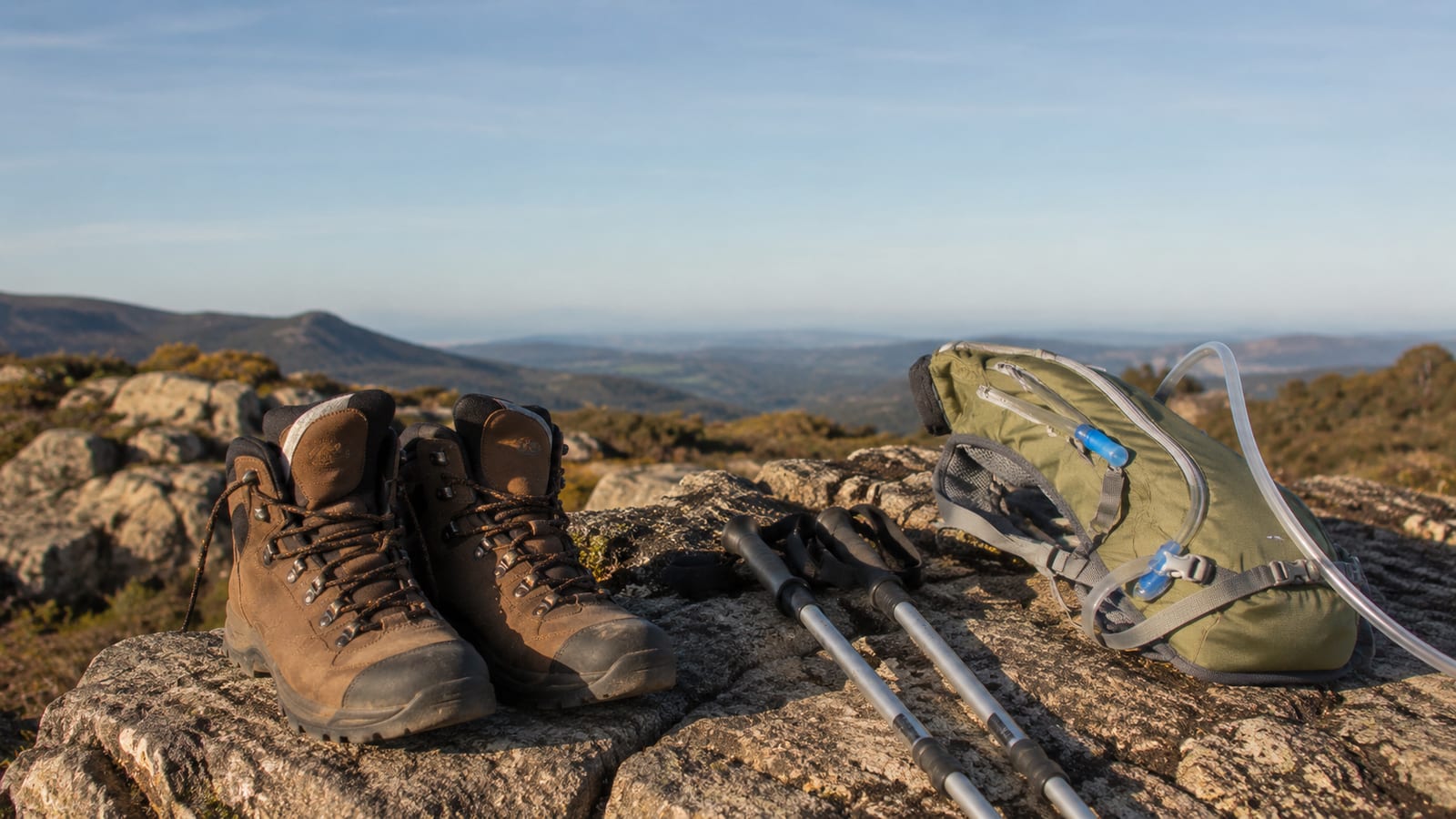
Carry more water than feels reasonable, because there's almost no shade and the canyon traps heat. For the Lighthouse in summer, plan on multiple liters per person, and don't ration it to make it stretch. Running out two miles from the car is the classic Palo Duro mistake.
Cover up instead of relying on the alcoves for shade. The overhangs give you a break at the end, not along the way.
Bring these and actually use them:
- A wide-brim hat and sunglasses, not just sunscreen.
- A light long-sleeve sun shirt that dries fast and beats reapplying lotion.
- Electrolytes, because plain water alone leaves you flat on a long hot carry.
- A plan to turn around if you feel dizzy or stop sweating.
The U.S. National Weather Service heat safety guidance is worth a read before a summer trip. Heat illness sneaks up on people who felt fine an hour earlier.
Can you bring your dog to the caves and rock formations?
Dogs are allowed in the park on leash, so yes, but the ground is the real question, not the rules. That final scramble to the Lighthouse formations is rough on paws, and the open trail radiates heat straight up into a dog all day.
Rock gets hot enough to burn pads. Press the back of your hand to the trail for a few seconds; if you can't hold it there, your dog shouldn't be walking on it.
For a dog, the shorter formation walks beat the full Lighthouse push. Carry water for the dog too, watch for heavy panting, and turn back early rather than pushing a struggling animal up a loose slope. On a hot day, the honest call is to leave the dog cool at home.
Where should you park and start for the easiest access?
Start at the Lighthouse trailhead lot for the signature formations; it's the obvious hub and it fills fast on weekends. Get there early, both for a space and to beat the heat.
If that lot is jammed, don't circle it. Drive to a pullout nearer the Rock Garden or Sunflower area and take a shorter route to eroded features instead. You lose the Lighthouse but keep your morning.
The park sits near Amarillo and Canyon, so plan the drive in and buy your entry ahead if you can. Check current trail status on the official Palo Duro Canyon State Park page before you go, since sections close after storms wash out footing.
Does the difficulty change by season?
Yes, and heat is the deciding factor, not distance. Summer is the hardest time to reach the formations, because the exposed trail bakes and midday climbs turn dangerous. A route that's pleasant in March punishes you in July.
Shoulder-season is the sweet spot. Spring and fall give you cooler air, better footing, and enough daylight without the brutal sun. Winter is fine on clear days, though early ice on the shaded rock near the alcoves makes the final scramble slick.
If you must go in summer, go at first light and be walking back before the heat peaks. Afternoon starts are how people end up sitting under an overhang waiting out a heat headache instead of enjoying the view.
For more Texas options, see our guide to cave trails near Austin and San Antonio, or browse hikes that lead through real caves and caverns if you want an actual underground trip.
FAQ
Do I need a permit or ticket to hike to the formations?
You need park entry, and reserving it ahead saves you a wait at the gate on busy days. No special caving permit exists because there's nothing to permit. Check the park site for current entry rules before driving out.
Can beginners handle the Lighthouse Trail?
Yes, if they start early and respect the heat. The walking is easy until the steep, loose finish, which is the only technical part. Beginners struggle more with sun and water planning than with the terrain itself.
Are the overhangs safe to sit or climb under?
The stable alcoves are fine to rest under, but don't climb on crumbling ledges or wedge into tight pockets. The rock is soft and pieces do come loose. Enjoy the shade at ground level and leave the scrambling on fragile formations alone.
Is there any lit or guided cave tour like other Texas parks?
No. If you want a developed, guided cave, this isn't the park for it. Palo Duro is about canyon hiking and eroded rock, not underground tours.
When is the best time of day to photograph the formations?
Early morning and late afternoon, when low light rakes across the hoodoos and deepens the color. Midday flattens everything and cooks you while you wait. Golden hour also lines up with the cooler, safer times to be out there.
