
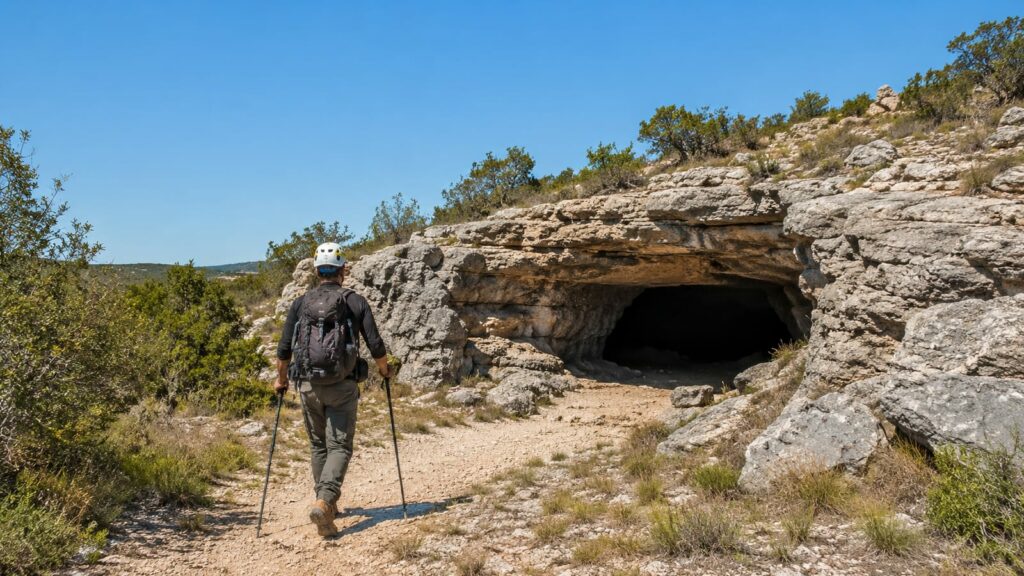
Natural Bridge Caverns is the strongest all-around answer for the best cave trails in Texas near Austin and San Antonio. You get dependable Hill Country walking, several guided cavern options, and enough above-ground activity to fill a half-day or longer. Cave Without a Name is quieter and less polished. Colorado Bend State Park is the better choice if hiking miles matters more than guaranteed underground access.
Last updated: 2026-09-02
Texas has more than 5,600 documented caves, but most aren’t public hiking destinations. Many are gated, protected, privately owned, or tour-only. Plan for a guided cavern visit unless you’re choosing a surface trail with a cave feature.
What are the best cave trails in Texas near Austin and San Antonio?
The right pick depends on how much walking you want before the cave, how much driving you’ll accept, and whether you need a scheduled underground tour.
| Place | Best for | Cave access | Hiking effort | Budget call |
|---|---|---|---|---|
| Natural Bridge Caverns | Families and first-time visitors | Guided tours | Short surface walks to more demanding adventure routes | Worth it for a full outing, but add-ons raise the bill |
| Cave Without a Name | A quieter cavern visit | Guided tour | Limited above-ground walking | Worth it if atmosphere matters more than trail miles |
| Inner Space Cavern | Easy Austin-area logistics | Guided tours, including a wild cave option | Little surface hiking | Best budget-style choice for a simple cave stop |
| Longhorn Cavern State Park | Cave tour plus short Hill Country walks | Guided tour | Easy walking and overlooks | Worth it if you’re already heading northwest |
| Cascade Caverns | Smaller group experience | Guided tour | Modest surface walking | Keep it simple if you prefer a less crowded tour |
| Colorado Bend State Park | Real hiking and rugged terrain | Guided cave tours by schedule | More than 35 miles of park trails | Best budget pick for hikers who want a park day |
| Kickapoo Cavern State Park | Remote, low-crowd caving | Scheduled tour | Difficult cave tour and park trails | Good value, but the drive demands a full plan |
| Devil’s Sinkhole State Natural Area | Sinkhole and bat experiences | Guided tours | Short nature walks and rim trails | Worth it for the feature, not for a long hike |
1. Natural Bridge Caverns
Natural Bridge Caverns is the best overall choice for families, first-time visitors, and anyone who wants a real outing instead of a quick underground look. Its standard cavern tours are approachable, while Discovery Caverns and Hidden Passages give stronger hikers more to think about.
The catch is cost. Admission, tour upgrades, food, parking, and extra attractions can turn a simple cave visit into an expensive family day. The zip lines and maze are fine filler, but they don’t make the cavern itself better.
Choose the standard walking tour at Longhorn Cavern State Park if you’re bringing young children, managing a bad knee, or saving energy for the surface trails. Choose an adventure tour only if you’re comfortable with stairs, mud, tight spaces, and several hours of physical effort. Adventure tours have height and weight rules, including a maximum weight of 300 pounds.
Verdict: Keep it for the widest range of cave and hiking options. Skip the add-ons unless your group will actually use them.
2. Cave Without a Name
Cave Without a Name is the better cavern for visitors who dislike a theme-park atmosphere. The guided tour focuses on formations and the underground setting, while the above-ground visit stays quieter and less crowded.
That calmer feel comes with a clear limit. There isn’t much surface hiking, so this won’t satisfy you if “cave trail” means a long route through the Hill Country. You’re going for the cavern itself.
Verdict: Worth the drive for a quieter guided experience. Skip it if you want trail miles.
3. Inner Space Cavern
Inner Space Cavern is the easiest Austin-area cave stop for dependable logistics. It sits in Georgetown, about an hour north of Austin, and the standard tour follows a well-lit pathway through a living cavern.
The cavern stays at 72 degrees Fahrenheit year-round. That makes it a smart summer escape when the surface trail is hot enough to turn your shirt into a damp towel. It was discovered in the spring of 1963 during Interstate 35 construction and opened to the public in 1966.
Inner Space also offers a Wild Cave tour. It’s the most challenging tour and runs on Saturdays and Sundays for guests 13 and older. That experience suits teenagers and adults who want crawling and rougher movement, not families looking for an easy walk underground.
Verdict: Best for easy access, families, and hot-weather plans. The standard tour is a cave visit, not a meaningful hiking route.
4. Longhorn Cavern State Park
Longhorn Cavern State Park works well when you want a guided cave tour plus short Hill Country walks. It’s about 1.5 hours northwest of Austin, so it makes more sense as part of a Burnet-area day than as a quick detour from San Antonio.
The guided walking tour reaches 130 feet down. Above ground, the park offers easy walking, overlooks, and historic stonework. You can enjoy the surface without booking a cavern tour, but the underground visit is the reason to make the drive.
Verdict: Worth it for a relaxed cave-and-scenery day. Skip it for a strenuous hike or a short trip from San Antonio.
5. Cascade Caverns
Cascade Caverns suits visitors who prefer a smaller-group cavern experience near Boerne. The attraction range is modest, and the surface trail mileage won’t compete with Colorado Bend or a full state park day.
That restraint is part of the appeal. You’re less likely to feel pushed into turning the visit into a full day of paid extras. Still, don’t arrive expecting a cave hike that takes over the day.
Verdict: Keep it for an intimate guided tour. Skip it if you want long trails or several above-ground activities.
6. Colorado Bend State Park
Colorado Bend State Park is the best hiking-first option on this list. It’s about two hours northwest of Austin and has more than 35 miles of trails, rugged limestone terrain, springs, and guided cave tours.
The Gorman Falls trail is 3 miles round trip. The Colorado Bend River Trail is moderate. These are real trail outings, with uneven footing, heat, rocks, and enough walking to make your legs notice the return trip.
Cave tours can be booked online through Colorado Bend State Park. The park entry fee is $5 per day per person age 13 and older, which makes it the clearest budget pick for hikers who want a full park day.
Verdict: Worth the longer drive if the hike matters most. Don’t choose it for a guaranteed easy cavern tour.
7. Kickapoo Cavern State Park
Kickapoo Cavern State Park is for people who enjoy planning around a remote destination. The Kickapoo Cavern Tour takes 2 hr. 30 min., covers 1.50 miles, and is rated difficult.
The park charges $3 per adult daily, and children 12 years and under enter free. Those fees are friendly to a family budget, but the remote setting is the real cost. Check the tour schedule before driving out, then leave room for delays, fuel, and a bailout plan if the weather turns ugly.
Verdict: Worth it for a quiet, scheduled caving trip. Skip it for a casual half-day near Austin or San Antonio.
8. Devil’s Sinkhole State Natural Area
Devil’s Sinkhole State Natural Area is a specialized stop built around a dramatic vertical sinkhole and guided wildlife experiences. It’s closer to a protected natural feature visit than a normal cave trail.
The Ranch Road Nature Walk covers 1.2 mi, takes 45 to 60 minutes, and is easy. The Sinkhole Rim Trail covers 1.8 mi, takes 1 to 1.5 hours, and is moderate. Morning tours cost $20 for adults and $10 for children 11 and younger. Evening bat flight tours cost $14 for adults, $11 for seniors 65 and up, $6 for children 4 to 12, and children under 4 enter free.
Verdict: Worth it if the sinkhole and bats are the point. Skip it if you want underground walking through formations.
What counts as a cave trail?
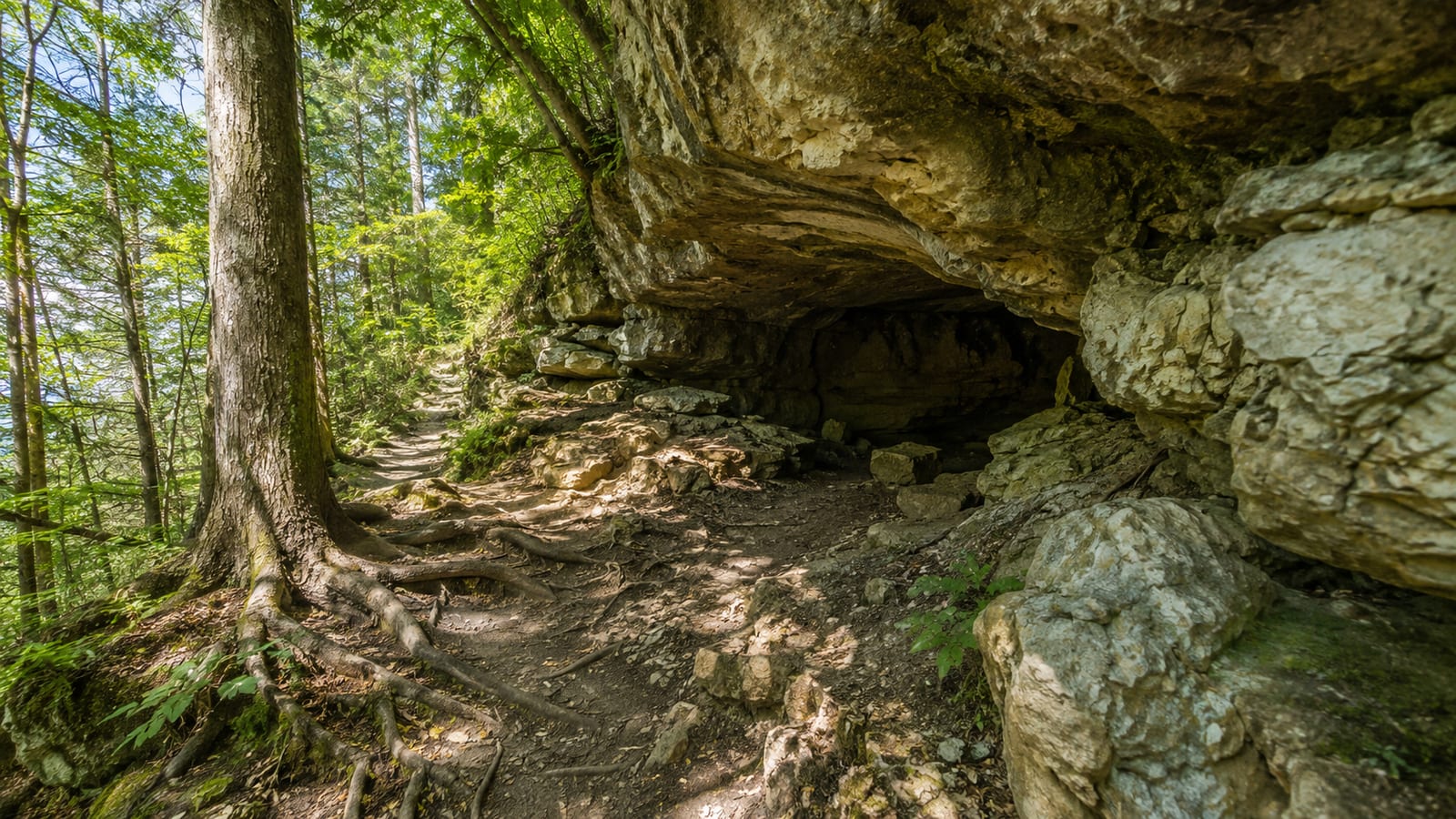
A cave trail can mean three different things, and the difference matters before you buy tickets.
- Cave trail: A surface hiking route that leads to a cave, alcove, sinkhole, or rock opening. You may never enter the cave.
- Hiking cave: A cave reached by walking, then explored on foot. Access may still be guided or restricted.
- Guided cavern tour: A scheduled underground visit on a maintained route. You walk underground, but you’re following a guide and a set path.
Most legal cave access near Austin and San Antonio falls into the third category. That protects formations, reduces bat disturbance, and keeps visitors away from unstable passages. It also means your visit runs on a tour time, not your personal sense of adventure.
The phrase “cave hiking” sounds more rugged than many Texas cavern visits feel. A paved or finished pathway with handrails is still worth doing on a hot day, but it isn’t the same as crawling through a wild cave.
The best cave hikes by hiking style
For families and short walks
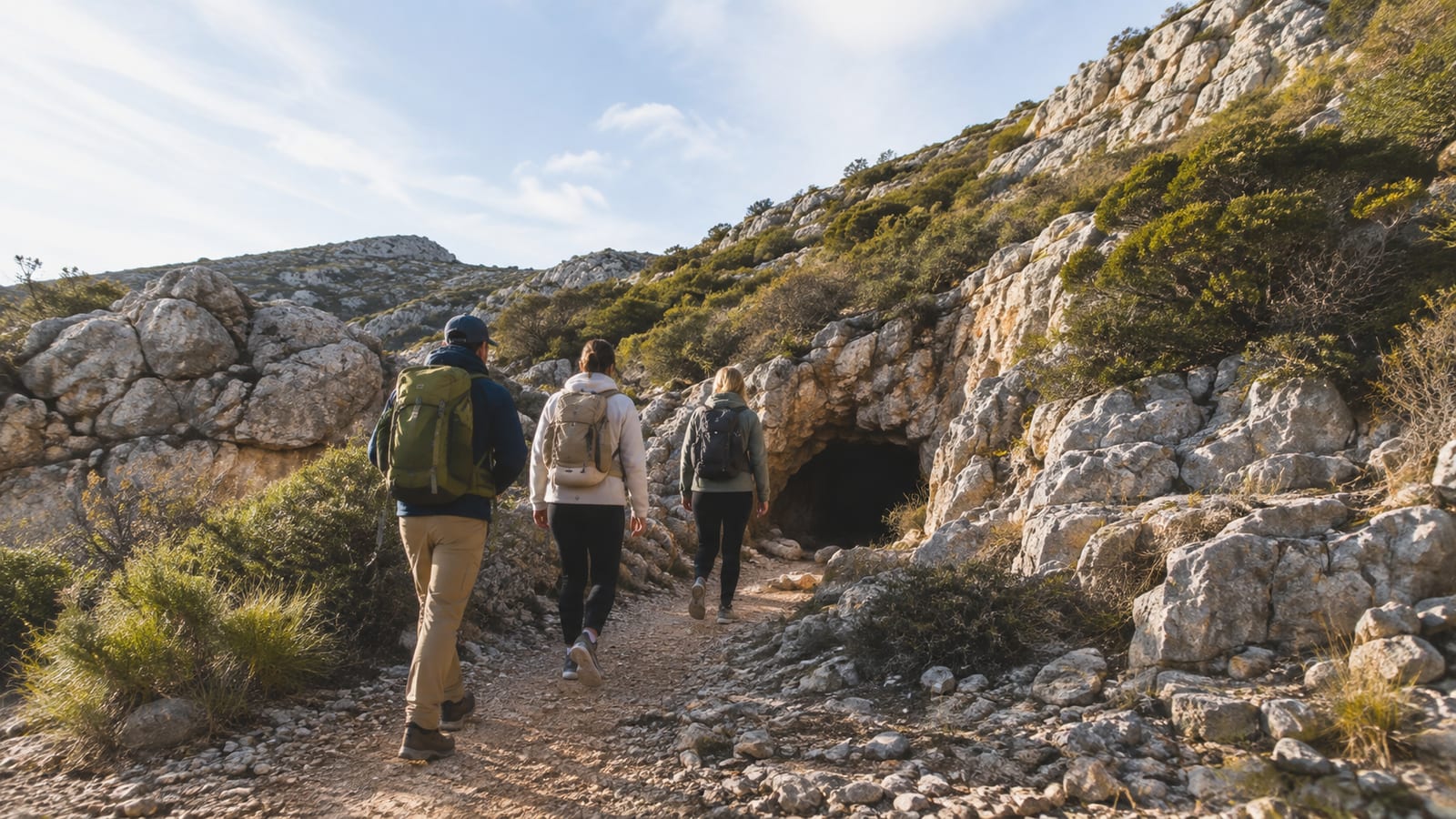
Start with Natural Bridge Caverns, Inner Space Cavern, or Longhorn Cavern State Park. These choices reduce the amount of rough surface walking and give you a reliable underground experience.
Inner Space is the easiest logistics play. Longhorn adds more above-ground scenery. Natural Bridge offers the most choices, but it also has the most chances to spend more money than planned.
For strenuous surface routes
Choose Colorado Bend State Park. The park gives you real trail miles, uneven rock, water features, and a stronger sense of being outside before any cave tour begins.
Kickapoo also fits this group, but its difficult cave tour and remote setting require more planning. It’s a poor choice for a spontaneous stop.
For scenic Hill Country walking
Longhorn Cavern State Park and Natural Bridge Caverns are the safer bets. Both let you combine underground access with surface scenery, though neither replaces a long backcountry hike.
Cave Without a Name has the better cavern mood. It does not have the better trail day.
For a guided underground experience
Natural Bridge offers the broadest range. Inner Space offers the simplest access. Cave Without a Name offers the quieter feel. Cascade Caverns offers a smaller-scale visit.
Pick the cavern based on the kind of day you want. The formations won’t care which one wins an online award.
Guided underground cavern tours
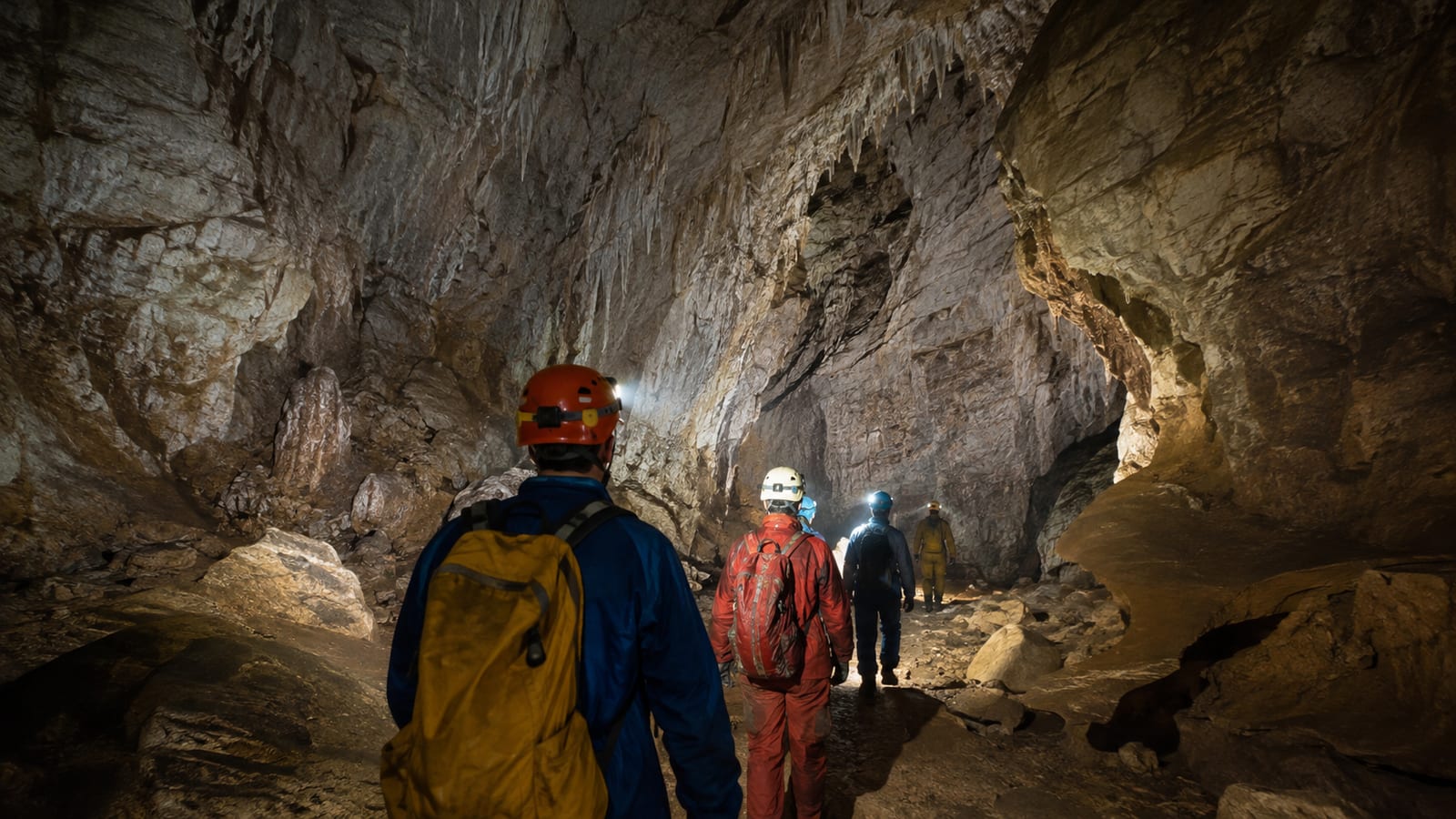
Most public caves in this part of Texas are guided because limestone passages are easy to damage and hard to manage. A careless hand can damage a formation. A loose group can also disturb bats, lose the route, or create a rescue problem in a tight passage.
Natural Bridge Caverns has the widest selection of experiences. Cave Without a Name keeps the focus on the underground room and its formations. Inner Space Cavern handles families and quick logistics well, while its Wild Cave tour gives older guests a harder option.
Cascade Caverns is a good fit for smaller groups. Longhorn Cavern State Park adds a polished walking tour to short walks and overlooks. None of these should be sold as self-guided cave hikes.
If you want a cave tour with serious trail miles, Colorado Bend is the better match. You’ll spend more time dealing with sun, rock, mud, and water carry before the cave portion begins.
Balcones Fault Line caves and Hill Country formations
The Austin and San Antonio region sits along the Balcones Fault Line, where movement and fractured limestone helped shape the Hill Country’s caves, springs, cliffs, and sinkholes. The geology explains why the region has so many underground spaces.
You can read more about the Balcones Fault Zone before your trip, but you don’t need a geology lecture at the trailhead. Look for the practical differences:
- Natural Bridge Caverns gives you scale, formations, and the most varied visitor options.
- Cave Without a Name gives you a quieter look at underground formations.
- Inner Space Cavern gives you steady conditions and easy access.
- Longhorn Cavern shows how an underground river-shaped passage can become a developed tour.
- Devil’s Sinkhole gives you a vertical feature and wildlife connection.
- Colorado Bend gives you the surface geology in your legs, with springs, cliffs, and rough limestone trails.
Palo Duro Canyon is located in the Texas Panhandle near Amarillo. It belongs in a wider Texas cave roundup, but it isn’t a practical Austin-to-San Antonio cave stop. The drive is part of that trip, not an annoying detail to ignore.
Cave hiking in hot weather
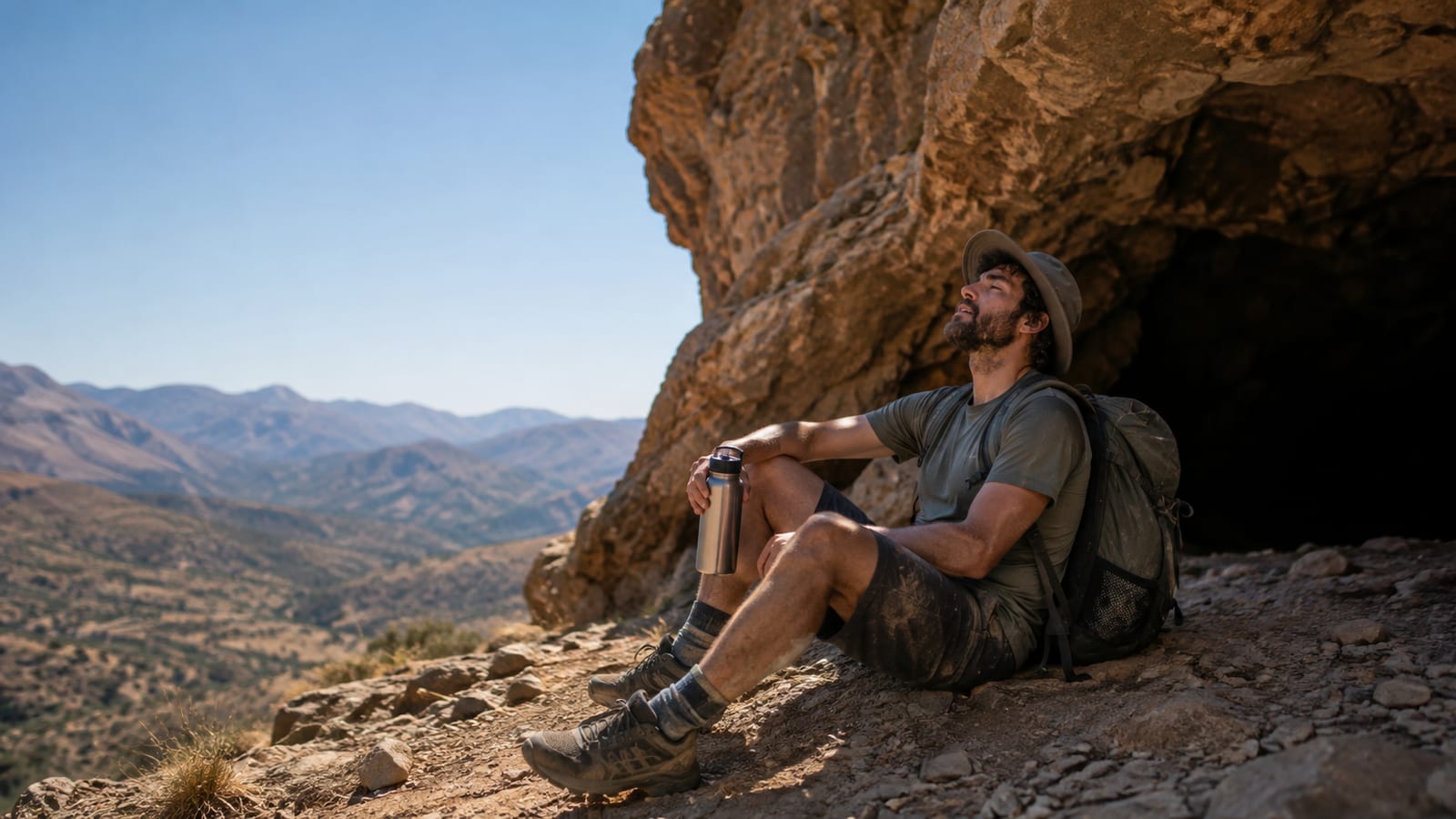
A guided cavern tour is one of the better ways to break up a Texas summer day. Inner Space stays at 72 degrees Fahrenheit year-round, and underground routes avoid the full heat index for much of the visit.
The approach still matters. Surface walks at Natural Bridge, Longhorn, Colorado Bend, Kickapoo, and Devil’s Sinkhole can be exposed, rocky, and short on shade. Carry water for the trail, not just the cave. The cool underground temperature won’t help much if you arrive already overheated.
For hot-weather cave hiking:
- Start surface miles early.
- Wear a hat and sunscreen outside.
- Bring shoes with real grip.
- Keep a layer in the car for the cavern.
- Check weather and park alerts before leaving.
- Expect mud after storms and slick rock near water.
- Don’t stack multiple exposed attractions after a midday tour.
Heat and bugs turn a simple cave day into a bad idea faster than most people expect. A shorter route with a booked cavern tour often beats an ambitious surface hike after lunch.
Hidden Wonders and Discovery Caverns at Natural Bridge
Natural Bridge’s Hidden Passages and Discovery Caverns aren’t interchangeable, even if both end underground.
Discovery Caverns is the better starting point for first-time visitors and families. It gives you a more approachable introduction to the cavern environment, with a maintained route and less physical strain than the adventure options.
Hidden Passages suits visitors who want more effort and less hand-holding. Expect more stairs, darker sections, tighter movement, and a greater demand for balance and confidence. The exact experience depends on the tour, so check the current rules before booking.
Neither tour is automatically better value. Compare the physical demand with the rest of your day. A harder tour followed by a long surface afternoon can leave young hikers and tired adults equally unimpressed.
Choose Discovery Caverns if:
- You want the simplest underground introduction.
- Your group includes younger children.
- You care more about formations than physical challenge.
- You’re pairing the tour with other park activities.
Choose Hidden Passages if:
- You want more darkness and physical movement.
- Your group handles stairs and uneven footing well.
- You’re comfortable with a longer, harder experience.
- You’re choosing the cavern as the main event.
Cavern tour ticket savings
The cheapest base ticket is not always the cheapest cave day. Compare the whole outing before you commit.
Check these costs and limits:
- The tour type included in the base ticket.
- Whether the surface attractions cost extra.
- Bundled tickets versus separate admission.
- Parking and food costs.
- Age, height, and weight rules.
- Refund or rescheduling terms for bad weather.
- Whether a harder tour replaces your chance to do another activity.
- Whether your group actually wants zip lines, a maze, or other add-ons.
Colorado Bend is the best budget choice for hikers because the park entry fee is $5 per day per person age 13 and older. Kickapoo Cavern State Park also has low daily entry costs, with $3 per adult and free entry for children 12 years and under. However, both parks demand more driving and planning than the central cavern attractions.
Inner Space is the better value when you want one straightforward underground stop. Natural Bridge earns its higher total cost only when your group will use more than the basic cave tour.
Footing, gear, and accessibility
Wear closed-toe shoes with grip. Smooth cavern floors can be slick, and surface routes may add mud, loose rock, or wet roots. Sandals belong in the car.
Expect stairs and uneven ground on many underground tours. Some routes have low ceilings or narrow passages. Adventure and wild cave tours place more demands on balance, crawling, and shoulder mobility.
A headlamp helps on permitted surface cave routes, but don’t use it as permission to enter a closed passage. Your phone light is not a plan. For guided tours, follow the operator’s gear rules and keep your hands off formations.
Mobility limits need a specific check before booking. A standard cavern route may still include stairs, tight turns, or long periods of standing. Adventure tours are a poor fit if you can’t comfortably handle uneven footing or controlled climbs.
Bring:
- Water for every surface hike.
- A light layer for the cavern.
- Shoes with a firm sole.
- Sunscreen and a hat for exposed trails.
- A small first-aid kit.
- Dry socks if rain is expected.
- A reservation confirmation saved offline.
Safety and access rules
Reserve popular cavern tours ahead of time, especially for weekends, school breaks, and holidays. Remote parks may run tours on a fixed schedule. Arriving without checking can turn a long drive into a roadside lunch.
Weather changes the trail even when the cave tour still runs. Heavy rain can make rock, stairs, creek crossings, and access roads harder. Check official park conditions through Texas State Parks before leaving.
Never enter a closed or gated cave alone. Do not squeeze through an opening because it looks short. Caves have loose rock, poor airflow, unstable footing, and wildlife rules that exist for a reason.
Keep away from bats and other wildlife. Don’t touch formations, cross barriers, or shine lights into roosting areas. If a child is too tired, frightened, or overheated to continue, turn around early. The cave will still be there, and your bailout point is part of the plan.
A practical Austin-to-San Antonio cave itinerary
Half-day from Austin
Choose Inner Space Cavern for the cleanest half-day plan. Book the cave tour first, then add only a short walk or meal stop. This keeps the day useful if traffic, weather, or a slow group eats your schedule.
Longhorn Cavern State Park also works, but the drive takes more of the day. Choose it if you want the surface scenery and the cave tour together.
Half-day from San Antonio
Choose Natural Bridge Caverns. Book the cavern tour early, then decide whether your group has energy for surface activities. Don’t buy every add-on before you know how the first tour lands.
Cave Without a Name is the better alternative for a quieter visit. It makes sense if you care about the underground atmosphere and don’t need a long trail.
Full day for hikers
Choose Colorado Bend State Park and plan around the surface route. The Gorman Falls trail is 3 miles round trip, and the park offers more than 35 miles of trails overall. Add a cave tour only if the schedule and your legs agree.
This is where many plans go wrong. A long hike, a guided cave tour, a meal stop, and a return drive can become a tired scramble with no real payoff. Pick the main event first.
A remote caving day
Choose Kickapoo Cavern State Park only when the drive is part of the trip. Its tour covers 1.50 miles, takes 2 hr. 30 min., and is difficult. That’s a serious commitment for a cave day.
Devil’s Sinkhole State Natural Area works better for a focused sinkhole or bat visit. Pair the easy Ranch Road Nature Walk or moderate Sinkhole Rim Trail with the scheduled tour, then leave enough time for the drive home.
Who should skip these cave trails?
Skip the cavern attractions if you want to wander into a wild cave alone. Public access around Austin and San Antonio is mostly guided, restricted, or protected.
Skip Natural Bridge’s adventure tours if you have a bad knee, dislike tight spaces, or are bringing children who can’t meet the tour rules. Choose the standard route instead.
Skip Colorado Bend and Kickapoo if you only have a few free hours. The trail miles and drive make them poor quick stops.
Choose Inner Space if you want the least complicated cave visit. Choose Natural Bridge if you want the most options. Choose Cave Without a Name if you want the quietest feel. Choose Colorado Bend if you came to hike.
FAQ
Can you visit a Texas cave without taking a guided tour?
Sometimes, but public self-guided cave access is limited. Surface trails may lead to openings, sinkholes, or rock alcoves, while developed caverns usually require a scheduled tour.
Are cave tours safe for people who dislike enclosed spaces?
Standard tours are often easier because they use maintained routes and predictable movement. Still, low ceilings, darkness, and narrow sections can bother some visitors. Ask about the route before booking, and avoid wild cave tours if enclosed spaces make you panic.
Can you take photos inside Texas caverns?
Photography rules vary by cavern and tour. Flash use may be restricted around wildlife or sensitive formations. Check the tour rules before bringing a large camera or tripod.
Are dogs allowed on cave trails near Austin and San Antonio?
Dog rules vary between private attractions and state parks. Dogs may be restricted from cavern tours, buildings, or certain trails. Confirm the park’s current policy before bringing one, and never leave a dog in a hot vehicle while you tour underground.
What’s the simplest way to choose?
Pick Inner Space for easy logistics, Natural Bridge for the broadest day, Cave Without a Name for a quieter cavern, and Colorado Bend for serious hiking. That covers the main choices without turning your trip into a tour-of-everything endurance event.
