

The Hydro Flask 32 oz Wide Mouth is the insulated bottle I'd hand most hikers. It keeps ice through a hot day, the wide opening won't clog with electrolyte mix or trail grit, and it shrugs off rock drops without denting. Skip anything under 24 oz for a multi-hour hike, and skip straw lids, which leak under pack compression and freeze shut in the cold. That covers most of what matters in the best insulated water bottles for hiking, but the runner-ups earn their place for specific trips.
Which insulated water bottles are best for hiking?
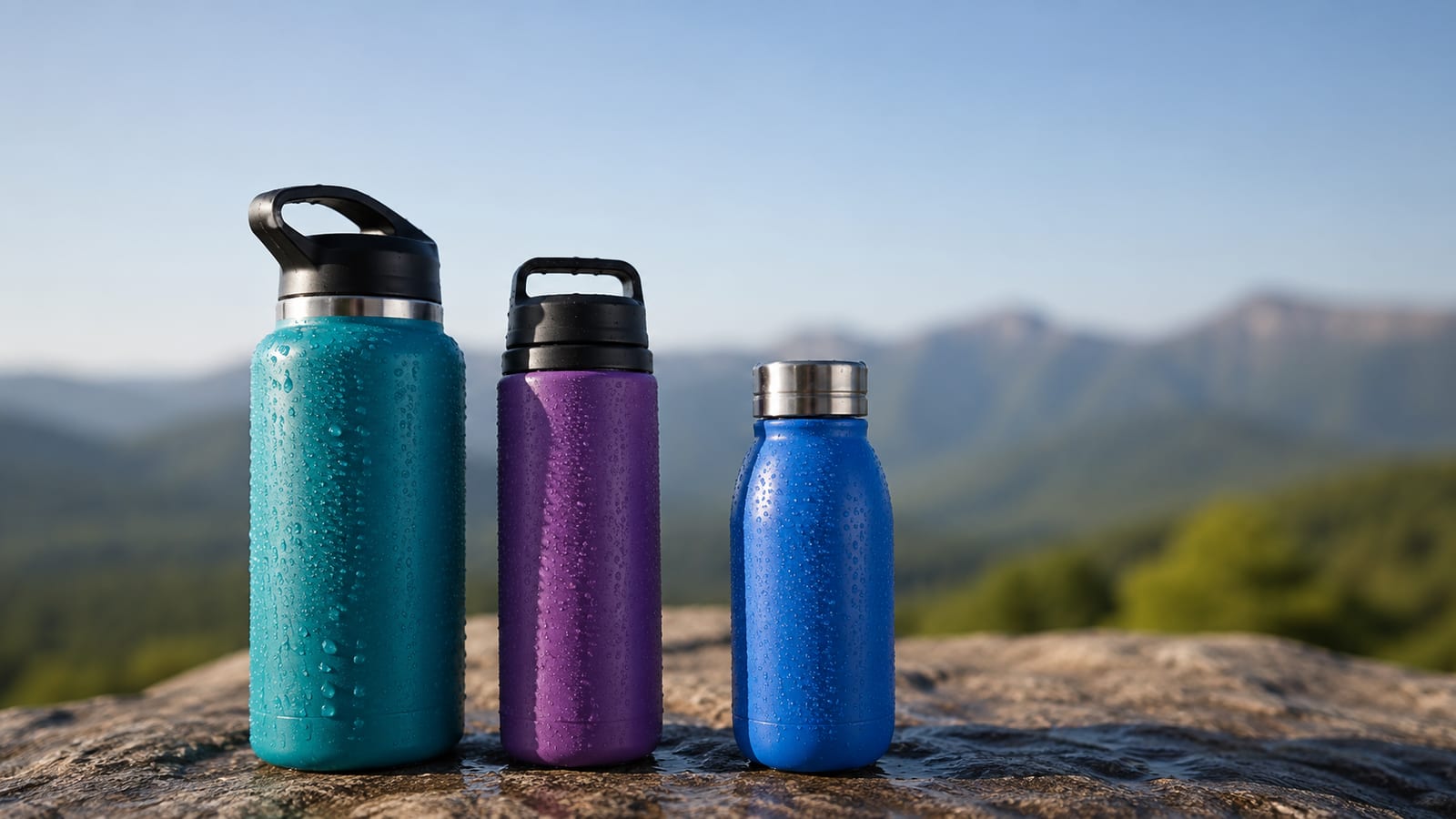
Five bottles are worth talking about, and only one is a straight skip. Here's the short version before the details.
| Bottle | Best for | The catch |
|---|---|---|
| Hydro Flask 32 oz Wide Mouth | All-around hiking | Around $45, not cheap |
| YETI Rambler 26 oz | Scrambling, rough terrain | Heavy and priced high |
| Simple Modern Summit 32 oz | Budget hikers | Lid feels flimsier |
| CamelBak Chute Mag 32 oz | Drinking on the move | Shorter cold window |
| Stanley IceFlow Flip Straw 30 oz | Skip for hiking | Straw leaks and ices up |
The Hydro Flask Wide Mouth, around $45, wins because it does everything well and nothing badly. The YETI Rambler 26 oz is the toughest of the bunch and holds cold drinks for 24-plus hours, so it's the one for boulder fields and careless packing. It's also heavier and pricier than it needs to be.
The Simple Modern Summit matches the Hydro Flask's retention closely for a good bit less money, which makes it the smart budget pick. Its lid just doesn't feel as solid. The CamelBak Chute Mag is easy to drink from without stopping, but the cold fades sooner than the top two.
The Stanley IceFlow Flip Straw is a fine desk bottle and a poor trail bottle. More on why below.
How double-wall vacuum insulation actually works
A vacuum bottle is two steel walls with the air sucked out between them. Heat needs something to travel through, and a vacuum gives it almost nothing. So your ice water stays cold and your coffee stays hot for hours instead of minutes.
This beats a single-wall bottle or a foam sleeve by a wide margin. A foam koozie slows heat a little; a vacuum wall nearly stops it. If you want the physics, the vacuum flask has worked the same way since the 1890s.
Two things ruin it. A dent that lets the walls touch creates a bridge for heat, and a bad lid leaks warmth straight out the top. That's why build quality and lid design matter more than the marketing hours on the box.
How long the cold really lasts on trail
Trust the field, not the hang tag. The box numbers assume a sealed bottle sitting still indoors. On trail you open it every few miles, bake it in a side pocket, and let hot air rush in each time.
The YETI Rambler 26 oz claims 24-plus hours of cold, and in real use you'll still have ice into the evening on a hot day. Cut those box numbers by a third for a summer hike with frequent sips. Hot drinks fade faster than cold ones. A Hydro Flask 18 oz, for reference, is rated for cold up to 24 hours and hot only up to 12.
A few things that stretch retention:
- Pre-chill the bottle overnight and pack it full.
- Fill it to the top; a half-empty bottle warms fast.
- Keep it out of direct sun, deep in the pack for long carries.
Which bottles actually don't leak in your pack
A wet pack is a safety problem, not a laundry problem, because a soaked sleeping bag or down jacket stops keeping you warm. So lid design is where I get picky.
Simple screw lids with a flat gasket win. The Hydro Flask Wide Mouth and YETI Rambler both seal with a plain threaded cap and shrug off pack pressure. Fewer moving parts, fewer ways to fail.
Straw and flip lids are the trouble. The Stanley IceFlow Flip Straw pushes water up a straw the moment your pack squeezes it, and in winter that straw freezes solid while the main bottle is still liquid. The CamelBak Chute Mag's cap is reliable, but its drinking spout is one more gasket to keep clean. Push-button flip caps like the Owala FreeSip are handy in a cupholder and I'd still trust a screw lid more over rough miles.
Matching bottle capacity to your hike
Skip anything under 24 oz for a real hike. A 32 oz bottle is the honest default. It's enough for a half-day between water sources without turning your pack into a boat anchor.
Match the volume to the water carry:
- Short day hikes with reliable water: one 32 oz bottle.
- Hot, dry stretches or a long water carry: carry two, or add a soft flask.
- Winter day trips: 32 oz insulated, filled with warm water so it doesn't freeze.
Insulated steel is heavy, so don't haul more than you'll drink. For big water carries, pair one insulated bottle with a light collapsible like the Platy Bottle 70 oz, around $20, that packs down when empty. If you're moving a lot of water, a proper reservoir may ride better; see our take on the best hydration packs for the trail.
How each bottle handles drops, dust, and rough trail
Steel dents, and a dent can wreck the insulation. This is where the YETI Rambler earns its keep. Its thick walls and heavy base take a drop onto rock and keep working, which is why it's my pick for scrambling and off-trail travel.
The Hydro Flask Wide Mouth is nearly as tough and lighter, so it's the better all-day carry. The Simple Modern Summit holds up fine on trails but its lid is the first thing I'd expect to wear out. Trail dust is the quiet killer here. Grit works into any lid gasket, and a gasket that won't seat is a bottle that leaks.
The wide mouth helps twice: dust rinses out easily, and there's no narrow straw for it to hide in.
Cleaning out after a trip
Wide mouths clean themselves; narrow ones grow science projects. Sports drinks and electrolyte powder leave a sticky film, and that film feeds mold if you skip a proper wash.
The Hydro Flask and YETI wide openings take a bottle brush all the way to the bottom. Pull the gasket out of the lid and wash it separately, every time. That's the spot mold hides.
Straw lids are the worst to clean, which is another mark against the Stanley IceFlow for trail use. You need a thin straw brush and the patience to reach every inch. Don't trust "dishwasher safe" on any vacuum bottle. Heat can stress the seal over time, so hand-wash and let it air-dry upside down.
Carrying comfort over long miles
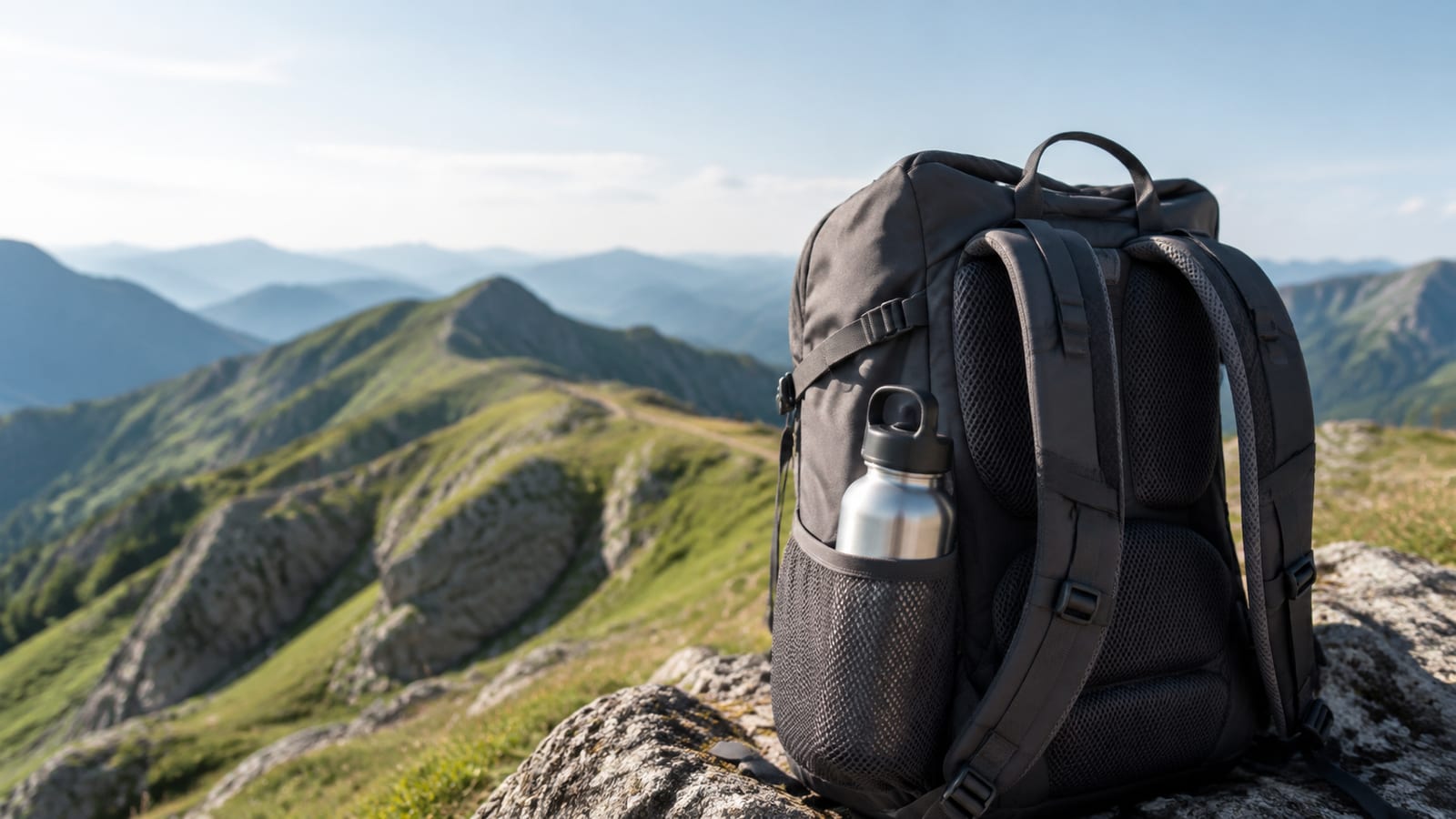
A bottle you can't reach is a bottle you won't drink from. Standard 32 oz steel bottles fit most pack side pockets, but a full one is heavy and rides high, so check that you can grab it without taking the pack off.
The CamelBak Chute Mag shines here. You can flip the cap and drink one-handed while walking, no stopping to unscrew a lid. If you hate breaking stride, that's worth the shorter cold window.
For weight-counters, insulated steel is a real tax. A single-wall option like the Nalgene 16 oz Wide Mouth Bottle weighs just 3.125 oz (88.5g), far less than a steel bottle, but it won't hold ice through the afternoon. Pick your tradeoff: cold drinks or a lighter pack.
Is a pricier insulated bottle worth it for hiking?
For a bottle you'll use hundreds of times, yes, within reason. The Hydro Flask at around $45 and the YETI cost more than a budget bottle, and both will outlast a decade of trips. Spread over that many uses, the price stops mattering.
But paying up for a straw lid or a color is a false economy. The Simple Modern Summit gets you most of the performance for noticeably less money, and the gap is a slightly weaker lid, not weaker insulation. That's the pick for a new hiker or a spare.
Where I'd stop: don't buy a $53 filter-bottle like the Katadyn BeFree AC just for insulation. If you need to treat water, a dedicated filter is the smarter tool; here's how to filter water safely on the trail. Buy the insulated bottle for cold drinks, and buy the filter for clean ones.
FAQ
Will an insulated bottle keep water from freezing in winter?
It slows freezing, it doesn't stop it. Fill a 32 oz bottle with warm water, cap it tight, and stash it deep in your pack, not a mesh side pocket. Store it upside down so any ice forms at the base and the lid stays usable.
Can I put an insulated bottle in the freezer to pre-chill it?
Don't freeze it full. Water expands as it freezes and can bulge the inner wall, which quietly kills the insulation. Chill it in the fridge overnight or add ice cubes instead.
Are stainless steel bottles better than glass or plastic for hiking?
For hiking, yes. Glass like the Purifyou 32 oz bottle, around $30, is great at home and a liability on rock. Plastic bottles such as the YETI Yonder, around $28, are lighter and cheaper but won't hold temperature. Steel is the durable middle for trail use.
Why does my insulated bottle sweat on the outside?
A properly sealed vacuum bottle shouldn't sweat much at all. If yours does, the vacuum seal has failed, usually after a hard dent. A sweating bottle also stops holding cold, so it's a sign to replace it.
How do I get rid of a musty smell in an insulated bottle?
Soak it overnight with warm water and a spoon of baking soda, then scrub the lid gasket separately. The gasket traps sugary residue and is almost always the source. Rinse well and dry it fully upside down before storing.
