
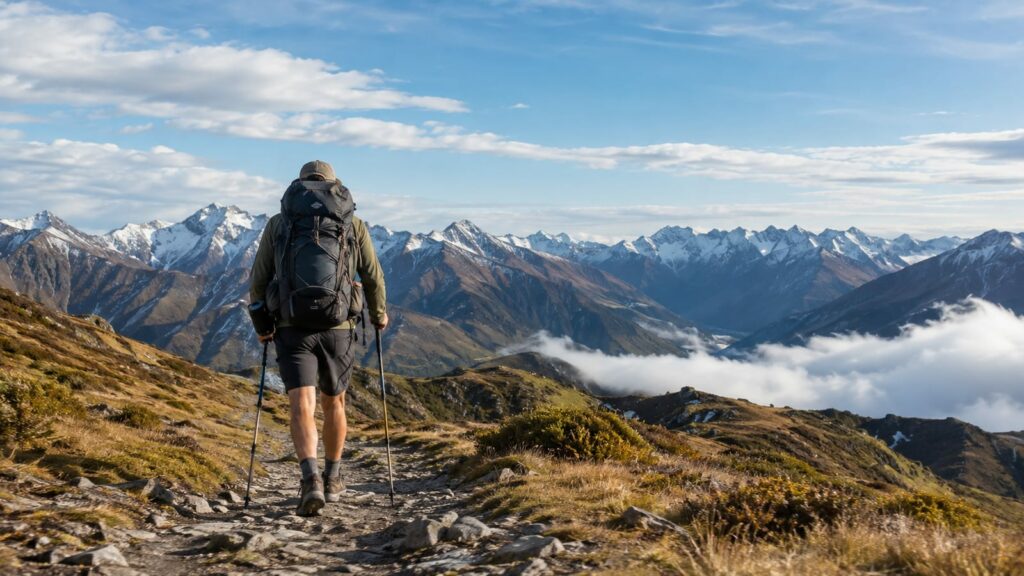
The top long-distance hikes in New Zealand are Te Araroa for a full thru-hike, Routeburn for the strongest all-round Great Walk, Heaphy for varied country, and Tongariro Northern Circuit for a shorter volcanic trip. Milford earns its fame, while Dusky suits experienced trampers who can handle mud, river crossings, poor weather, and slow trail miles. Pick by conditions and fitness, because a famous name won’t carry your pack up the next switchback.
Last updated: 2026-09-02
What are the best long-distance hikes in New Zealand?
New Zealand’s strongest multi-day hikes cover several distinct jobs. Some give you huts, marked tracks, and a fixed itinerary. Others demand route finding, flexible food plans, and enough judgment to turn around before a river becomes a problem.
| Track | Best for | Main trade-off | Clear call |
|---|---|---|---|
| Te Araroa | A full-country thru-hike | Long logistics, road sections, and sustained pack wear | Keep it for a major commitment |
| Routeburn Track | A first Great Walk with mountain scenery | Popular dates fill quickly | Best all-round Great Walk |
| Heaphy Track | Forest, uplands, and coast in one trip | Remote transport at either end | Keep it for varied trail conditions |
| Tongariro Northern Circuit | A compact volcanic route | Wind and exposed ground can change the day | Strong shorter option |
| Milford Track | A managed Fiordland itinerary | Tight bookings and frequent rain | Book it if the schedule works |
| Abel Tasman Coast Track | Gentler terrain and coastal walking | Tides, sand, and summer crowds | Good first multi-day hike |
| Kepler Track | A sustained alpine outing | Exposed ridges punish weak weather plans | Keep it for fit hikers |
| Lake Waikaremoana Great Walk | Forest, lake travel, and cultural context | Access and services need careful checking | Plan it with local guidance |
| Dusky Track | Remote backcountry travel | Mud, rivers, route finding, and long delays | Skip it unless you have real experience |
If you want one easy recommendation, choose Routeburn and book early. If you want the largest commitment, Te Araroa is in a different class.
Te Araroa is a full-season project
Te Araroa crosses Aotearoa New Zealand and typically takes four to six months to complete. This is a thru-hike, not a long holiday walk with a few extra food bags. You’ll deal with towns, roads, beaches, farmland, forests, rivers, and mountain sections.
That variety is the attraction and the nuisance. Some days feel remote. Others involve resupply, transport, laundry, phone charging, and enough road walking to make your feet question the brochure.
Pack weight matters from the first week. However, cutting safety gear to make a spreadsheet look tidy is a false economy. Rain protection, warm layers, navigation, water treatment, and a backup plan still earn their place.
Te Araroa suits hikers who can manage:
- Repeated wet feet and changing dry time
- Long food carries between useful resupply points
- Accommodation that ranges from huts to towns
- Route changes, closures, and private-land rules
- Blisters, pack rub, and small gear failures without losing the trip
- The mental grind of walking after the novelty has worn off
Check the official route information before each section. A thru-hike plan made months earlier can go stale after storms, slips, fire risk, or access changes.
Great Walks make the logistics easier
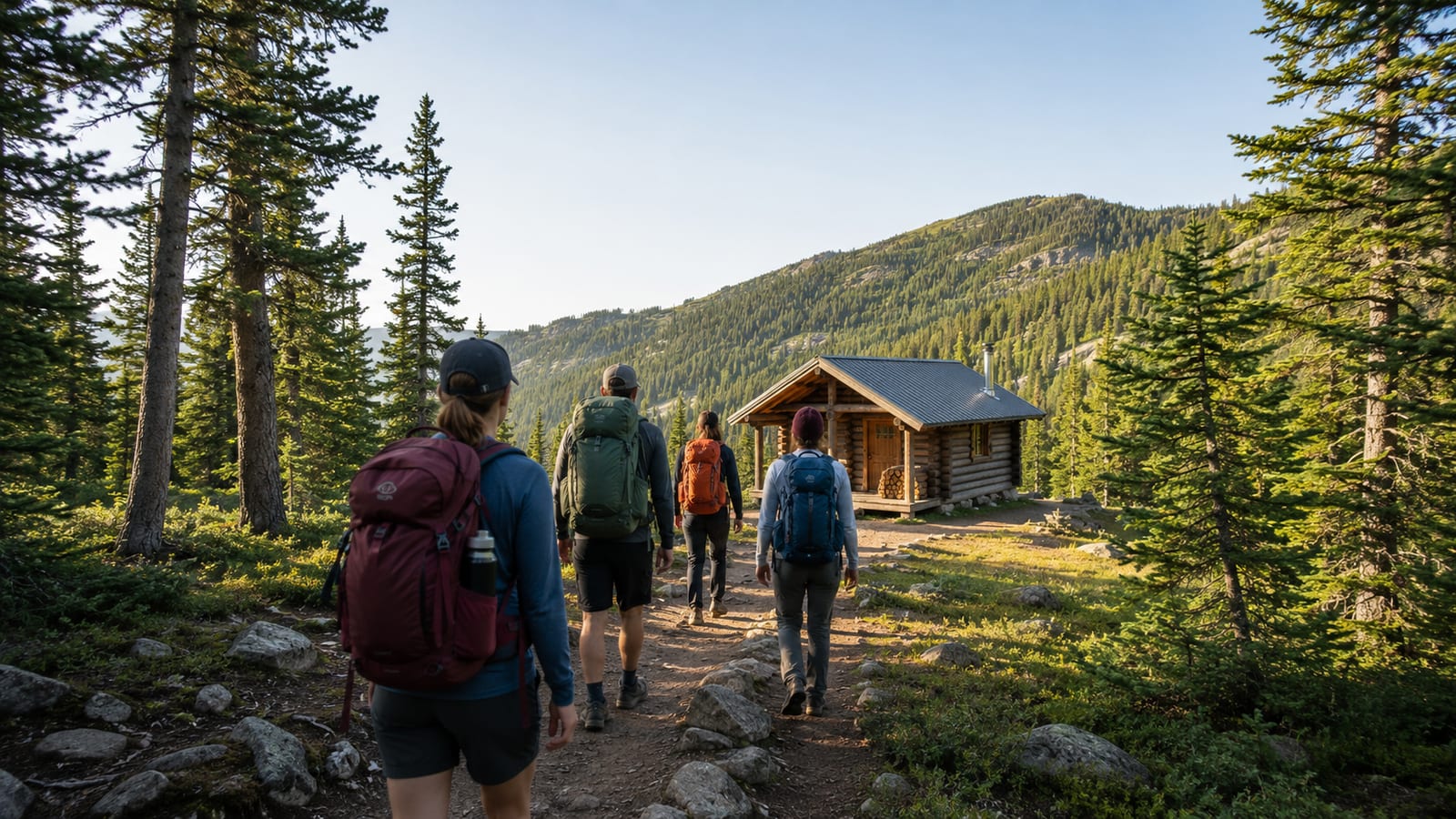
New Zealand’s Great Walks are managed tracks with established huts or campsites and clearer trip planning. The label helps with logistics. It doesn’t guarantee gentle terrain, dry weather, or an easy bailout point.
Use the Department of Conservation Great Walks guidance for live booking rules, closures, hut details, and track alerts. Old blog itineraries are useful until a bridge washes out.
Routeburn and Milford
Routeburn is the best all-round Great Walk. It packs mountain passes, forest, open views, and proper weather exposure into a trip that feels substantial without becoming a season-long project.
However, it has separate trailheads, so transport needs sorting before you arrive. The route also gets exposed enough for wind, rain, and low cloud to strip the fun from a loose itinerary. Carry layers you can reach without emptying your pack in the rain.
Milford is the famous choice, and the scenery earns much of that reputation. Still, fame also brings booking pressure and a fixed structure. Fiordland rain is part of the trip, so a jacket that wets out early will become the most memorable item you packed.
Choose Milford if you’re comfortable committing to dates and transport. Choose Routeburn if you want the stronger all-round mix of alpine trail and manageable trip length.
Heaphy and Abel Tasman
Heaphy is the longest Great Walk and accessible all year round. Its appeal is the change underfoot and overhead, from inland country and forest to the coast.
Still, year-round access doesn’t mean year-round ease. Weather, track damage, transport, and seasonal trail conditions can all affect the plan. Check the live track page before treating an open booking calendar as a weather forecast.
Abel Tasman is a calmer first multi-day hike for many walkers. Coastal terrain can feel friendlier than an alpine pass, but sand, heat, bugs, and tidal sections still need attention. Wet sand inside a shoe does fine work on a heel.
Choose Abel Tasman if you want lower-consequence terrain and flexible coastal travel. Choose Heaphy if you want more variety and don’t mind longer logistics.
Tongariro and Kepler
Tongariro Northern Circuit covers 45 kilometres, takes approximately four days, and carries an easy to moderate difficulty rating. That rating needs context. The volcanic ground is exposed, and wind can turn a manageable section into slow, tiring work.
The route suits hikers who want a compact New Zealand multi-day hike without committing to a full week. However, you still need warm layers, rain gear, sun protection, and enough food for delays.
Kepler gives fit hikers a more sustained alpine trip. Its ridges can be excellent in clear weather and awkward when wind gets rude. If your balance, knees, or storm judgment are uncertain, choose a lower and more sheltered route.
Lake Waikaremoana and Paparoa
Lake Waikaremoana Great Walk combines forest and lakeside travel with a place that carries living Māori culture. Read local guidance before you go, respect closures, and don’t treat cultural context as a paragraph to skim after checking hut space.
Access and services can change, so confirm the complete trip before paying for transport. This route rewards careful planning more than a rushed booking.
Paparoa suits hikers who want forest, limestone country, and open tops in the same trip. However, western weather can soak clothing and slow progress. Pack around wet-out and condensation instead of assuming every damp item will dry overnight.
The harder tracks require judgment
Dusky Track sits beyond the normal Great Walk experience. Expect mud, river crossings, rough ground, route-finding pressure, and weather that can hold you in place. A strong gym week doesn’t replace backcountry decisions.
Skip Dusky if you haven’t already handled remote trips with poor track definition and uncertain rivers. Build experience on marked multi-day routes first, then move into remote forest hiking where mistakes take longer to fix.
Other backcountry tracks can look short on a map and still consume a day. Mud, roots, slips, fallen trees, and swollen streams decide your pace. Distance alone is a weak planning tool in New Zealand bush.
Choose by fitness and trail experience
The best multi-day hikes in New Zealand are the ones that leave enough margin for weather and tired legs. Fitness helps, but foot care, pack fit, and judgment often decide how the trip feels after several days.
Newer multi-day hikers
Start with a managed Great Walk that has clear track information and established accommodation. Abel Tasman is a sensible coastal choice. Routeburn works for fitter beginners who respect exposed weather and sort transport early.
Before booking, make sure you can walk consecutive days with your planned pack weight. One cheerful day hike says little about how your shoulders will feel after repeated climbs.
Regular hikers
Tongariro Northern Circuit, Heaphy, and Kepler give experienced day hikers a useful step up. You’ll need better sweat management, more careful food planning, and a clear system for keeping sleep gear dry.
Meanwhile, test your footwear before the real trip. New boots plus wet socks plus a loaded pack is a reliable way to spend the evening inspecting your heels.
Experienced trampers
Te Araroa and Dusky ask for different kinds of experience. Te Araroa demands endurance, resupply discipline, and months of gear management. Dusky compresses harder backcountry problems into a remote route where delays matter.
Neither should be chosen because the name sounds serious. Choose them when your past trips have already exposed weak navigation, poor rain systems, and gear failures, and you’ve fixed those problems.
Planning a 5-day hike
A 5-day hike gives you room for a full multi-day route, but don’t force five walking days into a trip that also needs remote transport. Keep time for weather, missed connections, and the long drive to a trailhead.
For a trip of this length:
- Choose the track before booking flights or fixed accommodation.
- Check whether the route ends where it starts.
- Confirm every hut or campsite in the same booking session.
- Add food for disruption and appetite changes.
- Keep one dry sleep layer buried inside a waterproof liner.
- Arrange a contact who knows your route and expected finish.
- Identify bailout points before bad weather makes the choice for you.
A step-by-step multi-day hiking plan helps keep transport, food, accommodation, and safety details in one place. A collection of confirmation emails is not a trip plan.
Huts, campsites, and bookings
Backcountry huts reduce tent weight and give you shelter, but they remain basic shared spaces. Expect wet gear, snoring, cooking smells, limited drying room, and someone packing early with the subtlety of a kea in a cutlery drawer.
Check each hut’s facilities. Don’t assume it has cooking gear, fuel, bedding, rubbish service, or a reliable water supply. Carry what the official route page says you need.
Great Walk huts and campsites may require advance booking. Other huts can use different payment or booking systems. As a result, you need to check every route instead of applying one rule across the country.
A tent may still be worth the weight on routes where camping is allowed and delays are plausible. However, carrying one doesn’t give you permission to camp anywhere. Land rules, conservation controls, and culturally sensitive areas still apply.
Weather decides the real difficulty
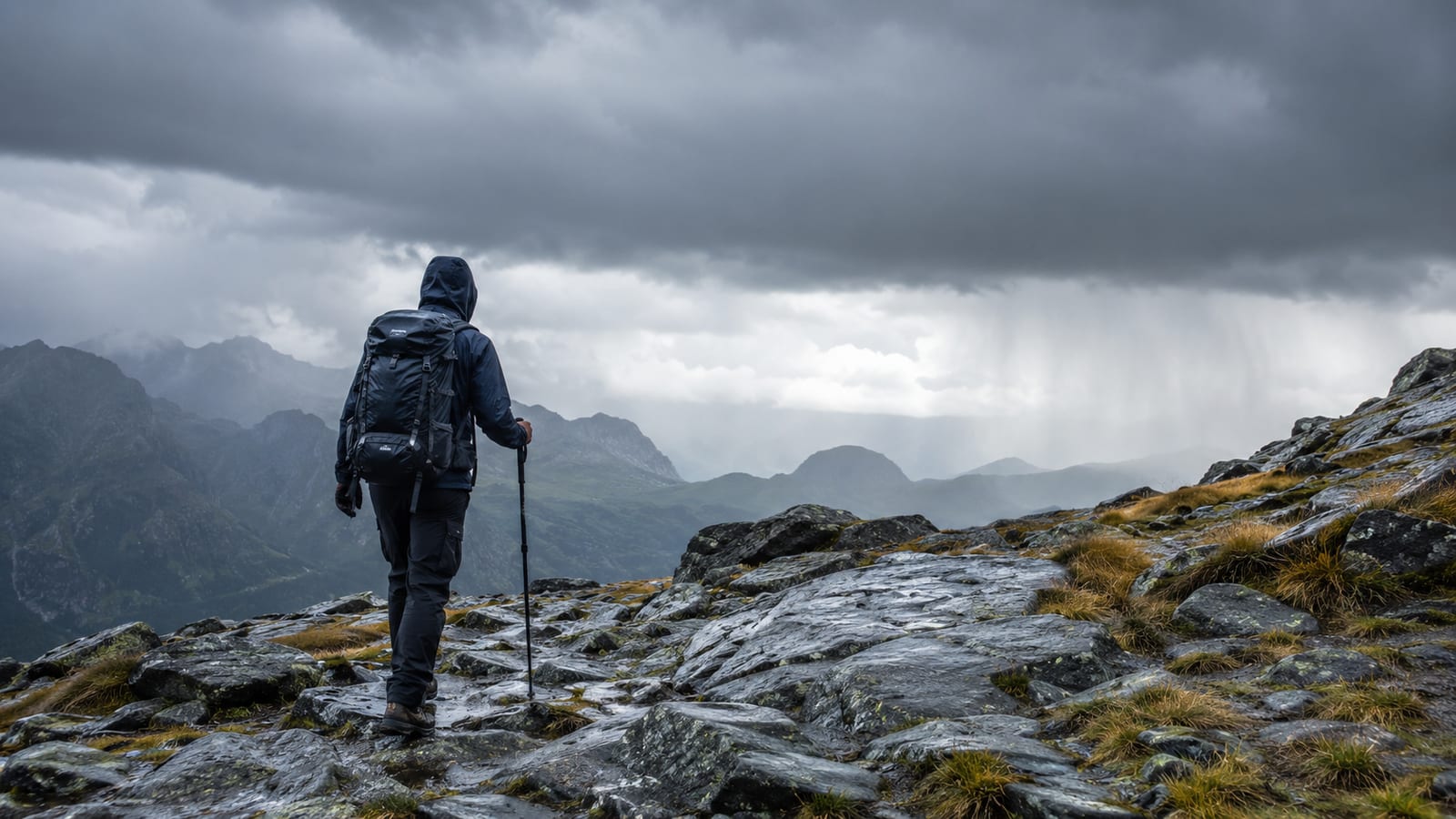
New Zealand weather changes quickly around exposed passes, volcanic plateaus, and Fiordland valleys. Summer can bring longer daylight and heavy booking demand, yet it can still deliver cold rain, hard wind, and poor visibility.
Shoulder-season hiking brings quieter tracks and less forgiving conditions. Snow, short daylight, cold water, and closed facilities can turn a normal itinerary into a poor bet. Check forecasts and track alerts close to departure.
Rain also changes the small things:
- Wet roots reduce traction.
- Sand and grit increase pack rub and foot trouble.
- Damp insulation loses comfort.
- Rivers rise and remove safe crossing options.
- Condensation soaks gear that touched the tent wall.
- Cloud hides markers and turns simple navigation into work.
If the forecast ruins the route, change the route. The mountains won’t notice the insult.
What to pack
Your kit should keep you warm, dry enough, fed, and able to call for help. Leave the trophy gear at home if it doesn’t solve one of those jobs.
Pack these core items for New Zealand multi-day hiking:
- A waterproof shell with a hood that stays put in wind
- Warm layers protected inside a waterproof pack liner
- Footwear tested on wet ground with your loaded pack
- Paper map and compass, plus offline digital navigation
- A personal locator beacon for remote routes
- Water treatment and a backup method
- Sun protection for exposed tracks
- Insect protection for camps and still evenings
- A repair kit for straps, fabric, footwear, and shelter
- Enough food for delays
- Hut or camping equipment required by the route
- A first-aid kit built around likely trail problems
Keep sleep clothing dry at all costs. A damp hiking shirt is annoying. A wet sleeping system in cold weather changes the safety margin.
Respect the land and local rules
Aotearoa’s tracks cross conservation land, Māori cultural landscapes, private property, towns, and working rural areas. Follow signs, closures, camping rules, and access instructions. A route line on your phone doesn’t overrule the people who manage or own the land.
Carry rubbish out. Use toilets where provided, clean footwear when required, and avoid moving soil or seeds between sensitive areas. New Zealand’s native ecosystems already have enough work on their hands.
Also, give wildlife space and store food carefully. Birds that approach hikers aren’t asking for trail mix, despite their persuasive manner.
The right route for your trip
Any useful list of the Ultimate Long-Distance Hikes in New Zealand has to separate a thru-hike from a hut-based holiday and a remote tramp. Te Araroa takes the season-long slot. Routeburn is the cleanest all-round recommendation, while Heaphy handles varied landscapes and Tongariro fits a shorter schedule.
For a first trip, keep the route managed and the pack sensible. For a harder trip, add exposure, remoteness, or duration one step at a time. Adding all three at once leaves little room when weather or gear goes sideways.
The Ultimate Long-Distance Hikes in New Zealand are memorable because the terrain keeps changing. That same variety makes copied itineraries unreliable, so check live conditions and build enough margin to change your plans.
FAQ
Do I need to book every multi-day hike in New Zealand?
No. Booking rules depend on the track, season, hut, and campsite. Great Walk accommodation often needs advance reservations, while other backcountry huts use different systems. Check the official route page for every overnight stop before arranging transport.
Can I hike New Zealand’s long-distance tracks alone?
Solo hiking is possible on many routes, but your margin gets thinner when you’re injured, cold, or stuck at a river. Carry reliable communication, leave a detailed trip plan, and choose a track that fits your navigation and weather skills. Busy huts don’t guarantee company on the trail.
Are Great Walks suitable for children?
Some can suit capable families, but age alone tells you little. Look at daily climbs, exposure, weather, water access, hut spacing, and how the child handles repeated trail days. Test the pack and footwear on an overnight trip before committing to a remote itinerary.
Do I need hiking boots for New Zealand multi-day hikes?
Boots help on rough ground, mud, snow, and trips with a heavier pack. Trail runners can work well on maintained tracks because they’re lighter and usually dry faster. Pick the footwear that holds your heel, protects your toes, and has already survived wet trail miles without causing hot spots.
