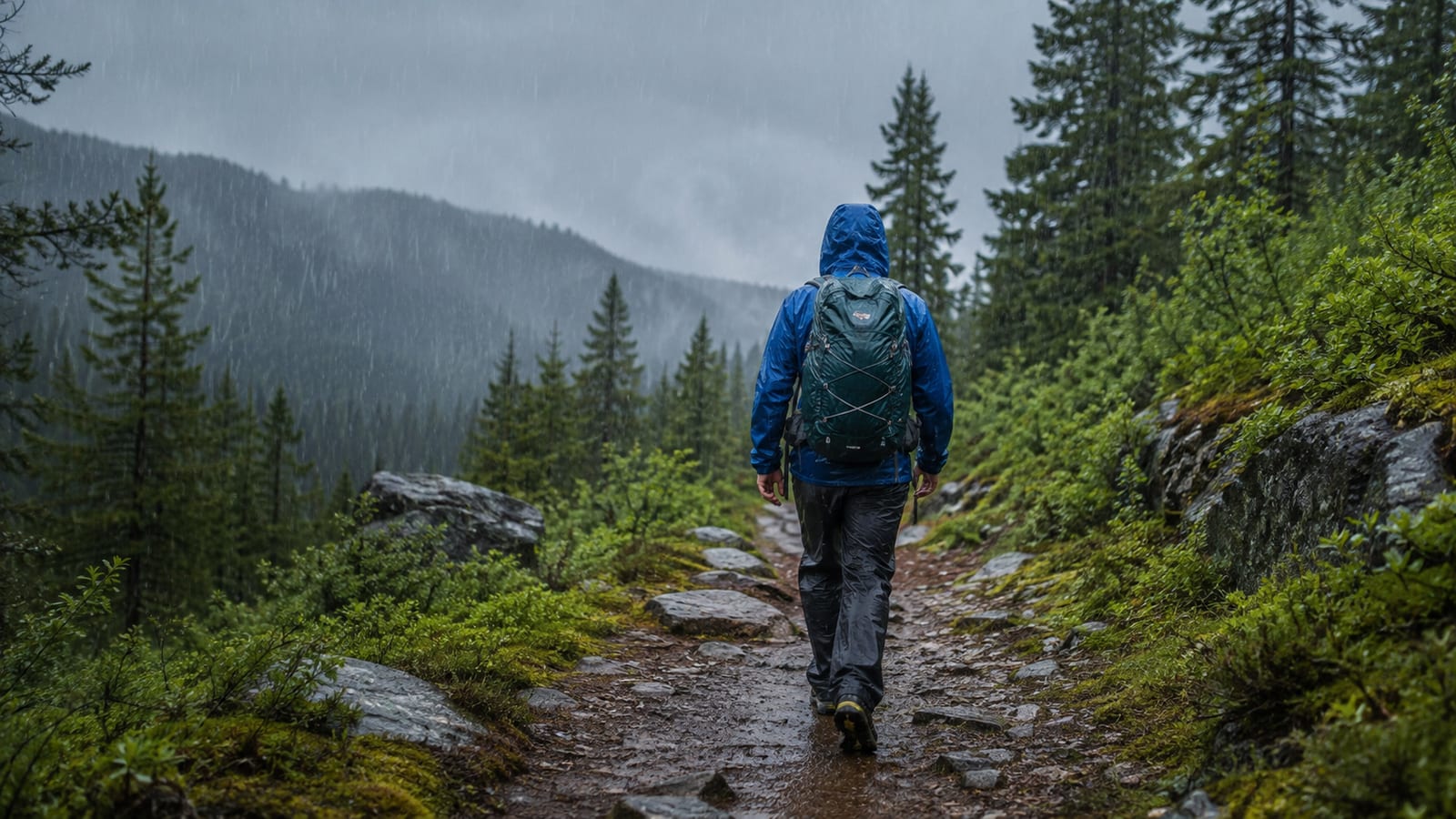
Outdoor Clothing
Build a Rain-Ready Hiking Kit That Actually Works
A waterproof shell is only the start: this guide explains layers, ventilation, pack protection, footwear, and wet-weather tactics for safer hikes.

A waterproof shell is only the start: this guide explains layers, ventilation, pack protection, footwear, and wet-weather tactics for safer hikes.
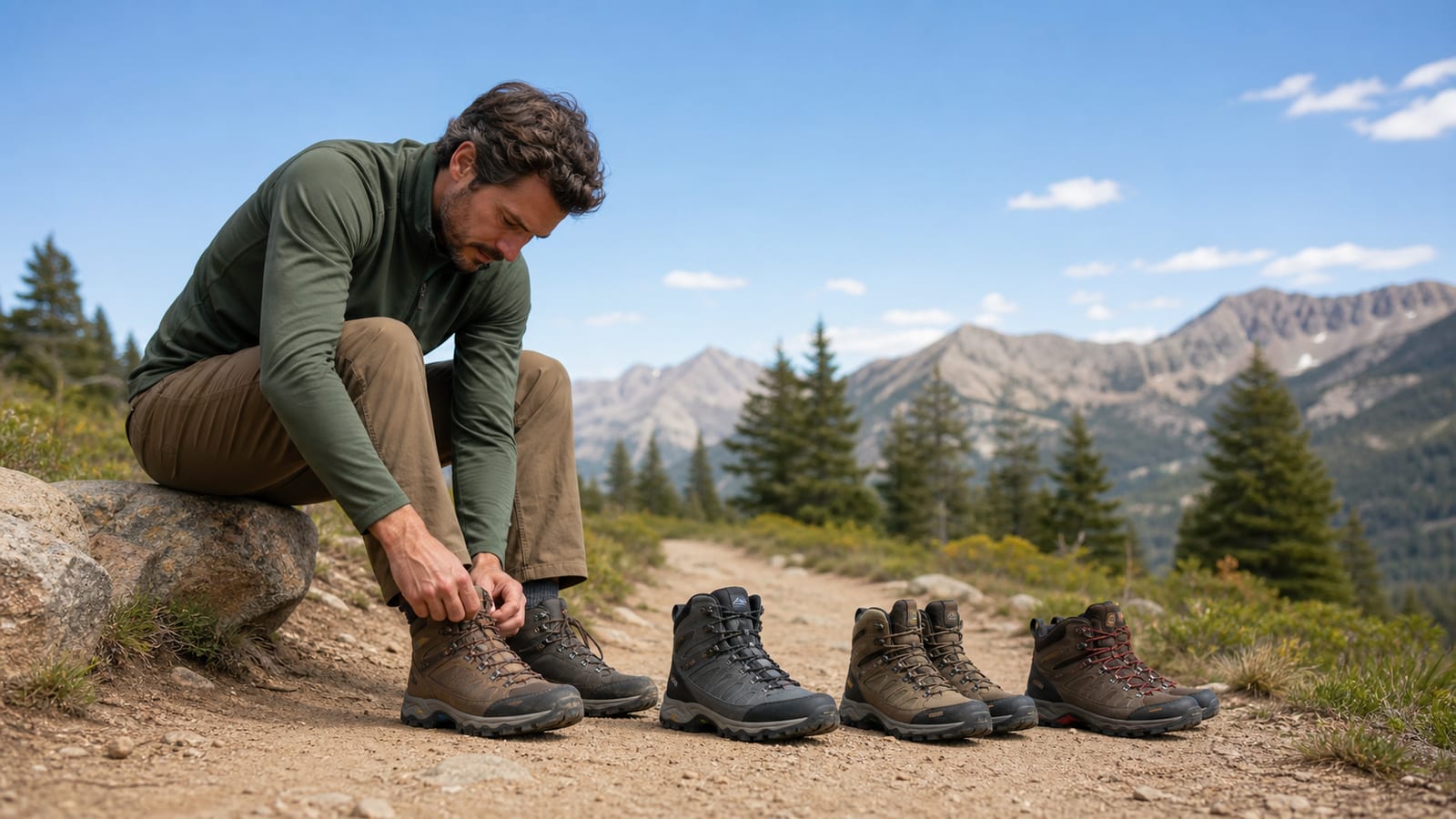
Wide feet need a foot-shaped last and roomy toebox, not just a wider size label. Here are six boots that deliver real room where it matters.
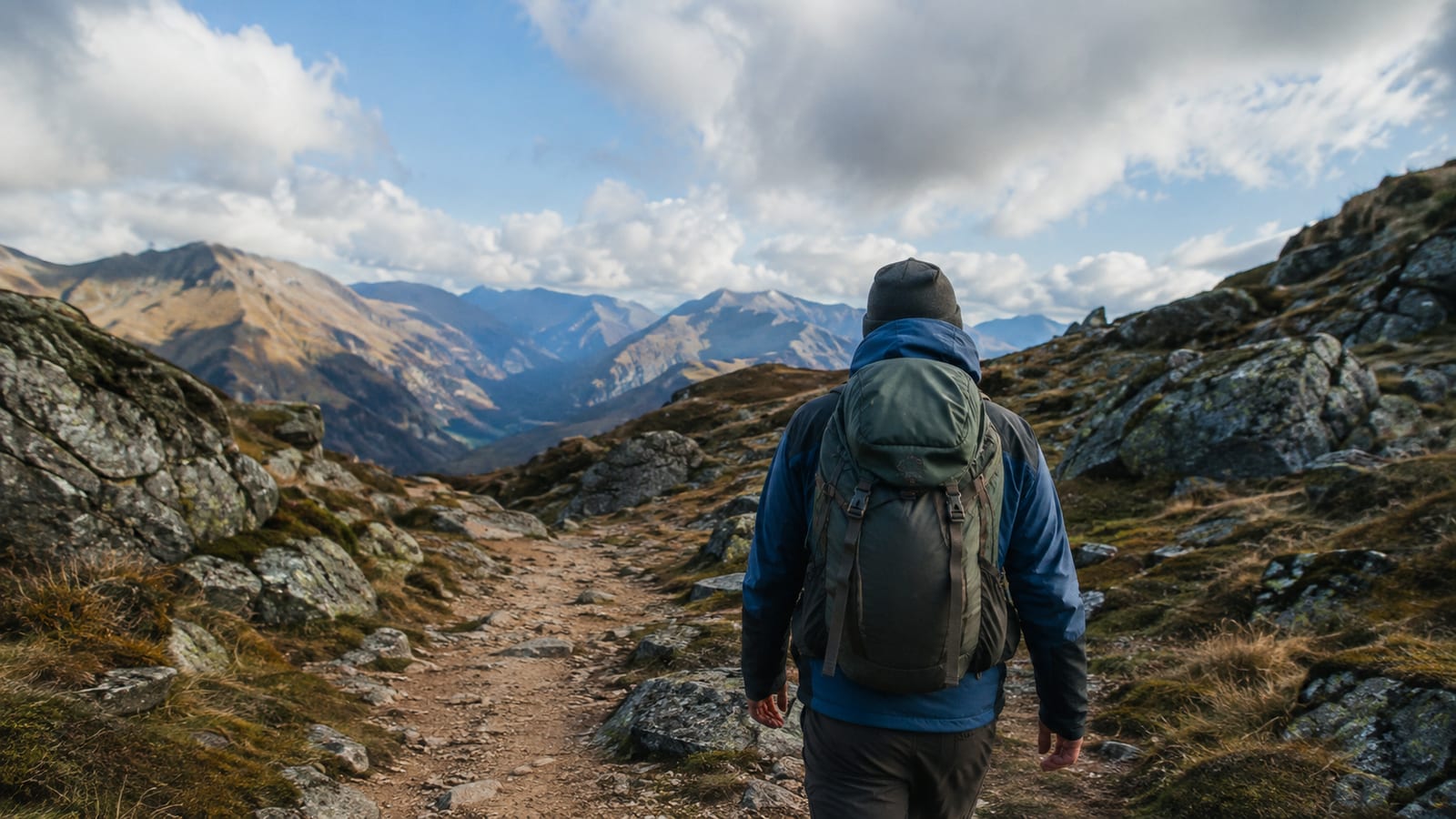
Use a sweat-moving base, breathable grid fleece, and light shell for comfortable hikes, with wind and synthetic insulation for exposed or cold stops.
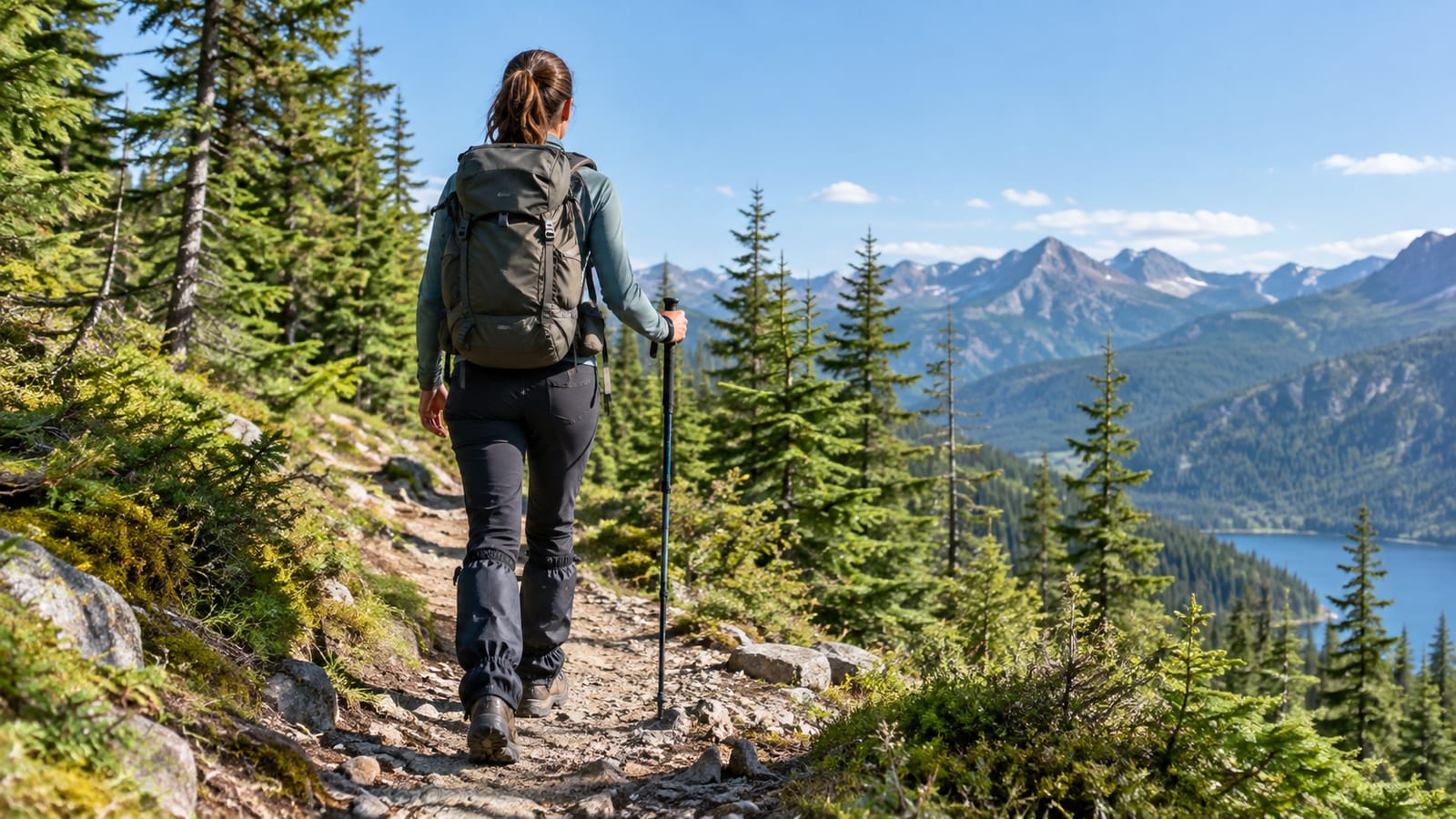
Hiking gaiters compared for mud, rain, wet grass and trail grit, from full-height waterproof pairs to low debris gaiters, with fit and care advice.

In the debate about hiking gear, there’s a discussion on hardshell vs. softshell jackets. Each type has benefits for different weather conditions. Hardshells are great

Synthetic dries faster for hot day hikes; merino stays warm when damp on cold multi-day trips. Choose based on your conditions, not the marketing.
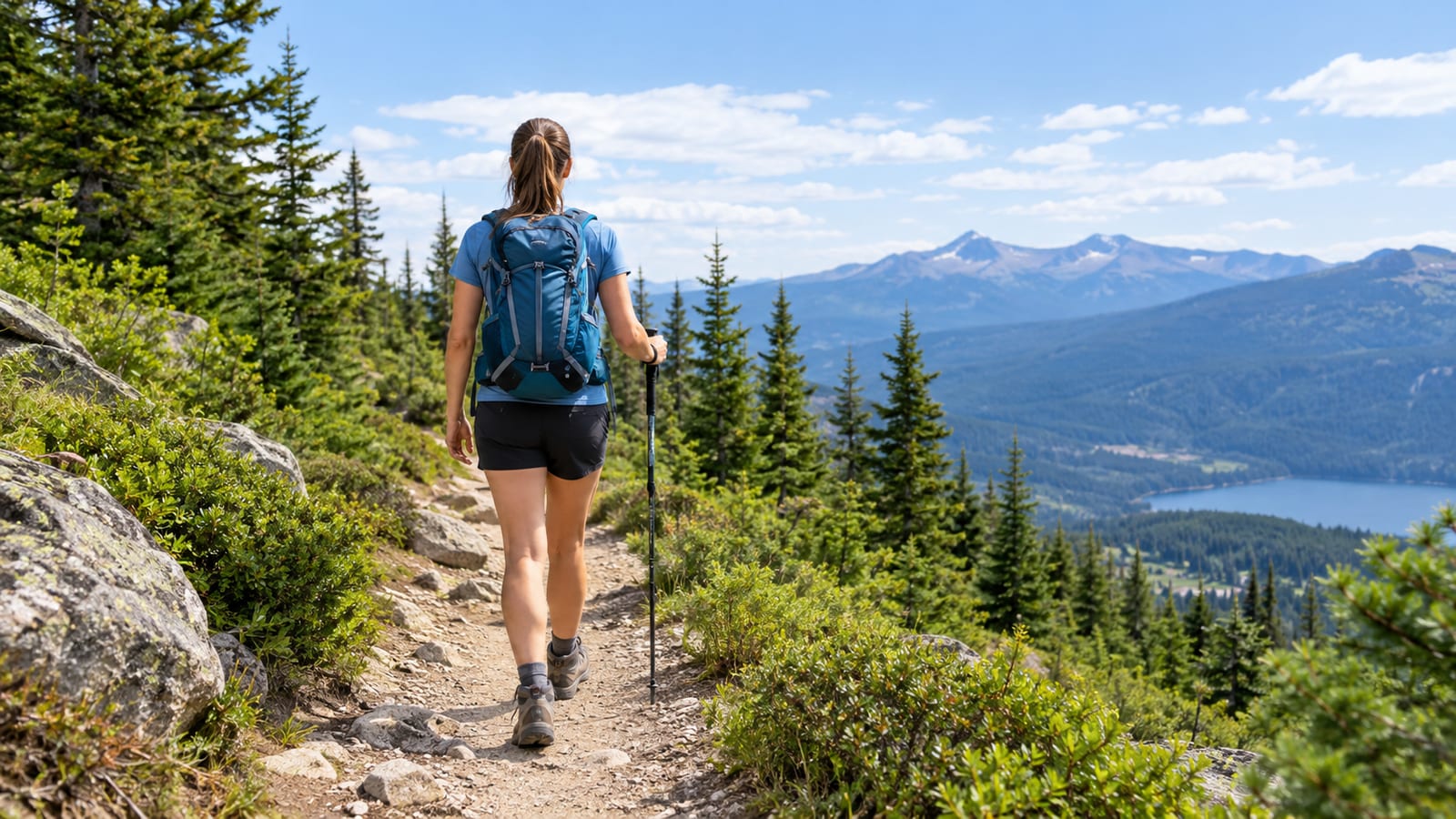
Thin synthetic fabrics, loose fits, and smart sun coverage help hiking shirts stay breathable and dry fast. Here’s how to match six options to your trail.

When hitting the trails, the right hiking shirt is key. Quick-dry hiking shirts help manage sweat, keeping you cool. It’s smart to choose performance hiking
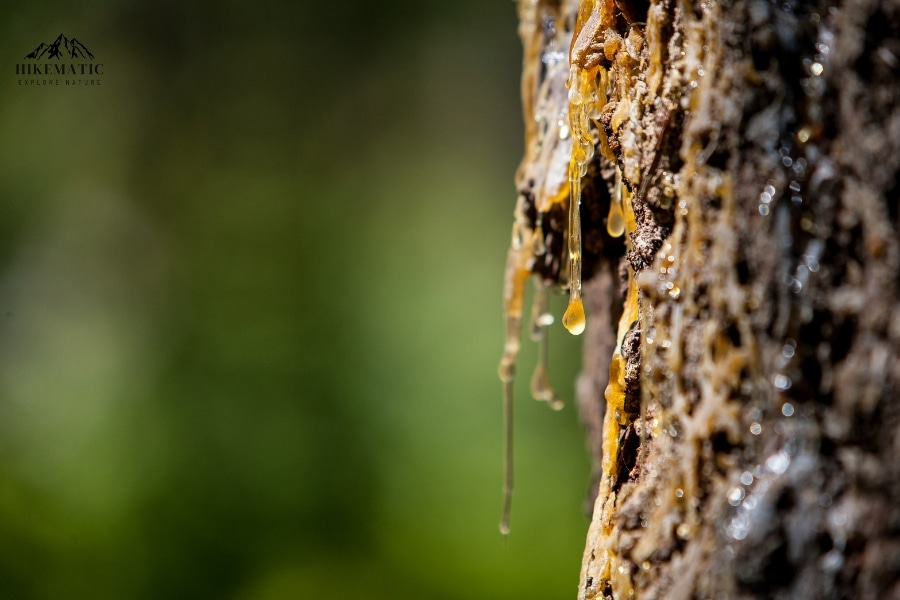
Rubbing alcohol and freezing remove tree sap from clothes in minutes. Scrape, freeze, blot with isopropyl alcohol, pre-treat, then wash warm without using heat.