
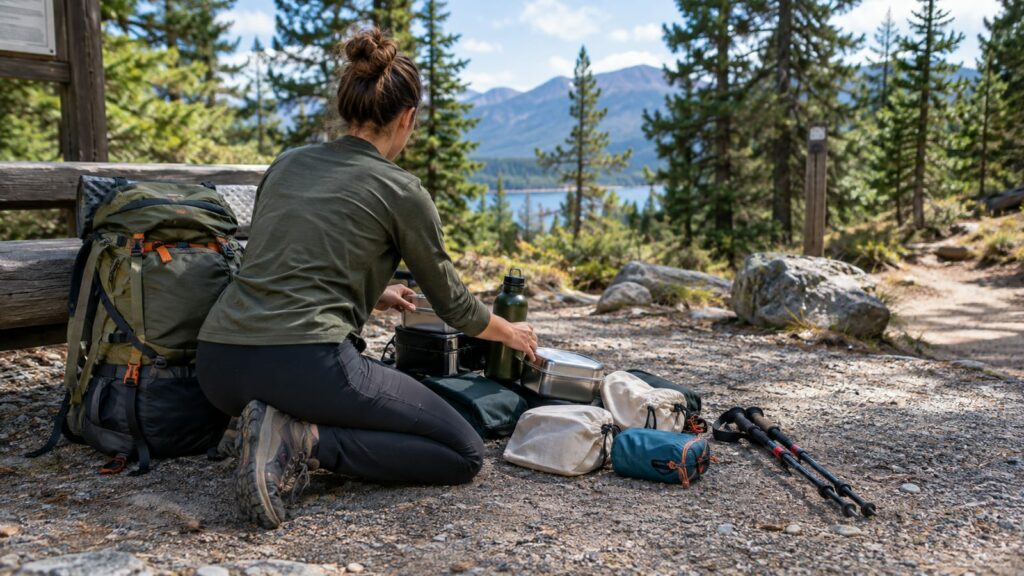
Reduce plastic use while hiking by carrying durable refillable gear, choosing low-packaging food, repairing what you own, and packing every scrap out. Plan your water and food before leaving, then replace disposable items only when the replacement works in heat, rain, mud, and cold. Plastic bags are not cold-weather hiking gear. They slide, rip, trap sweat, and can create a bad day for your feet.
Last updated: 2026-09-23
Start with a low-waste hike plan
The cleanest piece of trail rubbish is the one you never carry in. Before the trailhead, check water access, toilets, food storage rules, weather, and the real length of the route. A route with reliable water and facilities lets you carry less packaging and avoid buying disposable supplies in a panic.
The Pacific Crest Trail spans 2,650 miles from Mexico to Canada through California, Oregon, and Washington. Long routes expose every weak packing habit. A wrapper that seems harmless on day one becomes a sack of rubbish after weeks of meals.
Use this planning sequence:
- Check water sources and refill points. Carry enough water for the actual trail conditions, then bring a filter or purifier that suits the source.
- Plan meals before shopping. Choose food you already eat. Fancy low-waste meals are still wasteful if they come home untouched.
- Pack one backup for real problems. Keep a small food reserve and basic repair supplies. Do not carry a pile of disposable “just in case” items.
- Borrow, rent, or repair gear first. A used pack that fits beats a new pack made from impressive-sounding fabric.
- Set up a rubbish system before leaving. Give food waste, wrappers, and dirty items a place in your pack before the trailhead.
You can also use these eco-friendly hike planning steps before a trip. Good planning reduces plastic, pack weight, and the number of awkward purchases made beside a petrol station.
Replace single-use water plastic with durable systems
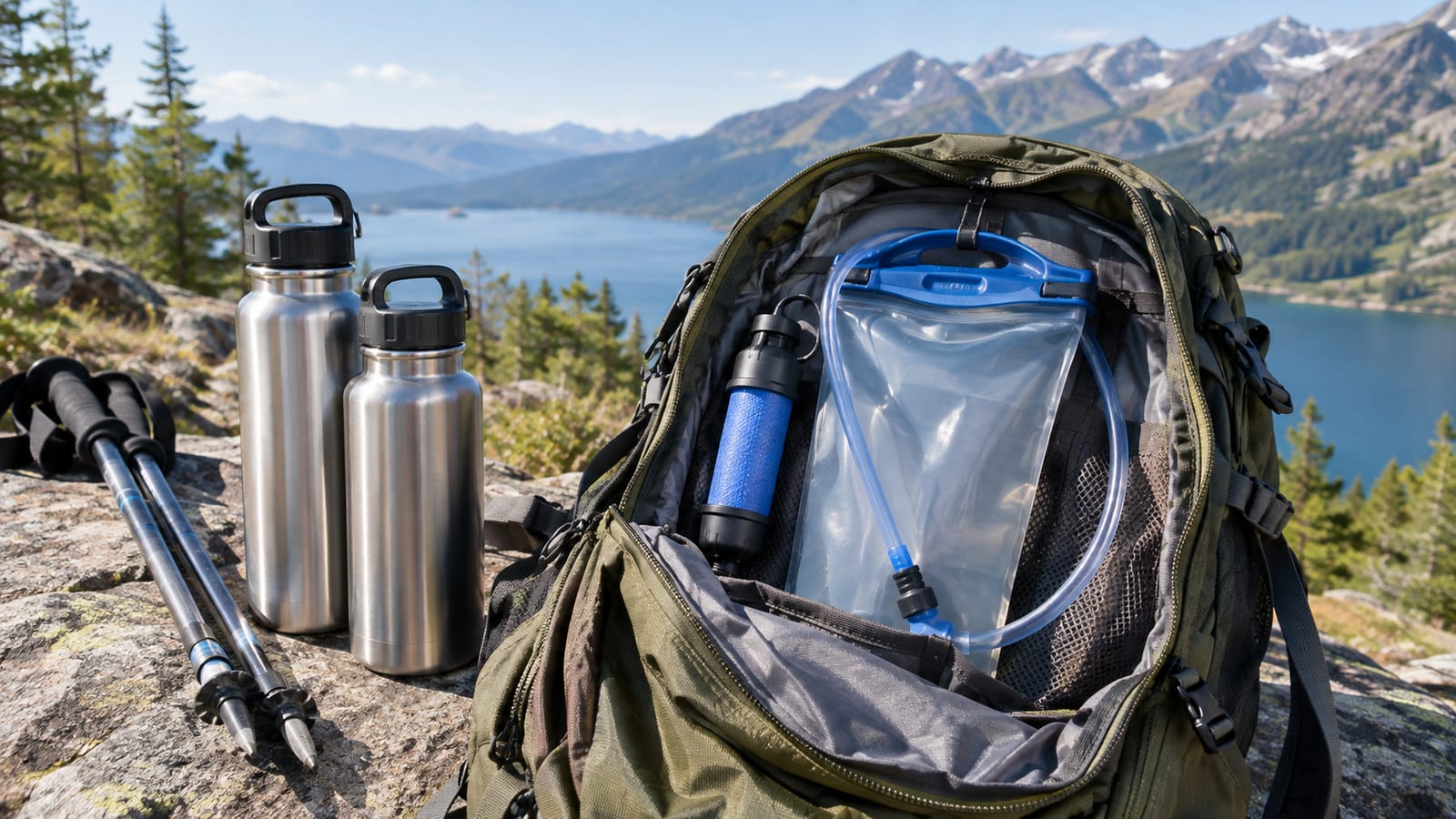
Use a refillable bottle or water reservoir with a filter or purifier suited to your route. Many national parks provide refillable water bottle stations, so use them instead of buying single-use bottles.
Your water system needs to match the trip:
- Bottle: Simple, durable, and easy to clean. It works well on short hikes and routes with regular refill points.
- Reservoir: Useful when you drink often and do not want to stop on every switchback. Keep the hose clean and check for leaks before leaving.
- Gravity filter: Good for groups and basecamps. It saves effort, but clogged filters become slow and irritating.
- Squeeze filter: Compact and practical for solo trips. It needs backflushing when flow slows.
- Purifier: Worth considering when viruses are a concern or water sources are poor. Check its treatment limits and replacement parts.
Weight matters, but so does field use. A bottle that lasts for years is useful only if you actually carry it. A filter that clogs after one silty stream is not a sustainable choice just because the box uses green lettering.
Keep the clean end of the filter away from dirty water. Carry tablets or another backup when the route is remote. Hollow-fiber filters must be protected from freezing because internal damage can be hard to see.
Pack meals and snacks without unnecessary plastic
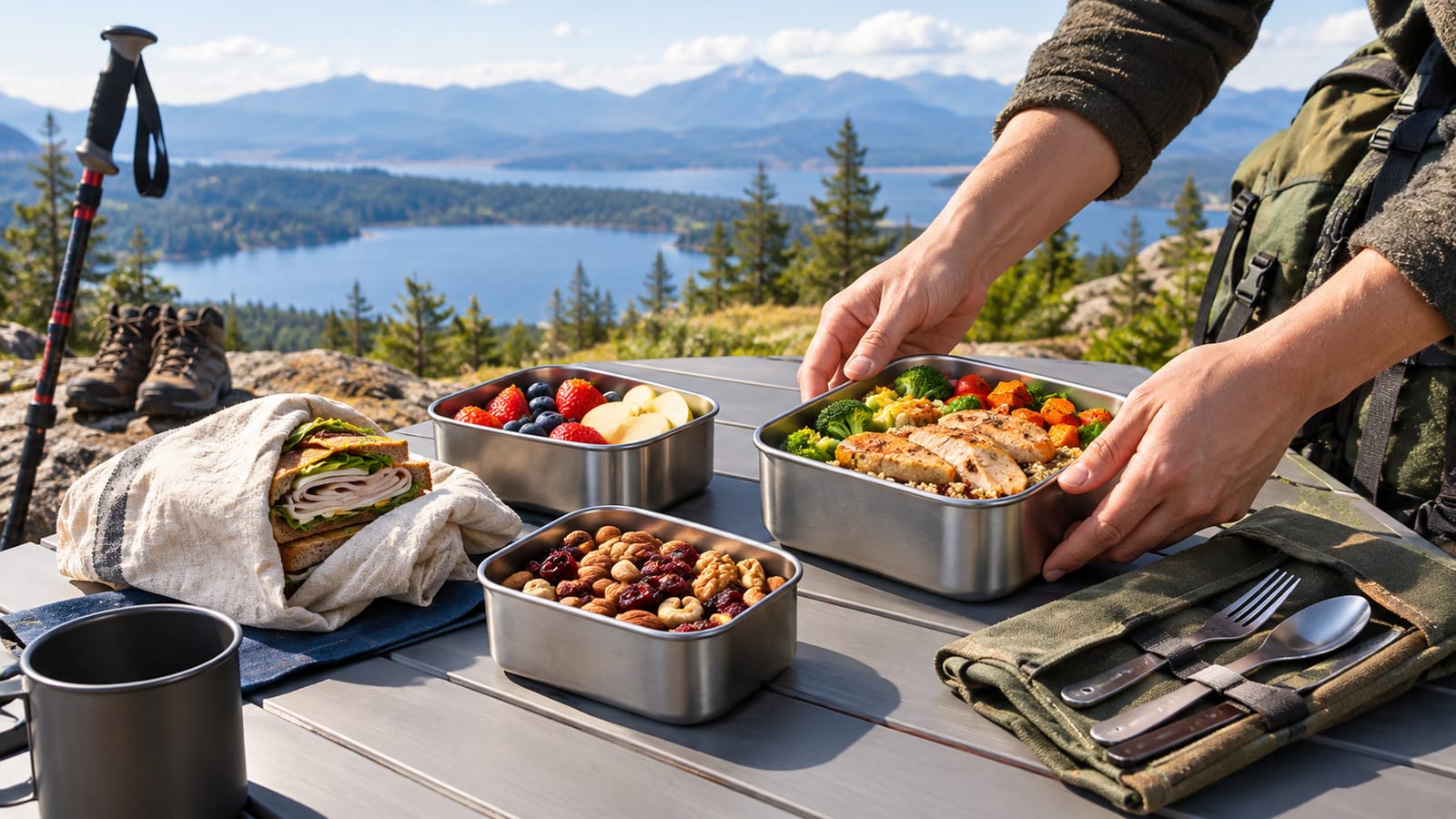
Buy food in bulk or choose larger packages that create less waste per serving. Then portion meals into reusable containers or washable bags at home. This works well for oats, nuts, dried fruit, sweets, and dehydrated meals.
Avoid repacking every snack into a separate little pouch. That creates a tidy kitchen drawer and a messy trail routine. Use a few durable bags or containers, label them clearly, and keep the meal plan simple.
A simple low-waste trail breakfast uses a repeatable ratio:
- 2 parts oats
- 1 part powdered milk
- 1 part dried fruit or nuts
- Enough water to soften the mixture
Combine the dry ingredients in one washable bag or container. Add water at camp, seal it, and leave it until the oats are soft. If you prefer a hot meal, simmer it until the texture suits you, then wipe the container before packing it away.
Pack a small food reserve for delays, weather, or a missed connection. The reserve should be food you will actually eat, not a collection of emergency bars that expire in the bottom of your cupboard.
For multi-day trips, separate meals by day or cooking time. This reduces rummaging and keeps the food bag closed in camp. It also makes it easier to spot a torn container before crumbs reach your sleeping bag.
Carry reusable utensils and containers
A lightweight spoon and cup can replace disposable cutlery, sachets, and brittle single-use containers. A leak-resistant container helps with leftovers, wet food, and meals that need to stay separate from clothing.
Keep the kit small:
- One spoon that handles hot food.
- One cup if you drink more than water.
- One durable food container for leftovers or messy ingredients.
- One washable bag for snacks or used food packaging.
- One cloth for wiping the container before washing.
You do not need a full camp kitchen for a weekend hike. A large container can be heavier than the plastic it replaces and harder to pack. Choose the smallest item that survives your food and trail conditions.
Wash containers away from streams and campsites. Food scraps attract animals, and “biodegradable” does not mean “safe to leave behind.”
Choose hiking gear for lifespan, not eco claims
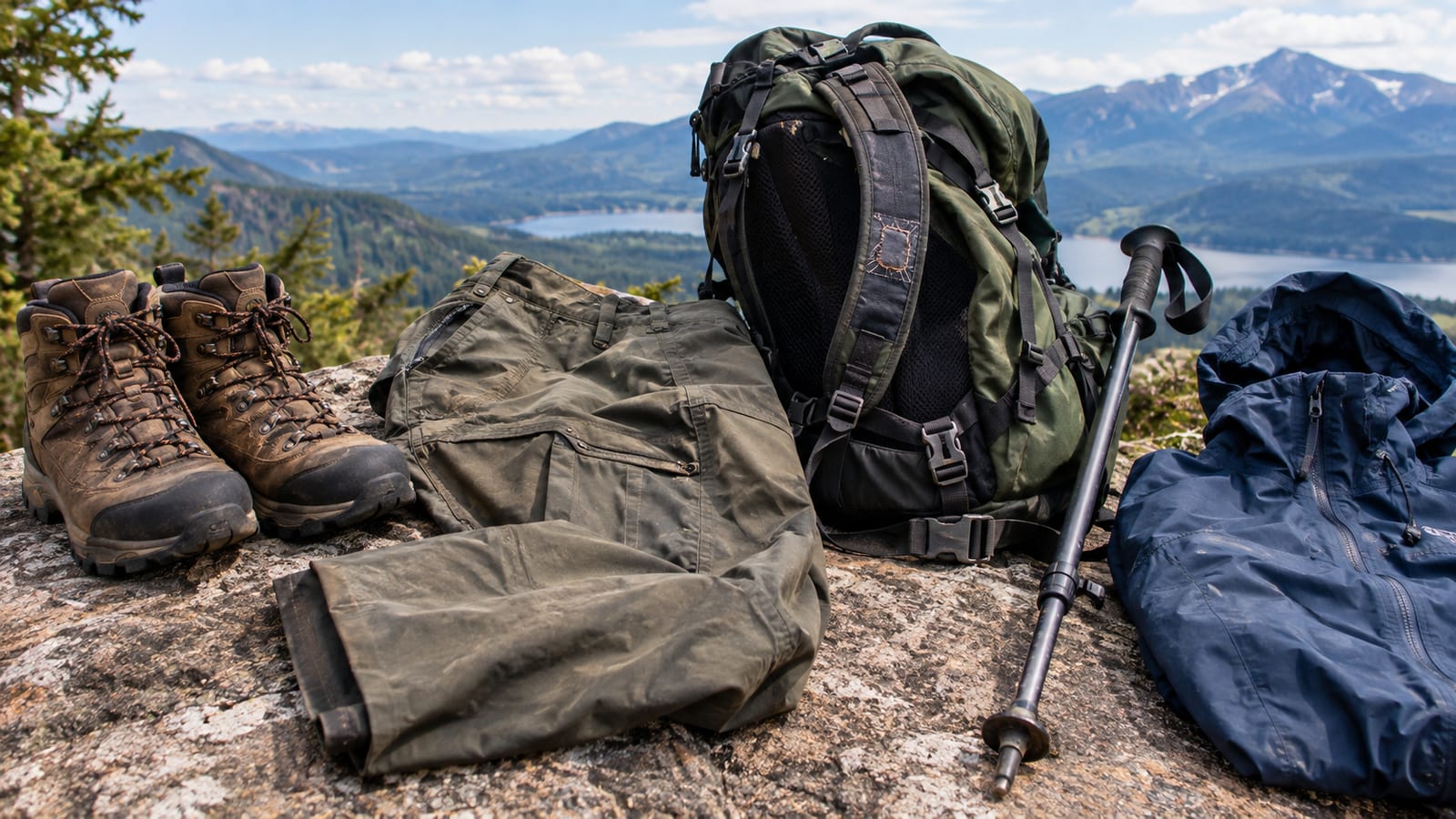
Buy gear that fits, performs, and can be repaired. Recycled fabric is useful when the garment still handles sweat, pack rub, rain, and repeated washing. A poor-fitting jacket made from recycled material is still a poor purchase.
Check these points before buying:
| Question | Why it matters on trail |
|---|---|
| Does it fit under a loaded pack? | Bad seams and shoulder rub become obvious after mile 10. |
| Can you repair it? | A patch or replacement buckle keeps gear in use. |
| Can you clean it properly? | Dirt, salt, and food shorten the useful life of clothing. |
| Does it dry at a reasonable pace? | Wet clothing creates discomfort and can become a safety issue. |
| Can you replace small parts? | A buckle or valve should not send the whole item to the bin. |
| Will you use it often? | A rarely used “green” item still consumes materials and money. |
Synthetic textile fibres are produced from fossil fuel resources such as oil and natural gas. Between 60 to 70% of textiles consumed in the EU are made of plastic, mostly polyester. That matters, but throwing away usable synthetic gear is not a clean solution either.
Keep good equipment in service, repair it, buy used when it fits, and replace it when performance or safety has gone. The same rule applies to tents, rain shells, sleeping bags, shoes, and packs.
A gear claim on a hang tag means little if the fabric wets out, the zipper fails, or the shoulder straps cut into you.
Why are hiking trousers made with plastic?
Hiking trousers are often made with nylon or polyester because those fibres are light, abrasion resistant, quick drying, and easy to add stretch to. They handle rock, brush, sweat, and repeated washing better than many natural fabrics.
The figure explains why clothing choices matter, but it does not mean every synthetic trouser is a bad choice.
Natural or recycled alternatives can work for easy trails and cool conditions. Organic cotton can feel comfortable around town or on a dry, gentle walk. It becomes a poor choice for strenuous hiking in wet weather because cotton holds moisture and dries slowly.
For cold-weather activity, the National Weather Service advises loose-fitting and lightweight layers. It also advises avoiding cotton during strenuous outdoor activities, using synthetic fabrics that wick moisture and dry quickly, and wearing outer garments that are tightly woven, water repellent, and hooded.
Choose trousers by trail conditions:
- Hot, humid hikes: Lightweight trousers that dry quickly and vent well.
- Rocky routes: Abrasion-resistant fabric with a secure waistband.
- Wet forests: Quick-drying fabric and a cut that works under rain trousers.
- Cold shoulder-season trips: Layering room for insulation without pack rub.
- Easy dry trails: Used or natural-fibre trousers may be good enough.
A pair that lasts through many trail miles can be a better environmental choice than several fragile alternatives. Keep it simple and wear the garment until repair no longer makes sense.
Build a hiking gear kit that uses less plastic
A completely plastic-free hiking kit is usually the wrong target. Some synthetic fabrics, water filters, medical items, buckles, and waterproof materials solve real problems. The useful goal is to remove disposable plastic where a durable alternative performs just as well.
Good practical swaps include:
- Refillable bottles instead of purchased water.
- Reusable bags instead of fresh food pouches for every snack.
- A washable cloth instead of disposable cleaning wipes.
- Bar soap or refillable toiletry containers instead of small hotel-style bottles.
- A repair patch and cord instead of replacing a torn item.
- Reusable period products when they suit your body and trip.
- A durable rubbish bag instead of collecting waste in several thin bags.
- A reusable spoon instead of disposable cutlery.
- A refillable lighter or stormproof fire tool where fires are legal and safe.
Do not swap a proven safety item for a fragile novelty. A reusable first-aid pouch is sensible. Removing medical tape because it contains plastic is not. A repairable rain jacket is sensible. Leaving rain protection behind because the fabric is synthetic is worse.
You can review more sustainable gear options for hikers, but judge each item by fit, weather protection, dry time, and repairability.
How do you reduce plastic use while hiking: sustainable gear tips?
Reduce plastic waste while trekking by combining several small habits:
- Refill water. Carry a durable bottle, reservoir, filter, or purifier.
- Shop with the route in mind. Choose food with little packaging and portion it at home.
- Reuse storage. Wash and dry bags or containers after each trip.
- Repair before replacing. Fix zippers, straps, holes, and buckles when the repair is safe.
- Avoid duplicate gear. Borrow or rent equipment you will use rarely.
- Keep toiletries compact. Take only what you need in refillable containers.
- Pack out everything. Food scraps count as rubbish.
- Sort waste after the trip. Follow the rules of your local facility.
This is how to save hiking trails in real life. You do not need a perfectly plastic-free load. You need fewer disposable items, better planning, and the discipline to carry home what you brought.
Pack out every scrap and sort it responsibly
Some hikers do throw away plastic wrappers, bags, and food waste. Others leave crumbs, wet wipes, or “compostable” packaging behind because they think it will disappear. It will not vanish on your schedule.
The Leave No Trace Seven Principles advise hikers to inspect campsites, food preparation areas, and rest areas for trash or spilled foods. Pack out all trash, leftover food, and litter.
Use one durable rubbish bag inside your pack. If it helps, keep small inner bags for wet food waste, sharp items, or clean recyclables. Do not create a complicated sorting system that leaks or takes longer than the hike.
After the trip, separate plastic and food waste only where local facilities accept those materials. Compostable plastic needs special care:
- Compostable plastic generally belongs in an industrial or commercial composting facility. Home compost bins usually do not reach the required conditions.
- Compostable plastics are not intended for recycling. They can contaminate and disrupt recycling when mixed with petroleum-based plastics.
- Check with your local government or recycling company before placing compostable plastic in a collection bin.
- If no collection service accepts it, ask about a proper drop-off location. Otherwise, put it in general rubbish according to local rules.
“Compostable” on a package is not permission to leave it at camp. The trail is not a compost facility.
Can you wear garbage plastic bags while hiking in very cold weather?
No. Garbage bags slide inside footwear, tear on rock, trap sweat, and can create trip and cold-injury risks. They also provide poor control when you need to move quickly over snow, ice, or loose ground.
Use purpose-built waterproof footwear, gaiters, rainwear, or a vapor-barrier system designed for cold conditions. A vapor barrier is a waterproof layer that limits sweat from reaching insulation. It needs careful use and clean, dry socks.
The National Weather Service recommends dressing in layers, covering exposed skin, and limiting time outdoors in dangerous cold. A breathable shell matters because moisture can build up inside clothing and soak you. Outer layers should shed water while allowing you to manage sweat.
Wear layers of loose-fitting and lightweight clothing. Check your feet often, especially if socks are wet or numb. A plastic bag that shifts under your heel is a poor trade for a proper layer.
Clean hiking starts before the trailhead
Clean hiking is less about buying a special product and more about avoiding a dirty routine. Wipe mud from gear before storage, dry wet items fully, and clean food containers before the smell attracts animals.
Use these clean hiking pro tips:
- Pack food in containers that close securely.
- Carry used wipes, tissues, and hygiene items out.
- Keep dirty footwear away from food and sleeping gear.
- Do not rinse soap, grease, or food scraps in streams.
- Check your campsite, rest area, and cooking spot before leaving.
- Leave natural objects where you found them.
- Stay on durable surfaces when the trail is wet or muddy.
Eco-friendly hiking trails still need visitors to behave properly. A recycling symbol cannot fix poor campsite habits. Your conduct matters more than the label on your bag.
Make the sustainable choice survive the whole trip
Before buying or packing a replacement, run through this field checklist:
- Weight: Will the item earn its place in your pack?
- Durability: Can it handle heat, bugs, mud, rock, and pack rub?
- Comfort: Does it work after several hours, not just at home?
- Repairability: Can you patch or replace a small part?
- Cleaning: Can you wash and dry it without special treatment?
- Disposal: What happens when it finally wears out?
- Use: Will you carry it often enough to justify making it?
- Performance: Does it outperform the disposable item in real trail conditions?
The sustainable choice is the one you keep using. If a replacement leaks, clogs, smells, tears, or makes the trip harder, you will abandon it. That is a false economy with a nice label.
For more ways to reduce waste before packing, see these practical steps for cutting hiking waste at home.
FAQ
Are synthetic hiking clothes bad for the environment?
Synthetic clothes come from fossil fuel resources, so they have a real environmental cost. They also provide useful trail performance, including quick drying, low weight, stretch, and abrasion resistance. Keep durable clothing in use, repair it, and replace it only when it no longer works safely.
Is organic cotton suitable for hiking?
Organic cotton can work for easy hikes in dry, mild conditions. It is a poor choice for strenuous trips, steady rain, or cold weather because it holds moisture and dries slowly. For demanding routes, use clothing that manages sweat and dries quickly.
Should hikers avoid all plastic gear?
No. Avoid disposable plastic first. Some synthetic clothing, filters, medical supplies, and waterproof systems solve problems that natural materials do not handle well. Judge each item by its service life and trail performance.
What should I do with compostable bags after a hike?
Take compostable bags home and check whether your local compost program or waste facility accepts them. Do not place them in ordinary recycling unless the local rules specifically allow it. If no accepted compost route exists, follow local rubbish guidance.
How do I keep my rubbish bag from leaking?
Use one durable, leak-resistant bag and keep wet food waste separate from sharp or dirty items. Wipe containers before packing them away. If the bag has a hole, repair it at home rather than trusting it on the next trip.
