
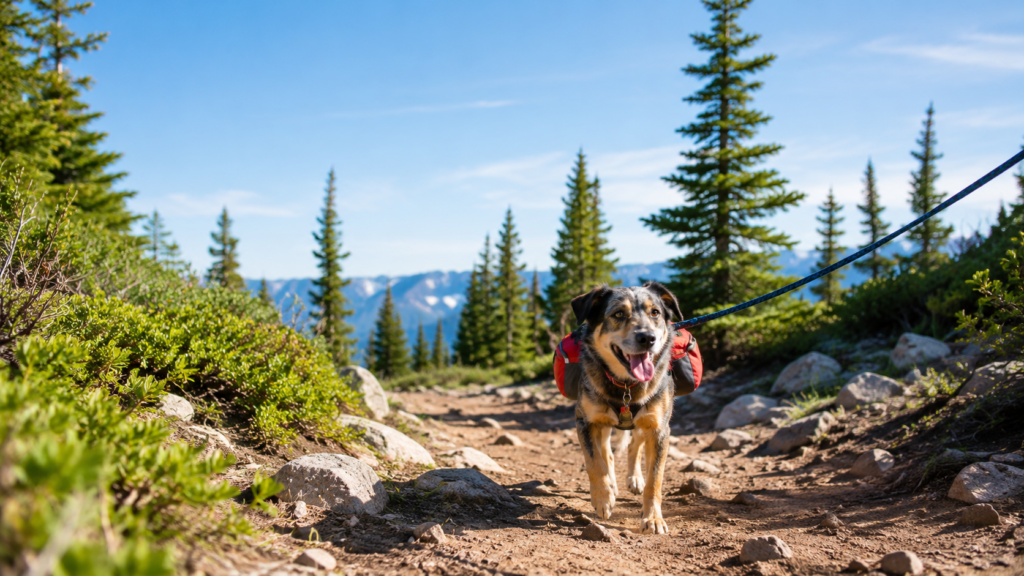
The best dog-friendly hiking trails are the ones that match your dog's fitness and your local leash rules, not the ones with the most photos online. A few stand out for real reasons: the Royal Arch Trail rewards a strong climbing dog with a payoff at the top, Lands End Trail in San Francisco gives you coastal views on a wide, manageable path, and Mystic Canyon Trail near Los Angeles packs a short 1.92-mile loop that suits an average dog on a warm day. Pick by heat, distance, footing, and whether your dog can hold a solid recall before you worry about scenery.
What actually makes a trail dog-friendly
A dog-friendly trail is more than "dogs allowed." Allowed and suitable are different things. A trail can permit dogs and still cook their paws, run them off a cliff edge, or leave them with no water for three hours.
Here is what matters after the first mile:
- Footing. Loose rock and long scrambles are hard on paws and joints. Smooth dirt and packed gravel are kinder.
- Water. Shade and a creek or a place to refill beat a bare ridge in July.
- Leash reality. Know the rule before you drive. Some places want dogs leashed the whole way; a few allow off-leash if your recall is honest.
- Distance and gain. A fit dog and a couch dog do not hike the same trail. Match the route to the dog you actually have.
- Crowds and edges. Narrow trails with drop-offs and heavy foot traffic are stressful for a leashed dog and everyone passing.
If you only check one thing, check the heat. Dogs cool through their paws and their mouths, and a hot midday climb is the fastest way to turn a nice hike into a vet bill.
Four real trails worth the drive
These are named trails with enough public detail to judge. Each suits a different dog and a different day.
| Trail | Where | Best for | Watch out for |
|---|---|---|---|
| Royal Arch Trail | United States | Fit dogs who like a climb with a payoff | Steady elevation; bring water |
| Lands End Trail | San Francisco, CA | Views without brutal effort | Crowds, coastal wind, leash rules |
| Mystic Canyon Trail | Los Angeles, CA | A short outing on a warm day | Heat; 707 feet of gain over a short loop |
| St. Mary's Glacier | Colorado | Dogs used to rock and altitude | Steep and rocky footing; small cash fee |
Royal Arch Trail is the pick when your dog is genuinely fit and enjoys working uphill. The reward at the top makes the effort feel earned. This is not the trail for a dog who quits after a mile, and it is not a hot-afternoon route.
Lands End Trail in San Francisco is the easy call for people who want coastal scenery without punishing their legs or their dog. The path is wide enough to pass other hikers, which matters on a leash. The tradeoff is honest: it draws crowds, the wind off the water can be cold, and you will share it with a lot of other dogs.
Mystic Canyon Trail in the Los Angeles area is short at 1.92 miles, but it climbs 707 feet, so it is not a flat stroll. That climb over a short distance means a steady grade. Good for a quick outing with an average dog, as long as you go early and skip the midday heat that Los Angeles trails are famous for.
St. Mary's Glacier in Colorado is steep and rocky, which is the whole point and also the warning. Dogs that live on pavement will struggle with the footing. There is a small fee, around $5 cash, and no card reader to save you, so bring bills. Pair this one with dogs who already handle rock and thinner mountain air. For more mountain options at a range of difficulty, our guide to Colorado's best hiking trails covers routes that suit different fitness levels.
Off-leash freedom is a privilege with fine print
Everyone wants the trail where their dog can run. Those exist, but they come with rules that people skip and then lose access for the rest of us.
Boise's Ridge to Rivers system runs controlled off-leash trails where dogs can be off-leash only if they stay within 30 feet of their owner and come back on command. That is the real bar. Off-leash does not mean out of control. If your dog blows past a 30-foot recall to greet every stranger and sniff every bike, keep the leash on and work on training first.
The honest test for off-leash: does your dog come back the first time you call, every time, with a deer or a mountain biker in view? If not, off-leash is a rule you are breaking, not a freedom you have earned. Read the local rules the same way you would a trailhead sign, and follow our notes on hiking responsibly with pets under Leave No Trace so the access stays open.
How to match a trail to your actual dog
Do not pick the trail you wish your dog could do. Pick the one the dog in front of you can finish and still like you afterward.
- Young, fit, trail-conditioned dog: a real climb like Royal Arch is fair game. Bring more water than you think.
- Average pet dog: a short loop with some gain, done early, like Mystic Canyon. Keep the total under a couple of hours.
- Older dog or one new to hiking: wide, moderate paths with shade and easy bailout points. Lands End style over glacier scrambles.
- Rock-comfortable mountain dog: steep, rocky ground like St. Mary's Glacier, once they have the pads and lungs for it.
Puppies are a special case. Their joints are still forming, so long descents and big rocky days can do quiet damage. Keep the young ones short and low until they mature.
What to pack for a dog on the trail
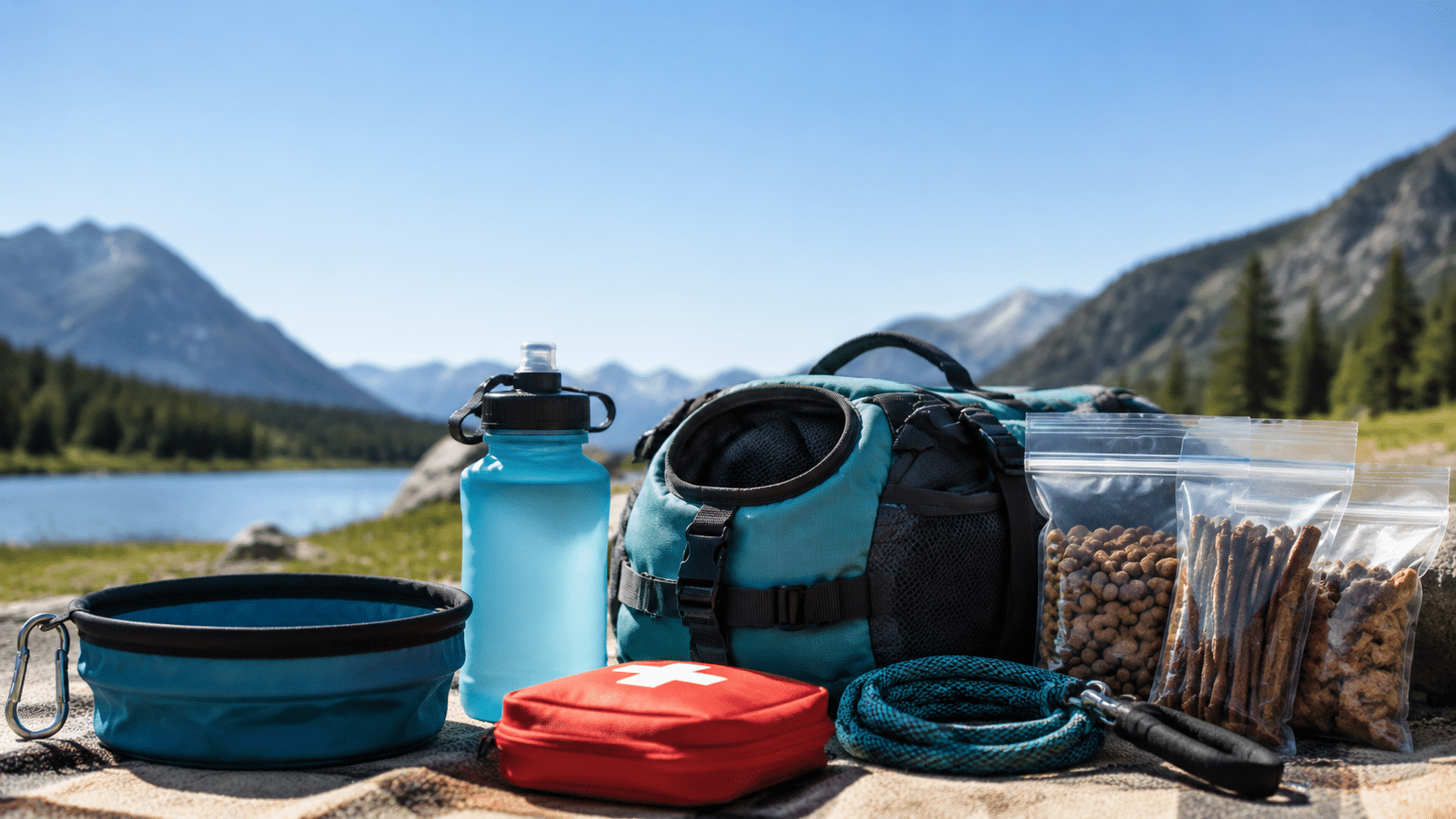
Keep it simple. You do not need a dog-specific gear closet, but a few things earn their weight:
- Water for both of you, plus a collapsible bowl. Do not count on a creek being there or being clean.
- A leash you trust and a backup, even for off-leash areas.
- Waste bags, and carry them out. This is the number one reason trails ban dogs.
- Paw protection or awareness for hot rock and hot pavement.
- A basic first-aid kit with tweezers for foxtails, cactus, and ticks.
On heat: dogs do not sweat the way you do, and they will keep going to please you well past the point where they should stop. Watch for heavy panting that will not settle, a bright red tongue, or a dog that lags and wants shade. Those are stop-now signs, not push-through signs.
If you hike the Southwest, our roundup of dog-friendly Arizona trails goes deeper on desert heat and terrain, which punish dogs faster than most people expect.
Where dog-friendly trail advice usually falls short
Most lists online tell you a trail allows dogs and stop there. They rarely tell you the footing is loose rock, the fee is cash only, or the "off-leash" freedom comes with a 30-foot string attached.
They also lean on award language and view photos. A great view does not mean a great dog trail. A narrow cliff path with a stunning overlook can be the worst place to bring a leashed, excited dog. Judge trails by footing, water, shade, crowds, and rules, not by how the overlook photographs.
The other gap is season. A trail that is perfect in October can be dangerous in July. Plan around heat and daylight, not just distance.
FAQ
What is the best season to hike with a dog?
Shoulder-season, spring and fall, is usually the sweet spot in most of the country. Summer midday heat is the real risk, especially on exposed rock and dark pavement, so if you must hike in summer, go at dawn and turn around before the ground gets hot. Winter can work in mild areas but watch for ice and salted trailheads that irritate paws.
How long a hike can my dog handle?
It depends far more on conditioning than breed. A regularly walked adult dog can often manage a few miles of moderate trail, while a dog that mostly lounges will fade fast on any real gain. Build up distance over several outings rather than starting with a big day, and let heat, footing, and your dog's energy set the turnaround, not your goal for the day.
How do I protect my dog's paws on rocky trails?
Build up their pads with regular walking on varied surfaces before you attempt a rough, rocky route, and check the pads at every rest stop for cuts, cracks, or embedded grit. Some dogs tolerate booties for sharp rock, though many hate them at first and need practice at home. On hot days, remember that dark rock and pavement hold heat long after the air cools.
Can I let my dog off-leash on the trail?
Only where it is allowed and only if your recall is genuinely reliable. Boise's Ridge to Rivers off-leash trails, for example, require dogs to stay within 30 feet and return on command, and that is a fair standard to hold yourself to anywhere. If your dog ignores you around wildlife, bikes, or other dogs, keep the leash on and treat off-leash as a skill to earn.
What should I do about dog waste on the trail?
Bag it and pack it out, every time, including in remote areas where you think no one will notice. Buried or "I'll grab it on the way back" waste is how trails end up closed to dogs. Carry a couple of spare bags and a sealable outer bag so you are not stuck holding one for miles.
