
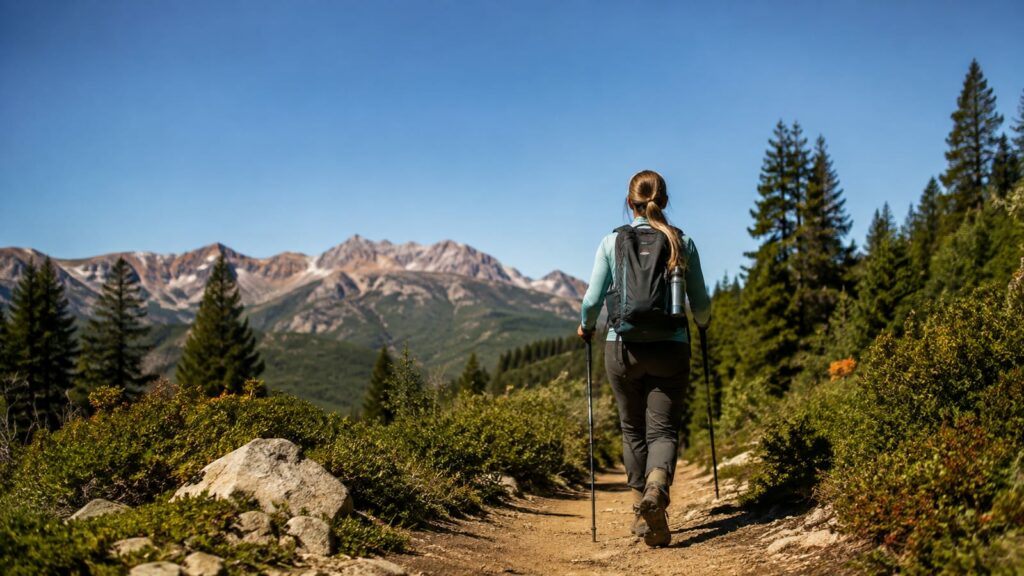
Start with the habits that prevent damage in the first place. The 10 ways to reduce your impact on trails are simple: pack out all waste, carry reusable containers, choose less-crowded routes, stay on marked trails, hike closer to home, carpool, keep away from wildlife, leave natural objects in place, avoid fragile terrain, and plan food and water before you leave. Safety still comes first, but poor planning is rarely an excuse for avoidable trail damage.
Last updated: 2026-08-12
The Leave No Trace Center for Outdoor Ethics organizes low-impact travel around 7 principles. You don't need a new gadget for them. You need enough water, a route that fits the conditions, and the discipline to skip the shortcut that looks harmless.
What are the ten most effective ways to reduce your impact on trails?
These habits do most of the work:
| Way | What it prevents |
|---|---|
| Pack out all waste | Wildlife problems, litter, and dirty campsites |
| Use reusable containers | Single-use plastic and food packaging |
| Choose less-crowded trails | Erosion, congestion, and parking strain |
| Stay on designated trails | Trail widening, shortcuts, and plant loss |
| Hike closer to home | Extra driving and trailhead traffic |
| Carpool to the trailhead | Emissions and crowded parking |
| Keep your distance from wildlife | Stress, feeding, and dangerous encounters |
| Leave plants, rocks, and flowers | Habitat loss and damaged scenery |
| Avoid fragile terrain and closures | Mud damage, nesting-site disturbance, and erosion |
| Plan food, water, and waste | Shortages, emergency detours, and leftover trash |
You don't have to do all ten perfectly on every outing. Still, the basics are not optional. Human waste, wildlife, mud, and unofficial shortcuts cause more trouble than your choice of bamboo utensil.
1. Pack out every bit of waste
Carry out food scraps, toilet paper, hygiene products, tissues, wrappers, and broken gear. A banana peel is still waste on a trail. It can attract animals, spread food odors, and make the next person stare at a brown crescent in the dirt.
Use a small sealable bag for trash. Keep it somewhere easy to reach, such as an outer pack pocket, so you don't have to unpack your shelter to find it.
Human waste needs more care. Where local rules allow a cathole, Leave No Trace recommends one 6 to 8 inches deep and 4 to 6 inches in diameter. Place it at least 200 feet from water, camp, and trails.
Toilet paper and hygiene products go in your waste bag unless the land manager says otherwise. If regulations require a toilet system or waste bag, follow those rules instead. A hole is not a universal permission slip.
2. Use reusable food and water containers
Reusable bottles, reservoirs, food containers, and utensils cut down on packaging before the hike even starts. In the USA, 50 billion single-use plastic water bottles are sold or discarded annually. Of those, 35 billion are sent to landfill or incinerated, and less than 30% are currently recycled.
You don't need a heavy metal container for every snack. A durable bottle, a soft flask, or a reusable bag can handle most day hikes. Choose what fits your water carry and pack, then use it until it fails.
For food, remove bulky packaging at home and pack snacks in containers you can close again. Bring enough food for the route, plus a small margin for delays. Loose trail mix in a pack pocket becomes trail mix for ants after one bad tumble.
Reusable gear still has trade-offs. A heavy container can add pack weight, and a narrow bottle can be annoying to clean. Keep the system simple enough that you use it on a hot climb, not just when the gear looks tidy on the kitchen counter.
For more pre-trip ideas, see our guide to cutting hiking waste at home.
3. Choose less-crowded trails when you have a choice
A packed trail concentrates foot traffic, parking demand, toilet use, and erosion in one place. Choosing another appropriate route spreads that pressure and can make the hike better for you too.
Check the trailhead before leaving. Look for parking rules, overflow plans, shuttle requirements, and recent condition reports. A quiet trail with legal parking beats a famous route where cars block the road and hikers queue at every viewpoint.
Don't treat “less crowded” as “unmanaged.” A lightly used trail may have weaker tread, poor cell service, or no nearby water. Match the route to your skills, pack weight, and bailout points.
Avoid creating a new path to escape people. If the trail is busy, let faster hikers pass in a safe spot and yield to uphill hikers and horses. Good trail manners reduce the urge for people to spread across the edges.
4. Stay on designated trails
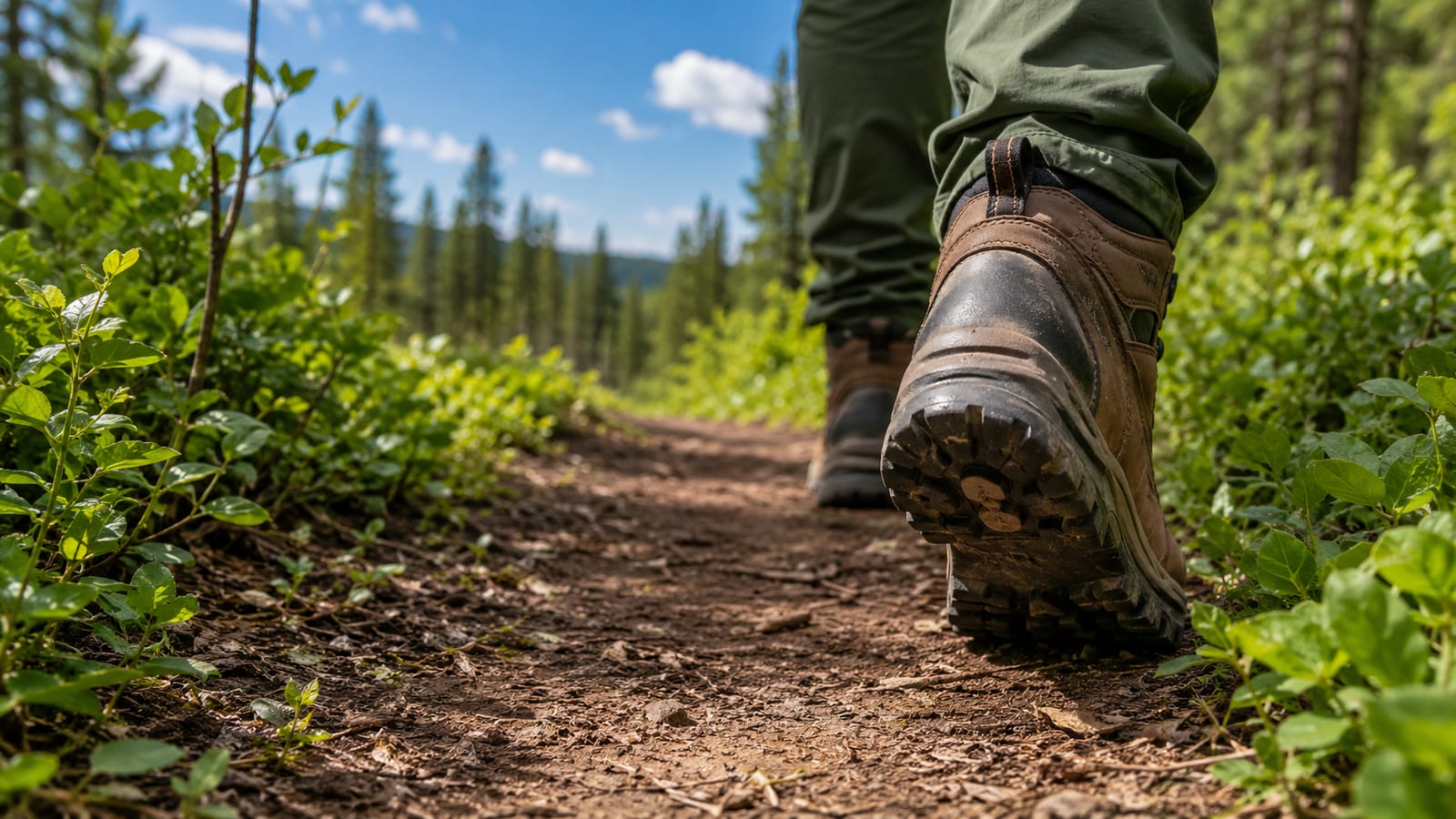
Marked trails exist to keep foot traffic on surfaces that can handle it. Stay on the route, walk through mud when going around it would widen the trail, and never cut a switchback.
Shortcuts look efficient until rain turns them into drainage channels. They also crush plants, loosen soil, and create a second route that other hikers will copy. That small diagonal line can become a permanent scar.
Wear shoes with enough grip for the trail conditions. Better traction helps you stay on the tread during loose rock, wet roots, and steep descents. If conditions are beyond your footwear, turn around instead of making a new route beside the old one.
Yielding matters here too. Move aside only where the trail can take it without trampling vegetation. A few seconds of patience costs less than a new social trail.
Our guide on reducing erosion while hiking covers the trail damage caused by shortcuts and poor drainage.
5. Hike closer to home
The trailhead is part of your impact. A nearby route usually means fewer driving miles, less traffic, lower emissions, and less pressure on small roads and parking areas.
You don't need a famous destination for a useful hike. Local greenways, county preserves, and ordinary hills can provide training, fresh air, and a chance to check your footwear before a longer trip. The scenic award committee will survive.
Driving farther can still make sense for a special route. However, don't pretend the hike erased the trip to reach it. Combine errands, visit during a quieter period, and choose a route you can enjoy without rushing back through traffic.
Nearby trails also make it easier to hike more often. That matters because a short local walk usually creates less impact than a long drive for a single outing.
6. Carpool to the trailhead
Share a ride when the route and group make it practical. One vehicle means fewer emissions, less parking demand, and fewer cars squeezing onto a narrow trailhead road.
Set the plan before departure. Agree on the meeting point, return time, fuel costs, route, and what happens if someone reaches the bailout point early. “We'll figure it out at the parking lot” is how people miss the last shuttle.
Carpooling isn't always the right call. If one person has a different pace, a medical need, or a fixed return time, separate vehicles may be safer. In that case, park legally and avoid blocking residents, gates, emergency access, or other trail users.
Public transit, a shuttle, walking, or cycling can work where the trailhead supports them. Don't force a low-impact option that leaves you stranded after dark. Plan the boring details first.
7. Keep your distance from wildlife
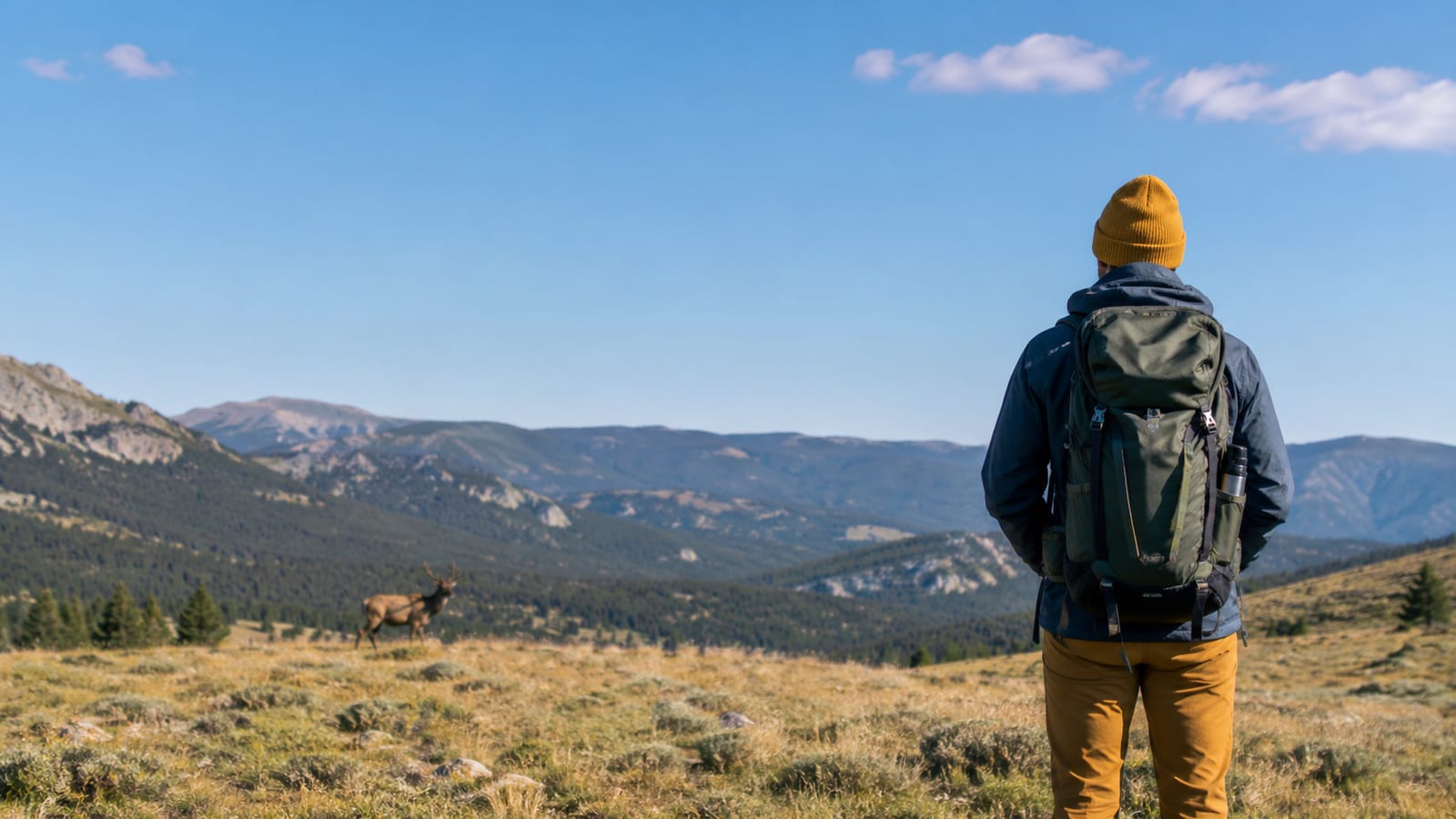
Watch animals without approaching, feeding, cornering, or following them. The National Park Service recommends staying at least 25 yards from most wildlife and at least 100 yards from predators such as bears and wolves.
Use a zoom lens instead of your feet. If an animal changes its behavior because of you, you're too close. That includes stopping its feeding, forcing it away from a trail, or making it watch you instead of the threat it was already tracking.
Give animals an escape route. Don't crowd a nest, den, carcass, water source, or young animal. Keep dogs controlled according to local rules, and don't assume your friendly dog is welcome near wildlife.
Never feed wildlife. Food rewards teach animals to approach people, which can lead to property damage, aggressive behavior, or removal of the animal. Your snack isn't a conservation program.
Read more about protecting wildlife while hiking.
8. Leave plants, rocks, flowers, and other objects in place
Leave flowers, antlers, rocks, shells, pinecones, and other natural objects where you find them. One item seems insignificant until every visitor takes one.
Natural objects also serve a purpose. Rocks can provide shelter, logs can support insects and fungi, and fallen plant material helps return nutrients to the ground. A souvenir removes more than scenery.
Don't carve trees or stack rocks for photos. Rock stacks can confuse route-finding and disturb small habitats. If you move something to make a picture look cleaner, put it back before you leave.
The same rule applies to cultural objects and historic remains. Don't touch, move, or pocket them. Report damage to the land manager instead.
9. Avoid fragile terrain and seasonal closures
Check trail conditions, weather, closures, and access rules before leaving home. Mud, ice, nesting areas, wet meadows, desert crust, and recovering burn zones can take lasting damage from a few careless steps.
Obey a closure even when the trail looks open. Fences, signs, and ropes are usually there because the ground, wildlife, or crews need time without foot traffic. Going around a closure defeats the point and may put you in a worse route.
Wet soil deserves special attention. If boots sink deeply or the trail surface starts sticking to your shoes, turn around or choose a more durable route. Walking along the edge often widens the trail and spreads the damage.
Camp only where allowed and use established sites when rules call for them. Leave No Trace advises camping at least 200 feet from lakes and streams. Keep soap, food washing, and camp activity away from water as well.
10. Plan food, water, and waste before leaving home
Low-impact hiking starts at the kitchen table. Check the route, water sources, weather, parking, closures, and return options before you pack.
Use this pre-hike routine:
- Fill reusable bottles or reservoirs.
- Pack food in containers you can close and carry out.
- Remove excess wrappers at home.
- Bring a waste bag that can hold wet or dirty items.
- Check whether the route has toilets, water, or a required waste system.
- Confirm the trailhead's parking and access rules.
- Pack enough water for the conditions and your planned distance.
- Add a small food margin for delays.
- Tell someone your route and expected return.
- Choose a turnaround point before heat, storms, or darkness force one.
Water planning prevents bad decisions. Running dry can lead to an illegal detour, a risky shortcut, or an emergency extraction. A filter can clog, a spring can be dry, and a marked water source can be closed.
Food planning prevents waste too. Pack food you'll actually eat, but don't cut it so close that you finish the hike shaky and start eyeing other people's snacks. Good preparation protects your body and the trail at the same time.
Safety still comes first
Low-impact choices should reduce risk, not create it. If a storm is moving in, a bridge is unsafe, or you don't have enough water, turn around and use the safest route available.
Pack the gear that keeps a small problem small. That may include extra layers, a headlamp, navigation tools, a first-aid kit, insect protection, or a shelter for a storm pitch. Saving a little pack weight is not worth a night of avoidable trouble.
You can usually lower both impact and risk by choosing a route that fits the group. Pick a durable trail, avoid exposed terrain during bad weather, and set a clear bailout point. There is no environmental prize for finishing the wrong hike.
FAQ
Is hiking always better for the environment than other outdoor activities?
Not automatically. Hiking still involves travel, trail construction, parking, waste, and wildlife disturbance. A nearby walk on an established route can have less impact than a long drive to a crowded destination.
Should I avoid hiking during busy seasons?
You don't need to stop hiking during busy periods. Instead, choose less-crowded times or routes, follow parking rules, and stay on durable surfaces. If a trailhead is full, leave rather than creating roadside parking or blocking access.
Are biodegradable products safe to use near streams?
No. “Biodegradable” doesn't mean harmless in a waterway. Keep soap and cleaning activities away from lakes and streams, and follow the land manager's rules for washing and disposal.
Can I reduce my impact by hiking barefoot?
Bare feet don't solve trail damage and can increase your risk from sharp rock, thorns, heat, insects, and broken glass. Wear footwear that lets you stay on the designated surface without slipping or widening the trail.
What should I do if I see someone damaging a trail?
Don't start a confrontation. Move safely, note the location, and report the problem to the park or land manager. If you can give a calm reminder without creating conflict, explain the specific rule and why the area is vulnerable.
