Guides
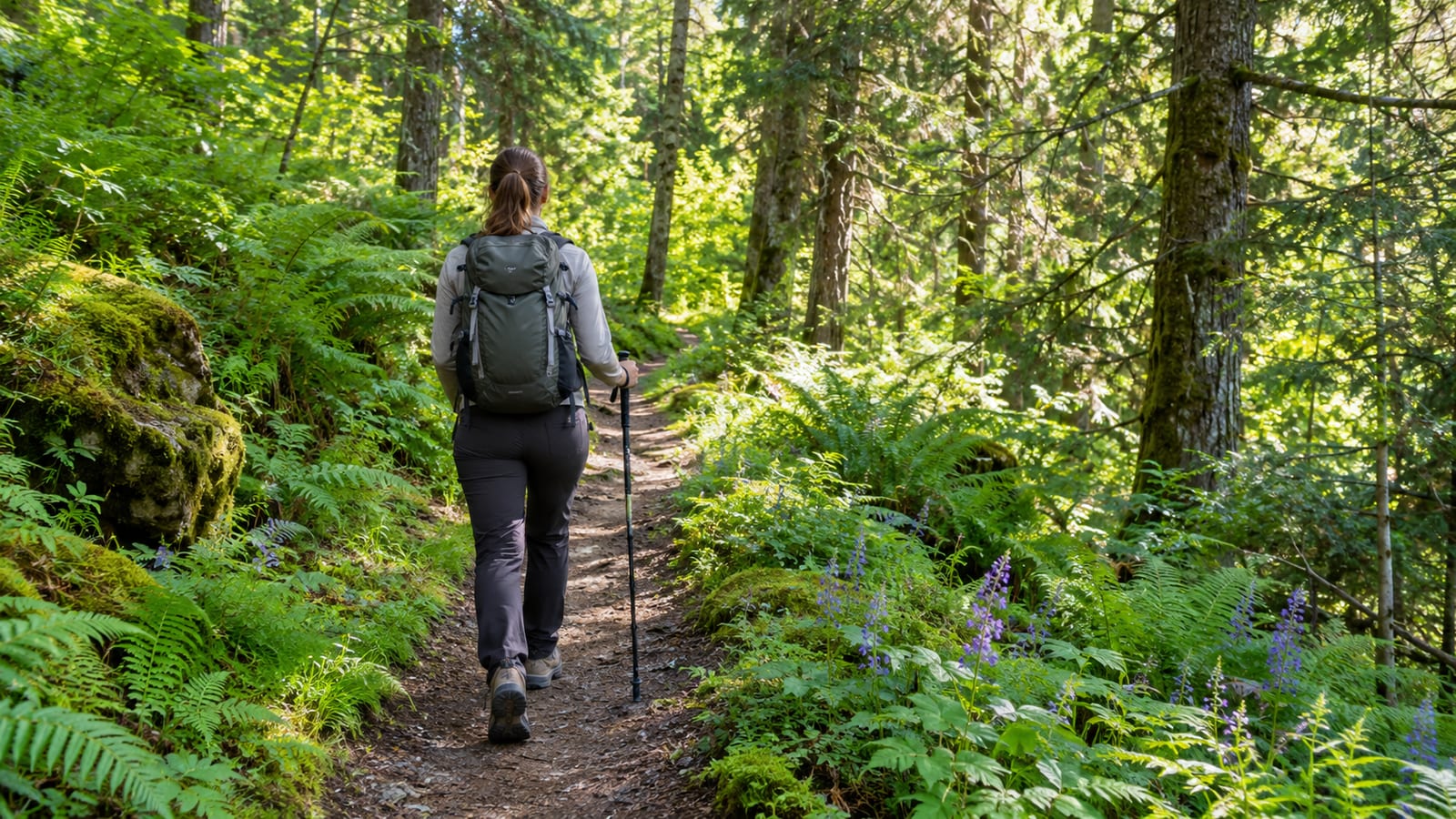
Avoid Harming Trail Plants: Stay on Marked Hiking Paths
Marked hiking paths protect plants, prevent erosion, reduce navigation risks, and keep hikers away from hazards. Use signs, maps, and closures wisely.

Marked hiking paths protect plants, prevent erosion, reduce navigation risks, and keep hikers away from hazards. Use signs, maps, and closures wisely.
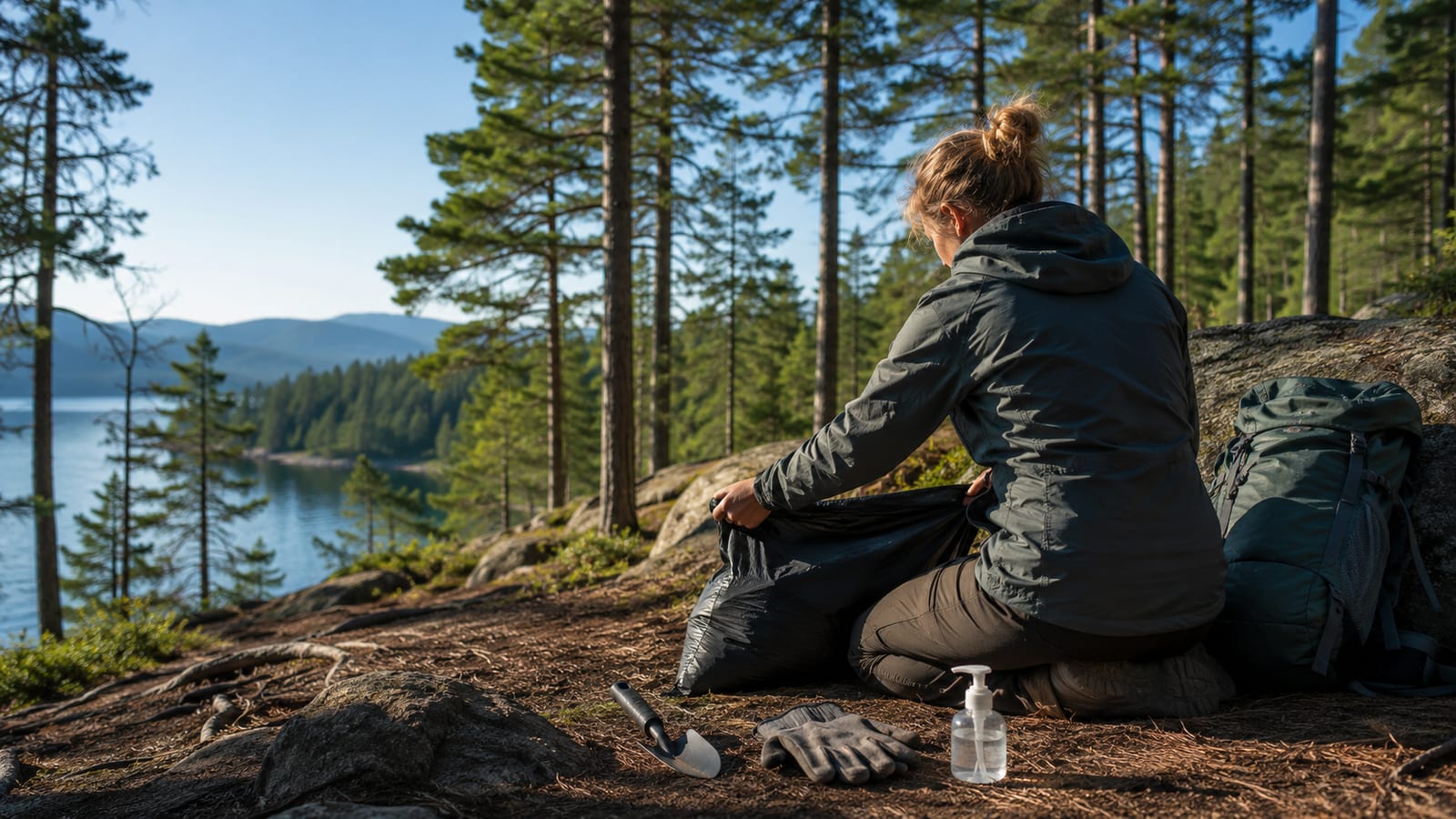
Local rules come first in this practical trail guide to handling human waste, toilet paper, food scraps, gray water, and trash without harming nature.

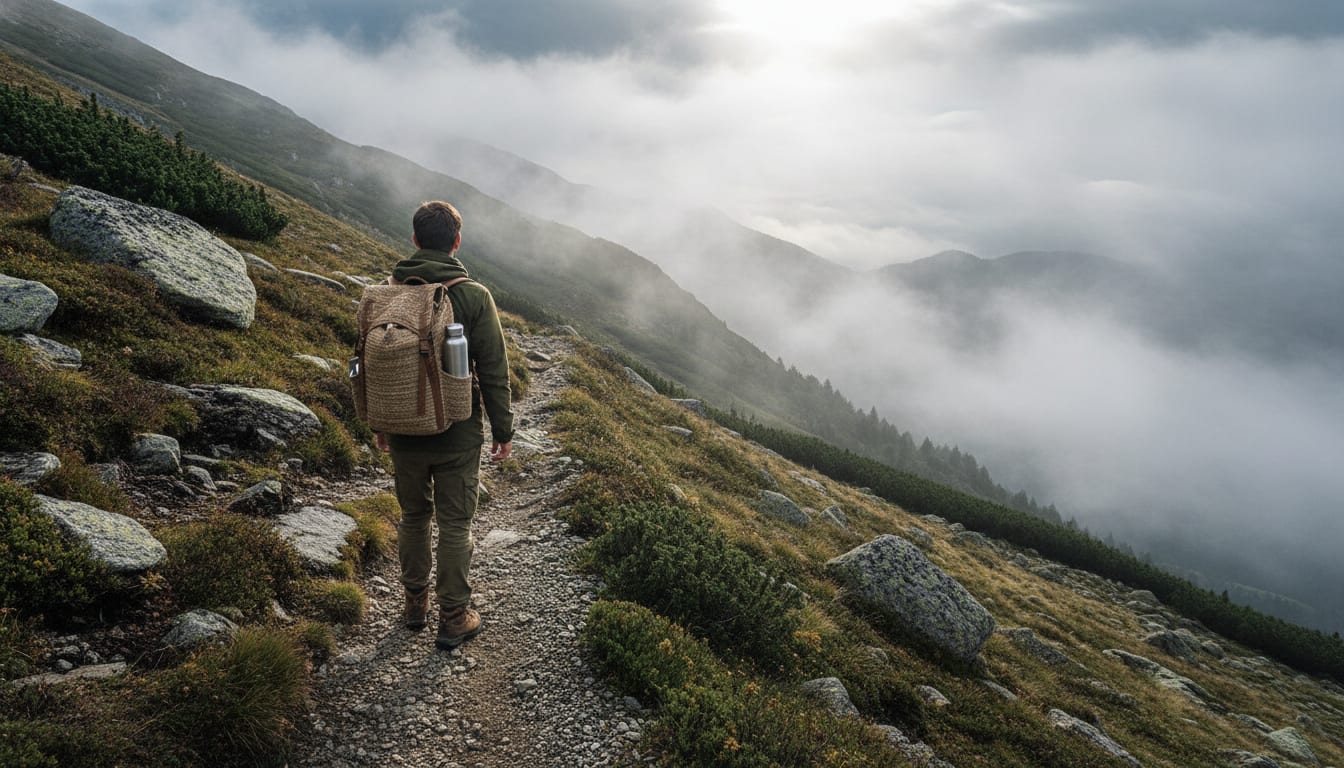
Staying on marked hiking paths protects wildlife, fragile habitats, and hikers by reducing disturbance, erosion, hidden hazards, and the risk of getting lost.
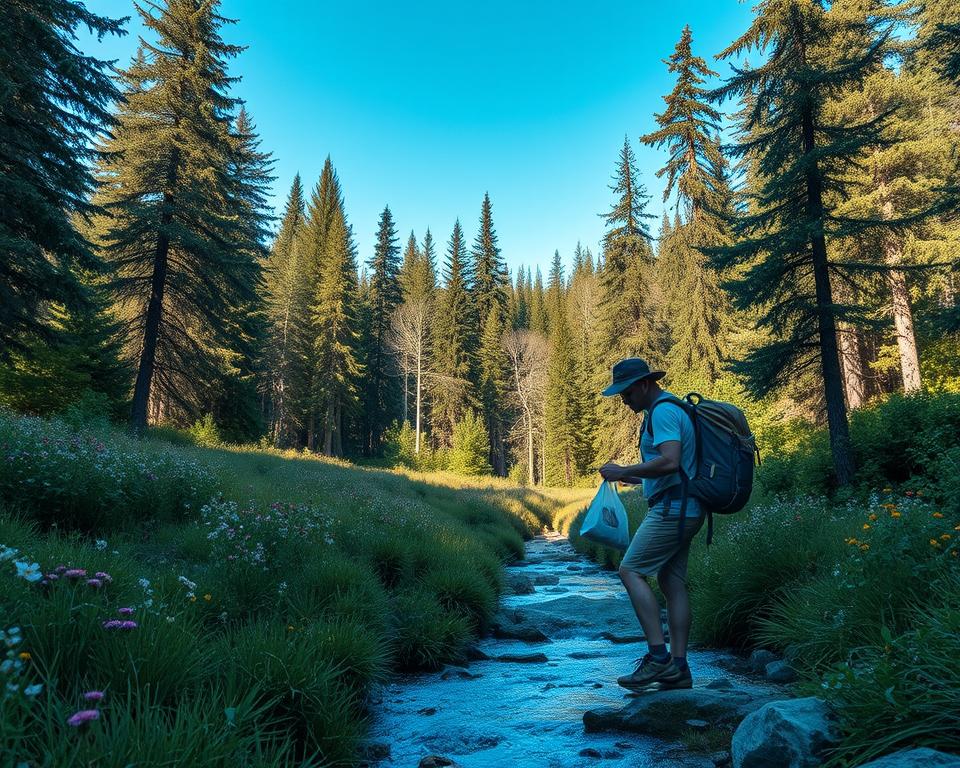
Packing out waste is crucial for responsible hiking. This is especially true in areas like popular campgrounds and national parks. In desert climates, such as
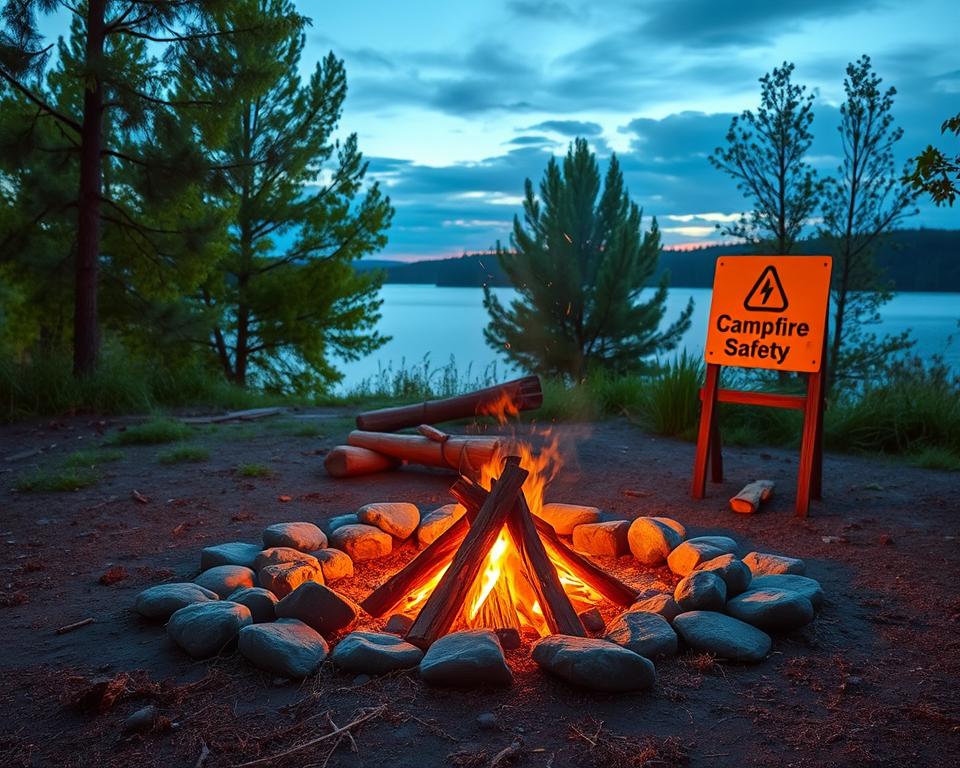
Campfires have always been vital for cooking and staying warm. Today, it’s vital to think about their effect on nature. I adore the ritual of
Repackage food and skip single-use items before you hike. Learn the five prep decisions that handle most trail waste without extra gear or cost.
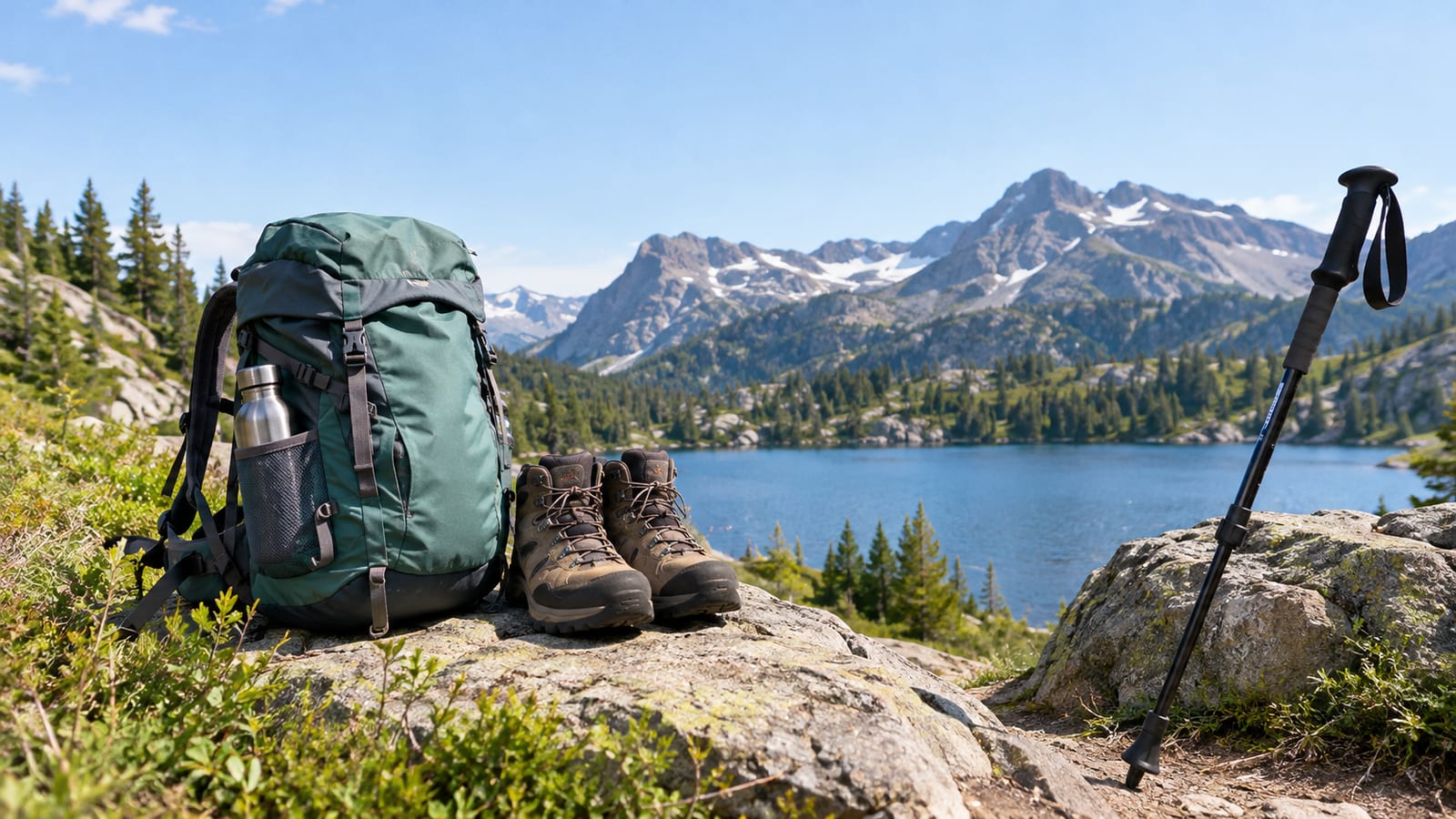
A safe, lighter day-hike kit starts with essentials, while staying on durable tread prevents erosion, protects plants, and reduces trail damage over every hike.