
Ever pushed yourself so hard on a trail that you hit a wall, your legs turning to lead and your enthusiasm draining away? I’ve been there, too. The struggle between pushing through exhaustion and stopping too often is real. It can turn a beautiful day outdoors into a miserable slog.
Finding that sweet spot between movement and recovery separates great adventures from grueling ones. This is especially true on long paths with serious elevation gain. Many adventurers mistakenly believe frequent pauses show weakness. In reality, a smart approach to breaks is a sign of strength. It boosts your overall performance and keeps you safer.
After testing methods on a demanding 15.3-mile trek, I discovered that intentional stops are key. Short, planned intervals help maintain your energy from morning until evening. This guide shares practical techniques that let you cover more ground while feeling stronger. You’ll finish your hike feeling accomplished, not completely depleted.
Key Takeaways
- Intentional breaks prevent exhaustion and maintain enjoyment on long trails.
- Strategic stopping improves overall performance and safety, it is not a sign of weakness.
- Short, planned intervals are more effective than infrequent, long pauses.
- The right balance between movement and recovery is crucial for tackling elevation gain.
- Practical techniques can help you feel stronger and cover more distance.
- These methods are adaptable for various fitness levels and experience.
Understanding the Importance of Smart Rest Breaks
Waiting until you are completely drained to take a break is like waiting for your car to run out of gas before looking for a station. It creates a bigger problem. Proactive pauses are preventative maintenance for your body. They keep your energy levels stable for hours.
Recognizing Early Signs of Fatigue
Your body sends clear signals long before major exhaustion. Learning to spot them is crucial. I’ve found that ignoring these cues leads to much longer recovery times later.
Watch for these early warnings:
- Your breathing becomes noticeably heavier on mild inclines.
- A slight burning sensation starts in your leg muscles.
- Your focus wanders, or you find yourself stopping to “adjust your pack” more often.
Using Timed Breaks to Maintain Energy
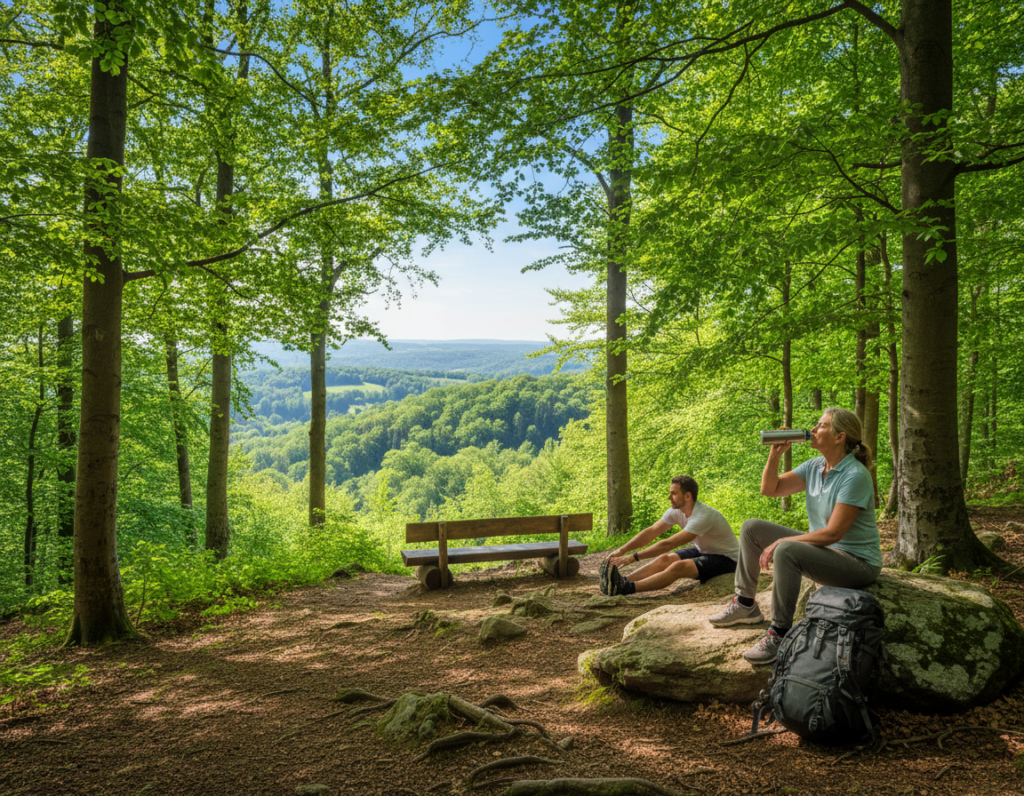
Through testing on long treks, I discovered that break length dramatically impacts performance. Short, five-minute pauses might seem efficient, but they often leave you feeling tired all day. Breaks stretching beyond thirty minutes let your muscles cool down and stiffen, making it harder to start again.
The sweet spot for most people is 10 to 15 minutes. This time frame optimizes recovery without losing momentum. Set a timer or use landmarks like stream crossings to schedule your intervals. Adjust the frequency based on your pack weight, the steepness of the terrain, and the weather.
Implementing a Hiking Rest Strategy
After struggling with fatigue on countless trails, I finally uncovered two powerful methods that preserve momentum. These approaches work together to maintain your energy from start to finish.
Utilizing the Rest Step Technique
The Rest Step transforms how you climb hills. It builds tiny recovery moments into each movement. Your skeleton supports your body weight instead of your muscles doing all the work.
Find a moderate slope to practice. Lock your downhill leg straight to bear the load. Keep your torso upright and tall. Your bent uphill leg provides balance without supporting weight.
Take a quick, deliberate step forward. Then pause briefly in the resting position. Control your pace by adjusting these pause lengths between steps. This technique works best on steady inclines where you walk upright.
Integrating Micro-Breaks and Scheduled Stops
Combine the Rest Step with intentional pauses. Micro-breaks last just 30-60 seconds. Use them at natural points like hilltops or scenic spots.
Take these brief pauses to catch your breath and settle your heart rate. They prevent small fatigue from becoming major exhaustion. Schedule longer stops every 2-3 hours for deeper recovery.
During scheduled breaks, remove your pack completely. Sit down, stretch, and refuel properly. This combination of techniques keeps you moving efficiently all day.
Managing Energy and Movement on the Trail
Proper trail management transformed my outdoor experiences from exhausting slogs to enjoyable adventures. The right techniques make every part of your journey more efficient.
Adjusting Pack Weight and Gear during Rests
Always remove your backpack during longer breaks. Even a few minutes without the weight provides significant relief. Your shoulders and hips get immediate circulation improvement.
Prop your pack against a tree or rock at an angle. This makes slipping it back on much easier. Use these moments to check your gear thoroughly.
Adjust any loose straps and retie your boots. Treat hot spots on your feet before they become blisters. Proper preparation is key for a successful training schedule.
Optimizing Foot Placement and Body Posture
Each step requires solid foot placement. Slipping wastes energy and increases injury risk. In snow, kick into the surface to create stable platforms.
Maintain upright body posture during movement. Your skeletal structure supports weight efficiently. Slouching engages muscles unnecessarily, draining your energy faster.
Monitoring Muscle and Leg Recovery
Watch for muscle fatigue signals during breaks. Tightness, trembling, or balance issues indicate needed recovery time. Elevate your legs when terrain permits.
Raise your feet above heart level for 5-10 minutes. This reduces swelling and promotes blood flow. Incorporate gentle dynamic stretches like leg swings and ankle circles.
Refuel with small sips of water and energy-rich snacks. Avoid large meals that divert blood flow to digestion. These techniques keep you moving strong all day.
Conclusion
The difference between reaching your destination exhausted versus energized often comes down to timing your pauses correctly. Through extensive testing, I confirmed that 10-15 minute intervals provide the perfect balance between recovery and momentum.
Remember the Rest Step technique for steep sections. This method saves small amounts of energy with each movement. Those savings add up significantly over thousands of steps toward the summit.
Always remove your pack during scheduled stops. The relief to your shoulders and hips makes the extra effort worthwhile. Use these minutes for refueling, gear adjustments, and mental resets.
Start with just one or two techniques on your next outdoor adventure. Set a timer for breaks and practice the Rest Step on your first uphill section. Notice how structured pauses change your entire day on the path.
Mastering this balance between movement and recovery transforms your experience. You’ll cover more ground with greater enjoyment, reaching new heights with confidence.
