
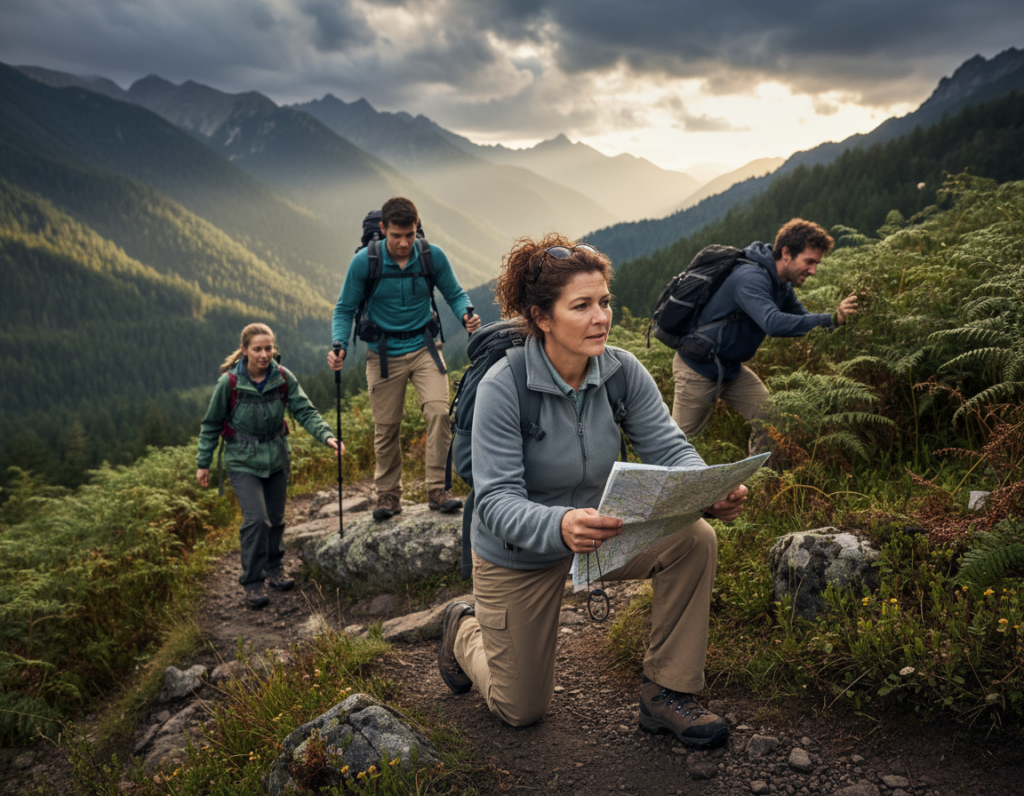
The trail beneath your feet can transform in an instant. A sunny path becomes a slippery slope after a sudden rain. Your energy dips unexpectedly. This is where smart, adaptive hiking strategies become your most valuable tool. They turn potential problems into manageable moments.
These approaches aren’t just for people with disabilities. They are practical skills for every person who loves outdoor recreation. Roughly 61 million American adults navigate life with disabilities. Trail barriers like steep paths can feel daunting. But thoughtful planning opens up nature for all bodies and minds.
Syren Nagakyrie, founder of Disabled Hikers, shows us how. She proves that flexibility beats a rigid plan every time. Listening to your body and reading the environment are key skills. You learn to make real-time decisions that keep you safe and comfortable.
This guide shares practical methods from experienced adventurers. Whether you’re managing a chronic condition or just facing unexpected weather, these techniques work. They help you carry backup plans and pivot confidently when your original route feels unsafe.
Key Takeaways
- Trail conditions are constantly changing, requiring a flexible mindset.
- Smart planning benefits all hikers, not just those with disabilities.
- Listening to your body is crucial for safety on the trail.
- Carrying multiple backup plans prepares you for the unexpected.
- Real-time decision-making is more valuable than sticking to a rigid itinerary.
- Practical innovation can transform challenging paths into accessible adventures.
Recognizing Changing Trail Conditions
Nature’s pathways rarely stay the same from start to finish. Learning to read these changes keeps you safe and prepared. Your awareness of environmental shifts makes all the difference.
Weather and Environmental Shifts
Clear skies can turn stormy faster than you expect. Morning sunshine often gives way to afternoon thunderstorms. Temperature drops of 20 degrees happen with elevation gain.
Watch for darkening clouds and sudden wind changes. Humidity increases often signal incoming weather. These signs help you prepare before conditions worsen.
Rain transforms firm paths into slippery mud. Snow covers essential trail markers. Fog reduces visibility to dangerous levels.
Terrain Variability and Its Impact
Trail surfaces change dramatically with the seasons. Spring runoff floods familiar paths. Fall leaves hide tripping hazards beneath colorful cover.
Winter ice creates unexpected slip hazards. Loose rocks and exposed roots demand careful footing. Stream crossings rise quickly after rainfall.
Steep inclines without switchbacks present significant challenges. Narrow passages block mobility aids entirely. These terrain features require route adjustments.
| Condition Change | Trail Impact | Required Adjustment |
|---|---|---|
| Sudden Rainfall | Muddy, slippery surface | Slower pace, better footwear |
| Temperature Drop | Ice formation on paths | Traction devices, warmer layers |
| Seasonal Transition | Hidden obstacles, flooded areas | Route research, alternative paths |
| Elevation Gain | Thinner air, energy drain | More breaks, hydration focus |
Always check real-time trail reports before heading out. But also develop skills to read conditions as you travel. This dual approach ensures you handle whatever the path presents.
Assessing Your Needs and Abilities
An honest look at your physical state is the first step to a successful hike. Your energy and mobility can change daily. What felt easy yesterday might be a challenge today.
This self-awareness is a skill. Many people with disabilities master it out of necessity. Their experience teaches valuable lessons for all adventurers.
Listen to your body before you start. Check your balance. Notice your breathing. This quick check sets a realistic baseline for your outing.
Personal Mobility and Energy Levels
Think of your energy like a limited resource. Some use the “spoon theory” to plan its use. You allocate units for the entire trip, not just the uphill parts.
Strategic pacing beats pure distance goals. Plan routes with multiple exit points. Schedule rest days between longer adventures.
Recognize early signs of fatigue. Muscle tremors or coordination changes are clear signals. Stop and rest before these signs become a safety risk.
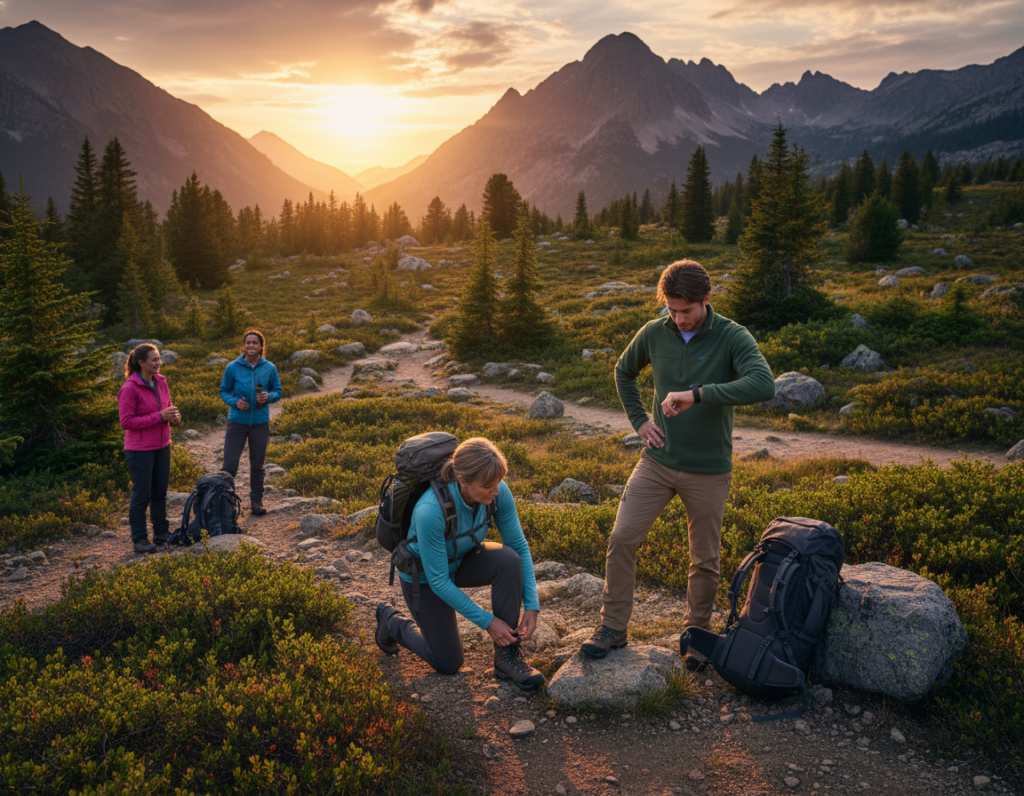
Knowing you need a break every 20 minutes is smart planning. It is not a weakness. This honest assessment prevents overexertion.
Good physical preparation is key. Specific workouts can build your stamina for trail changes.
Adaptive Equipment Considerations
The right tools make a huge difference. Your individual needs dictate your gear choices. A flat, dry path requires less support than a steep, wet one.
Equipment helps you manage your limitations effectively. It provides stability and conserves your energy. Always consider how weather affects your gear’s performance.
| Primary Need | Equipment Examples | Key Benefit |
|---|---|---|
| Stability & Balance | Collapsible poles, trekking canes | Reduces fall risk on uneven ground |
| Energy Conservation | Ultralight chairs, supportive packs | Allows for impromptu rest stops |
| Medical Preparedness | Custom first-aid kits, mobility aids | Addresses specific health conditions |
Carry backup equipment when possible. Your gear is part of your safety plan. It works alongside your honest self-assessment.
Effective Adaptive Hiking Strategies
Effective trail navigation requires building multiple options into your plan from the start. Your itinerary should feel like a flexible framework rather than a rigid schedule. This approach transforms outdoor adventures from stressful to sustainable experiences.
Adjusting Your Route Planning
Think of route planning as a dynamic process. Always have Plan A, B, and C ready before you begin. Resources like the Disabled Hikers website provide crucial information other guides miss.
Their 30 guides include precise details like bench spacing and exact slope angles. This level of detail helps you choose paths that match your current abilities. Always call park offices for real-time updates on trail conditions.
Identify multiple exit points along any route. This lets you bail out safely if conditions worsen. Build flexible itineraries that allow for slower pacing without feeling like failure.
Create personal criteria based on your specific needs. Consider factors like incline tolerance and sun exposure. The best adventures come from realistic planning that prioritizes safety over distance goals.
Using Adaptive Hiking Strategies
Practical modifications turn challenging trails into achievable adventures. These step-by-step approaches help you respond to changing conditions in real time.
Implementing Step-by-Step Modifications
Start with the fundamental technique of pacing by time instead of distance. Commit to walking for 30 minutes out and 30 back rather than reaching a specific landmark. This approach reduces pressure and keeps the focus on enjoyment.
Try the “10-minute rule” for body awareness. Walk for 10 minutes, then assess how you feel before continuing. Experienced adventurers make real-time adjustments like shortening stride length on descents.
Syren Nagakyrie’s toolkit includes collapsible poles and ultralight chairs. These tools address fluctuating energy levels effectively. “Assistive devices aren’t limitations—they’re freedom tools,” Nagakyrie notes.
Micro-hiking techniques reduce physical demand while maximizing outdoor experiences. Walk for 15 minutes, then spend 15 minutes observing nature from one spot. This method works well for people managing fatigue.
Track what modifications work through journaling or apps. Build a personal playbook of effective techniques. These approaches improve performance and safety for all hikers on the trail.
Selecting and Optimizing Your Gear
Your gear choices directly influence your comfort and safety on the trail. The right tools provide confidence and conserve your energy. This allows you to focus on the adventure itself.
Smart equipment selection is a game-changer. It turns difficult paths into achievable journeys.
Choosing Suitable Trekking Poles and Supports
Trekking poles are a foundational piece of gear. They offer crucial stability and redistribute weight from your legs to your arms. This can protect your knees and ankles on long descents.
When selecting poles, consider these features:
- Adjustability: Models that collapse small are easy to pack and adjust for different slopes.
- Material: Carbon fiber offers a great blend of lightweight strength and durability.
- Shock Absorption: This feature reduces impact on your joints, especially on rocky downhill sections.
Proper technique maximizes their benefit. Plant poles slightly ahead on ascents for a push. Place them behind you on descents for braking. Understanding the difference between trekking poles and hiking helps you choose the right support device.
Innovative Equipment for Stability and Balance
New designs make outdoor exploration more accessible. All-terrain wheelchairs with wide, rugged tires conquer natural paths. They provide a stable platform for wheeled adventures.
For those who walk, wider-based hiking staffs or quad canes offer superior balance on uneven ground. Sometimes, using two poles in rough sections provides extra support where one is normally enough.
Lightweight and Accessible Tools for Variable Terrain
Reducing pack weight is a powerful strategy. Ultralight principles can cut a 50-pound load to under 10 pounds. This benefits everyone, especially those managing energy levels.
Look for gear with thoughtful modifications. Oversized handles improve grip security. Zipper pulls help those with hand strength challenges. Multi-use tools save space and weight.
Organizations like MoveUnited and US Adaptive provide excellent equipment resources. They often have rental programs so you can test gear before you buy.
Ensuring Safety and Accessibility on the Trail
Your safety on the trail begins long before you take your first step. Comprehensive preparation turns potential hazards into manageable situations. This approach benefits all adventurers, especially people with specific accessibility needs.
Pre-Hike Research and Communication
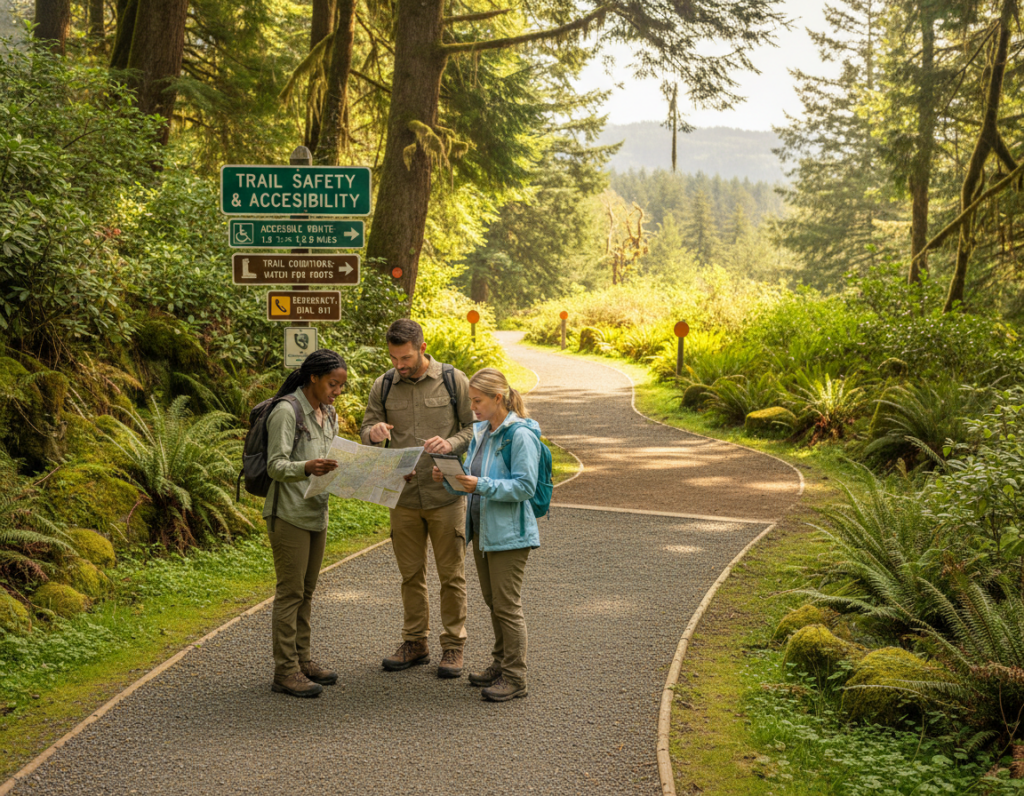
Go beyond standard trail descriptions when researching your route. Call park offices directly for current conditions. Ask specific questions about surface types and rest area spacing.
Share your detailed plan with someone who isn’t hiking. Establish clear check-in times for added security. Inform rangers about any special requirements you might have.
Cell service often fails in remote areas. Consider carrying a satellite messenger for true emergencies. This communication backup provides peace of mind.
Customized First Aid and Emergency Preparedness
Standard first aid kits often miss crucial personal needs. Build your own kit addressing your specific health considerations. Include extra medications and specialized items.
People with disabilities frequently carry more comprehensive supplies. They understand their bodies’ unique responses to stress. Your kit should reflect your individual reality.
Know the location of accessible exit points along your route. Calculate how long help would take to reach you in different scenarios. Carry extra water for unexpected delays.
Resources like Disabled Hikers provide detailed accessibility information most guides overlook. Their knowledge transforms challenging situations into adventures with clear solutions.
Promoting Environmental Stewardship and Inclusive Access
Creating lasting outdoor spaces requires thoughtful consideration of both environmental impact and human access. These two goals work together beautifully. When we make nature welcoming for all, we build stronger communities around outdoor recreation.
Practicing Leave No Trace Principles
Thoughtful adventurers naturally excel at Leave No Trace principles. They already plan carefully and consider their impact. Packing out all waste—including medical supplies—protects our shared natural spaces.
Staying on designated paths preserves fragile ecosystems. This practice benefits everyone who loves outdoor recreation. Sometimes paved paths or boardwalks actually protect sensitive areas better than dirt trails.
Community and Organizational Support
Strong communities make outdoor adventures more accessible. Organizations like Disabled Hikers and Trail Access Project provide crucial information about trail conditions. They help remove barriers that limit access to nature.
When trails become more inclusive, everyone benefits. Parents with strollers and older adults gain new opportunities. Supporting these organizations through volunteering expands access for all outdoor enthusiasts.
Over 61 million Americans navigate life with disabilities. Their participation enriches our collective experience of nature’s beauty. Inclusive design creates outdoor spaces where everyone truly belongs.
Conclusion
Ultimately, smart preparation and flexibility are what separate a stressful ordeal from a memorable experience in nature. Adapting your approach when conditions change is essential for safe, enjoyable outdoor adventures.
These techniques benefit all explorers. Honest self-assessment, thorough research, and the right equipment empower you to meet challenges confidently. Success means enjoying the trail on your terms.
Remember, your presence in the wilderness matters. Every adventurer helps create a more inclusive outdoor community. With practice, you’ll build sustainable experiences you love for years.
