
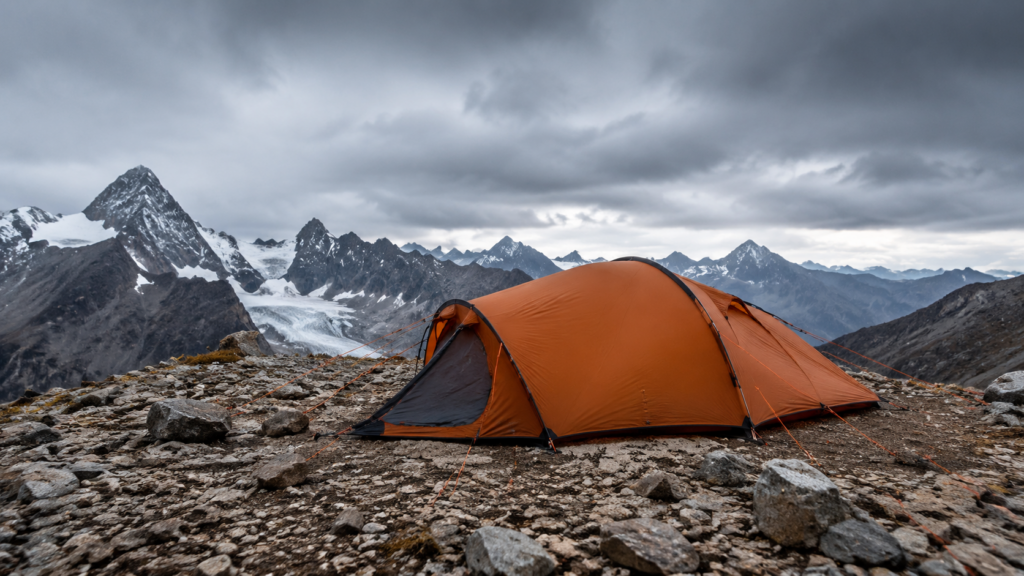
The best windproof tent is the Hilleberg Jannu if strong wind is the real problem, not just a line in the forecast. It costs serious money and carries like a real storm shelter, but that is the trade. For most campers who want a high wind tent without spending at the very top, The North Face Mountain 25 is the better value. The Samaya2.0 is worth it only for fast alpine trips where pack weight matters more than camp comfort.
Last updated: 2026-07-01
No tent is truly windproof. Fabric can block wind, but poles, stakes, guyline points, and your pitch decide whether the shelter stays standing. If a brand leans on “storm proven” language without showing a stable shape and usable tie-outs, treat that as a hang tag claim.
Which tent should you buy for windy conditions?
For a best tent for high winds, buy the shelter that matches your actual trip, not the most dramatic product copy. Exposed shoulder-season camps, alpine routes, and winter approaches need a different tent than a sheltered campground with a noisy forecast.
| Rank | Tent | Official price or MSRP | Weight note | Best use | Judgment |
|---|---|---|---|---|---|
| Best overall | Hilleberg Jannu | $1,325.00 | Packed weight: 3.2 kg / 7 lb 1 oz | Serious wind, exposed camps, cold shoulder-season trips | Worth the money if storm strength matters more than saving weight |
| Best light alpine choice | Samaya Samaya2.0 | $1,210 | Built around fast alpine packing, not roomy living | Climbers and minimalist backpackers moving through rough weather | Worth it for a narrow use case; skip it for casual camping |
| Best budget pick here | The North Face Mountain 25 | $690.00 | More expedition shelter than light backpacking tent | Windy winter camps, basecamp use, rough weather with shorter carries | Best budget high wind tent in this group |
The Jannu is the clear pick if you want the strongest all-around windproof tent from this list. Call it what it is: an expensive, serious shelter for trips where a cheap tent folding at midnight is not funny. The downside is simple. You will feel the packed weight in your bag, especially with a long water carry or a hard climb.
The Samaya2.0 makes sense for alpine travel where speed and a smaller packed shelter matter. That sounds better on a spec sheet than it feels in a damp camp if you hate tight interiors and condensation management. Buy it if you know why you need a single-wall alpine tent. Skip it if you just want a strong backpacking tent for windy conditions.
The Mountain 25 is the practical budget answer among these windproof tents. It does not win the light-and-fast argument, but it gives you a real storm shape at a far lower cost than the other two. If you are camping near a trailhead, splitting gear, or setting up a windy winter camp without carrying all day, this is the sensible buy.
If your trips are less exposed, start with a broader guide to choosing a backpacking tent before paying for expedition-level storm strength.
Windproof vs wind-resistant is not just wording
“Windproof tent” is the phrase shoppers use, but “wind-resistant tent” is the honest term. A tent can block drafts and still fail if the poles flex too far, the fly flaps loose, or the stakes pull out of soft ground. Wind protection is a system, not a fabric label.
A good high wind tent does three things well:
- It sheds gusts with a low, rounded shape.
- It spreads force through crossing poles or strong structural support.
- It gives you enough guyline points to tension the shelter without turning the fly into a sail.
Tall cabin-style tents are usually the wrong answer for high winds. They may feel roomy at dinner, then start slapping around all night when the gusts build. Space is nice. A tent that stays put is nicer.
What makes a tent good in high winds?
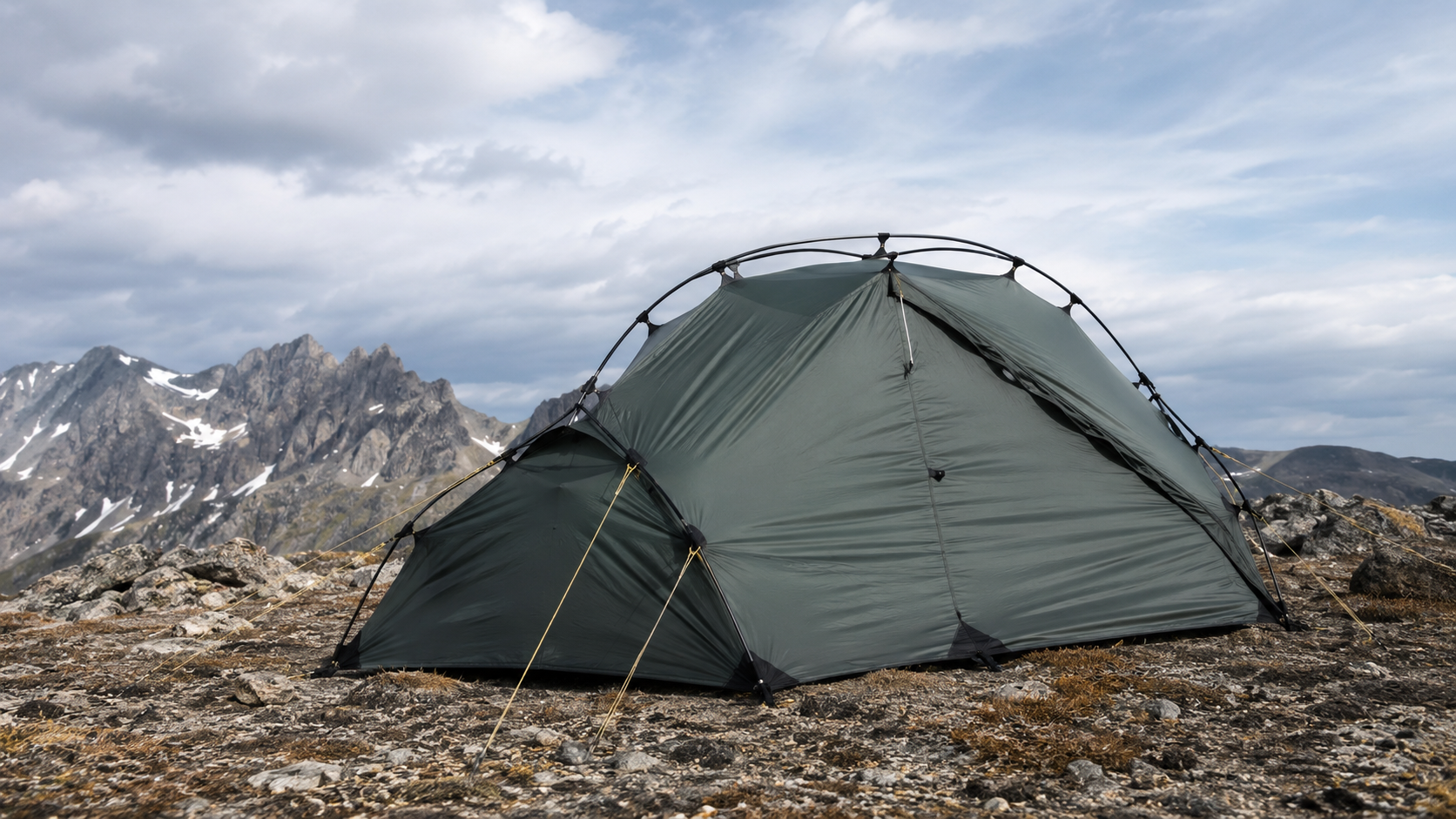
A good tent for high winds is stable before the weather gets ugly. You should not need clever knots, perfect soil, and a lucky wind direction just to make the shelter behave.
Look for these features before you buy:
- Low profile: Shorter, smoother shapes take gusts better than tall walls.
- Strong pole geometry: Crossing poles and tensioned structures spread load better than simple arches.
- Full fly coverage: A fly that reaches low helps block wind-driven rain and spindrift.
- Real guyline points: Decorative loops do not count if they sit in the wrong place or pull at a weak angle.
- Tight pitch: Loose fabric flaps, stretches, and gets loud before it starts causing trouble.
- Usable vestibule space: Gear outside the sleeping area keeps the inner less cramped, but huge vestibules can catch wind if badly pitched.
- Ventilation you can use in bad weather: Sealing every opening may stop drafts, but it can also turn the tent into a wet bag by morning.
- Simple setup: A storm shelter that takes forever to pitch is less useful when your fingers are cold and the wind is already pushing the fly around.
Pole material and fabric matter, but design matters more. A tough fabric on a poor shape is still a poor tent. A lighter fabric on a well-supported shape can be the better shelter in real wind.
For colder trips where snow load joins the problem, compare these picks with four-season shelters for hard weather.
Setup matters more than the hang tag claim
A wind resistant tent can still fail with a lazy pitch. Most bad storm camps start with small mistakes: weak stakes, loose guylines, a door facing the wind, or a campsite chosen because it was flat and convenient.
Use this basic storm pitch:
- Pick protection first. Trees, rocks, low shrubs, and terrain folds reduce wind more than any marketing claim.
- Point the narrow end into the wind. Let gusts slide over the tent instead of hitting a broad wall.
- Stake the windward side first. Get the shelter anchored before the fly turns into laundry.
- Tension evenly. Over-tightening one guyline can twist the tent and weaken the pitch.
- Use the right anchors. Dirt, sand, snow, and rock need different stake choices.
- Keep the door out of the blast. A flapping door at midnight is not a sleep system. It is a complaint.
- Recheck after the fabric settles. Wet fabric and shifting soil can loosen a pitch.
This is where cheaper tents often become false economy. Not always, but often. A budget shelter can be good enough in protected camps. It is the wrong place to save money on an exposed ridge with wet ground and no bailout point.
Where these high wind tents fall short
Strong tents cost you something. Sometimes it is money. Sometimes it is pack weight, dry time, interior space, or setup patience.
The Jannu is the best high wind tent here, but it is not a casual weekend shelter. If your main trips are fair-weather forest sites, you are paying for storm strength you may never use. That is fine if you like margin. It is wasteful if your tent mostly sits beside a picnic table.
The Samaya2.0 asks for discipline. Single-wall alpine designs can save bulk, but they also put more pressure on ventilation and careful site choice. Wet gear, closed vents, and still air can make the inside clammy by morning.
The Mountain 25 is the value pick, not the light pick. It makes more sense for rough weather where carry distance is limited or the load is shared. If your route has long climbs, hot approaches, and a heavy food carry, you will start questioning every extra ounce before camp.
If you mostly camp in mild weather, budget tents for weekend trips may be the smarter place to look.
High-altitude camping is a narrower problem
High-altitude camping is not the same as shopping for any windproof tent. At elevation, you may be dealing with colder air, exposed ground, fast weather changes, harder setup, and fewer natural windbreaks. A tent that feels solid in a windy campground may feel underbuilt above treeline.
For high-altitude use, prioritize:
- A fast storm pitch.
- Strong pole support.
- Reliable guyline layout.
- A fly that can be tensioned cleanly.
- Vents that still work in rough weather.
- Enough vestibule space to keep boots and wet layers out of the sleeping area.
- A realistic bailout plan if the forecast turns.
The Jannu fits this job best from this short list. The Samaya2.0 fits a more specialized alpine style. The Mountain 25 works when weight matters less than storm comfort.
Do not buy a high-altitude tent because it sounds tough. Buy it because the shape, pitch, and anchors make sense when your hands are cold and the wind is pushing you around.
Who should skip an expensive windproof tent
Skip a high wind tent if your trips do not need one. Heavy storm shelters are not automatically better. They are better for the right weather.
You probably do not need one if:
- You camp in protected forest sites.
- You avoid bad forecasts instead of camping through them.
- You mainly take summer trips below treeline.
- You want a light shelter for long trail miles.
- You are buying storm strength to solve poor campsite choice.
- You are not willing to carry and use proper stakes and guylines.
For long backpacking trips where wind is only one concern, compare these against lighter backpacking shelters. A lighter tent with a careful pitch often beats a heavy tent you resent carrying.
Final verdict
The Hilleberg Jannu is the best windproof tent here for serious wind because its whole design points toward storm stability, not campground comfort. The North Face Mountain 25 is the best budget pick because it gives you credible rough-weather protection for much less money. The Samaya2.0 is the specialist choice for alpine users who care more about moving light than spreading out in camp.
For most hikers, the right move is not buying the most expensive tent. It is matching the shelter to the worst weather you are actually willing to camp in.
FAQ
Do I need to seam-seal a new tent before a windy trip?
Check the tent’s care instructions first. Some tents arrive ready to use, while others need extra seam work before serious rain. Before a real trip, pitch it at home and spray it with water. If seams darken, drip, or look uneven, fix that before the trailhead.
How do I reduce condensation in a storm tent?
Keep vents open unless rain or spindrift forces them shut. Avoid bringing wet layers into the sleeping area when you can. Leave a little airflow low and high if the tent design allows it. A dry tent with no airflow often becomes a damp tent by morning.
Can a three-season tent handle windy shoulder-season weather?
Sometimes, if the campsite is protected and the pitch is solid. The problem is margin. A three-season tent may handle gusty nights in a forest but feel nervous on exposed ground with cold rain. If shoulder-season trips are normal for you, a stronger shelter is worth the weight.
How should I store a storm tent between trips?
Dry it fully before storage, then keep it loose in a cool place. Do not leave it compressed in a stuff sack for months if you can avoid it. Clean grit off zippers and check guylines before the next trip. Small neglect has a way of showing up during bad weather.
