
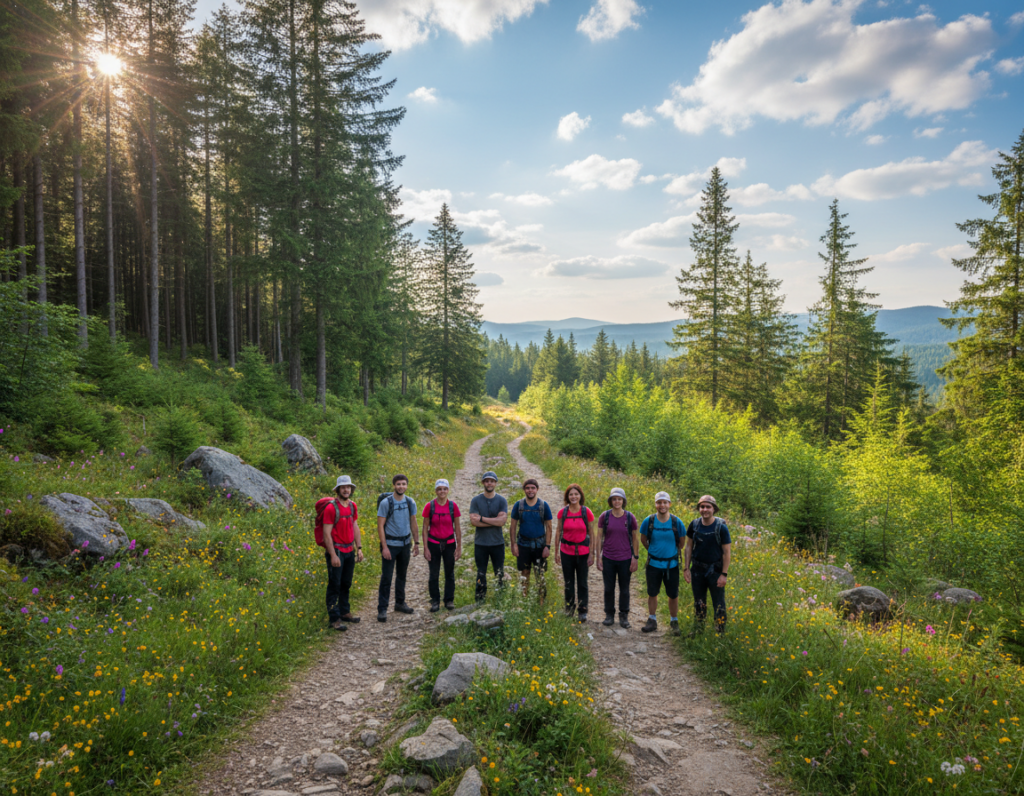
That moment when your lungs burn and your legs feel like lead halfway up a mountain is a feeling many hikers know all too well. It’s not a lack of willpower—it’s a rhythm problem. Finding your sustainable cadence transforms a grueling ordeal into a rewarding adventure where you can truly absorb the beauty around you.
Mastering your rhythm on the trail isn’t about moving slowly; it’s about moving smart. It’s the difference between fighting your body’s natural limits and working harmoniously with them to cover greater distances with energy to spare. This sustainable approach applies whether you’re on a gentle 3-mile loop or a multi-day backcountry trek.
After years on trails, I’ve learned that controlling your cadence through breathing and step synchronization is as vital as hydration. It’s the foundation for success. This guide shares practical, field-tested techniques—from preparing your body with targeted cardio exercises to adjusting for terrain—to help you find a rhythm that keeps you comfortable for hours.
Key Takeaways
- Proper pacing turns exhausting hikes into enjoyable, sustainable adventures.
- It’s about finding a rhythm that works with your body, not against it.
- The same principles apply to short day hikes and long multi-day treks.
- Breathing techniques and step synchronization are foundational skills.
- Adjusting your pace for different terrains is crucial for maintaining energy.
- Preparation, including cardio fitness, directly impacts your ability to maintain a good pace.
- Anyone can develop this skill with the right, experience-based approach.
Getting Your Body Ready for the Trail
A slow start isn’t a sign of weakness; it’s your body’s intelligent way of preparing for the journey ahead. Those first five minutes feel challenging because your cardiovascular system is shifting gears. It needs time to deliver oxygen-rich blood to your working muscles.
Your heart rate increases, blood vessels open up, and your joints get lubricated. Think of it as an engine warming up to its ideal operating temperature. Starting at a deliberately easy pace gives your body this essential transition period.

Warming Up Before You Start
Many experienced hikers plan for this warm-up phase. They might remove a layer at the trailhead, knowing their body temperature will rise quickly. A quick clothing break around the 15-minute mark is a common strategy.
A simple pre-hike routine makes a big difference. Try this for a few minutes before you shoulder your pack:
- Walk around the parking lot to ease into movement.
- Perform gentle leg swings to prepare your muscles.
- Do some basic stretches for your feet and joints.
Preparing Physically and Mentally
This preparation is as much mental as it is physical. Set realistic expectations based on your fitness level and the trail’s difficulty. Acknowledging that the first hour includes a warm-up period prevents frustration.
Properly preparing your body stops the start-stop cycle that exhausts beginners. You’ll maintain energy for the entire adventure, not just the first stretch.
How to Pace Yourself While Hiking
Your ability to maintain consistent movement separates enjoyable hikes from exhausting ones. The key lies in establishing a sustainable rhythm that works with your body’s natural limits.
Establishing a Steady Rhythm
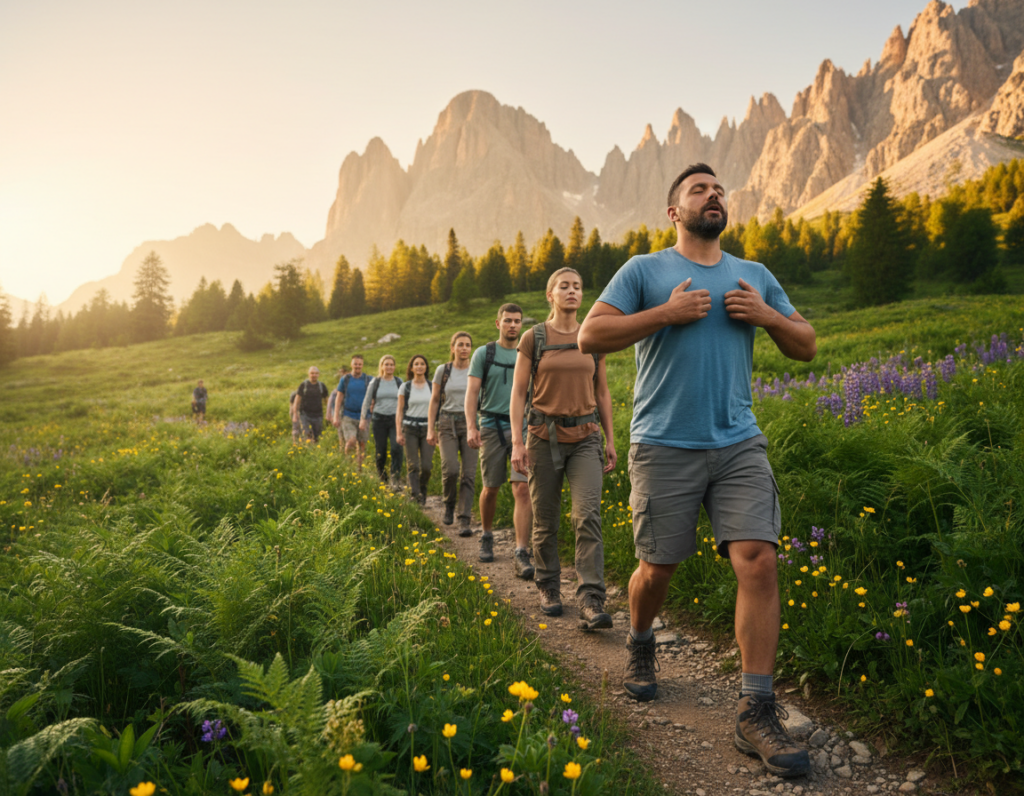
Sync your breathing with your steps for optimal efficiency. Start with a simple pattern: breathe in for three steps, then out for three steps.
As the trail steepens, adjust to a two-step breathing pattern. Only use one breath per step during the most demanding sections. This synchronization prevents the start-stop exhaustion cycle.
Finding Your Endurance Zone
Your endurance zone is the speed where you can hold a conversation without gasping. You should feel like you could continue for 30 minutes or longer.
If you’re huffing and puffing or feeling intense thigh burn, you’re pushing too hard. Slow down immediately to find your sustainable cadence.
- Test your pace by trying to speak a short sentence comfortably
- On manageable steep sections, take shorter steps instead of breaking rhythm
- Remember that your ideal speed changes daily based on conditions and fitness
Discovering this sweet spot turns hiking into a meditative experience rather than a constant battle.
Adjusting to Elevation and Varying Terrain
The trail beneath your feet changes constantly, and so must your rhythm to match its demands. As you gain elevation, each step requires more effort. The air holds less oxygen, making your cardiovascular system work harder.
Smart adjustments prevent exhaustion and keep you moving forward safely.
Managing Uphill Exertion
Above 8,500 feet, many hikers feel light-headed or nauseous. This is where the rest step becomes essential. It provides a micro-rest with every movement.
Pause with your back leg straight and locked. Let your skeleton bear the weight, not your muscles. Then, deliberately shift forward to your front foot.
This technique saves energy on steep sections at any elevation. It maintains a steady pace when stopping isn’t an option.
Using the Rest Step on Steeper Sections
Descending can be surprisingly tough on your body. It pounds your knees and challenges your quad muscles, which work hard to control your speed.
Establish a moderate pace and never let yourself get out of control. Keep a slight bend in your knees to absorb shock. Take shorter, controlled steps instead of long strides.
On very steep terrain, zigzagging reduces the angle. This spreads the impact forces across different muscle groups.
Plan brief stops every 20-30 minutes during long descents. Use these times to stretch your quads, drink water, and check on your feet. This proactive approach stops small issues from becoming big problems.
| Terrain Challenge | Primary Technique | Key Benefit |
|---|---|---|
| Steep Uphill / High Elevation | Rest Step | Reduces muscle fatigue, conserves energy |
| Rocky, Technical Trail | Slower, Deliberate Foot Placement | Improves stability, prevents trips |
| Long, Smooth Descent | Bent Knees, Short Steps, Zigzag | Protects joints, manages speed |
Adjusting your speed for the terrain isn’t a sign of poor fitness. It’s the mark of an experienced hiker. This smart approach helps you cover more miles safely and enjoyably.
Maintaining Energy With Hydration and Nutrition
Your rhythm on the trail depends on more than just your steps; it relies on consistent fuel. Proper hydration and smart snacking are the unsung heroes of a successful, enjoyable adventure.
I learned this the hard way. For a long time, I only drank water at the car before and after a hike. Bringing a bottle on the trail was a game-changer. My stamina improved dramatically.
Staying Hydrated Throughout Your Hike
Follow the 90-minute rule. For any outing longer than an hour and a half, carry water. Your body’s stored energy depletes and dehydration sets in past this point.
Drink small amounts every 15-20 minutes instead of chugging during breaks. This keeps your system steadily supplied. Aim for pale yellow urine as your guide.
Dehydration is a serious threat, even in winter. Warning signs start with thirst and dark urine, progressing to headaches and confusion. If you feel any symptoms, stop and address it immediately.
Having the Right Fuel and Snacks
“Bonking” feels like sudden, overwhelming fatigue. Your legs get shaky, and mental fog sets in. This is a blood sugar crash from inadequate fueling.
Prevent this by carrying lightweight, energy-dense snacks. The small added weight to your pack is a worthwhile investment for sustained performance over a long distance.
Great options include:
- Trail mix and dried fruit for quick carbs.
- Nut butter packets and jerky for protein.
- Energy bars or simple crackers and cheese.
This combination delivers the steady energy your body needs to keep moving hour after hour.
Conclusion
The true measure of hiking success isn’t speed but the ability to maintain energy throughout your entire outdoor adventure. Mastering your rhythm transforms grueling treks into enjoyable experiences where you actually have energy to appreciate scenic views and capture memorable photos.
Remember these core principles: warm up gradually, sync your breathing with steps, adjust for terrain changes, and fuel consistently. These techniques work whether you’re tackling a short day hike or multi-day trek covering many miles.
When hiking with others, the group’s pace benefits everyone—keeping people together safely while allowing stronger hikers to conserve energy. Practice your rhythm on local trails or use a stairmaster to build sustainable habits.
Finding your ideal cadence takes self-awareness, but each hike teaches you more. The trail rewards patience over ego—work with your body to achieve any goal, from summit pushes to simply enjoying hours in nature.
