
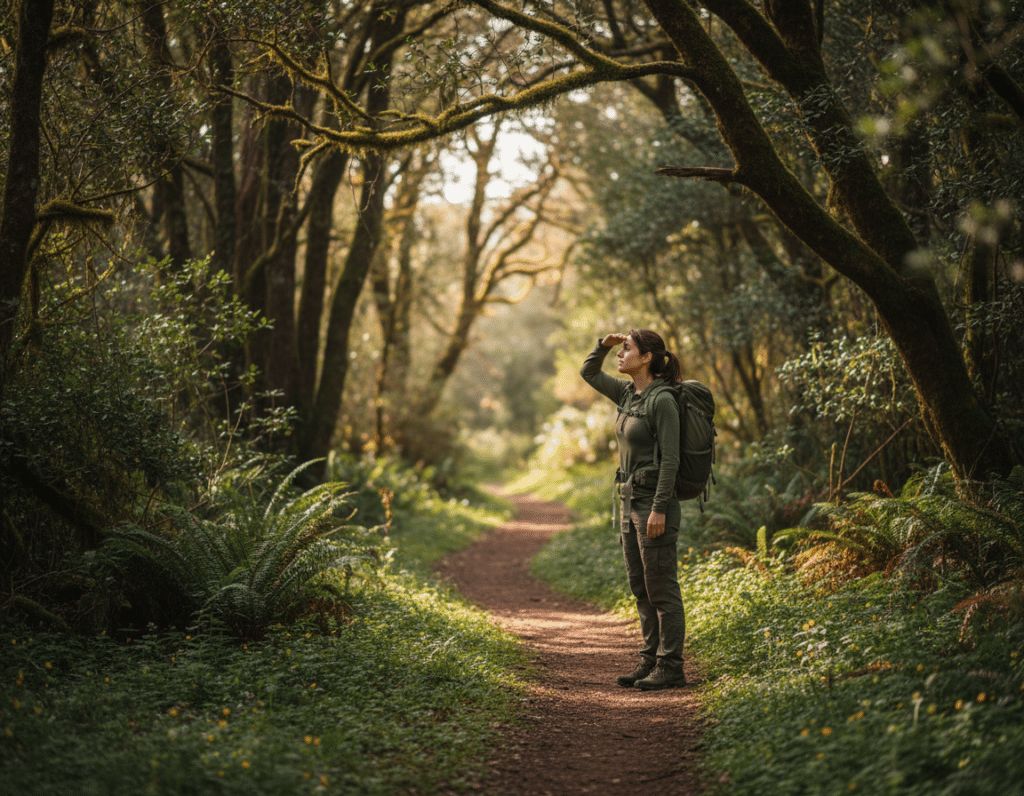
Have you ever been so lost in the beauty of a forest that you nearly missed the turn in the path? That delicate balance—between soaking in the serenity and staying tuned into your environment—is the heart of great trail awareness skills. It’s not about being paranoid; it’s about being present.
Think of this mindful state as your invisible hiking partner. It’s a heightened sense of consciousness where you notice the subtle shifts in weather, the sounds of wildlife, and the condition of the path under your feet. This practice doesn’t steal joy from your adventure; it adds a layer of confidence and mental clarity.
Developing this ability transforms a simple walk into a richer, safer experience. You become more connected to the outdoors, noticing details you’d otherwise overlook. It’s a learnable skill for all people, from first-timers to seasoned explorers, that grows with practice.
This guide will show you practical, immediate techniques. You’ll learn how to stay alert without stress, making every outing more rewarding and secure.
Key Takeaways
- Mindful presence enhances both safety and enjoyment on outdoor adventures.
- Trail awareness is a conscious practice, not a state of constant worry.
- This skill helps you notice important environmental cues and details.
- It builds confidence and mental clarity, improving your overall experience.
- These techniques are practical and can be used by hikers of any level.
- With practice, staying aware becomes a natural part of your hike.
Planning and Preparation for the Trail
Smart hiking starts long before you lace up your boots. Good planning builds a mental map that keeps you oriented when the path gets tricky. It’s about swapping uncertainty for confidence.
We’ve all been there—starting a hike only to realize we underestimated the time or terrain. A little research upfront prevents that. Think of it as a gift to your future self.
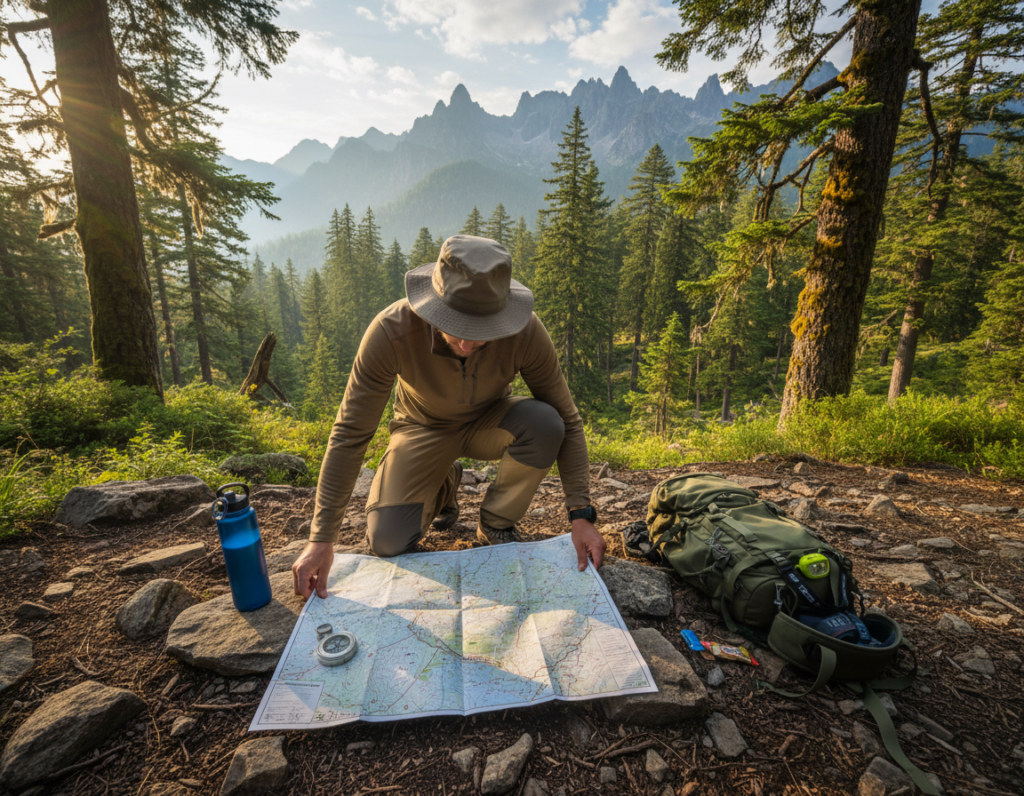
Studying the Route and Trail Conditions
Your first step is gathering knowledge. Check the total length and elevation gain. This tells you the true effort required.
Recent trip reports are gold. They offer real-world intelligence on current conditions. You learn about mud, water crossings, and how long it took others.
Understanding the terrain type is crucial. A rocky scramble demands different focus than a smooth path. Knowing what’s ahead helps you manage your energy and pace wisely.
| Information Source | What It Tells You | Best For |
|---|---|---|
| Official Park Websites | Official length, rules, alerts | Basic, verified facts |
| Recent Hiker Trip Reports | Current conditions, real-time photos | Up-to-the-minute details |
| Topographic Maps / Apps | Elevation gain, terrain features | Understanding the physical challenge |
Gear and Safety Reviews
Next, review your gear. Pack the Ten Essentials. This is your safety net. Navigation tools are a top priority.
Always carry more water and food than you think you’ll need. Hydration is key for clear thinking. Bring layers to handle sudden weather shifts.
Finally, check the forecast and tell someone your plans. These simple steps take little time but dramatically improve your safety and peace of mind.
Essential Trail Awareness Skills
Regular pauses during your walk can dramatically improve your connection to the environment and your safety. These simple practices become second nature with consistent use.
Using the Stop-Look-Listen Technique
Every 15-20 minutes, pause your forward movement completely. This brief stop takes just seconds but provides critical information.
Scan your surroundings in a full circle. Look ahead and behind you on the path. Listen carefully for unusual sounds or concerning silence.
Notice any weather changes brewing. This routine actually deepens your nature experience rather than interrupting it.
With time, this practice becomes automatic. You’ll find yourself more tuned into your surroundings without conscious effort.
Managing Pace and Energy on the Trail
Good pace management ensures you maintain mental clarity throughout your journey. When you push too hard, your observation skills suffer.
Watch for signs of unsustainable effort in yourself and others. Excessive breathlessness or loss of coordination means you need to slow down.
Take regular breaks before exhaustion sets in. Eat small snacks frequently and drink water consistently. This strategy keeps your energy steady.
When hiking with a group, establish clear communication protocols. Designate someone to watch for stragglers. Create an environment where anyone can voice concerns.
Managing your physical state directly impacts your mental alertness. Maintaining good energy levels is one of the most practical things you can do for safety.
Observing Environmental and Trail Conditions
Nature provides a constant stream of information if you know how to interpret the signs around you. This practice transforms your outdoor experience from a simple walk to an engaged dialogue with your surroundings.
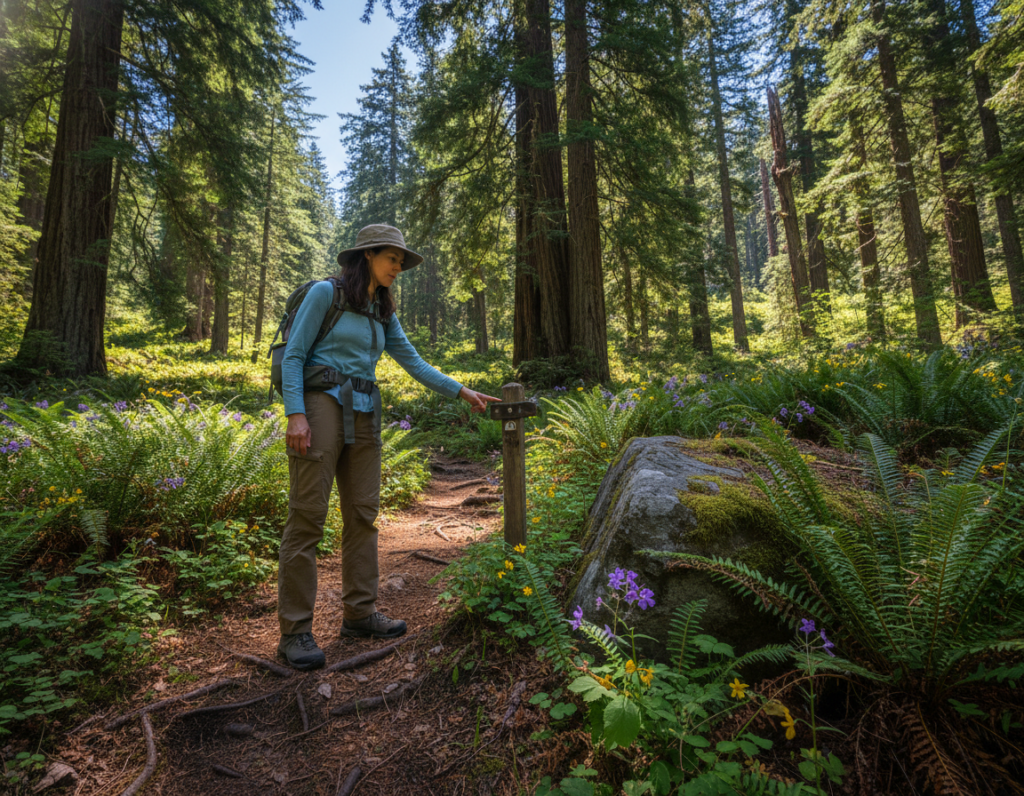
Understanding Weather Patterns and Terrain Clues
Weather changes often announce themselves well in advance. Dark, building clouds and sudden wind shifts suggest approaching storms. A quick temperature drop can signal weather moving in.
Terrain tells its own story. Watch for eroded sections and loose rocks that might indicate unstable ground. Vegetation changes can reveal water sources or tricky footing ahead.
Identifying Wildlife and Natural Signals
Animal signs like tracks and markings show who shares the space. Most creatures prefer avoiding contact with people. Making occasional noise prevents surprise meetings.
Bird behavior offers valuable clues. Sudden silence might mean a predator is nearby. These natural signals help you move through wild spaces as an informed participant.
| Signal Type | What to Look For | Potential Meaning |
|---|---|---|
| Weather Indicators | Darkening clouds, wind increase | Approaching storm system |
| Terrain Changes | Erosion, loose rocks | Unstable trail conditions |
| Wildlife Signs | Tracks, scat, markings | Recent animal activity |
| Bird Behavior | Sudden silence, alarm calls | Possible predator presence |
Using all your senses creates deeper connection to place. Listen for unusual quietness. Notice distinctive smells before rain. Feel wind direction changes.
This mindful approach builds confidence without creating worry. You become more attuned to the natural world while maintaining your personal safety throughout the activity.
Interacting with Fellow Hikers and Technology Aids
Sharing the path experience means sharing the responsibility for everyone’s well-being. Good dynamics make the entire activity more enjoyable and secure for all people involved.
Clear talk is the best way to prevent problems. It builds a supportive environment where anyone can speak up.
Group Communication Methods for Safety
Start by setting simple protocols. Agree on hand signals for stopping or slowing down. Plan regular verbal check-ins.
Asking questions shows you are engaged. It is a sign of confidence, not weakness. You gain valuable knowledge from others.
Use direct language for your needs. Say, “I need a water break,” or, “Let’s pause for a snack.” This respects your limits and the group’s time.
Proactively check on your companions. Some hesitate to voice fatigue. A simple, “How is everyone feeling?” invites honest answers.
| Method | How It Helps | Best Time to Use |
|---|---|---|
| Pre-hike Briefing | Sets expectations and addresses concerns early | Before starting the activity |
| Regular Check-ins | Monitors energy levels and morale | Every 30-60 minutes during the course |
| Direct Needs Statements | Clearly communicates personal requirements | As needs arise |
| Proactive Questions | Ensures quieter members are heard | At natural stopping points |
Technology aids like GPS and weather apps are useful tools. They provide backup information. But the most important thing is to stay present.
Use your phone to confirm your location, then put it away. This balance keeps you connected to both your course and your surroundings.
Conclusion
Mastering your surroundings doesn’t happen overnight—it’s built through mindful repetition. Start with a simple five-minute ritual: check the weather, review your route, and assess your gear. This groundwork sets the right mindset before any outdoor activity.
Choose one or two strategies to focus on initially. The stop-look-listen technique or asking more questions during group outings are great starting points. Share these practices with companions to make safety a collaborative effort. For comprehensive guidance, explore our essential hiking tips for beginners.
After each adventure, reflect on your experience. How did you feel during the activity? Did your preparation levels support your enjoyment? This ongoing process builds confidence over time, allowing deeper engagement with natural spaces while maintaining essential awareness.
