
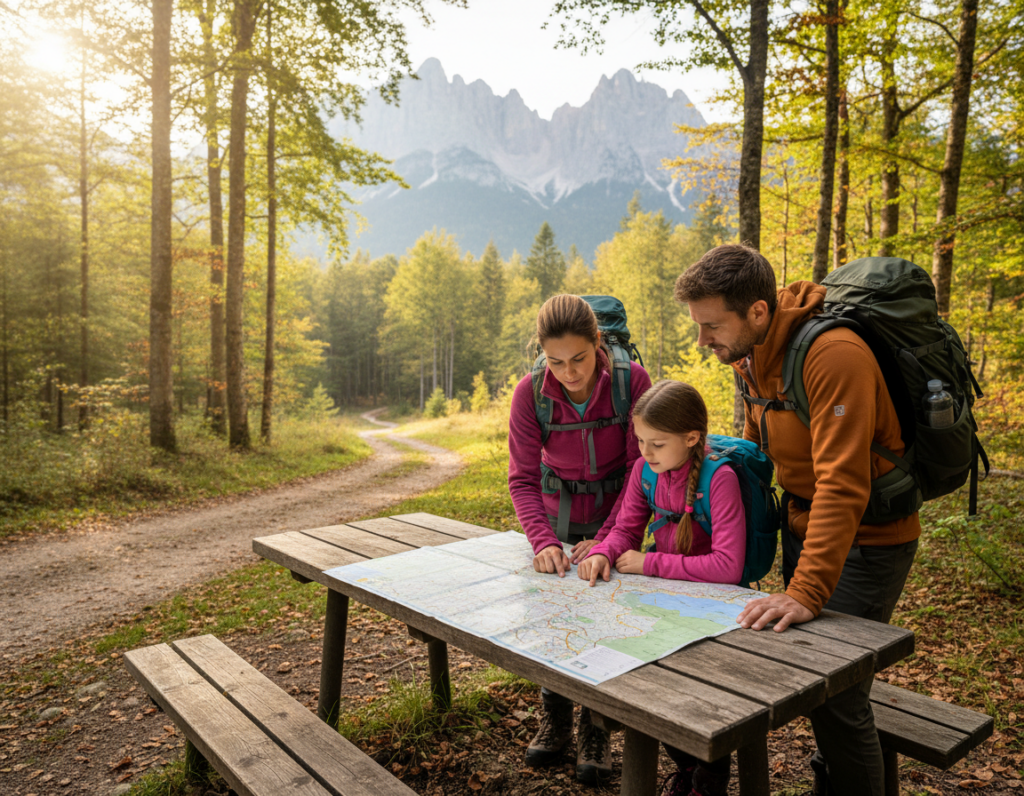
Did you know that elevation gain can double the effort of a hike, even if the distance seems short? A 3-mile route with 1,000 feet of climb often feels like 6 miles on flat ground. This fact changes how we plan our outdoor adventures.
You’ve probably stood at a trailhead, map in hand, wondering if this path fits your schedule and energy. I’ve been there too. Picking the right route for your day is about more than just miles.
It’s about matching the path to your available time, current fitness, and what you hope to experience outside. Trail descriptions throw numbers at you—mileage, elevation gain, terrain type. These details work together to paint a true picture.
Three core elements decide how challenging any trek will be. First is the elevation you’ll climb. Second is the distance you’ll cover. Third is the type of route you’ll follow.
Understanding these basics turns trail selection from guesswork into a smart plan. It sets you up for a great day. Whether you have two hours or a full day, this guide walks you through the essential factors.
I’ll share practical tips from my own time on the trails. You’ll learn to read trail summaries with confidence. You’ll calculate what you can handle and find hikes that match your goals.
Key Takeaways
- Elevation gain dramatically changes a hike’s difficulty, not just distance.
- Always match your planned route to your available time and fitness level.
- Understand the three core elements: elevation, distance, and route type.
- Read trail descriptions carefully to get the full picture of terrain and effort.
- Start with shorter, well-marked paths to build your confidence safely.
- Planning using these factors leads to more enjoyable and successful outdoor days.
- Your personal experience and goals are key to selecting the perfect adventure.
Understanding Trail Distance and Elevation
Let’s break down the two most critical numbers in any trail summary: distance and elevation. They work together to define your real effort.
Mileage and Its Impact on Your Hike
That listed mileage is the total roundtrip distance. A 6-mile route means you’ll go 3 miles out and 3 miles back. Plan your turnaround time with this in mind.
For newer hikers, I recommend paths in the 3 to 8 mile range. This allows you to build stamina without overwhelming elevation gain.
Your pace changes with the terrain. On flat ground, you might cover a mile in 20 minutes. Add hills or rocks, and that same mile can take 30 minutes or more.
Elevation Gain and Steepness Explained
Elevation gain is the total vertical feet you’ll climb. This number tells you how hard your legs and lungs will work.
To find the steepness, calculate gain per mile. For an out-and-back path, divide the roundtrip miles by two. Then divide the total elevation gain by that result.
Use this simple guide: 200-400 feet per mile is easy. 400-700 is moderate. 700-1000 is difficult. Over 1000 feet per mile is a challenging, heart-pounding climb.
Always look at both distance and elevation together. This gives you the true picture of a path’s challenge.
Essential Factors for Safe Hiking
I never hit the trail without knowing two things: what the path is like now and what the sky might do. This research turns potential problems into manageable parts of your adventure.
Assessing Trail Conditions and Terrain
The ground under your feet can change everything. A smooth dirt path feels different from a rocky scramble or a steep boulder field.
As you gain elevation, the environment shifts. Trees thin out, wind increases, and temperatures drop. That damp section lower down might be icy higher up.
Recent trip reports are gold. They reveal if the access road is clear, if a path is muddy, or if snow lingers. People often share why they turned around, giving you critical clues.
Weather and Gear Considerations
Weather at the trailhead can be a lie. Always check the forecast for your highest point. I use weather.gov and zoom in on that exposed ridge.
Your gear list comes from this intel. Rocky terrain demands sturdy boots. Snow requires traction devices like microspikes. Exposed areas call for wind-resistant layers.
When you’re hiking in variable conditions, this prep lets you adapt. Make sure you pack for the worst scenario you might meet up high.
Insights on Choosing Trail Length for Your Day
Planning a successful hiking day blends two personal factors: your fitness level and available time. I always weigh both before I pick a route.
Matching Trail Length to Your Fitness Level
Start with an honest look at your current condition. Select a distance you feel comfortable walking. Trail difficulty ratings can be subjective.
Calculate the elevation gain per mile. Divide total climb by the one-way distance. Aim for under 500 feet per mile as a new hiker.
This creates a manageable challenge. It builds confidence without exhaustion.
Determining the Right Distance Based on Time
Your schedule dictates real possibilities. A two-hour total window includes driving and gearing up. You might have just 60-90 minutes on the path.
Beginner hikers often cover 1 to 1.5 miles per hour. More experienced people move at 2 to 4 miles per hour. Always add time for elevation gain and breaks.
Track your pace on different routes. This builds a personal baseline for better planning.
Analyzing Trail Types and Roundtrip Details
Your trail’s layout—out-and-back, loop, or point-to-point—directly impacts your timing, scenery, and overall experience. Knowing the difference helps you match a path to your schedule and personal taste.
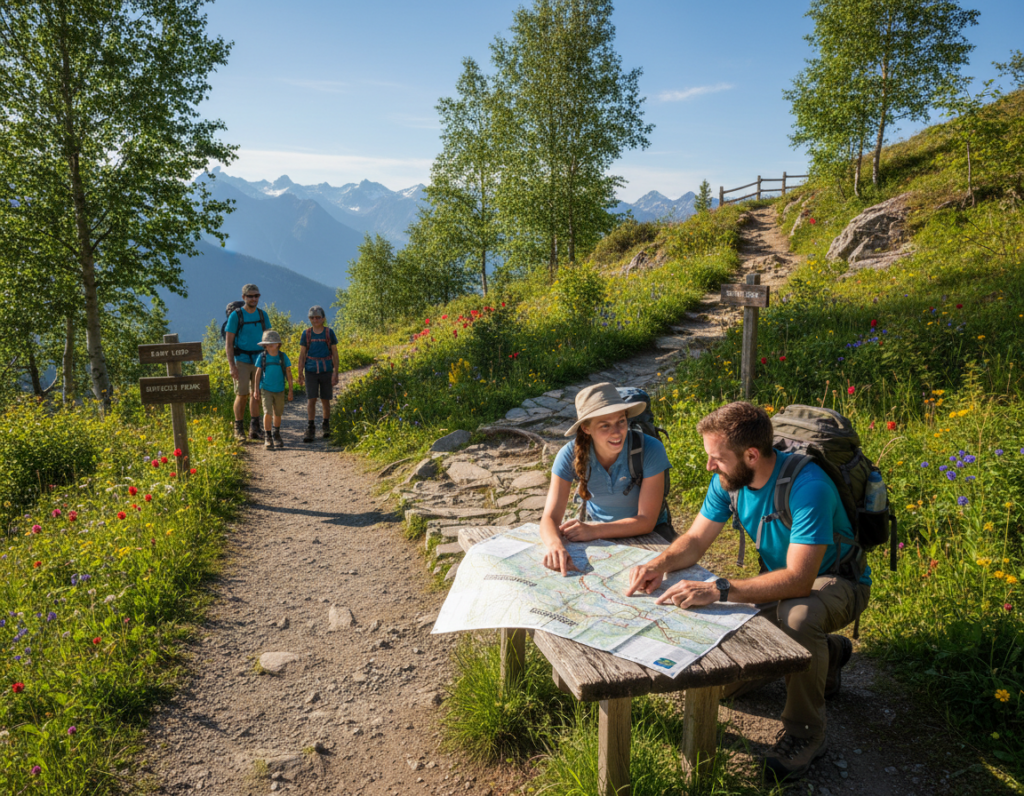
Out-and-Back Versus Loop Trails
Out-and-back routes are the simplest. You hike in one direction, then return the way you came. This makes them highly predictable.
You know exactly what the back trail looks like. This is perfect when you’re hiking with a tight schedule. You can turn around at any point.
Loop trails start and end at the same place but form a circle. They offer more variety in scenery and terrain. You don’t retrace your steps.
My personal favorite for a full-day adventure is a loop. It feels like a complete journey. Remember, a loop commits you to the full distance.
A “lollipop” trail is a fun hybrid. You hike out on a main path, do a small loop in the middle, then return the same way.
Understanding Point-to-Point Options
Point-to-point trails are a different beast. They start at one trailhead and finish at another. This requires arranging transportation.
You might need two cars or a shuttle. These routes are often longer. They don’t work well for short time windows.
A thru-hike is an extended point-to-point trek, often 100+ miles. For a day trip, focus on out-and-back or loop options. They give you more control.
Always check the trip information for the route type. This simple step prevents big surprises halfway through your hike. It’s a key part of essential hiking tips for beginners and seasoned hikers alike.
Evaluating Hike Duration and Pace
Calculating your true pace, including elevation effects, is the secret to picking hikes you can finish with a smile. It turns guesswork into a reliable plan.
Calculating Walking Pace and Elevation Effects
Your speed changes with the terrain. On flat ground, many hikers average 20 minutes per mile. Add a climb, and that same mile can take 30 minutes or more.
Steep elevation gain is the main factor. A path with 500 feet per mile will slow you down dramatically. I’ve watched my pace stretch to 45 minutes on rocky, steep routes.
Track your personal speed over several outings. Use apps like Gaia GPS or a Garmin watch. This builds your own baseline for better planning.
Setting a Timely Turnaround Rule
This simple rule keeps your day stress-free. Hike out for half your available time, then turn around and head back the way you came.
Set a phone alarm for your turnaround point. When it sounds, start your return. Don’t chase “one more mile” and risk being rushed.
As a rule of thumb, a two-hour total trip often gives just 60-90 minutes on the path. Factor in driving and gearing up. This rule ensures you finish relaxed and on time.
Utilizing Apps and Reports for Better Planning
Modern technology gives you a powerful edge in planning your next outdoor adventure. The right tools and real-time reports turn guesswork into confidence.
I rely on a mix of digital apps and community insights. This approach provides the most accurate picture before I even get in the car.
Leveraging Hiking Apps and Maps
Apps like AllTrails are game-changers. They give you instant access to distance, elevation gain, and recent reviews.
Always download your map for offline use. This ensures you have critical information when cell service disappears. It has saved me in remote places more than once.
Build a personal system. Save favorite 30-minute, 60-minute, and 90-minute hikes. You’ll have a go-to list ready for any spare hour.
Interpreting Trip Reports and Recent Conditions
Recent trip reports are your best source for current conditions. People share details on muddy spots, snow coverage, and tricky stream crossings.
Look through photos posted by others. Pictures reveal a lot about the terrain you’ll actually encounter. Don’t just rely on written descriptions.
Ranger stations are an expert side of information. Call them for updates on weather patterns and which paths are in the best shape. Local hiking groups on social media also post real-time tips.
| Resource | Best For | Key Consideration |
|---|---|---|
| Hiking Apps | Quick access to maps, elevation data, and saved routes. | Download maps offline before you lose service. |
| Trip Reports | Understanding recent, on-the-ground conditions from other people. | Look for reports from within the last week for accuracy. |
| Ranger Stations | Authoritative information on closures, weather, and seasonal factors. | Call during weekday business hours for the most detailed help. |
Use these resources to choose a hike that fits your day. Save the dramatic, all-day challenges for when you have proper time. Smart planning means more fun on the trail.
Essential Pre-Hike Preparation and On-Trail Safety
Your safety on the path begins long before you take your first step. Smart preparation builds confidence and prevents problems. It turns a simple walk into a secure adventure.
Packing the Right Gear
Your gear list comes from the terrain and forecast. Rocky paths need sturdy boots. Snow demands traction devices like microspikes.
Exposed places require warm, wind-resistant layers. Even on short trips, pack navigation tools, water, snacks, and a headlamp. Conditions change fast.
When you’re hiking in winter, bring snow gear. Higher elevations hold snow longer than valleys. Be ready for anything.
Staying Informed and Prepared on the Trail
Make sure your vehicle can reach the start. Some forest roads are rough. Others have paved parking lots.
Always share your plans. Text a friend your route and return time. Ask them to check in if you’re late.
Check if you need a parking pass or permit. Many trails require a Northwest Forest Pass. Bring cash for day-use fees.
Factor in daylight hours, especially in winter. Starting too late cuts your time short. Crowded paths slow you down as you wait for others.
A lot of work happens before you arrive. This system keeps your day safe and fun.
Conclusion
You now hold the keys to planning outdoor trips that fit seamlessly into your life. You’ve learned to read descriptions, calculate climb, and assess terrain. This knowledge turns stress into confidence.
Start with manageable outings. Build your fitness and comfort over time. Share what you learn with others new to the trails.
Don’t let a busy schedule keep you inside. A short hike in a beautiful place refreshes your mind. It connects you to nature in a powerful way.
Your personal experience grows with every step. Get out there and discover the joy of hiking at your own pace. The adventures are waiting for you.
