
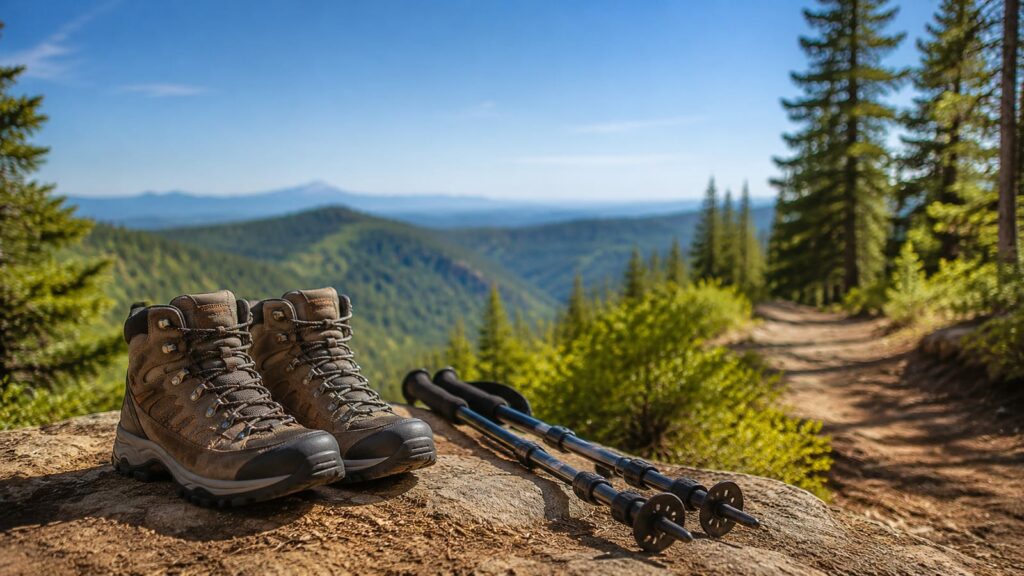
The Oboz Bridger Waterproof Mid is the best hiking boot for flat feet and overpronation because its firm platform, controlled heel, torsional support, and replaceable insole keep your foot from collapsing inward after several trail miles. Choose the KEEN Targhee IV Waterproof Mid Wide if width matters more than maximum structure. Soft cushioning feels pleasant at the trailhead, but unstable softness gets old on rocky descents.
Which hiking boots are best for flat feet and overpronation?
Start with the Oboz Bridger Waterproof Mid. It offers the most convincing mix of a stable base, firm heel control, torsional rigidity, cushioning, and a supportive removable insole. That combination matters more than a large arch bump stitched into the footbed.
Here’s how I’d rank the main options:
| Boot | Best for | What it gets right | Where it falls short |
|---|---|---|---|
| Oboz Bridger Waterproof Mid | Best overall | Firm platform, controlled heel, torsional support, removable insole | Structured fit can feel too firm |
| KEEN Targhee IV Waterproof Mid Wide | Best for wide feet | Roomy platform, useful support, orthotic-friendly volume | Less rigid than the Bridger |
| Lowa Renegade GTX Mid | Maximum stability | Secure heel, strong midsole control, excellent torsional resistance | Expensive and less friendly to very wide feet |
| Merrell Moab 3 Mid Waterproof Wide | Best value | Comfortable, roomy, widely available, easy to fit with an aftermarket orthotic | Softer structure gives less control on rough terrain |
| Hoka Kaha 2 GTX | Shock absorption | Plush cushioning for sore feet and hard-packed trails | Softer, taller ride is less stable for strong overpronation |
The Oboz Bridger Waterproof Mid is the pick for most hikers who want their boots to control movement without feeling like medical equipment. It’s worth the money if your arches collapse, your ankles roll inward, or your feet feel cooked after mile 10.
The KEEN Targhee IV Waterproof Mid Wide is the better call if your forefoot needs space. A boot that controls your heel but squeezes your toes is still a bad boot.
How does overpronation change what a hiking boot needs?
Overpronation means your foot rolls inward more than you want during a step. A flat arch can contribute, but foot shape alone doesn’t tell you how much support you need. Some hikers have flat feet and feel fine. Others develop arch fatigue, heel pain, knee irritation, or ankle strain on long descents.
A supportive boot should help with four practical problems:
- Midsole stability: The base should resist folding under your body weight.
- Heel guidance: The heel counter should hold your rearfoot without crushing it.
- Foot lockdown: Your heel and midfoot should stay put while your toes spread naturally.
- Controlled flex: The boot should bend where your foot bends, not fold sideways across uneven rock.
A soft boot can feel comfortable for the first hour. However, that softness may let your foot drift inward as your calves tire. The result is more pack rub, less confidence on side slopes, and feet that complain on the drive home.
You’re looking for control, not a boot that claims to repair your gait. Hiking footwear can limit unwanted movement. It can’t medically correct an alignment problem.
The technical term pronation covers a normal part of walking. The trouble starts when the movement combines with pain, fatigue, poor fit, or rough trail conditions.
Which boot offers the best overall support after several miles?
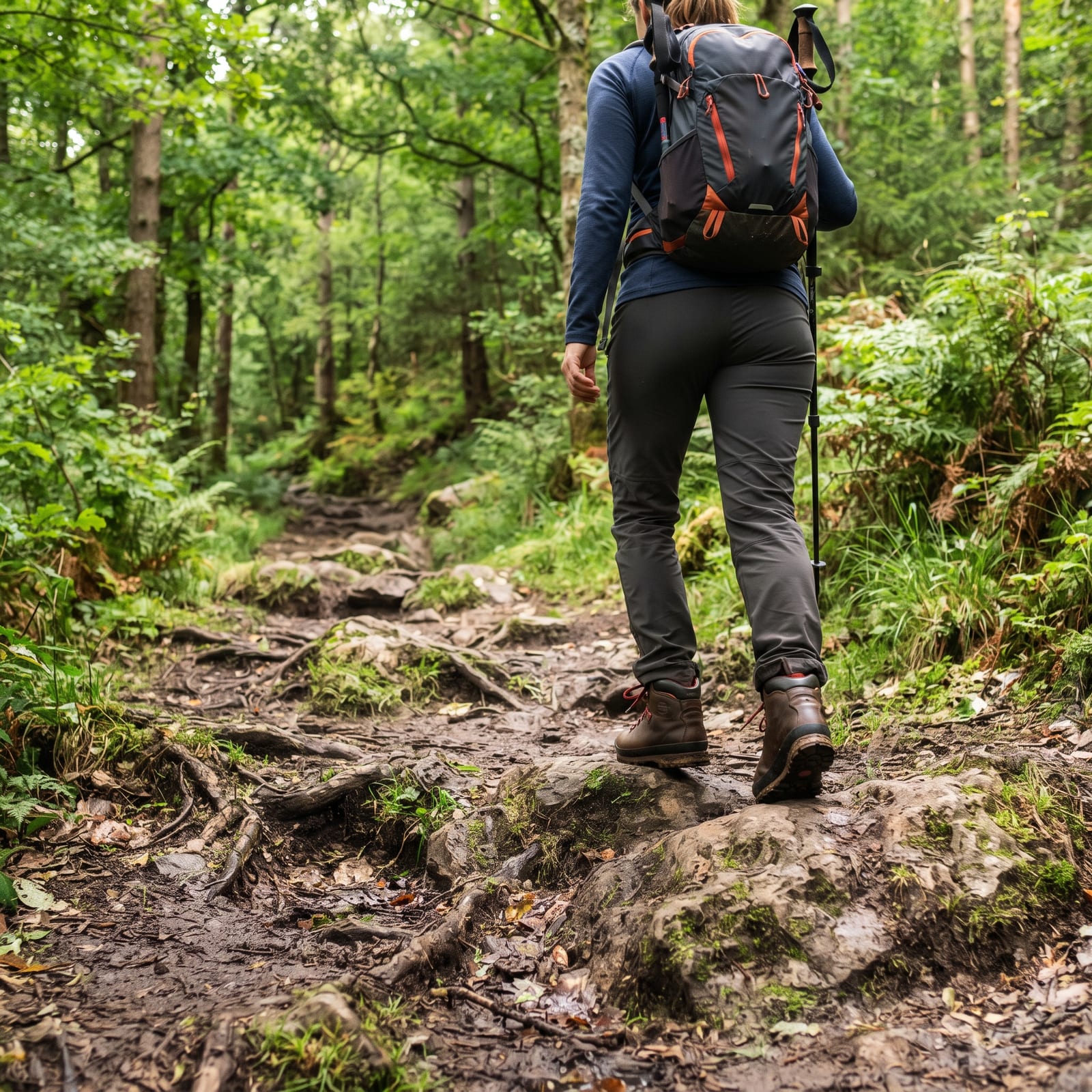
The Bridger earns the top spot because its support remains useful after the novelty wears off. A firm platform reduces the amount of work your feet do to keep you balanced. Its heel structure also helps stop the rearfoot from wandering inside the boot.
That matters most on:
- Rocky descents
- Side-hilling across loose dirt
- Trails with a heavy water carry
- Long switchbacks
- Wet roots where small slips become repeated foot corrections
The Lowa Renegade GTX Mid is the more serious stability choice. It feels secure through the heel and midsole, and its torsional control is excellent. However, the same firm structure that helps on rough ground can feel excessive on smooth paths. It also won’t suit every very wide foot.
The KEEN Targhee IV Waterproof Mid Wide gives up some rigidity for a roomier fit. That’s a fair trade if your toes need room or you use an orthotic. It stays stable enough for regular hiking, but hikers seeking the strongest inward-roll control will notice the difference beside the Bridger.
The Merrell Moab 3 Mid Waterproof Wide is good enough for park trails, maintained forest routes, and budget overnights. It’s comfortable, easy to find, and simple to pair with a replacement footbed. Still, its softer structure gives your foot less help on rough rock and long downhill sections.
The Hoka Kaha 2 GTX is the comfort-first option. Its cushioning can take the edge off hard surfaces and painful feet. However, a plush ride can feel vague when the trail tilts sideways. Pick it for impact relief, not because thick cushioning automatically means better support.
Which hiking boots provide the strongest overpronation control?
For inward-roll control, I’d rank the five boots this way:
- Lowa Renegade GTX Mid
- Oboz Bridger Waterproof Mid
- KEEN Targhee IV Waterproof Mid Wide
- Merrell Moab 3 Mid Waterproof Wide
- Hoka Kaha 2 GTX
The Lowa has the strongest overall structure. The Bridger is close behind and feels less demanding for ordinary day hikes. Both hold their shape when you edge across uneven ground.
The KEEN gives you a wider, more forgiving fit. That can improve control if a narrow boot forces your foot to spill over the edge. However, it doesn’t resist twisting as aggressively as the Lowa or Bridger.
The Merrell works for mild overpronation and easier terrain. Skip it if your feet roll inward badly under a loaded pack or if you already know soft boots leave your ankles tired.
The Hoka is last for this specific need. It may reduce impact, but its softer ride isn’t the first choice for firm guidance. A boot can be kind to your heels and still let your feet move more than you want.
How much arch support do collapsed arches actually need?
You don’t automatically need a tall, hard arch. You need a footbed that supports your foot without creating a hot spot under the middle of your foot.
A prominent arch can sound better on a hang tag than on a climb. If the support presses into a place your foot doesn’t tolerate, you may develop burning, numbness, or a new pressure point. That’s not control. That’s a small problem being moved somewhere else.
Use these signs to judge the footbed:
- Your heel stays seated when you walk downhill.
- Your arch feels supported, not poked.
- Your toes can spread without hitting the boot’s upper.
- Your foot doesn’t slide inward on a side slope.
- Pressure stays even after a long walk.
A removable insole gives you room to adjust. The Bridger, Targhee, and Moab are easier starting points for aftermarket footbeds because you can remove the stock insole and test another shape.
If you have a prescribed orthotic, bring it when you shop. Don’t measure the boot with the factory insole and assume the orthotic will fit later. That is how your toes end up pressed against the roof while the salesperson says the boot has “plenty of volume.”
For persistent flat-foot pain, the American Academy of Orthopaedic Surgeons’ flatfoot guidance is a better starting point than a boot company’s arch-support chart.
Which boots have the best torsional rigidity and stability?
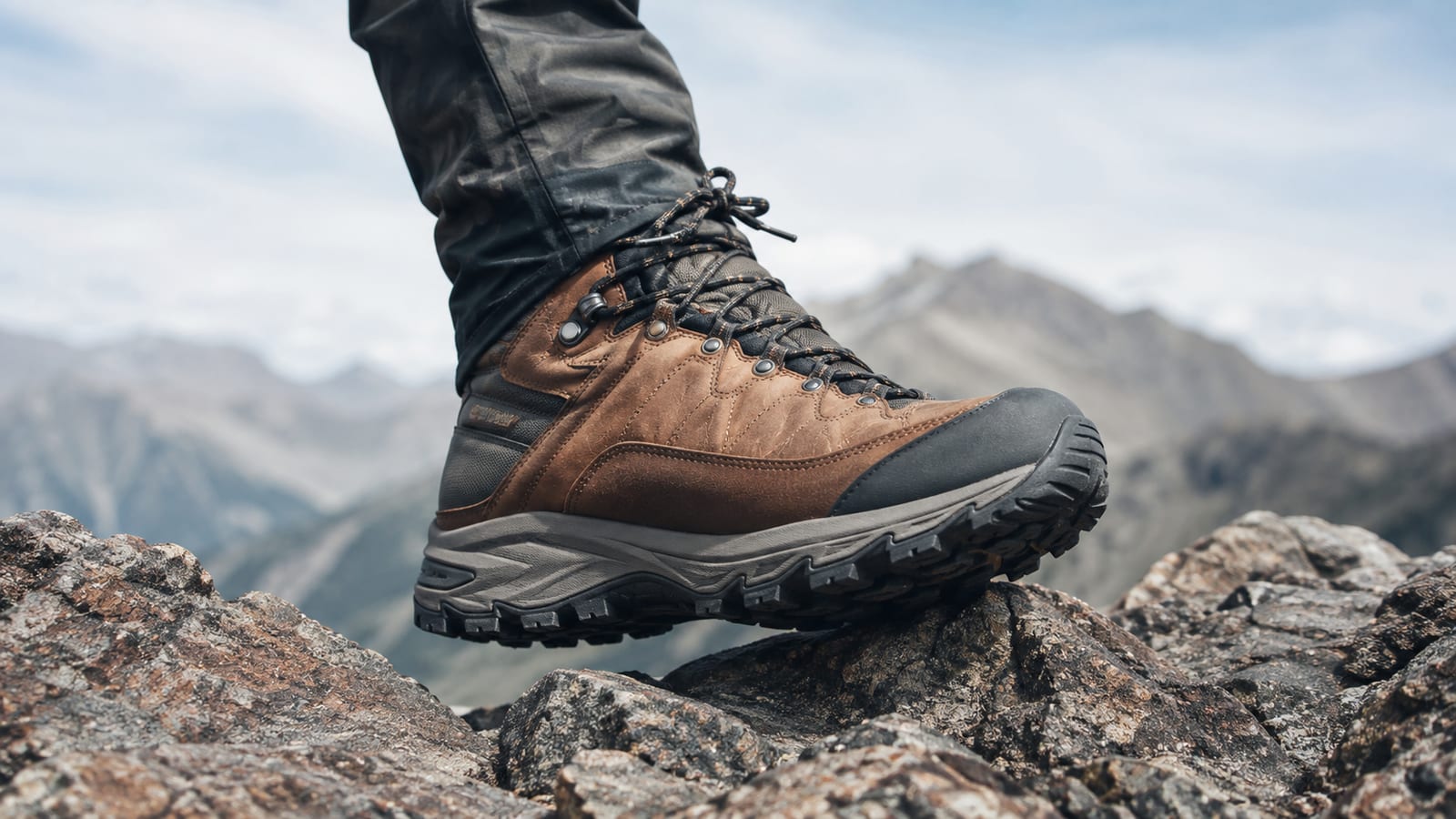
Torsional rigidity is the boot’s resistance to twisting from heel to toe. You notice it when one foot lands on a rock and the rest of the boot stays organized instead of folding around it.
The Lowa and Bridger lead here. The Targhee follows with a more flexible, wide-foot-friendly feel. The Moab and Kaha give up some torsional control for comfort and easier walking.
You can test this in a shop:
- Hold the heel in one hand and the toe in the other.
- Twist the boot in opposite directions.
- Press the sole against the floor and try to fold it sideways.
- Put the boot on and walk across an uneven surface.
- Step down a short incline and watch for heel lift or foot drift.
The boot shouldn’t feel like a ski boot. Excess stiffness can make your stride clumsy and create pressure at the ankle or forefoot. You want enough resistance to stop unwanted collapse, while still being able to walk naturally.
For a real trip, repeat the test with your hiking socks and any orthotic you plan to use. A boot that feels stable barefoot can turn into a cramped trap after your foot swells.
Why does heel-counter stiffness matter for pronation control?
A firm heel counter helps hold the rearfoot in place. That limits excess movement before it travels up through your ankle and knee.
However, firm doesn’t mean painful. The heel counter should wrap your heel without digging into the Achilles tendon or rubbing the ankle bone. If your heel slips, you lose much of the control you paid for. If the boot is too stiff, you may trade inward rolling for a blister.
Check heel fit this way:
- Lace the boot normally.
- Walk uphill and downhill.
- Try a runner’s loop if the boot allows it.
- Watch for the heel lifting inside the boot.
- Look for pressure where the counter meets your ankle.
The Bridger and Renegade offer the strongest heel containment in this group. The Targhee holds well if the wide shape matches your foot. The Moab is comfortable but less forceful. The Kaha’s softer feel makes careful lacing more important.
If ankle problems are part of the picture, our guide to preventing sprained ankles on rocky trails covers the rest of the system. Boots help, but foot placement and fatigue still matter.
Which hiking boots absorb shock best for painful feet?
The Hoka Kaha 2 GTX is the clearest choice for shock absorption. Its plush cushioning can make pavement approaches, hard-packed paths, and repeated downhill impact easier on sore feet.
That comfort comes with a tradeoff. A softer, taller platform can feel less planted on uneven ground. If your main problem is heel pain from hard surfaces, choose the Kaha. If your main problem is your foot rolling inward under load, choose the Bridger or Renegade first.
The Moab also gives a comfortable ride without feeling as isolated from the ground. It suits hikers who want a forgiving boot for moderate trails and don’t need maximum structure.
Avoid choosing cushioning by appearance alone. Pressing a boot in the store tells you almost nothing about how it behaves after hours of sweat, pack weight, and downhill braking. Walk stairs, find an uneven surface, and test the boot after your feet have warmed up.
Which boots work best with orthotics and removable insoles?
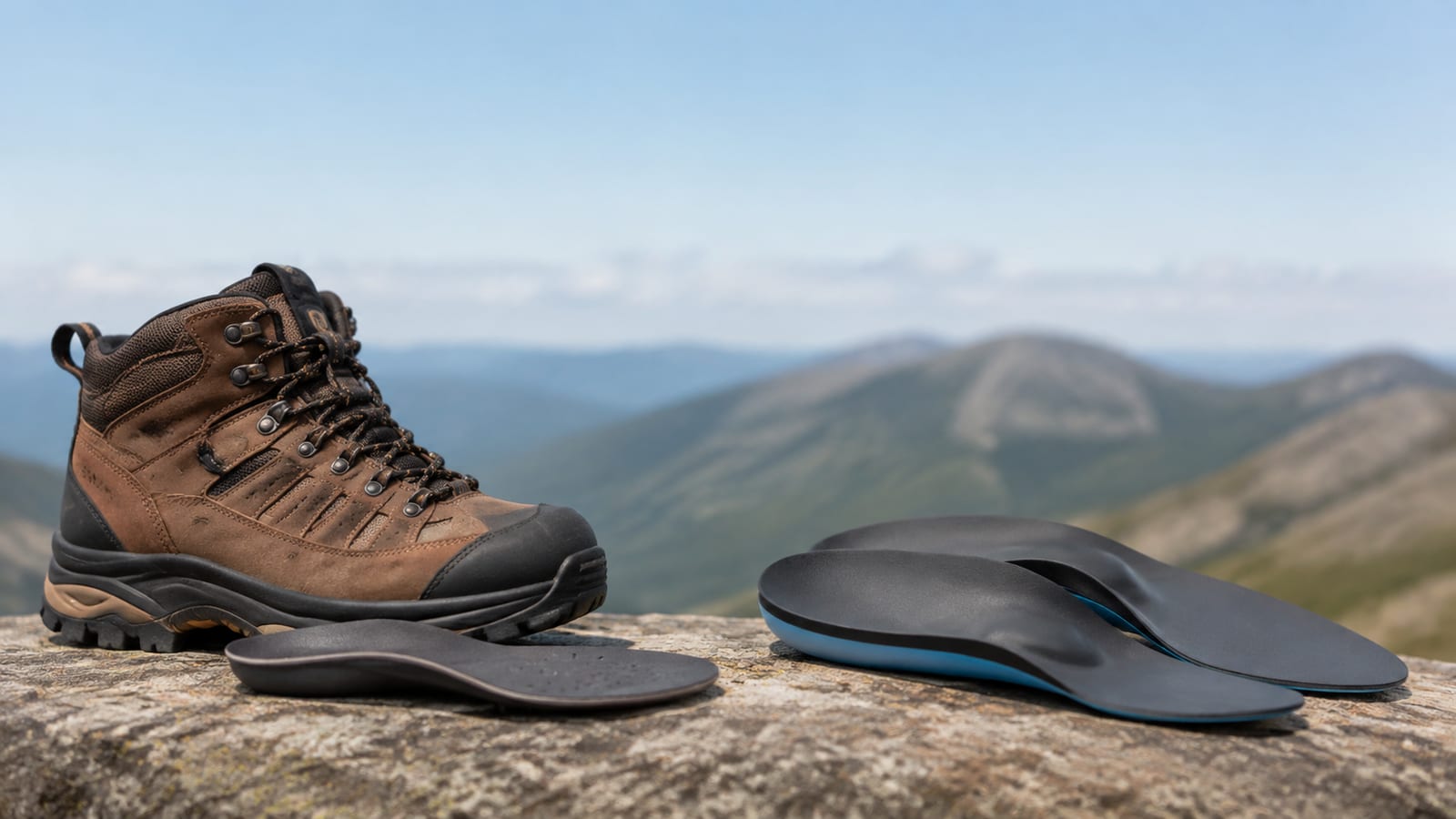
The KEEN Targhee IV Waterproof Mid Wide is the easiest choice for wide feet and orthotic volume. Its roomier platform gives an aftermarket footbed more space without immediately crowding the toes.
The Oboz Bridger Waterproof Mid also works well because its supportive removable insole gives you a useful baseline. Replace it with your prescribed orthotic only after checking heel hold and toe room.
The Merrell Moab 3 Mid Waterproof Wide is the budget-friendly orthotic option. It has a roomy feel and is easy to adjust, but the softer boot won’t provide the same control on loose rock.
The Lowa can work with an orthotic, though its closer, more structured fit gives you less room for mistakes. The Kaha may accept a replacement footbed, but added volume can affect heel hold and reduce the stable feel you wanted.
Before buying, check:
- Can the factory insole come out cleanly?
- Does the replacement footbed sit flat?
- Do your toes still have room downhill?
- Does the heel stay locked?
- Does the orthotic create pressure under your arch?
- Can you lace the boot without crushing the instep?
A footbed that works in your everyday shoes may not work under a heavy pack. Test it on a real walk before trusting it on a long trail.
Which hiking boots come in genuinely useful wide fits?
The KEEN Targhee IV Waterproof Mid Wide is the strongest wide-fit pick here. It gives your forefoot room while keeping enough structure underfoot for regular hiking.
The Merrell Moab 3 Mid Waterproof Wide is the value choice. It’s roomy, comfortable, and easy to find. It also pairs well with aftermarket orthotics. However, extra space doesn’t replace heel control. If your heel moves while your toes enjoy the room, the boot is too loose in the wrong place.
The Bridger can work for average and somewhat broad feet, but its structured fit feels less forgiving. The Renegade is secure but may feel restrictive for very wide feet. The Kaha offers cushioning and space, though you should check whether the heel remains snug.
Our guide to hiking boots for wide feet that actually fit covers toe-box shape in more detail. This article’s narrower point is support for inward rolling, not just room across the front.
Which other named boots deserve a look?
Several other real models appear in this category, but they don’t replace the five main picks for this specific use.
- Merrell Moab 3 GTX: A legitimate alternative to the Moab Mid Waterproof Wide. It carries an 87 Great rating in the researched results, but the rating alone doesn’t prove it controls overpronation. Choose it for general hiking comfort, not a medical fix.
- Salomon X Ultra 5 GTX: A lighter, more agile option for hikers who dislike bulky boots. It has an 86 Great rating in the researched results. Still, a lighter feel usually means you should pay closer attention to heel lockdown and midsole stability.
- La Sportiva Spire GTX: A more precise option for uneven terrain and narrow-to-average feet. Skip it if your forefoot needs a generous fit.
- Altra Olympus 6 Hike Low GTX: Consider it if you prefer a low-cut hiking shoe and a roomy toe area. It isn’t my first choice for hikers who need strong heel guidance.
- Brooks Ghost Trail: Better suited to people who want a trail-running feel than a structured boot. It may work on smoother paths, but it gives up ankle coverage and firm boot-like control.
- HOKA Kaha 3 Low GTX: A lower-cut Kaha option for hikers who want cushioning without a mid boot. The low collar may feel less secure if ankle fatigue contributes to your inward roll.
- Berghaus Hillmaster II GTX: A traditional, supportive boot for hikers who prefer a firm upper and stable feel. It may be more boot than you need for easy trails.
- Berghaus Expeditor Ridge 2.0: A practical option for hikers who prefer traditional construction. Check heel fit carefully, because a roomy upper can undermine the support.
- KEEN Revel 3: A warmer, more insulated choice for cold-weather walking. Heat and bulk make it less appealing for summer trail miles.
- Grisport Saracen High Rise: A high, structured boot for hikers who want more upper support. It can feel restrictive if you prefer a flexible stride.
- Grisport Lomond High Rise: Another traditional high-rise option. Consider it for firm support, but don’t buy it without checking ankle pressure and heel movement.
The Saucony Xodus Ultra 4 also appears in the researched results with an 89 Superb rating. It is a trail shoe rather than the kind of mid hiking boot most people mean by this query, so I’d consider it only if you already know low footwear works for your ankles and pack weight.
How should you test fit before a hike?
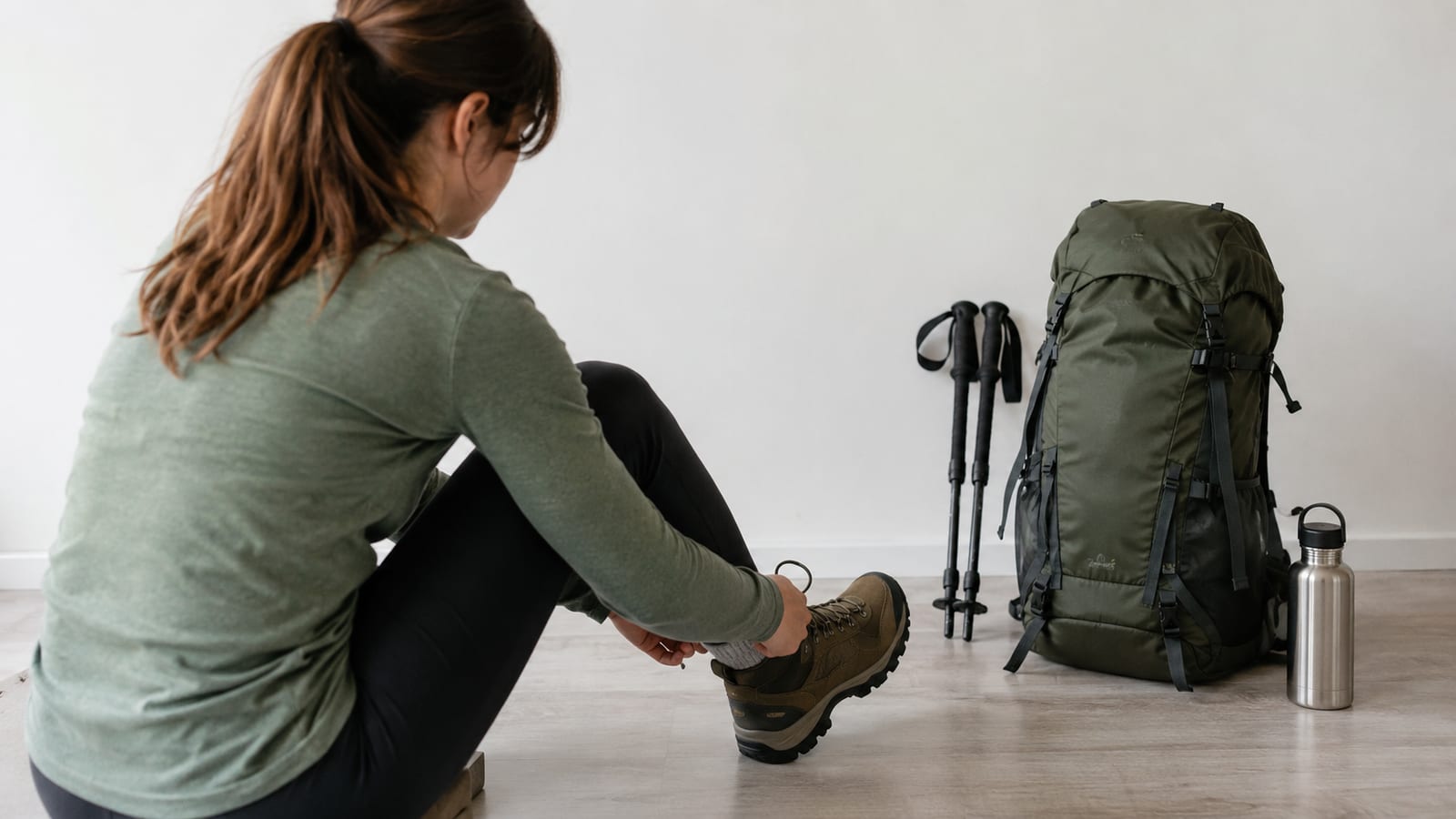
Don’t judge the boot in the first five minutes. Flat feet often become more noticeable after your foot tires, and overpronation can worsen on descents.
Use this checklist at home or in a shop:
- Wear the socks you use for hiking.
- Put in your real orthotic if you use one.
- Stand with your toes relaxed and spread.
- Walk uphill, downhill, and across a sloped surface.
- Check that your heel stays seated.
- Make sure your toes don’t hit the front when walking down.
- Look for arch pressure, numbness, or hot spots.
- Lace the midfoot firmly without crushing the top of your foot.
- Walk long enough for your feet to warm and swell.
- Break the boots in on short local walks before a long trip.
Your toes should not touch the front on a downhill walk. Your heel should not lift enough to rub. The arch should feel supported, not propped up like a shelf.
Waterproof boots also need extra attention in warm weather. They can keep rain out, but they can also hold sweat longer. If your route includes heat and bugs, a breathable non-waterproof option may be more comfortable unless wet conditions are likely.
Who should buy each boot?
- Buy the Oboz Bridger Waterproof Mid if you want the best balance of heel control, firm support, cushioning, and replaceable insoles.
- Buy the KEEN Targhee IV Waterproof Mid Wide if wide sizing and orthotic space matter most.
- Buy the Lowa Renegade GTX Mid if you carry a heavy pack or spend much of your time on rough, uneven ground.
- Buy the Merrell Moab 3 Mid Waterproof Wide if you want a comfortable, affordable boot for moderate trails.
- Buy the Hoka Kaha 2 GTX if impact pain matters more than maximum control.
- Skip stiff boots entirely if your feet feel good in flexible footwear and you mostly hike smooth paths.
- See a specialist before buying another boot if every pair creates pain, numbness, swelling, or one-sided symptoms.
When should you stop relying on boots and see a professional?
Boot changes are reasonable for mild fatigue or a fit problem. They are not a substitute for evaluation when symptoms keep returning.
Talk with a podiatrist or qualified clinician if you have:
- Persistent foot or ankle pain
- Numbness or tingling
- Swelling that does not settle
- Symptoms on one side only
- A worsening change in foot shape
- Pain that limits normal walking
- Repeated ankle sprains
- Pain that continues after changing footwear
A stiffer boot may hide the problem for a while. It may also create new pressure under the arch, heel, or ankle. If your feet keep asking for more structure, find out why before you keep buying heavier footwear.
FAQ
Can hiking boots fix flat feet?
No. Hiking boots can improve foot lockdown and reduce unwanted movement, but they don’t rebuild an arch or correct a medical condition. Persistent symptoms deserve a clinical assessment.
Should you size up for flat feet?
Usually, you should size for toe room and foot volume rather than automatically going larger. A boot that is too big can let your heel slide and worsen inward movement on descents.
Are waterproof boots good for overpronation?
Waterproofing and pronation control are separate features. A waterproof boot can offer strong support, but it may feel hot and slow to dry during warm hikes.
Do ankle-high boots prevent overpronation?
Ankle height can add a sense of security, but it doesn’t guarantee control. The sole, heel counter, midsole, and fit do more work than collar height alone.
Can you use regular hiking socks with orthotics?
Yes, if the boot still has enough volume and your heel stays locked. Test the full setup together before a long hike, because socks and orthotics both change the fit.
