
Cold kills hikers through wet, not cold air, so the fix is staying dry and keeping fuel in the tank long before you shiver. Hypothermia officially starts when your core drops to 95 degrees Fahrenheit (35 degrees Celsius), but you lose the fight much earlier. It happens on the sweaty climb where you overheated, unzipped nothing, and then stopped moving in the wind. Prevent it by starting cold, managing sweat, blocking wind and rain, eating often, and carrying dry backup layers you never plan to need.
What actually causes hypothermia on a hike?
Not the temperature on the trailhead sign. Wet skin, wind, and a stalled body cause it.
Water pulls heat off you fast. In cold-water immersion, hypothermia can set in within 10 to 15 minutes. A hike rarely dunks you, but sweat-soaked base layers do a slower version of the same thing. You climb hard, soak your shirt, stop for a snack, and the wind finishes the job.
So the enemy is usually your own sweat plus wind, not the thermometer. That reframes everything below. You are managing moisture and heat output, not just piling on insulation.
How do you layer without soaking yourself?
Start cold and dress in three jobs: a layer that moves sweat, a layer that traps heat, and a layer that blocks weather.
Skip cotton entirely. It holds water against your skin and stays wet for hours. Synthetic or wool base layers move sweat and keep some warmth even when damp. Wool resists smell on multi-day trips; synthetic dries faster. Both beat cotton by a wide margin.
Here is the working system:
- Base layer: thin synthetic or merino wool, snug but not tight. Its only job is pulling sweat off your skin, so buy for fit before you fuss over the brand.
- Mid layer: fleece or a light puffy that traps warm air. This is your adjustable furnace, on and off all day.
- Shell: a waterproof, windproof jacket that keeps rain and wind out. It works right up until you climb hard and steam it from the inside.
The trick most people miss is starting the hike a little cold. If you feel comfortable standing at the trailhead, you are overdressed and will sweat within the first mile. Shed a layer before the climb, not after you are already damp.
For a deeper breakdown of how these pieces work together, see our guide to building a hiking layer system.
Why does starting cold matter so much?
Because dry clothes keep you warm and wet clothes do not. Overheating early is the most common way hikers set themselves up to freeze later.
You warm up within minutes of moving uphill. If you dressed for how it felt standing still, you sweat through your base layer, and now you are hiking in a wet shirt. When you stop, that dampness turns cold instantly.
So vent early and often. Unzip pits, drop the beanie, roll sleeves before you are drenched. Managing sweat on the way up is easier than drying out on the way down.
The step-by-step routine that keeps you warm
Here is the order that works, from parking lot to summit.
- Check the real forecast, not the trailhead temperature. Look at wind and rain, since both strip heat far faster than still cold air. A 40 degree day with driving rain is more dangerous than a dry 25 degree morning.
- Dress to start slightly cold. Comfortable at the car means overdressed on the climb.
- Cover your head and neck when resting. Roughly 10 percent of your body heat leaves through your head according to hiking safety guidelines, and a thin beanie is cheap insurance during breaks.
- Vent before you sweat. Open zips and shed layers at the first sign of heat, not the first drop of sweat.
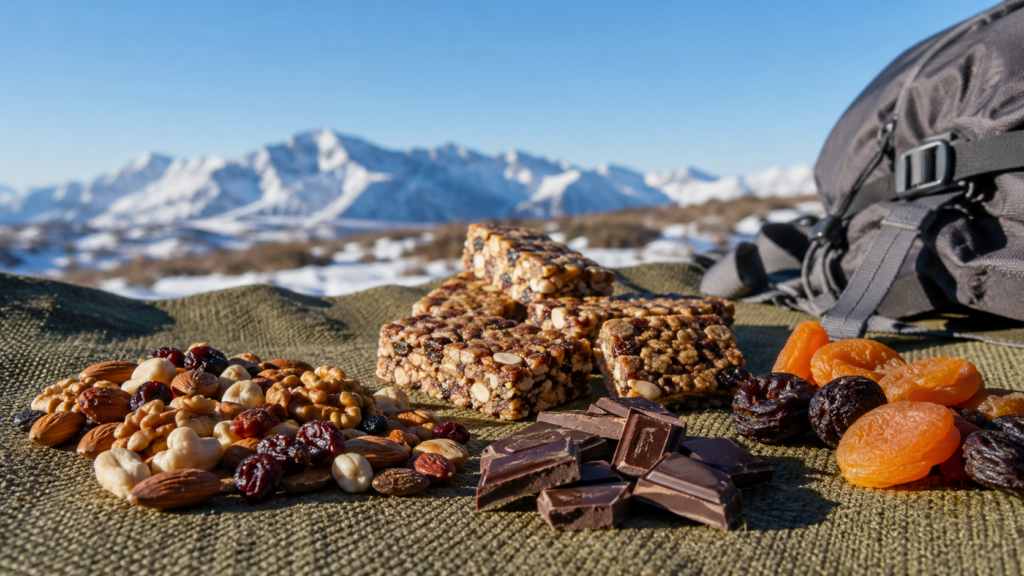
- Eat before you are hungry. Your body makes heat from food. Cold burns calories fast, so snack every hour whether you feel like it or not.
- Add a layer the moment you stop. Throw on the puffy at rest breaks before your damp base layer chills you.
- Carry dry backup clothes in a waterproof bag. A spare base layer, socks, and gloves you never unpack unless things go wrong.
- Know your bailout point. Decide in advance where you turn around if weather sours or someone gets cold.
That routine sounds like a lot. In practice it becomes automatic after a few trips, and it is the difference between a cold hike and a dangerous one.
What food and calories have to do with staying warm
Your body heats itself by burning fuel, so an empty stomach is a cold stomach. Cold weather quietly burns through calories faster than mild days, and hikers routinely under-eat because they do not feel hungry in the cold.
Eat on a schedule instead of by appetite. Simple carbs give quick heat, fat gives slow-burning warmth on long days. Warm drinks help your morale more than your core temperature, but morale keeps tired people making good decisions.
If you feel a chill creeping in, eat something before you add a layer. Fuel and shelter together warm you faster than either alone.
Why wind and rain deserve more fear than cold
Still, dry cold is manageable. Wind and rain are what turn a chilly hike into a hypothermia case, because both pull heat off your body far faster than calm air.
Wind strips the warm layer of air your body builds around itself. Rain soaks your insulation and kills its warmth. Put them together and even a mild day gets dangerous quickly. This is why a waterproof, windproof shell earns its spot in your pack even when the sky looks clear.
That said, no shell is magic. Push hard uphill in a sealed rain jacket and you will sweat yourself wet from the inside. Vent the pit zips, slow your pace, and treat the shell as wind and rain protection, not something you seal up for the whole climb.
When you need shelter and dry clothes fast
Shelter beats almost everything else once someone starts shivering hard. Getting out of wind and rain matters more than food, water, or a fire in the moment.
The people who train for this treat shelter as the first move, not the last resort. Wilderness programs like the Northwest School of Survival drill hypothermia prevention around exactly this priority. Military cold-weather training at the Mountain Warfare Training Center, set at 6,800 feet (2,100 m) in California, does the same. The lesson is consistent: block the weather first, then rewarm.
For a hiker, shelter can be simple. A tarp, an emergency bivy, or even the lee side of a boulder cuts wind and buys time. Get the wet clothes off, get dry layers on, and let the body recover before you push on. If shivering turns to confusion or stumbling, you have moved past prevention. Our step-by-step guide to treating hypothermia on the trail covers what to do then.
What to pack for cold-weather safety
Keep it lean and functional. This is the short list that prevents the most trouble:
- Waterproof, windproof shell jacket
- Insulating mid layer (fleece or puffy)
- Spare dry base layer and socks in a waterproof bag
- Warm hat and gloves
- Emergency bivy or tarp
- High-calorie snacks, more than you think you need
- Headlamp, since cold days end early
Notice what is not on the list: nothing exotic. Most cold hikes go fine with basic gear used well. The failure is almost never the missing gadget. It is a wet base layer and skipped snacks.
Who should turn around early
New winter hikers, anyone hiking solo, and groups moving at the pace of their coldest member should set a low bar for bailing. Warming up properly before you start helps too, and our tips for warming up before a winter hike cover that.
If one person is shivering, damp, and slowing down, the whole trip changes. Cold clouds judgment, so decide your turnaround rules while you are still warm and thinking clearly. There is no medal for finishing.
FAQ
At what body temperature does hypothermia actually begin?
It is medically defined to start once your core drops to 95 degrees Fahrenheit (35 degrees Celsius). You will feel it long before you could measure it, though. Hard shivering and clumsy hands show up first, and those early signs are what you act on, not the number.
How do I tell mild hypothermia from just being cold?
Ordinary cold makes you miserable but leaves your head clear. Early hypothermia adds shivering you cannot stop, fumbling fingers, slurred words, and choices you would not normally make. Once judgment starts to slip, stop treating it as discomfort and get to shelter.
Should I stop and build a fire if I get cold?
Usually no. A fire wants time, dry fuel, and steady hands, and cold takes at least one of those from you when you need it most. Wind block and dry layers warm you faster and more reliably. Save the fire for when you are already stable and killing time.
Can I get hypothermia when it is above freezing?
Yes, and it catches people off guard. Wet clothes plus wind at 40 or 45 degrees Fahrenheit put plenty of hikers in trouble every season. Damp and windy beats dry and cold for danger, so never read your risk off the thermometer alone.
How much extra clothing should I really carry?
Enough to fully replace what is touching your skin: one dry base layer, dry socks, and a warm hat and gloves, all sealed in a waterproof bag. You may haul it untouched for years. On the one trip you go into a creek or get caught in rain, it is the most important thing in your pack.
