
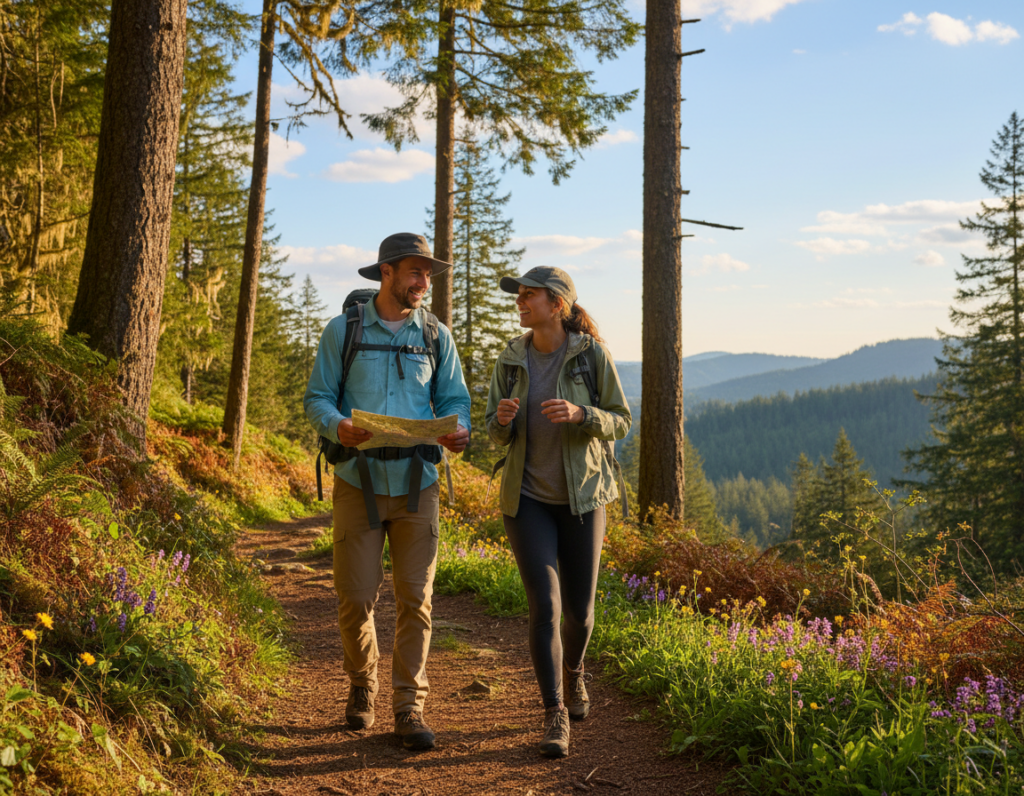
More than 80% of backpackers say their trail companions significantly impact trip enjoyment. The person you walk with can transform a grueling climb into a cherished memory or turn a scenic path into a miserable slog.
Whitney “Allgood” La Ruffa, an experienced long-distance hiker, knows this well. He rarely goes alone on big adventures and usually walks with one to three other people. For him, the journey is more fun with good company.
A great fellow hiker provides motivation when your legs are tired. They share laughter during bad weather and offer practical help, like taping a sore ankle. A poor match, however, can drain all joy from even the most beautiful trails.
Trail time has an intimate quality. It allows for deep conversations and personal sharing. This slows down the clock and creates meaningful experiences that add richness to your life.
This guide will help you find someone compatible with your pace and goals. We’ll walk through evaluating styles, checking gear, and having honest talks. The goal is a partnership that enhances every mile.
Key Takeaways
- The people you adventure with directly shape your enjoyment on the trail.
- A good partner offers motivation, practical support, and shared laughter during tough moments.
- Compatibility in hiking style and expectations matters more than finding a “perfect” person.
- Time spent walking together fosters unique, deep connections and memorable experiences.
- Assessing a potential companion’s preparedness and attitude is crucial before committing to a trip.
- With clear communication and the right approach, you can find a trail buddy who makes every hike better.
Understanding Your Own Hiking Needs
Before you look for someone to walk with, take a moment to look inward. Knowing your own style is the best way to find a good match.
Warren Doyle, an Appalachian Trail legend, believes sharing the trail transforms the experience. Keeping it to yourself seems selfish. Your personality shapes your ideal day outdoors.
| Trait | Introvert Preference | Extrovert Preference |
|---|---|---|
| Social Energy | Recharges in solitude; needs quiet time | Gains energy from conversation and group dynamics |
| Trail Conversation | Prefers periods of silence or deep one-on-one talks | Enjoys constant chat and shared stories throughout the day |
| Group Size | May feel drained by large, noisy parties | Thrives in bigger groups and social atmospheres |
Identifying Your Hiking Goals
What do you want from your time on the trail? Some aim to cover long distances quickly. Others prefer a slow pace to enjoy views and wildlife.
Your goals shape everything. A person focused on speed will have a different experience than someone who stops often for photos.
Reflecting on Your Personality and Energy Levels
Think about your natural rhythms. Are you an early riser or a slow starter? Your daily energy peaks affect your ideal pace.
Past trips teach you a lot. Recall what worked and what didn’t. This self-awareness is your best tool for building a fun, compatible team. For more guidance, check out these essential hiking tips for beginners.
Evaluating Potential Hiking Partners
Screening a potential trail buddy is a crucial step many overlook in their excitement to hit the path. Once you understand your own needs, you can start assessing if someone is a good match for your adventures.
Discussing Past Hiking Experiences
Ask direct questions about their previous outings. Request a list of hikes they finished and the time it took.
Also inquire about trips they left early. Understanding why they bailed shows their resilience and commitment level. It reveals their preparation habits.
These talks gauge their comfort with tough terrain and bad weather. You learn about their mental fortitude during long days outside.
Reviewing Compatibility of Hiking Styles
Look at both practical and personal fit. Compare experience levels and daily fitness routines.
Assess how you communicate and solve problems together. If you often argue off the trail, weeks in the woods will magnify tensions.
Have an honest chat about what you each want from the journey. A clear agreement prevents frustration later. This step ensures your hiking partner shares your vision for the trip.
Matching Hiking Styles and Experience Levels
You can avoid most trail conflicts by matching your styles before you even pack your bag. Shared daily habits and similar expectations create a smooth journey. This alignment prevents frustration when you’re miles from the nearest road.
Questions to Align Trail Habits
Ask specific questions about daily routines. Their answers reveal if your trail rhythms will sync. This conversation is your best tool for finding a compatible companion.
Key questions to discuss include:
- What time do you typically wake up and break camp?
- What is your average hiking pace over varied terrain?
- How often and how long are your breaks during the day?
- Do you prefer a quiet rest day or a more social one in town?
- How do you react when plans go wrong or gear fails?
Determining Appropriate Hiking Pace
Understanding each other’s natural speed is crucial. Some adventurers maintain a steady rhythm for 20+ miles daily. Others prefer shorter days with frequent stops to soak in the views.
Your experience level should be comparable. A large gap can create an unhealthy dynamic. One person shouldn’t constantly teach or wait for the other.
Be realistic about fitness. Pairing a weekend walker with a marathoner leads to misery. Find someone whose physical ability matches your own for a balanced, enjoyable trek.
Assessing Health, Fitness, and Preparedness
Nothing derails a multi-day trek faster than a partner who isn’t prepared for the rigors of the trail. You need to know they can handle the distance and the elements. This assessment protects both of you from becoming a liability miles from help.
Reviewing Physical Health and Daily Exercise
Ask direct questions about their current fitness level. Do they exercise daily? What’s their routine for staying in trail shape?
Understanding past injuries or health conditions is critical. Allergies, old ankle issues, or regular medications can flare up outdoors. You must make sure they carry necessary items like an epi-pen.
This conversation prevents dangerous surprises. It confirms they can physically complete the hike you’ve planned.
| Assessment Area | Key Questions to Ask | Why It Matters on Trail |
|---|---|---|
| Physical Fitness | Can you do 25+ mile days? What’s your daily exercise? | Determines pace and endurance for long days. |
| Health Conditions | Any allergies, injuries, or medications? | Prevents medical emergencies far from aid. |
| Gear Loadout | What’s your base weight? Water capacity? | Impacks group speed and safety in tough conditions. |
| Clothing & Safety | What do you carry for rain, cold, or navigation? | Essential for comfort and survival in bad weather. |
Understanding Gear, Clothing, and Safety Equipment
Review their gear list together. Ask about base weight and how it changes with food and water. Check their capacity for carrying water.
Their clothing choices are vital. Proper rain gear and insulation are safety equipment, not optional luxuries. They must match expected conditions.
Does their pack include a repair kit or a PLB like a Garmin inReach? What’s their backup navigation plan?
I learned this after trips with ill-equipped companions. Someone relying on you for essentials slows everyone down. Outdated, heavy gear hurts the whole group’s pace.
Sometimes, safety means carrying more. One year, deep snow required snow shoes and ice axes. The right gear ensured safe passage for everyone.
Tips for Choosing Hiking Partners
The foundation of any great outdoor adventure with another person is built on clear, shared expectations. Open communication forms the bedrock of a successful trail partnership. Invest time in these talks before your trip.
Discussing Expectations and Responsibilities
Have an honest conversation about what happens if things don’t work out. Will you split up amicably or try to work through issues? Decide what occurs if one person needs to leave the trail early.
Align on daily mileage, rest days, and town stops. This prevents resentment when one person wants to push harder. Understanding each other’s primary goals ensures you’re on the same page from day one.
Goals vary widely—some seek a physical challenge, others soul-searching. Make sure your visions for the journey match. This is one of the most important things you can do.
Comparing Preparedness for Unexpected Scenarios
Ask about first aid training and emergency preparedness. This reveals if your partner can handle crises or will depend entirely on you. Their answer directly impacts group safety.
Know if your companion can continue alone if necessary. This question addresses both practical safety and emotional maturity. It’s a critical way to gauge self-reliance.
Review maps together and discuss navigation duties. Agree on decision-making processes and establish check-in routines. Documenting these expectations minimizes conflict on the trail.
With this work done, you maximize the chance of sharing an incredible trip. Your partnership will be stronger for it.
Building a Compatible Trail Community
Sometimes the perfect companion isn’t in your existing social network—you need to seek them out. If your current friends don’t share your passion for the path, look to organized gatherings.
Connecting Through Hiking Groups and Meetups
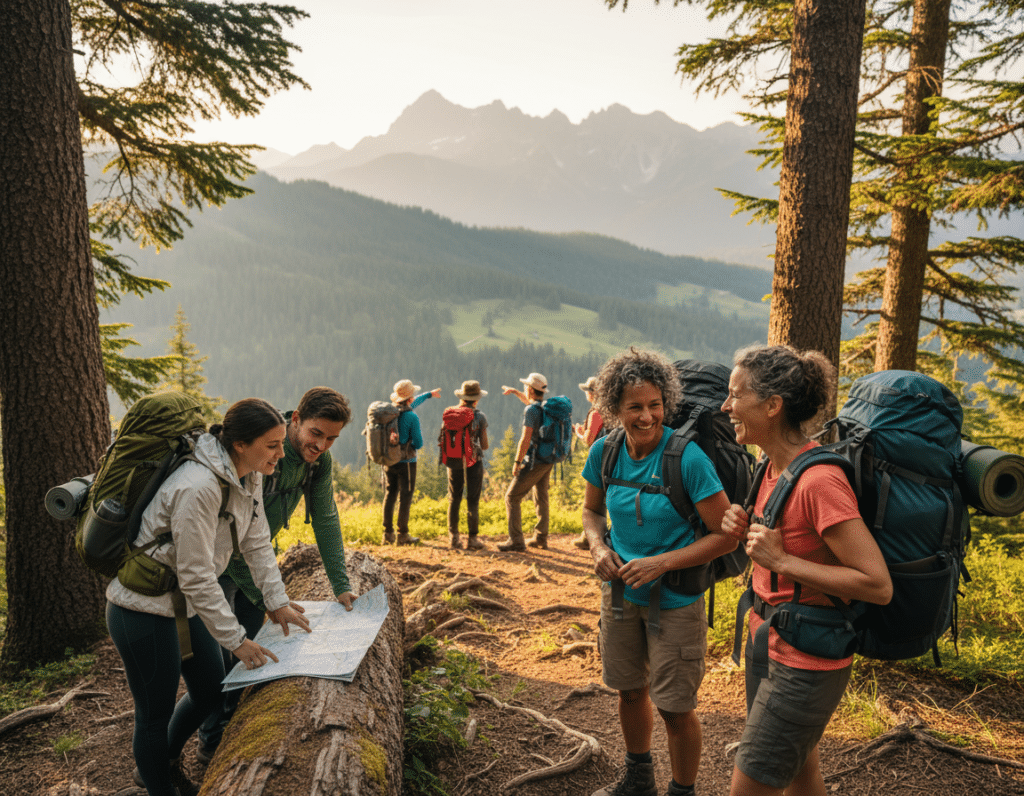
Join local clubs or online meetups like Meetup and Internations. These platforms host regular outings. You meet potential buddies in a low-pressure setting.
Try different groups to discover what culture fits your style. Attend several events. Observe how people handle the terrain and interact.
You might not find your ideal match immediately. Persistence matters. Sampling various gatherings increases your chances.
Building a trail community provides a support network. You connect with others who understand your outdoor drive.
Some folks meet their best companions on the path itself. Popular long-distance routes see solo travelers forming natural teams.
If existing options don’t suit you, start your own group. Set clear expectations about pace and difficulty. Attract like-minded individuals.
View these outings as friendship opportunities. They build camaraderie beyond just finding someone to walk with.
Conclusion
Great outdoor memories are often made with the people walking beside you through the wilderness. Finding the right companion requires honest self-assessment, careful evaluation, and clear talk about goals and gear.
There is no perfect formula. I’ve seen amazing teams form between folks from totally different walks of life. Their partnership just worked on the path.
Investing time upfront minimizes conflict. Discuss daily routines, pace, and how you’ll handle problems. This work pays off with more enjoyment on your trips.
Successful partners share a similar approach but stay flexible. They compromise when needed. Whether you connect through friends, groups, or chance meetings, compatibility for your specific type of backpacking adventure is key.
Never forget safety. Your buddy should carry proper equipment and know basic navigation. This protects everyone on the trail.
Like all relationships, trail partnerships need communication, respect, and adaptability. Working through challenges together strengthens your bond.
Sharing these adventures creates friendships that last a lifetime. The stories you’ll tell will inspire others, perhaps even your own family on family-friendly hiking trails.
