
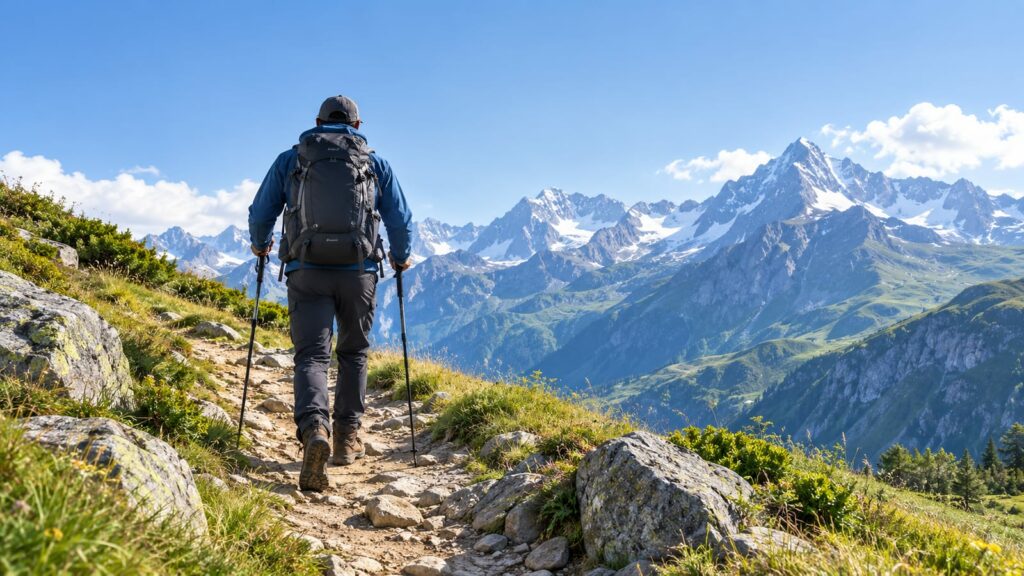
Fame is a poor way to choose a mountain trail. The 7 underrated mountain trails across Europe worth your time are the High Scardus Trail, Pirin’s Vihren to Tevno Lake route, the Făgăraș Ridge Trail, the Pindus Zagori and Tymfi Circuit, the Via Dinarica White Trail, Ruta de los Volcanes on La Palma, and the High Tatras Magistrale. They offer remote ridges, alpine lakes, deep gorges, and volcanic slopes without the full Alpine price tag.
Last updated: 2026-08-12
Which 7 underrated mountain trails across Europe are actually worth your time and money?
I ranked these routes by what still matters after several miles: scenery, crowd levels, access, hut quality, total cost, route marking, and safety. Name recognition didn’t get a vote.
| Rank | Trail | Best for | Main drawback |
|---|---|---|---|
| 1 | High Scardus Trail | Remote hut-to-hut hiking | Border rules and uneven logistics |
| 2 | Pirin: Vihren to Tevno Lake | Alpine lakes and sharp peaks | Steep rock and busy summer huts |
| 3 | Făgăraș Ridge Trail | Serious ridges on a budget | Fast weather changes and exposed terrain |
| 4 | Pindus: Zagori and Tymfi Circuit | Gorges and stone villages | Rough footing and longer resupply gaps |
| 5 | Via Dinarica White Trail | Flexible limestone mountain travel | It’s a network, not one tidy itinerary |
| 6 | Ruta de los Volcanes, La Palma | Lava fields and mild-season walking | Heat, wind, and little shade |
| 7 | High Tatras Magistrale | Easy transport and compact alpine scenery | More visitors and tighter hut booking |
The ranking isn’t a claim that one route suits every hiker. A quiet ridge can be a poor choice if you need frequent transport, reliable phone coverage, or soft trail underfoot.
1. High Scardus Trail
The High Scardus Trail is the strongest choice for hikers who want remote Balkan ridges without Alpine prices. It crosses North Macedonia, Kosovo, and Albania, with high passes, broad valleys, shepherd paths, and long stretches where the mountain feels properly empty.
The trail’s biggest strength is its sense of distance. You get long ridge days, basic mountain accommodation, and villages that still function as part of the route. The scenery earns its place after several miles because the landscape keeps changing instead of giving you one famous lookout and a line of people waiting for it.
However, access takes more work. Border crossings, local permits, transport between trail sections, and changing accommodation arrangements need checking before you leave. Route marking can also vary, so offline maps and a paper backup belong in your pack.
Choose it if you’re comfortable with basic huts, flexible plans, and a route that doesn’t behave like a polished resort trail. Skip it for a first solo mountain trip if you don’t have solid navigation habits.
2. Pirin National Park: Vihren to Tevno Lake
Pirin is the best pick here for alpine lakes and sharp granite peaks. The route from Vihren toward Tevno Lake gives you steep climbs, exposed-looking ridges, clear water, and a compact mountain setting that feels much bigger than the map suggests.
The terrain is rocky and the elevation gain comes in blunt, tiring bursts. Still, the trail gives you strong visual payoff without requiring a long expedition. Mountain huts make a hut-to-hut plan realistic, and costs remain more manageable than in the western Alps.
The weak point is summer pressure around the most accessible areas. Popular huts can fill, and the approach near Vihren gets more traffic than the quieter sections. Book ahead, start early, and don’t assume a hut bed will appear because the route is less famous outside Bulgaria.
Pirin earns its rank because it gives you the alpine goods in a compact package. Your knees will still receive the invoice.
For current park rules, check the official Pirin National Park information.
3. Făgăraș Ridge Trail
The Făgăraș Ridge Trail is Romania’s best high-mountain bargain for hikers who want serious ridgelines, glacial valleys, and a long stretch of proper mountain walking. It’s cheaper than the headline Alpine routes, but the lower cost doesn’t make it gentle.
The ridge is exposed to wind and fast weather changes. Fog can remove the useful landmarks, while rain turns rocky sections into slow work. Basic refuges offer shelter, but you shouldn’t treat them like staffed huts with guaranteed food, dry bedding, and a spare charging socket.
Pack food carefully, carry a reliable water treatment setup, and plan bailout routes before you reach the ridge. The route rewards hikers who watch the forecast and turn around early. It punishes the common habit of treating a clear morning as a promise.
This is a good fit for strong hikers who want a demanding route on a modest budget. It’s a poor fit if you need frequent resupply or marked alternatives every few hours.
4. Pindus Mountains: Zagori and Tymfi Circuit
Choose the Pindus Mountains for deep gorges, stone villages, limestone walls, and a longer hiking season than most high Alpine routes. The Zagori and Tymfi area gives you rugged Greek scenery without the polished resort feel found in more famous mountain regions.
The distance on a map can mislead you here. Loose rock, steep gorge exits, uneven stone paths, and heat can make a short day feel long. Water sources may be seasonal, and a clear spring near a village isn’t the same as a dependable source high on the mountain.
Navigation deserves more attention than the trail signs suggest. Download maps before leaving the village, keep an eye on the route in poor visibility, and ask locally about water and path damage. A gorge is not a good place to discover that your map only covered the road network.
The Pindus is the pick for hikers who care more about terrain and character than smooth logistics. It gives you stone bridges, mountain villages, and big limestone scenery, but your ankles will notice the bargain.
5. Via Dinarica White Trail
The Via Dinarica White Trail is the most rewarding alternative to crowded Alpine routes if you want variety. It runs through Bosnia and Herzegovina and Montenegro across limestone peaks, deep valleys, forests, and high plateaus.
Its main advantage is flexibility. You can choose a section that matches your time, transport, and fitness instead of committing to one compulsory itinerary. That also creates the main problem: planning is part of the route, not an annoying task before it.
Accommodation ranges from guesthouses and mountain huts to more basic options. Resupply can be easy in some valleys and awkward in others. Trail marking and maintenance aren’t equally reliable across every section, so don’t treat the route name as a guarantee of one consistent trail standard.
Some limestone sections are rougher than their elevation figures suggest. Expect loose rock, karst holes, heat in exposed areas, and water sources that need checking. The Via Dinarica trail network is worth studying before you choose a section.
Pick the White Trail if you want a route with room to adjust. Pick something else if you want one clear start, one clear finish, and a booking system that does the thinking for you.
6. Ruta de los Volcanes, La Palma
Ruta de los Volcanes is Europe’s standout volcanic mountain walk. It crosses black lava fields and high ridges on La Palma, with a harsh, open landscape that looks nothing like a green Alpine valley.
The footing is the catch. Loose volcanic gravel slows your steps, and hard lava edges can punish soft shoes. Exposure is constant in places, shade is limited, and water planning matters because you can’t count on a convenient stream appearing beside a crater.
Start early in warm weather and protect your head, neck, and eyes. Wind can also change the feel of the route quickly, even when the forecast looks mild at the coast. Shoulder-season conditions are usually the sensible target because they reduce the worst combination of heat and exposure.
La Palma also gives you a longer practical hiking season than snow-dependent Balkan and Carpathian routes. That doesn’t make every month safe or comfortable. Check wind, rain, fire restrictions, and transport before committing to a traverse.
The official La Palma tourism information is a useful place to check access and local conditions. You can also compare this route with the quieter volcanic paths in our guide to hiking trails in Madeira.
7. High Tatras Magistrale
The High Tatras Magistrale is the practical pick for dramatic peaks, alpine lakes, and efficient public transport. The range is compact, so you can reach trailheads without the long transfers common on more remote Balkan routes.
The scenery arrives quickly. You get sharp peaks, rocky passes, forest sections, and mountain lakes without spending days walking through low-value approach terrain. That makes the route useful for hikers with limited holiday time.
However, the High Tatras are less hidden than the other picks. Popular sections and huts can feel busy, especially in good summer weather. Booking pressure is real, and weather closures or protected-area rules can change your plan.
The route is also less forgiving than its transport access suggests. Wet rock, steep steps, wind, and sudden cloud can make a short mountain day serious. Check the High Tatras National Park before you set out, especially for closures and local restrictions.
Choose it if reliable transport matters as much as solitude. Choose the High Scardus or Făgăraș if an emptier ridge matters more.
Famous Alpine routes cost more for convenience
The famous Alpine routes are famous for good reasons. Transport usually works, huts are easier to find, signage is stronger, and rescue systems are more familiar to international hikers.
You pay for that convenience. Accommodation costs more, popular huts book earlier, and queues appear on narrow paths or famous passes. Some routes also require reservations, local transport tickets, or permits that make a short trip surprisingly expensive.
The seven picks trade polish for space and value:
- Crowds: The High Scardus, Făgăraș, and quieter Via Dinarica sections usually offer more empty trail time.
- Transport: The High Tatras are easiest. La Palma is manageable. Balkan routes need more research and backup plans.
- Accommodation: Pirin and the High Tatras have useful hut systems. Făgăraș refuges are more basic. The Pindus and Via Dinarica often mix huts with guesthouses.
- Trail maintenance: The Alpine standard is more consistent. On these routes, expect rough signs, damaged paths, and occasional map work.
- Permits and borders: Cross-border Balkan routes need careful checks. Rules can change by section.
- Remoteness: More remote terrain gives you quiet ridges but fewer bailout points, shops, and easy medical access.
You’re not getting the Alps at a discount. You’re choosing a different product: less convenience, more independence, and often better value after several trail miles.
The quiet hut-to-hut winner
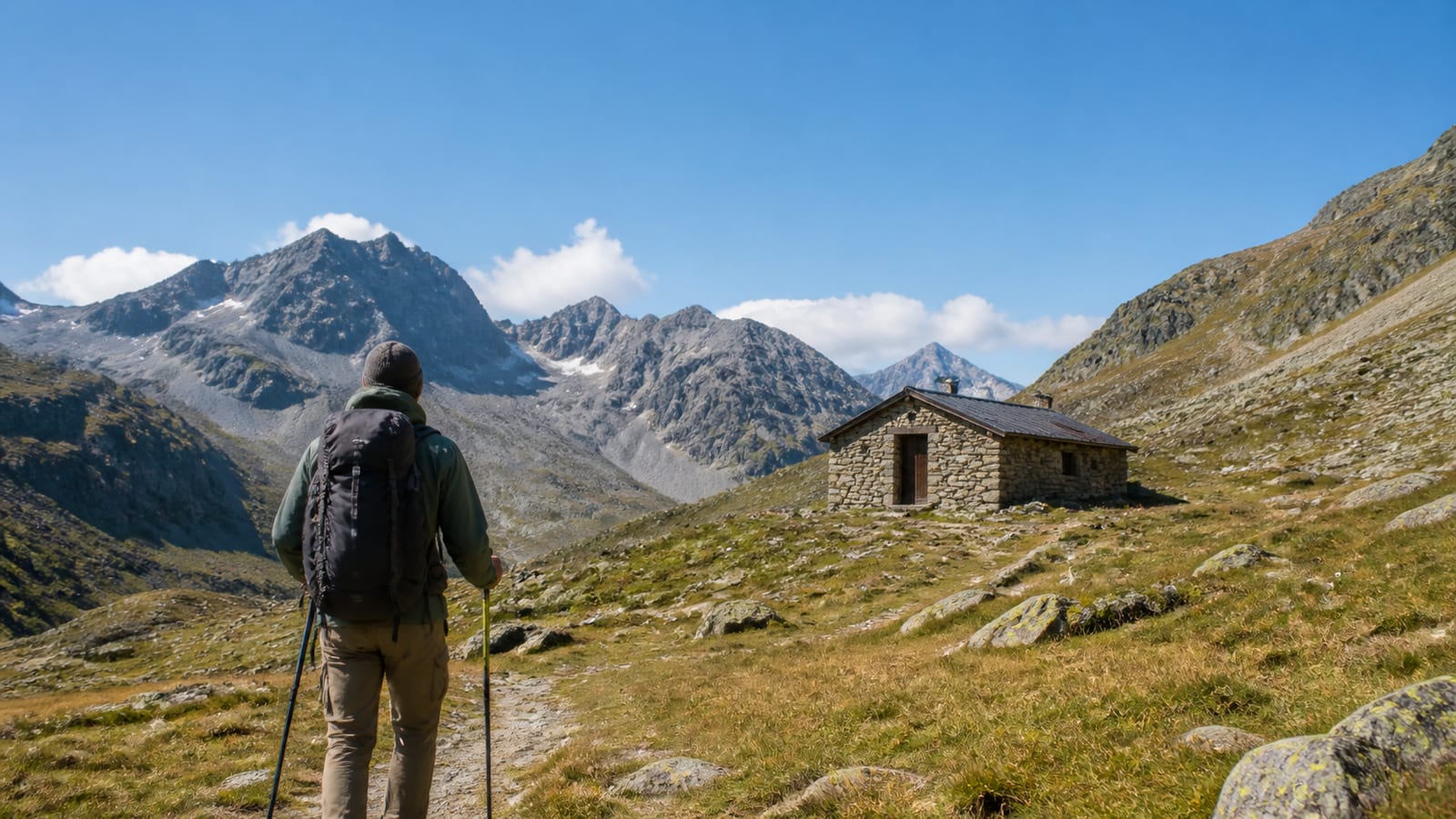
The High Scardus is the clearest winner for a quiet hut-to-hut trip. It offers the strongest mix of remote ridges, basic accommodation, and a route that feels like a connected mountain journey rather than a collection of day hikes.
Pirin comes next for hikers who want more dependable hut structure and alpine scenery in a smaller area. It’s easier to organize, but the most accessible sections draw more people.
Făgăraș offers the wildest feel of the three, though its refuges are basic and weather can force an early exit. Carrying enough food and having a backup plan matters more than saving a little pack weight.
The Via Dinarica gives you the most choice but the least fixed structure. You’ll need to build your own itinerary around villages, huts, road access, and water.
The High Tatras have the most efficient transport and some of the strongest hut infrastructure. They’re also the least convincing choice if solitude is your main reason for leaving home.
Which hut system fits your trip?
| Trail | Hut spacing | Resupply | Booking pressure | Route marking |
|---|---|---|---|---|
| High Scardus | Uneven and section-dependent | Limited in high areas | Moderate, but local arrangements matter | Variable |
| Pirin | Useful for planned stages | Better near trailheads | High in popular summer periods | Generally workable |
| Făgăraș | Basic refuges and longer gaps | Limited on the ridge | Lower, but shelter isn’t guaranteed | Needs attention |
| Via Dinarica | Depends on the chosen section | Village-based | Variable | Uneven |
| High Tatras | Frequent huts on key sections | Strongest access | High | Generally reliable |
La Palma has the strongest volcanic landscapes
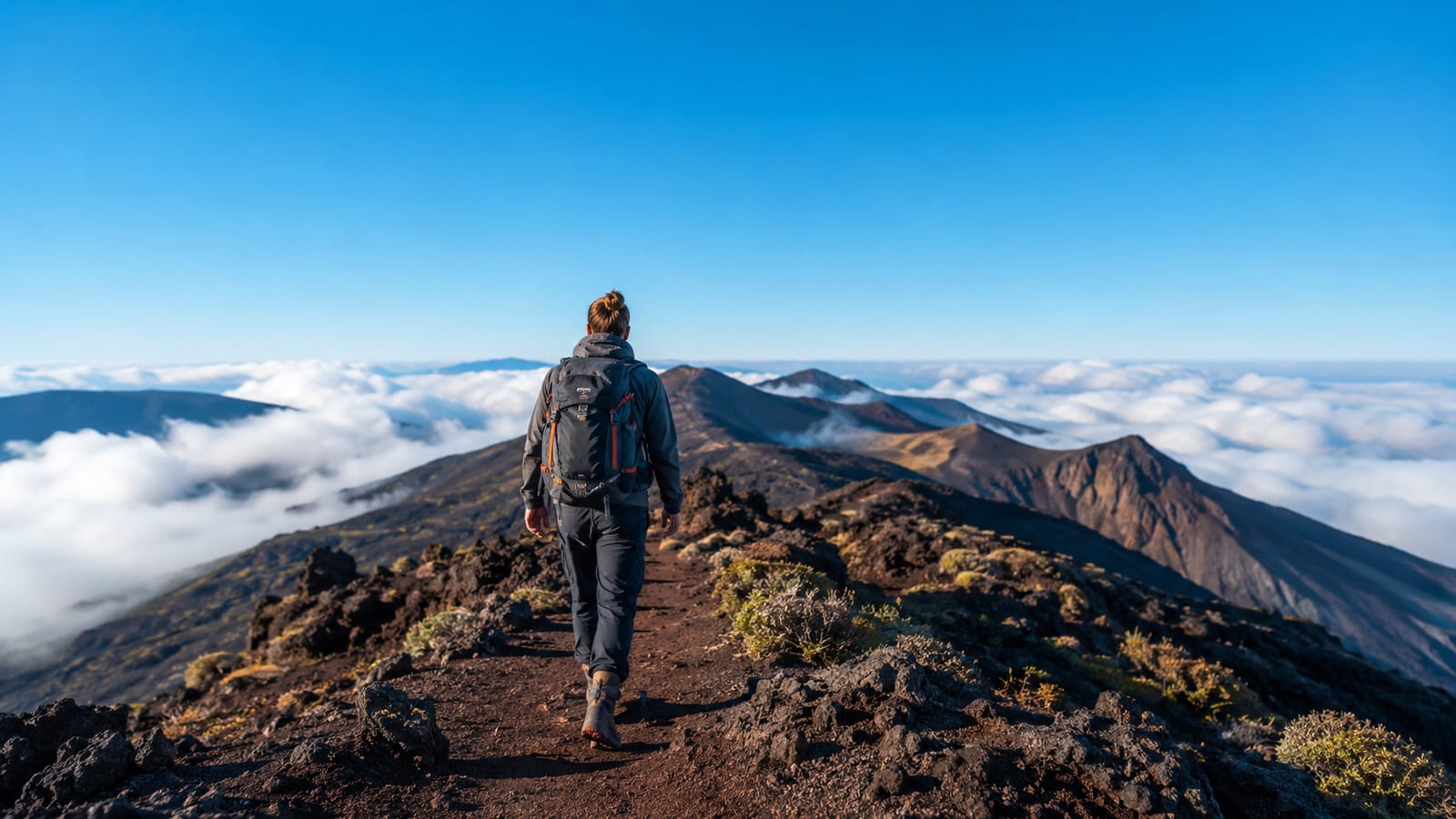
Ruta de los Volcanes on La Palma is the clear choice. Its black lava footing, open ridges, and volcanic cones give you a more complete volcanic landscape than a route with one lava viewpoint and several hours of ordinary road walking.
The route is exposed. Shade is scarce, wind can push across the ridge, and black ground can make a warm day feel harder than the air temperature suggests. Carry enough water for the planned section, because volcanic terrain doesn’t provide many casual refill points.
Your shoes need a firm sole and a secure fit. Soft road trainers can feel unstable on loose grit, while heavy boots add weight without solving the main problem. Trekking poles help on descending gravel, particularly after your feet start sliding forward.
Shoulder-season conditions are the sensible target. You’ll usually get a better balance of cooler temperatures and open access, though storms, wind, and local restrictions still matter. Check the forecast at the ridge, not just at sea level.
Alpine lakes, high peaks, and broad valleys
Pirin gives you the strongest lake-and-peak combination. Tevno Lake, granite ridges, and steep mountain walls create the most concentrated alpine scenery on this list.
Făgăraș offers broader valleys and longer ridge views. Its visual payoff is excellent, but you earn it through exposed walking, repeated climbs, and weather that can close in quickly.
The High Tatras provide the easiest access to alpine lakes and dramatic peaks. You’ll spend less time on transfers and more time walking, but you’ll also share the trail with more hikers.
The Via Dinarica is less uniform. One section may give you limestone towers and wide valleys, while another involves forest roads, long approaches, or rough karst. That variety is part of its appeal, but it makes direct comparisons difficult.
For visual payoff, I’d choose:
- Pirin for concentrated alpine lakes and granite.
- Făgăraș for long ridgelines and broad valleys.
- High Tatras for easy access and compact drama.
- Via Dinarica for varied limestone terrain and route freedom.
Don’t judge these routes by elevation alone. A lower ridge on loose limestone can take more work than a higher trail on clean, steady ground.
The best routes for gorges and limestone
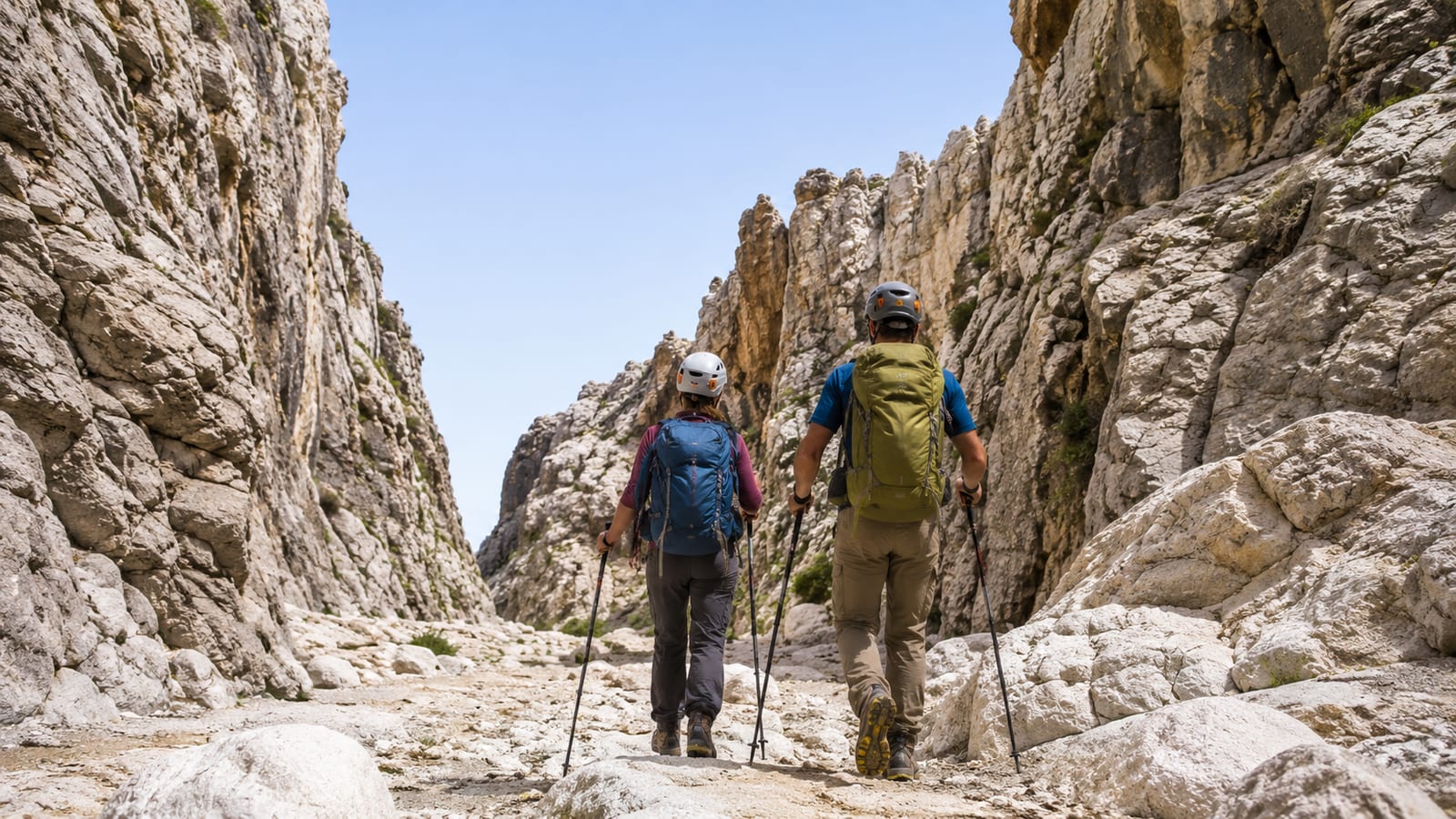
The Pindus Mountains are the best fit for gorge walking and rugged Greek terrain. The Via Dinarica is the stronger choice if you want limestone peaks over a longer, more flexible route.
In the Pindus, gorge hazards include loose rock, slick stone, falling debris after bad weather, and narrow sections where turning around may take time. Water can be seasonal, especially away from villages, so ask locally before relying on a spring.
The Via Dinarica brings karst hazards of its own. Limestone can create sharp footing, hidden holes, confusing route choices, and long dry sections. A trail that looks simple on a map may involve more scrambling and route finding than expected.
Both routes demand sensible navigation:
- Download the route before leaving mobile coverage.
- Carry a power bank and a paper map.
- Mark water sources and bailout roads.
- Keep a margin before sunset.
- Don’t enter a gorge during heavy rain or a storm warning.
- Treat water from uncertain sources.
- Ask at the last village about washed-out paths.
Rugged scenery often costs more effort than distance suggests. That’s why a short stage isn’t automatically an easy stage.
The longest hiking seasons
La Palma and the Pindus Mountains offer the longest useful hiking seasons among these picks. Their lower latitude and milder conditions allow shoulder-season trips that would be snowbound in the Făgăraș or High Tatras.
La Palma is the most dependable choice for volcanic walking outside the main summer window. Still, exposure, wind, heat, and fire restrictions can affect access. Mild does not mean harmless.
Southern Greece can work in spring, autumn, and parts of winter at lower elevations. High Tymfi terrain is a different matter. Snow, ice, storms, and short daylight can turn a normally rugged route into a mountaineering problem.
The High Scardus, Pirin, Făgăraș, and High Tatras are more snow-dependent. Their high sections may remain unsafe or impractical outside the warmer season. Check local conditions rather than trusting a calendar.
For more seasonal planning, use this guide to the best time for Alpine hiking. The same warning applies here: a low valley can be open while the ridge above it is still a bad idea.
How much do these trails cost and how difficult are they in practice?
These routes are generally cheaper than western Alpine trips, but transport can erase the savings. A low hut price means little if you need expensive transfers, extra nights, or a taxi to reach a remote trailhead.
| Trail | Cost pattern | Daily effort | Navigation | Fitness required |
|---|---|---|---|---|
| High Scardus | Low to moderate, with transport planning | Long ridge days and repeated climbs | Strong offline skills | Good hill fitness |
| Pirin | Moderate, with hut costs in popular periods | Steep alpine climbs | Moderate | Good fitness and sure footing |
| Făgăraș | Low on the trail, but food and transfers matter | Sustained ridge effort | Strong in poor weather | Strong mountain fitness |
| Pindus | Moderate, often using guesthouses | Shorter days can still feel hard | Moderate to strong | Good balance and downhill control |
| Via Dinarica | Flexible, from low-cost to more supported | Depends on section | Variable | Choose the section carefully |
| La Palma | Moderate, with transport between access points | Steady climbs on loose volcanic ground | Usually manageable | Moderate fitness and heat tolerance |
| High Tatras | Moderate to high in busy periods | Efficient but steep mountain days | Generally easier | Moderate to good fitness |
Plan around the full trail cost, not just the bed cost. Include transport to the trailhead, food between villages, emergency accommodation, offline maps, water treatment, and a bailout day.
The High Scardus and Făgăraș suit budget hikers who already own suitable equipment and can handle basic facilities. The High Tatras suit hikers willing to pay more for simpler access. La Palma costs more to reach for some travellers but can save time once you’re there.
Fitness also has several parts. You need uphill strength, downhill control, balance on loose rock, and enough endurance to keep walking after the scenery stops doing the work.
Safety checks before a quiet mountain route
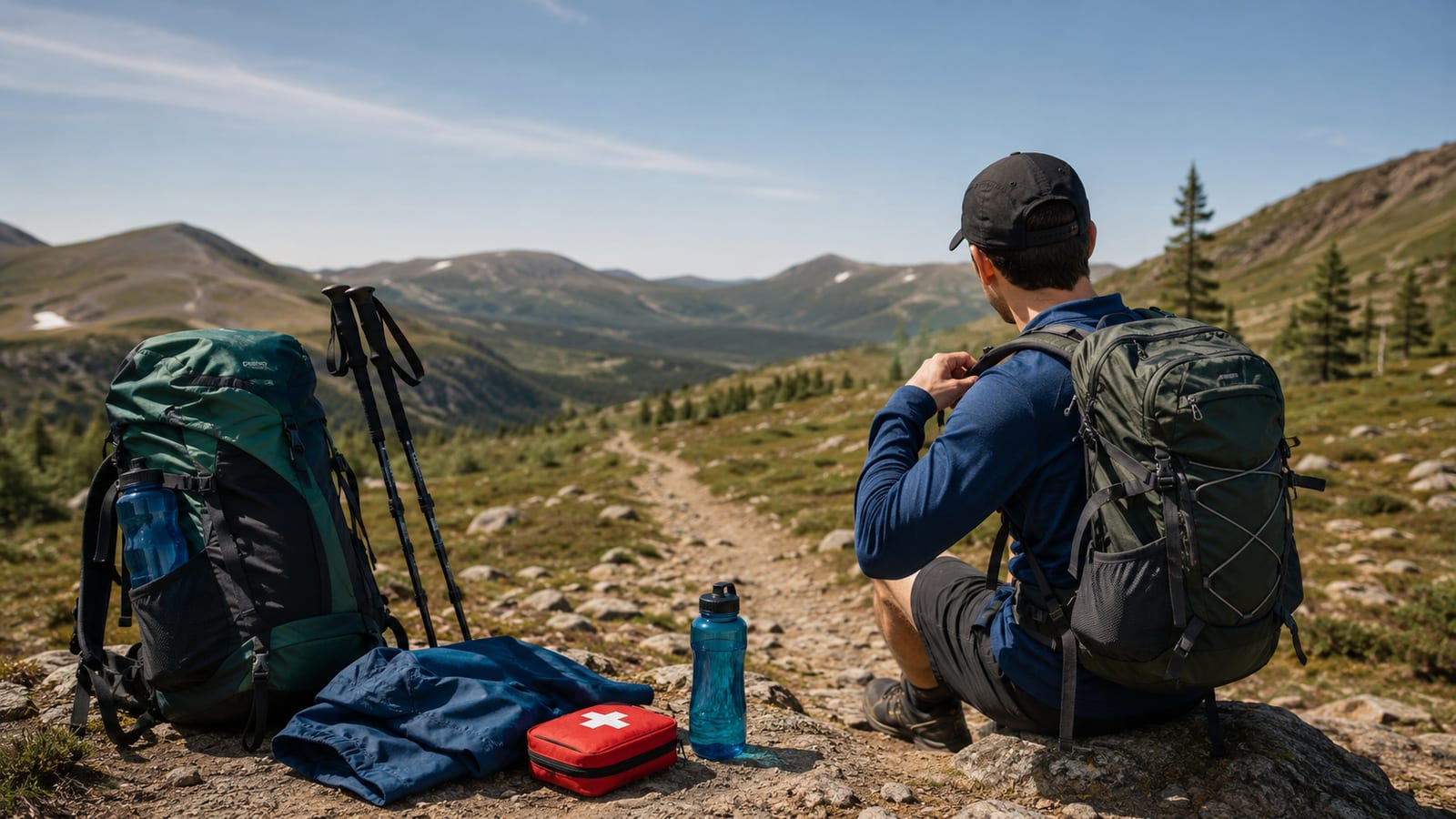
Quiet routes need more preparation because fewer people and services are available to correct a bad plan. Check these points before booking transport:
- Weather: Look for wind, thunderstorms, heat, and rapidly falling visibility.
- Snow: Ask about snow on passes, ridges, and shaded gullies.
- Exposure: Avoid exposed ridges if storms or high winds are forecast.
- Water: Mark reliable sources and carry treatment for doubtful water.
- Borders: Confirm passport, permit, and crossing rules for every country.
- Emergency cover: Check your insurance for remote rescue and mountain activity.
- Offline maps: Download maps and keep your phone protected from rain.
- Hut reservations: Confirm opening dates, payment methods, and cancellation rules.
- Bailout points: Know the roads, villages, and valleys where you can leave the route.
- Transport: Save local taxi and bus details before you lose signal.
Don’t assume a quiet trail is safer because it has fewer people. Fewer people also means fewer witnesses, fewer spare supplies, and longer waits if something goes wrong.
Tell someone your route and expected check-in. Then update them when you change it. A route plan that stays in someone’s inbox after you’ve rerouted is not much help.
Choose the right trail for your hiking style
Choose by the part of hiking you actually enjoy. A trail can look excellent on paper and still be wrong for your feet, budget, or tolerance for poor transport.
- For the lowest-cost serious mountain trip: Choose the High Scardus or Făgăraș. Carry enough food and expect basic shelter.
- For a first hut-to-hut trip: Choose Pirin. It offers a manageable alpine setting with useful huts and clear scenic rewards.
- For volcanic landscapes: Choose Ruta de los Volcanes. Pack water, start early, and accept exposed black-lava footing.
- For the most solitude: Choose the High Scardus, then quieter Via Dinarica sections. Research access instead of improvising at the border.
- For a longer hiking season: Choose La Palma or lower Pindus routes. Check high-elevation snow before committing.
- For reliable public transport: Choose the High Tatras. You’ll sacrifice some solitude for easier trailhead access.
- For gorges and villages: Choose the Pindus. Expect rough paths and more effort than the map suggests.
- For route flexibility: Choose the Via Dinarica. Build your own section and keep a bailout plan.
- For broad ridges and hard mountain days: Choose Făgăraș. Don’t go light on weather planning.
These 7 underrated mountain trails across Europe are for hikers who care about field use more than a famous trail name. They’re also for people willing to check a forecast, carry a map, and accept that a cheap mountain trip may require more work before the first switchback.
FAQ
Do you need a guide for these mountain trails?
You don’t always need one, but a guide makes sense for the High Scardus, remote Via Dinarica sections, and poor-weather Făgăraș trips if your navigation skills are limited. A local guide can also help with border logistics, water information, and transport that isn’t listed clearly online.
Can you camp along these routes?
Camping rules differ by country, park, and route section. Don’t assume an empty ridge gives you permission to camp. Check the park rules before carrying a tent, and use an established campsite where the route requires one.
Which trail works best for a solo hiker?
The High Tatras are the easiest solo option because transport and trail infrastructure are stronger. La Palma can also work well for solo hikers who plan water and weather carefully. Remote Balkan routes need more caution because help and transport may be farther away.
Are these trails suitable for beginners?
Some sections are suitable, but most full routes aren’t beginner walks. A new hiker should start with a supported section of the High Tatras, Pirin, or Pindus rather than committing to an exposed multi-day ridge.
What should you do if a hut is full?
Carry a backup plan before starting the day. That may mean another hut, a lower guesthouse, a legal campsite, or a route down to the nearest road. Never count on finding floor space in a remote hut after dark.
