
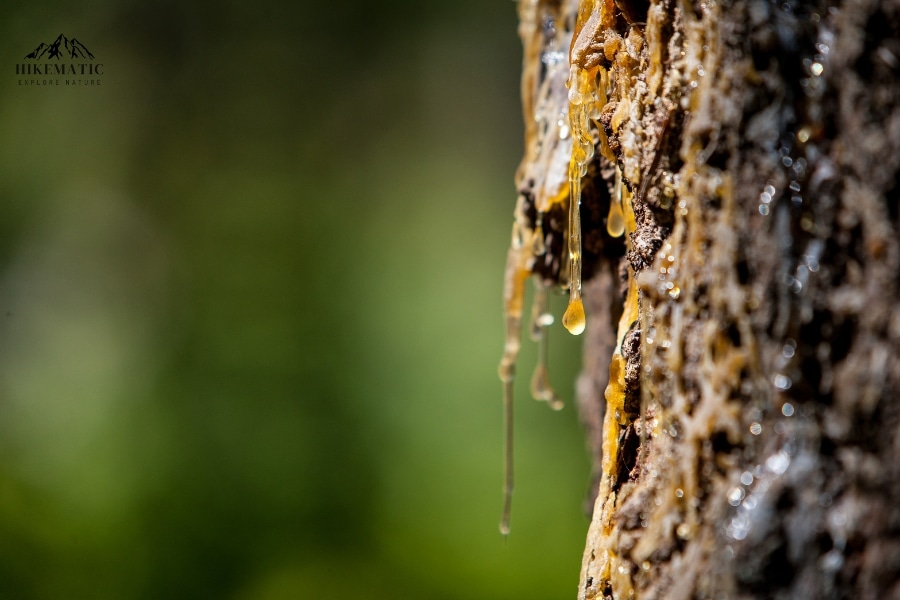
Rubbing alcohol and a little patience beat every fancy sap remover I have reached for. To get tree sap out of clothes, scrape off the blob, freeze the rest hard, then break down what is left with isopropyl alcohol or hand sanitizer before you pre-treat and wash in warm water. Skip the dryer until the stain is gone. Heat sets sap for good, and no detergent undoes that.
Last updated: 2026-07-15
That is the whole method. Everything below is just doing it in the right order and not wasting money on the way.
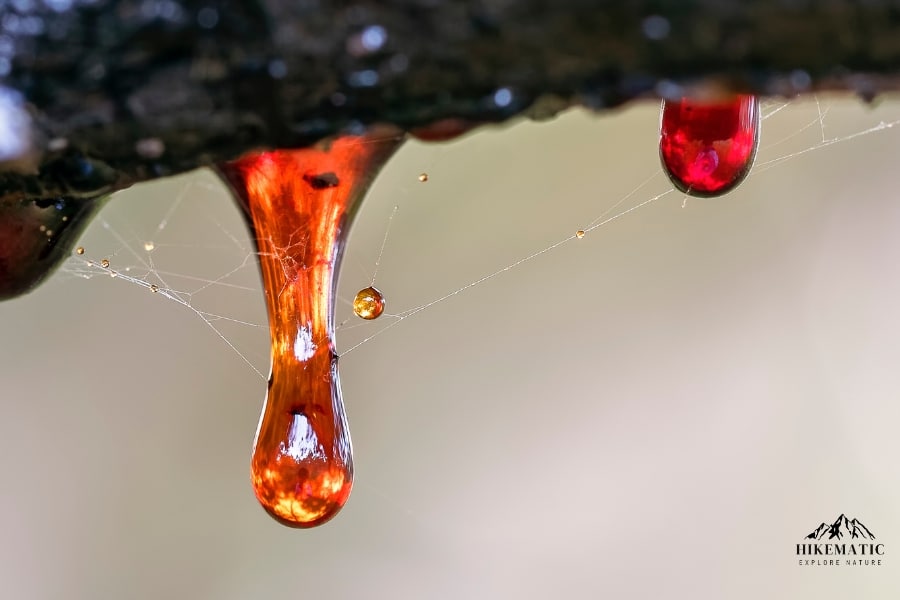
What is the fastest way to get tree sap out of clothes?
Move before the sap cures into the fibers. Fresh sap lifts in minutes. Sap you ignored for a week fights you. So treat it the evening you get home, not next laundry day.
Here is the sequence I use, in order:
- Scrape the excess. Use a dull butter knife, a spoon edge, or a plastic scraper. Lift the sap off, do not smear it sideways into clean fabric.
- Freeze what is left. Bag the garment and put it in the freezer for about 15 minutes. Cold turns sticky sap brittle, and brittle sap flakes off instead of stretching.
- Scrape again. Once it hardens, crack and pick off the frozen bits. This alone clears most of a small stain.
- Test a hidden spot. Dab isopropyl alcohol on an inside seam first. If dye lifts onto your cloth, stop and use dish soap instead.
- Blot with alcohol. Wet a cloth with rubbing alcohol or hand sanitizer and press it into the stain. Blot, do not grind. The sap loosens as it dissolves.
- Pre-treat and wait. Work in a little liquid laundry detergent and give it about 5 minutes to break the stain down before it hits water.
- Wash warm, then check. Use the warmest water the care label allows, then look before you dry.
That is it. Most trailwear survives this without drama.
Why does freezing work better than scrubbing?
Because sap is a glue, and scrubbing warm glue just spreads it. Cold does the hard part for you. Firm up the sap and it releases in chips instead of gumming deeper into the weave.
You do not need a chest freezer set to arctic. As a reference point, maple sap at a low sugar level hardens around -4°C, roughly 25°F, which any home freezer clears easily. A short stint is plenty. Fifteen minutes turns a tacky mess into something you can flake off with a fingernail.
One caution: do not skip the alcohol step and think freezing alone finishes the job. Freezing removes the bulk. Alcohol removes the film that stains.
Do household items beat store-bought sap removers?
For most stains, yes. Rubbing alcohol, hand sanitizer, and dish soap handle the sap you pick up leaning on a pine. They cost almost nothing and you likely own all three. That is the honest answer before we talk about the products with a logo on the bottle.
A commercial tree sap remover runs about $12.99, and some detailing brands sell a professional strength solvent aimed at heavy pitch. Those have their place. If you are stripping baked-on conifer resin off a jacket that saw a whole season of tree wells, a dedicated solvent works faster than blotting with a cotton ball.
But for one sticky sleeve after a day hike, that is a lot of money for what a hotel-size bottle of hand sanitizer does. Buy the solvent when you have a real backlog of sap, not because the label promises more than alcohol delivers.
Cooking oil gets mentioned a lot too. Olive or coconut oil does loosen fresh sap. The trade is you swap a sap stain for a grease stain, so you still have to degrease with dish soap afterward. Fine in a pinch, not my first move.
Never put a sap-stained shirt in the dryer
This is the mistake that ruins gear. Wash your treated garment in warm water with a strong detergent, then inspect the spot in good light before it goes anywhere near heat. Dryer heat bonds any leftover sap into the fibers permanently.
If a shadow of the stain remains, run the whole treatment again. Freeze, alcohol, pre-treat, wash. Repeating a cheap step beats replacing a jacket. Only when the fabric looks clean does it earn a spin in the dryer or a spot on the line.
The same care thinking applies to the rest of your kit. If you are stuck at a campsite, my notes on doing laundry on a camping trip cover the low-water version of this. For keeping shells and packs alive longer, the guide on maintaining hiking gear is the companion piece.
Where people go wrong with sap stains
The usual failures are simple and avoidable. Waiting too long is the big one, because cured sap grabs dirt and turns a clear spot into a dark magnet for grime. Rubbing instead of blotting is the next, since it drives sap sideways and deeper.
A few more that cost people their clothes:
- Skipping the colorfast test on dyed or delicate fabric, then bleaching a pale patch with alcohol.
- Using hot water on the first pass, which can set sap before the alcohol has done its work.
- Drying "close enough," then finding the stain is now permanent.
- Reaching for the $12.99 remover on a stain a dab of hand sanitizer would have cleared.
Handle delicate fabrics gently. Dish soap and a soft touch are safer than solvent on anything thin or brightly dyed. Everything else responds to the plain routine above.
FAQ
Does this method work the same on synthetics and cotton?
Mostly, but treat delicates carefully. Rubbing alcohol is safe on sturdy nylon, polyester, and cotton once you have spot-tested. On silk, acetate, or anything with loose dye, drop the alcohol and lift the sap with dish soap and cold water instead.
Can I get old, dried sap out or is it too late?
You can often still win. Old sap is stiff, so soften it first: warm the spot with a hair dryer for a few seconds, then work in alcohol and give it time to dissolve. It takes more passes than fresh sap, but dried does not mean hopeless.
What if the sap is on a waterproof jacket?
Go easy. Strong solvents can strip a jacket's water-repellent finish, so start with hand sanitizer on a small area. After the stain clears, you may need to refresh the coating. My walkthrough on restoring a shell's water repellency covers the same idea for tents and applies here.
Will freezing longer than 15 minutes hurt anything?
No. Longer just keeps the sap hard, which is fine. The point is to get it brittle enough to flake, so a short freeze is enough and extra time only helps if the garment is thick.
How do I keep sap off my clothes in the first place?
You cannot fully avoid it near conifers, but you can cut the odds. Wear long sleeves in sappy stands, check a log or rock before you sit, and keep a travel bottle of hand sanitizer in your pack. Treating a fresh smear on the trail beats fighting a set stain at home.
