
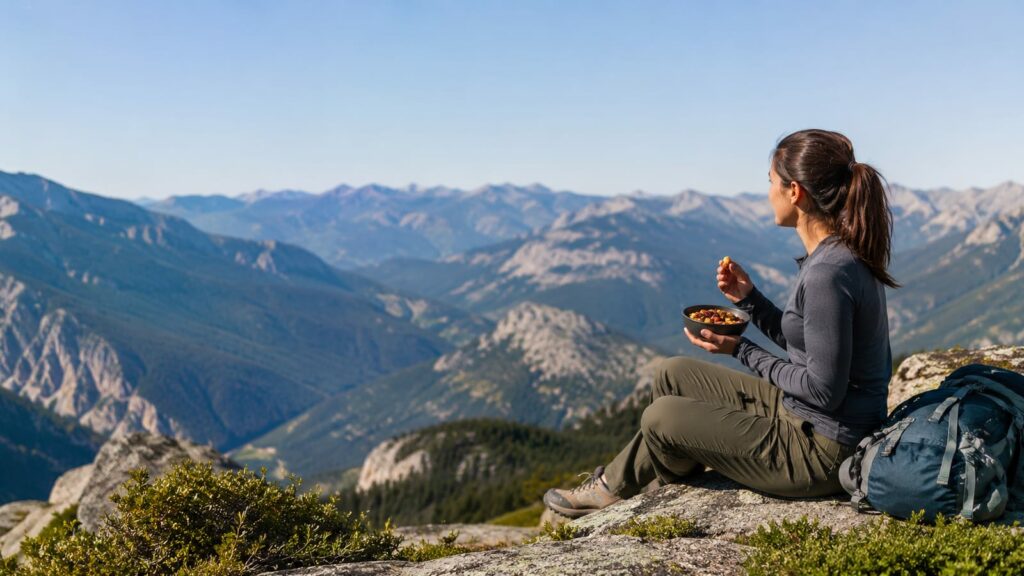
Carbs first, and eat them a little early. A bowl of oatmeal with banana and peanut butter, a bagel with eggs, or a rice bowl the night before will do more for your legs than any gel or powder. Add a little protein and fat so the energy lasts past the first climb. Drink water before you start, and give the meal time to settle so it isn't sloshing on the first switchback. Save the bars, trail mix, and dried fruit for the trail itself.
Last updated: 2026-07-15
That's the whole answer. The rest is timing, portion, and knowing which foods hold up after mile 10.
How long before a hike should you eat?
Give a real meal a couple of hours. Your stomach needs time to turn breakfast into fuel, and a heavy plate too close to the trailhead just bounces around. If you only have a short window, go smaller and simpler: toast with peanut butter, a banana, a handful of granola.
For a dawn start, I'd rather eat well the night before and keep the morning light. A big dinner of rice or pasta tops off your muscles while you sleep. Then a small bite in the morning gets you moving without a full gut.
General guidance for endurance efforts leans on a big carb load in the day before a hard effort. Think a heaping plate of pasta or rice. Most day hikers don't need to go that far, so treat it as a ceiling for big-mile days, not a homework assignment for a five-mile loop.
The best pre-hike foods, ranked
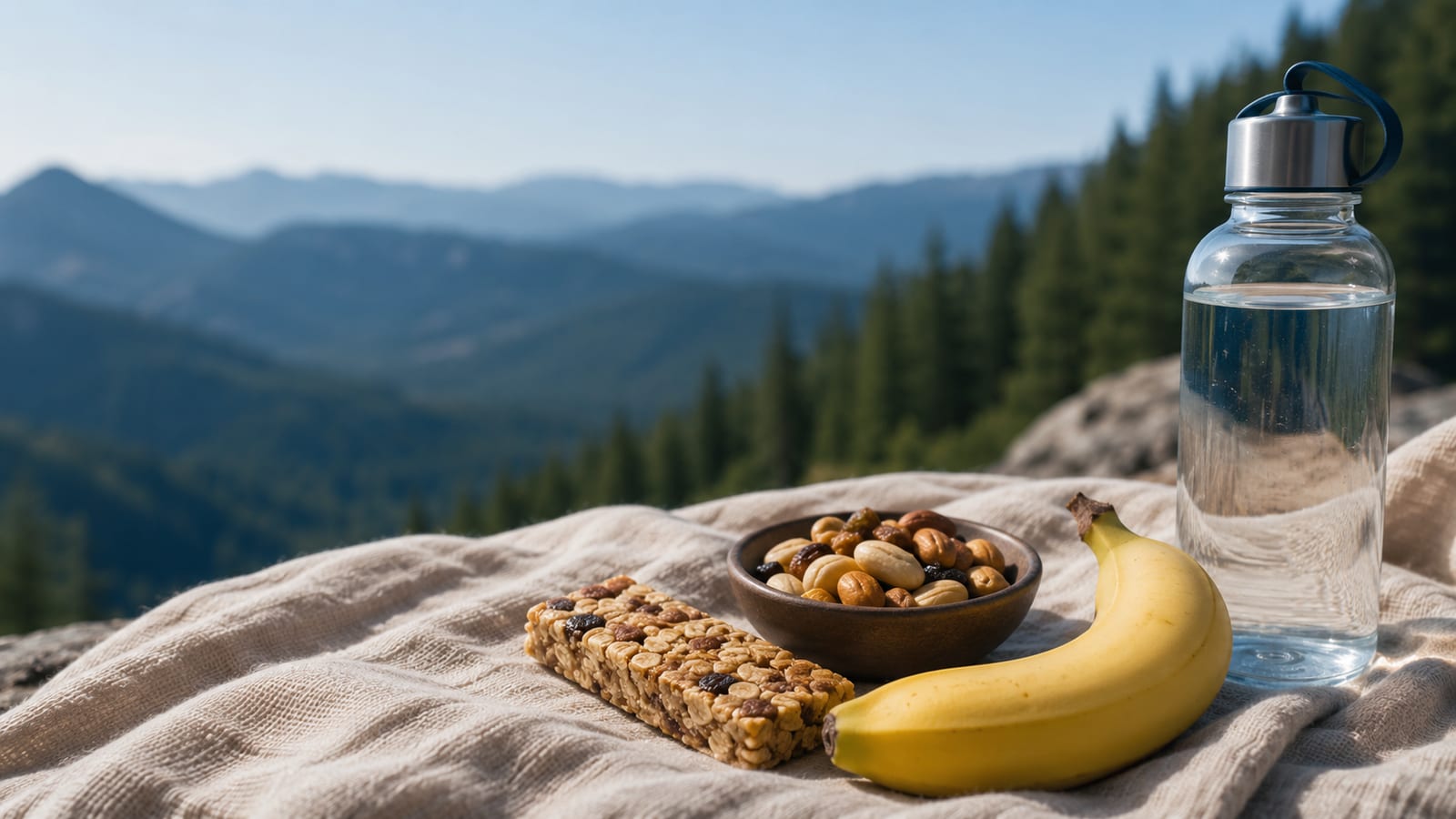
Here's how the common options actually behave. I'm judging them on how they sit in your stomach, how fast they give energy, and whether they're worth the fuss.
| Food | Best for | Why it works | The catch |
|---|---|---|---|
| Oatmeal with fruit and nut butter | Best overall | Slow carbs, fiber, and a little fat and protein | Needs a pot and time to cook |
| Bagel with eggs or peanut butter | Best budget | Cheap, filling, carbs plus protein | Easy to overeat and feel bricked |
| Banana | Quick top-off | Fast carbs and potassium | Not enough on its own |
| Backpacker's Pantry Granola with Bananas | Car camp, no cooking | 620 calories per serving, just add water | Pricey for what is basically granola |
| Rice or pasta the night before | Long, hard days | Fills the tank while you sleep | Night-before only, not morning-of |
| Fruit and yogurt smoothie | Hot mornings, no appetite | Light, hydrating, easy to get down | Crashes if it's all fruit and no fat |
Best overall: oatmeal with fruit and nut butter. It gives steady energy instead of a sugar spike, and it doesn't sit heavy. Add banana or raisins for quick carbs and a spoon of peanut butter so the burn lasts. It's cheap, it packs for the trip, and it agrees with most stomachs.
Best budget: a bagel with eggs or peanut butter. A couple of dollars, carbs and protein together, and no special shopping. The only risk is eating the whole thing plus a second bagel and starting the climb feeling like a stuffed bear.
The Backpacker's Pantry granola earns its spot only when you can't cook. Six hundred and twenty calories in one bag is real fuel, but that's a well-stocked pantry doing the work, not a miracle. At home, a bowl of your own oats and fruit does the same job for less.
Where protein and fat fit in
A little of each, yes. Carbs are the engine, but protein and fat slow the burn so you don't crash an hour in. Eggs, Greek yogurt, nuts, and nut butter all pull their weight here.
Don't overdo the fat before you walk, though. A greasy diner breakfast digests slowly and can turn on you on the first steep grade. Keep it modest and you'll feel it in your favor, not your stomach.
If you want the mechanics, here's a plain rundown of how your body uses carbohydrates for fuel.
How much water should you drink before you start?
Drink before you're thirsty. Have a glass or two in the hour or so before the trailhead, then sip steadily instead of dumping a full bottle at the car. Chugging right before you walk just sends you looking for a bush.
Heat and altitude change the math. On a hot climb you'll lose water faster than you notice, so start topped off and plan your water carries. For the full rundown on drinking smart over long miles, see our guide on staying hydrated on long hikes.
Where hikers get pre-hike food wrong
Most bad trail mornings trace back to the same handful of mistakes.
- Eating too much, too late. A huge breakfast right before you start bounces around and slows you down.
- All sugar, no backup. A pastry and a soda spike you fast, then drop you harder.
- Trying new food on trip day. The trail is a bad place to learn your stomach hates a new bar.
- Skipping the night-before meal. A good dinner does half the work of a good breakfast.
- Forgetting to eat on the move. A handful of trail mix or half a bar every so often beats one giant stop when you're already dragging.
That last one matters more than people think. Pre-hike food only carries you so far, so keep grazing. If you fade anyway, our tips to avoid fatigue on long hikes go deeper.
When to eat light or skip the big meal
Not everyone needs a loaded plate. If you're heading out for a short, flat park loop, a banana and some water is plenty. Save the real fueling for days with distance, climbing, or heat.
Some stomachs also rebel in the early morning. If yours does, a smoothie or a few bites of toast beats forcing down eggs you'll regret. Eat what stays down, then top up with snacks once you're moving and your appetite wakes up.
Fuel for the trail you're actually hiking, not the one on the brochure.
FAQ
Should you hike fasted, on an empty stomach?
You can for short, easy outings, and some people feel fine doing it. For anything long or steep, running on empty usually means a hard bonk and cranky legs. If you skip breakfast, at least carry snacks and start eating early.
What should you eat during the hike, not just before?
Small, steady bites of carbs: trail mix, dried fruit, a bit of bar, a few crackers. Graze instead of waiting for one big lunch. We cover the best options in our roundup of snacks for staying energized on long hikes.
Does coffee before a hike help or hurt?
For most people it helps, and habit matters more than science here. If your body is used to a morning cup, skipping it can bring on a headache. Just pair it with water, since coffee alone won't hydrate you.
What should I eat after the hike?
Get carbs and protein in within a couple of hours to restock and repair. Chocolate milk, a sandwich, or a real dinner all work. Our post-hike recovery guide walks through it.
Can I just eat energy bars and skip real food?
For a short hike, sure. Over a long day, an all-bar diet gets sickening fast and rarely settles as well as actual food. Use bars as backup, not the whole plan.
