
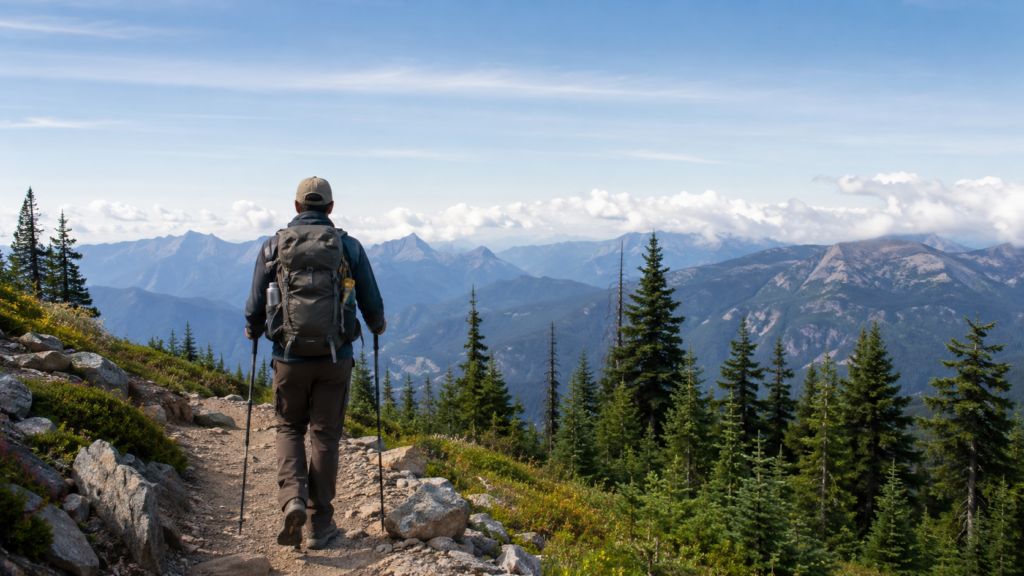
Start early, not because it sounds hardcore, but because afternoon thunderstorms above treeline are the real hazard in Rocky Mountain National Park. The best hikes cluster around Bear Lake: the short Bear Lake Nature Trail, the climb to Emerald Lake, and the quieter walk to Mills Lake. Strong hikers with a dawn start can push on to Chasm Lake. Most people should skip the summit trophy hunt and match a lake hike to their legs and their tolerance for altitude.
Why does everyone start at Bear Lake?
Because it packs a lot of payoff into little distance, and because the road ends there. The Bear Lake Trailhead sits at 9,475 feet, so you begin high and climb into alpine country fast. That elevation is the catch. If you drove up from sea level yesterday, your lungs will notice before the scenery does.
Bear Lake is also the trailhead for several of the park's best lake hikes. That concentration helps your planning and ruins your parking. The lot fills early, often before breakfast in summer. Plan to use the park shuttle or arrive in the dark.
Which lake hike should you actually pick?
Match the hike to how much climbing your day can absorb. Here is the short version for the popular Bear Lake cluster and one bigger objective.
| Trail | Roughly how far | Effort | Who it suits |
|---|---|---|---|
| Bear Lake Nature Trail | 0.7 miles loop | Easy | First day at altitude, kids, tired legs |
| Emerald Lake Trail | Moderate | Moderate | Fit day hikers wanting alpine lakes without a summit |
| Mills Lake | Half-day | Moderate | People who want fewer crowds and a longer walk |
| Chasm Lake Trail | 8.4 miles | Hard | Strong hikers, early start, no fear of exposure |
The Bear Lake Nature Trail is a flat loop around the water. At that short distance it is the sane choice for your first hours in the park while your body sorts out the thin air. It gets crowded because it is short and beautiful. Go early and let it be easy.
Emerald Lake Trail starts from the Bear Lake Trailhead and climbs past two lakes before it reaches the last one. The park rates it moderate, which is fair. You gain steady elevation, but nothing here demands scrambling. Good shoes and a rain layer cover it. If your footwear is still an open question, our comparison of trail runners and hiking boots sorts out which one belongs on granite.
Mills Lake trades a bit more distance for fewer people. It sits in a broad granite basin under big peaks. If Emerald feels like a parade some mornings, this is the calmer cousin.
When should you be back below treeline?
By early afternoon, most days. Storms build over the peaks fast in summer, and lightning above treeline is what actually hurts people here. The old advice holds: summit by noon, off the high ground by early afternoon.
An alpine start is not for the photos. It buys a safety margin. Start at dawn and you get calm air, open parking, and time to turn around if weather stacks up. Start at ten and you are racing clouds on the way down.
Watch the sky, not just the forecast. If cloud towers are building and turning dark, head down. A missed summit is a fixable disappointment. Getting caught exposed is not.
What Chasm Lake asks of you
More than the others, and it is worth being honest about that. The Chasm Lake Trail runs 8.4 miles and climbs hard toward the base of Longs Peak. The reward is a stark alpine cirque most park visitors never see. The price is a long day, real elevation, and exposure to weather.
This is not a warm-up hike. Treat it as a full commitment: early start, layers, plenty of water, and a firm turnaround time. If you are still adjusting to altitude, save it for later in the trip. The lake will keep.
The stuff that actually goes wrong here
Altitude is the quiet problem. Headaches, poor sleep, and a pounding pulse on easy climbs are all normal this high. Give yourself a slow first day. Drink more water than feels necessary. Do not schedule your hardest hike for the morning after you arrive.
The other reliable troublemakers:
- Parking. Bear Lake fills before many people finish coffee. Use the shuttle or start in the dark.
- Weather swings. Sun to sleet in an hour is normal in the high country. Pack a rain layer even on a bluebird morning.
- Crowds. The famous lakes draw lines. Early starts and shoulder-season trips thin them out.
- Underestimating cold. Trailheads are already high and mornings bite. A wet cotton shirt gets miserable fast.
Fall is the underrated season. Crowds ease, aspens turn gold, and the afternoon storm pattern relaxes compared to midsummer. Days get short and nights get cold, so pack accordingly. The trade is usually worth it. For more on timing Colorado hikes across seasons, our guide to hiking trails across Colorado has broader context.
Who should skip the big objectives
If it is your first day at altitude, skip Chasm Lake and the long climbs. Your body has not caught up, and pushing it turns a good trip into a headache. Do a lake loop, sleep, and let the summit hikes wait a day.
Skip the high exposed routes entirely when storms are forecast early. No view is worth standing on open alpine ground with lightning in the area. Reroute low, or take the day off. The park writes clear daily notices for exactly this reason; check the official Rocky Mountain National Park trail conditions before you commit.
Families with young kids and anyone easing back into hiking should lean on the short lake trails near Bear Lake. They deliver real mountain scenery without a punishing climb. That is not settling. That is picking the hike that fits the day.
What to pack for a day here
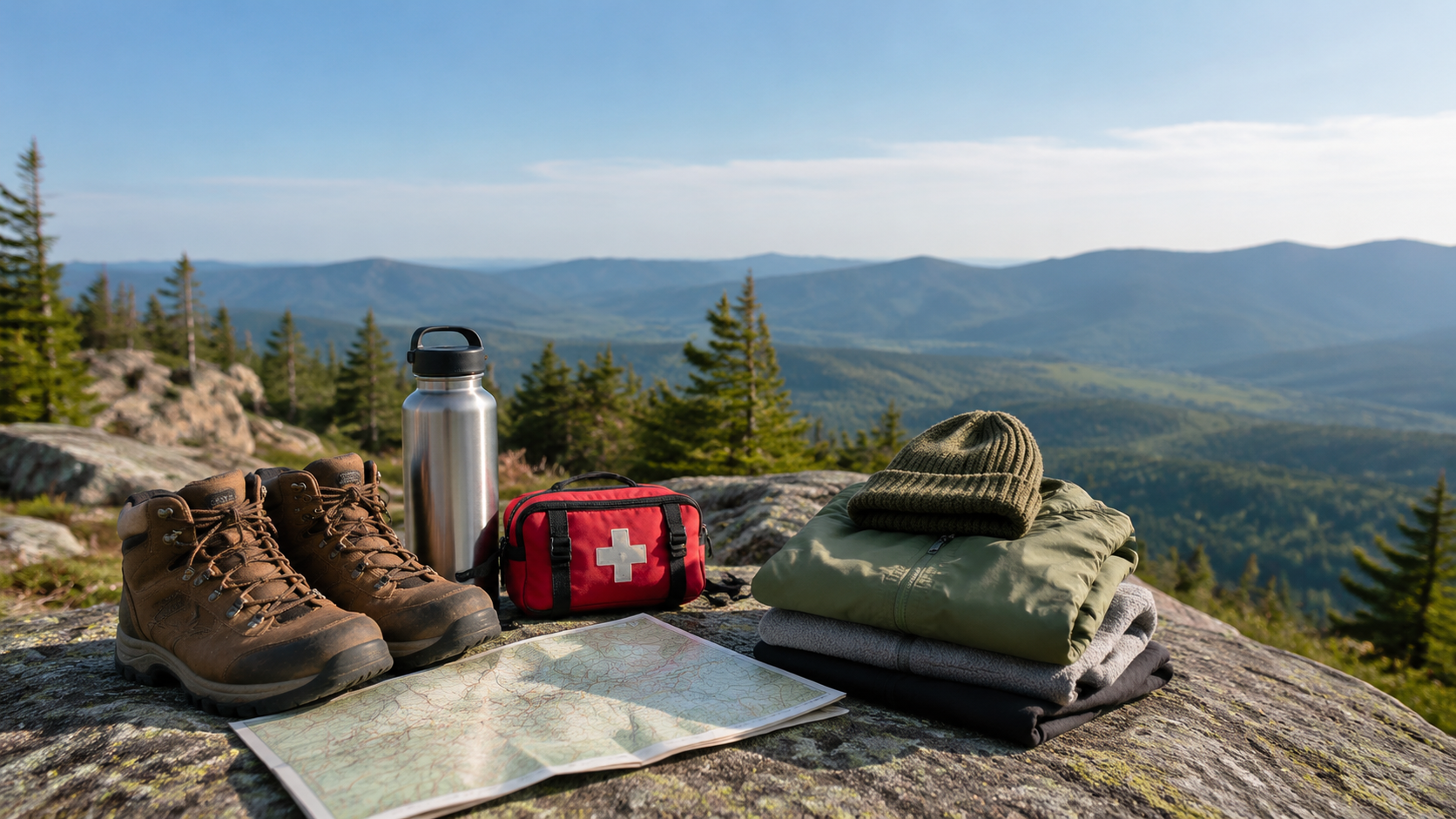
Keep it simple and cover the basics that altitude and weather make non-negotiable:
- Rain shell and an insulating layer, even in July
- More water than you think, plus a way to treat more
- Sun protection; the sun is stronger up high
- Real shoes with grip for wet granite
- A headlamp for the dark-o'clock parking scramble
- Snacks with salt and calories for the climb
You do not need technical gear for the lake hikes. You need layers, water, and an early start. Streams here run clear and cold, so a squeeze filter is plenty; our notes on filtering water on the trail cover the care these filters need. A light, breathable shirt beats cotton on the climb out, and our take on breathable hiking shirts explains why.
FAQ
Do I need a timed-entry reservation?
Rocky Mountain National Park has used timed-entry systems in peak season in recent years, and the Bear Lake corridor is often its own separate reservation. Rules change year to year, so check the park's website before you drive up. Confirm current requirements rather than trusting an old blog post.
How long should I acclimate before a hard hike?
Give yourself at least a full day of easy activity before anything strenuous, and more if you came from near sea level. Sleep low if you can, hydrate hard, and treat a lingering headache as a reason to go easy. Rushing altitude is how good trips end early.
Are the trails snow-free in early summer?
Not always. High trails and shaded pockets can hold snow and ice well into June, sometimes later after a big winter. Traction devices are smart in the shoulder season, and the park's daily conditions report is the honest source for what is actually up there.
Can I hike here with a dog?
Mostly no. Dogs are not allowed on park trails, only in developed areas like roadsides and parking lots. If you are traveling with a dog, plan hikes on nearby national forest land instead, where rules are more relaxed.
Which hike is best for a first-timer at altitude?
The short Bear Lake loop, without much debate. It is flat, brief, and stunning, so it lets you gauge how the thin air treats you before you commit to a climb. If it wipes you out, you learned something cheap. If it feels easy, step up to Emerald Lake the next day.
