
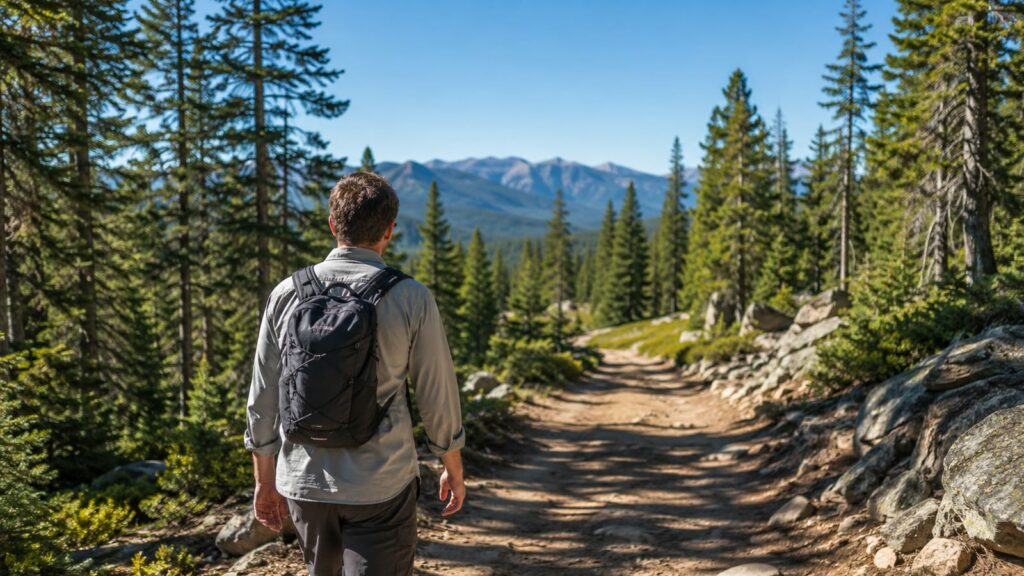
For most hikers, the Outdoor Research Astroman Air Sun Hoodie is the best breathable shirt for hiking because it feels light, releases heat quickly, and dries before a sweaty climb turns cold. Choose the Patagonia Capilene Cool Daily Shirt for stronger sun coverage, or the Columbia Silver Ridge Lite Long Sleeve Shirt when you want pockets, roll-up sleeves, and controlled airflow. Your trail, pack straps, water carry, and sun exposure matter more than a clever fabric name.
Last updated: 2026-09-02
For hot, sweaty miles, buy a lightweight synthetic shirt with UPF sun protection and a loose cut, not the tight stretch tee with a trail logo. The best breathable shirts for hiking are loose synthetic button-ups and thin sun hoodies that let air move under the fabric and dry before your lunch stop.
The best breathable hiking shirts at a glance
The Echo Tee is the overall pick for hot-weather hiking. It disappears on long climbs, dries quickly, and doesn’t add much to pack weight. It gives up pockets and some sun coverage, so it isn’t the answer for every trail.
The Capilene Cool Daily Shirt is the better choice for exposed routes where sun protection matters more. The Silver Ridge Lite earns its place for hikers who want one shirt to handle sun, bugs, travel, and changing trail conditions.
| Shirt | Best use | Airflow | Coverage | Drying speed | Durability and price |
|---|---|---|---|---|---|
| Outdoor Research Echo Tee | Hot day hikes and humid climbs | Excellent | Short sleeves | Fast | Light and simple; price varies |
| Patagonia Capilene Cool Daily Shirt | Exposed trails and sweaty miles | Very good | Short or long sleeve styles | Fast | Good under a pack; named Best Synthetic Tee at $49 |
| Columbia Silver Ridge Lite Long Sleeve Shirt | Pockets, sun, and changing weather | Very good when opened | Long sleeves, collar | Fast-drying | Practical woven fabric; listed at PLN208.62 |
| REI Co-op Sahara Shade Hoodie | Relentless sun and slow exposed miles | Good, but warmer than a tee | UPF 50+ | Dries fast | Worth it for coverage; $60 list price |
| Outdoor Research Echo Sun Hoodie | Lightweight full coverage | Excellent | Long sleeves and hood | Fast | Worth the money when airflow matters |
| Ibex Paradox Long Sleeve Tee | Multi-day trips with limited laundry | Good | Long sleeves | Slower than thin synthetics | Odor control earns its $90 price on longer trips |
The Columbia is the best value choice if you need a button-down. It gives you more ways to manage heat than a fixed-sleeve shirt. The Echo is the better budget-style choice if you already own a hat and don’t need pockets.
What makes a hiking shirt breathable
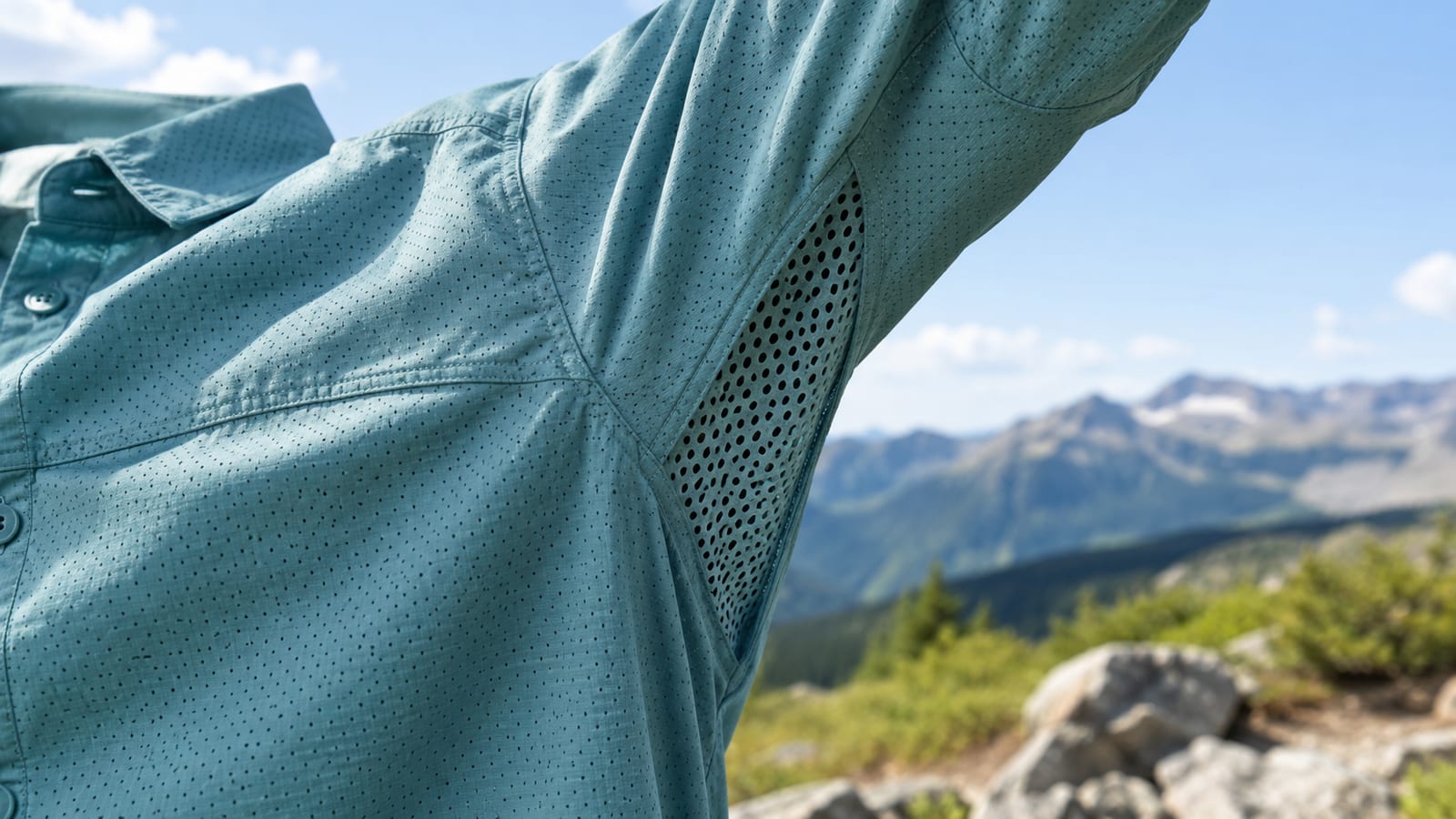
Breathability comes down to three jobs: let heat escape, move sweat off your skin, and keep sun off without cooking you. A hang tag claim about cooling fabric does not mean much if the shirt fits like a sausage casing under shoulder straps.
Cut matters as much as fabric. A loose weave with an open front lets a breeze do real work. A clingy featherweight tee traps a warm layer of damp air against your back, right where your pack already blocks airflow.
Look for these things:
- Loose fit: Air needs room to move under the fabric. Trim looks fast in photos and cooks you on the climb.
- Thin woven or gridded knit: Open weaves and waffle-style knits move moisture faster than dense flat fabric.
- Mesh or vented panels: Helpful, but useless where your pack sits on them. Vents near the chest and sides beat vents on the mid-back.
- A wicking finish that survives washing: Cheap cooling coatings wear off. A fabric that dries fast on its own beats a treatment that quits after several washes.
- Smooth shoulder seams: A rough seam becomes pack rub after enough trail miles.
- Enough room at the hem: A shirt that rides up exposes your back to the sun and lets shoulder straps catch the fabric.
Marketing likes to make this sound complicated. For field use, ask better questions: does it cling when soaked, does it dry before you need a layer, and does it rub under shoulder straps?
Hiking shirt material: wool, synthetic, or cotton
Synthetic fabrics pull moisture away from the skin so it can evaporate in the air. Lightweight polyester usually dries fastest, while nylon woven fabric tends to feel less clingy when wet and holds up well against brush.
Wool wicks moisture away from the skin and is ideal for base layers. It also retains heat when wet, which helps on cool mornings but can feel slow to dry on a humid uphill push. Wool’s real edge is odor resistance, and that matters when you’re wearing the same shirt for several days.
Here is the practical split:
- Polyester knit: Best for sweaty climbs and fast dry time. It can smell sooner on back-to-back days.
- Nylon woven: Best for sun shirts, button-ups, and brushy routes. It usually feels less clingy than a wet tee.
- Merino wool: Best for odor control and cool starts. It isn’t my first pick for the hottest, most humid trails.
- Merino blends: More durable and quicker to dry than pure wool. Thin synthetics still dry faster.
- Cotton: Fine for a shaded picnic trail. Bad for long hikes, storms, big sweat, or a route with a cold bailout point.
Cotton absorbs and retains water and is not suitable for most hiking. It soaks up sweat, sags, and turns a sudden weather change into a problem.
For a deeper split on wool versus synthetic in a base layer, read our merino vs synthetic base layers guide.
What are the most breathable hiking shirts for summer trails?
The coolest options for summer trail miles are the Outdoor Research Echo Tee, Patagonia Capilene Cool Daily Shirt, and Outdoor Research Echo Sun Hoodie. They work best on humid climbs because their thin synthetic fabrics move sweat and dry quickly.
For exposed desert routes, the Capilene shirt or Echo Sun Hoodie makes more sense than a bare-armed tee. For shady forest trails, the Echo Tee gives you more direct airflow and less fabric around your neck.
My summer ranking:
- Outdoor Research Echo Tee: Best overall for hot-weather hiking.
- Patagonia Capilene Cool Daily Shirt: Best when sun coverage matters more.
- Outdoor Research Echo Sun Hoodie: Best lightweight full-coverage layer.
- Columbia Silver Ridge Lite Long Sleeve Shirt: Best for pockets and adjustable ventilation.
- REI Co-op Sahara Shade Hoodie: Best for relentless sun and slower exposed miles.
- Ibex Paradox Long Sleeve Tee: Best for multi-day odor control.
The Mountain Hardwear Men’s Sunshield Hoody was named a top sun layer with UPF 50 protection and an airy, weightless feel. That sounds better on a hang tag than on every climb. It’s a sensible choice for exposed routes, but you’ll still build heat during a hard uphill effort.
The Outdoor Research Astroman shirt is breathable and comfortable in the heat. The version aimed at hot and humid mid-Atlantic conditions uses stretchy fabric made of 85 percent recycled nylon and spandex, with UPF 30-50+ protection. It’s ideal for the steamiest conditions, but the price of $105 makes it harder to justify when a simpler tee handles your usual routes.
Best hiking shirts for hot weather
Hot-weather shirts need to manage three problems at once: sweat, sun, and pack heat. A shirt can wick well and still feel awful if it clings to your back or blocks air under the shoulder straps.
The Echo Tee wins for hikers who spend most of their time moving. The Capilene Cool Daily Shirt is close behind because its polyester fabric wicks sweat and dries fast. Depending on the style, the fabric is 50 to 100 percent recycled.
The Capilene was named Backpacker’s Best Synthetic Tee at $49. Awards are useful as a starting point, but your own trail conditions matter more. It’s worth the money for exposed day hikes and fast summer miles. Skip it if you need chest pockets or a button-down collar.
The Smartwool Active Ultralite Short Sleeve uses breezy merino wool and Tencel fabric, with Tencel making up 47 percent of the fabric. It wicked sweat and felt comfortable while hiking in temperatures below 83 degrees. That makes it a good shoulder-season or moderate-heat option, not my first choice for a humid heat-index climb.
The Outdoor Research Astroman Air Short Sleeve Shirt is another strong summer option. Its stretchy fabric is made of 85 percent recycled nylon and spandex, and it doesn’t pill beneath pack straps. It has UPF 30-50+ protection and works especially well in hot, humid mid-Atlantic conditions. The $105 price is the catch.
Short-sleeve shirts for maximum airflow
Short sleeves win when the trail is humid, shaded, or packed with sustained uphill effort. Bare arms release heat well, and a simple tee doesn’t trap warmth around your wrists and neck.
The Echo Tee is the easiest recommendation here. It has fewer features than a button-up, but that’s also why it stays comfortable. If you’re carrying a heavy water load, check the shoulder seams and fit before committing to a long day. Pack rub can ruin a shirt that felt fine in the store.
The Capilene Cool Lightweight Shirt is the minimalist performance layer for humid summer trails. Its thin, fast-drying fabric works well under a pack, especially when you’re moving steadily and don’t need pockets.
A short-sleeve shirt makes less sense on exposed desert routes. Your forearms become another sunscreen job, and the sun can wear you down even when the air feels tolerable. For those routes, a light long sleeve often feels cooler after mile 10.
Long-sleeve shirts for sun, bugs, and exposed trails
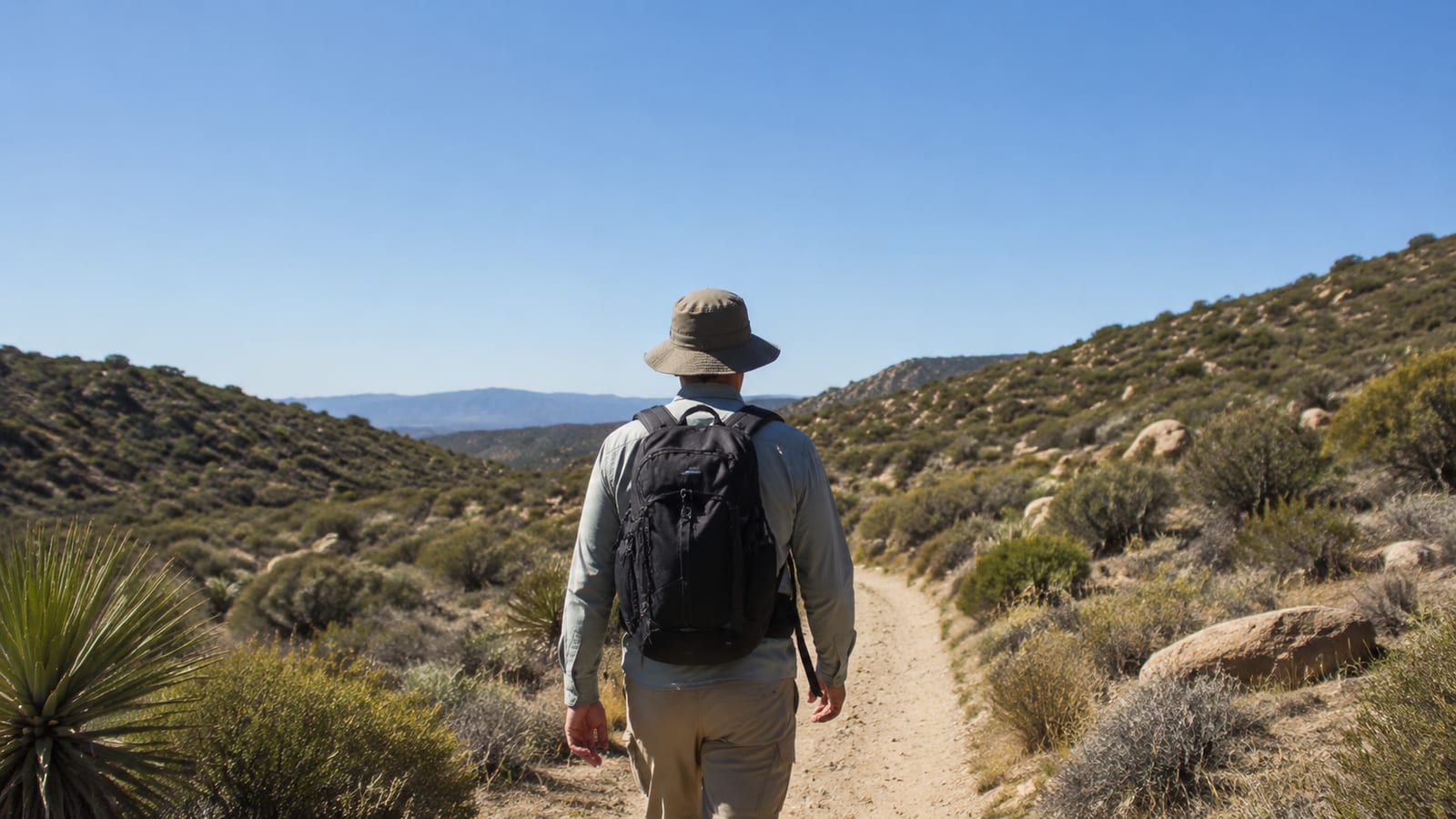
Long sleeves win on exposed trails because coverage lasts all day. A thin sun layer can feel cooler than bare skin in direct sun, especially when it keeps you from repeatedly applying sunscreen to your arms.
The Outdoor Research Echo Sun Hoodie is the best lightweight long-sleeve choice when airflow matters more than storage. It works for open ridgelines, desert approaches, and long water carries. It’s also easier to justify than a heavier overshirt when bugs aren’t the main problem.
The REI Co-op Sahara Shade Hoodie is better for relentless sun and slow, exposed miles. Its women’s version has UPF 50+ protection, and the shirt’s fabric is lightweight enough for summer use. The men’s version uses fabric weighing 150 g/m², dries fast, and has a $60 list price. A listed sale price of $59.95 at 50 percent off won’t matter if the fit is wrong, so check the live listing before buying.
The hoodie runs warmer than a tee. That’s the tradeoff for keeping your neck, head, and arms covered. Buy it for coverage, not maximum airflow.
The Mountain Hardwear Sunshield Hoody provides UPF 50 protection while feeling airy and weightless. It was listed as Best Sun Protection at $110. It’s worth considering for exposed New Mexico-style sun, but hikers on shaded routes are paying for coverage they may not use.
The Patagonia Self Guide LS Shirt is the long-sleeve runner-up. It has stretchy, breathable fabric with excellent sun coverage. Keep it in the mix if you want a traditional shirt shape without giving up movement.
Women’s breathable hiking shirt options
Women’s hiking shirts should fit the shoulders, bust, torso, and hem without forcing you into a smaller men’s cut. A shirt that pulls across the chest or rides up under a hip belt will feel hot because you can’t position it properly.
The women’s REI Co-op Sahara Shade Hoodie is the best women’s option in this group when sun protection comes first. Its UPF 50+ coverage suits exposed trails, and the hood protects more skin than a short-sleeve tee. Choose it for slow miles, open routes, and high sun. Skip it for shaded humid trails where the extra coverage becomes trapped warmth.
The women’s Ibex Paradox Long Sleeve Tee is a better choice for multi-day trips. It uses 150 gsm fabric made from 45 percent merino wool, 45 percent Tencel, and 10 percent nylon. Merino catches moisture and releases it as vapor to prevent sweat from soaking through. The blend is comfortable, but it won’t dry as quickly as a thin synthetic after a hard climb.
Try the shirt with your loaded pack before a real trip. Check the shoulder seams, underarm tension, hem length, and whether the sleeves stay down when you reach for trekking poles. A flattering fit that rubs under a pack is still a bad hiking shirt.
Button-down shirts with pockets and built-in venting
A button-down earns its weight when you need pockets, collar coverage, and more control over airflow. Open the front on a climb, roll the sleeves in shade, and close it up when the sun gets sharp.
The Columbia Silver Ridge Lite Long Sleeve Shirt is the best button-down hiking shirt for hot weather. Its UPF 50 protection and Omni-Wick moisture-wicking technology cover the basics, while the vented back helps release heat. It weighs 6.4 ounces and dries fast.
The practical advantage is control. You can open the chest, pop the collar, or roll up the sleeves without changing shirts. That helps on routes that move from sunny switchbacks into cool forest.
The Columbia Silver Ridge Lite isn’t the softest shirt here. It also looks more like a hiking shirt than a normal tee, which is hardly a safety concern. Buy it for pockets and ventilation. Skip it if you want a shirt that disappears under a pack.
The Mountain Hardwear Canyon Long Sleeve Button-up costs $52.50 in the researched listing. It’s a good option for dry heat and exposed ridgelines because the front opens to move air. Check it for snagging and shoulder-strap rub before treating it like brush armor.
The BlackStrap Brackish Button-Up is ultra-lightweight, stretchy, breathable, and moisture-wicking. It has UPF 50+ protection and blocks 97.5 percent of harmful ultraviolet rays. The listed sale price is $63.99, down from $79.99.
Still, I’d leave it home for hard heat unless you value its casual look or extra durability. On a sweaty climb, versatile often means warmer than necessary.
How the best hiking shirts handle sweat and washing
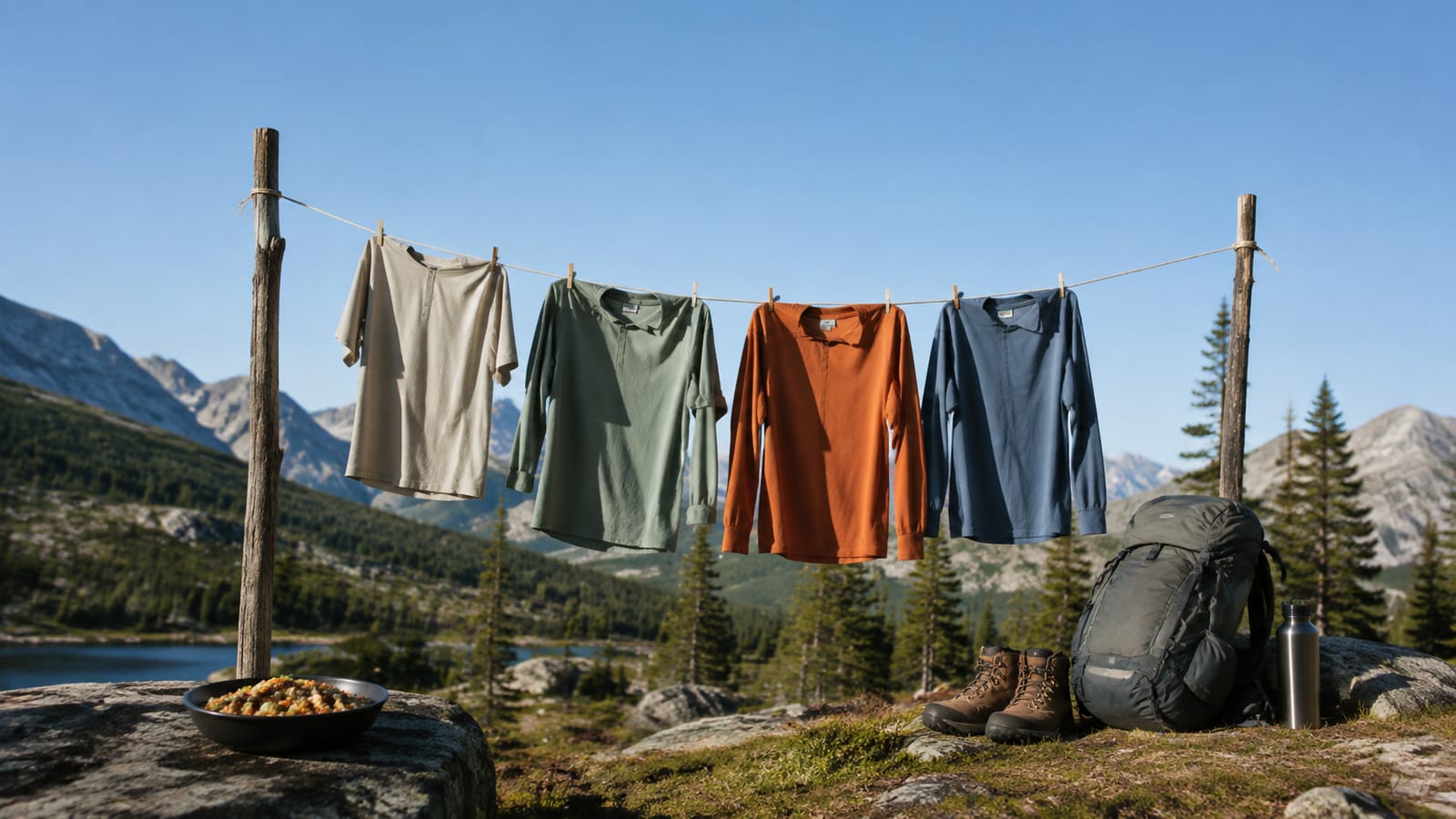
Quick-drying synthetic shirts are the safest choice for wet sweat and repeated washing. Polyester pulls moisture away from your skin, then dries quickly when you stop. That matters after a cold summit break or a late storm pitch.
Synthetic shirts can hold odor sooner than wool. Wash them after a real trip instead of letting sweat sit in the fabric inside a sealed pack. A sink wash and a careful squeeze can save a shirt between trail days, but don’t twist thin fabric hard enough to stretch it.
Merino blends handle odor better. The Ibex Paradox is worth the money for a multi-day loop where you can’t do laundry. It’s a poor bargain if you only need a shirt for one hot day and want the fastest dry time.
Fabric construction also affects snag resistance. Woven nylon usually handles brush and shoulder straps better than a thin knit, while lightweight knits feel cooler during hard movement. The right choice depends on whether your biggest problem is sweat, sun, odor, or pack rub.
For more ways to choose sweat-friendly layers, use our guide to moisture-wicking hiking shirts.
Hiking shirt fit, layering, and pack comfort
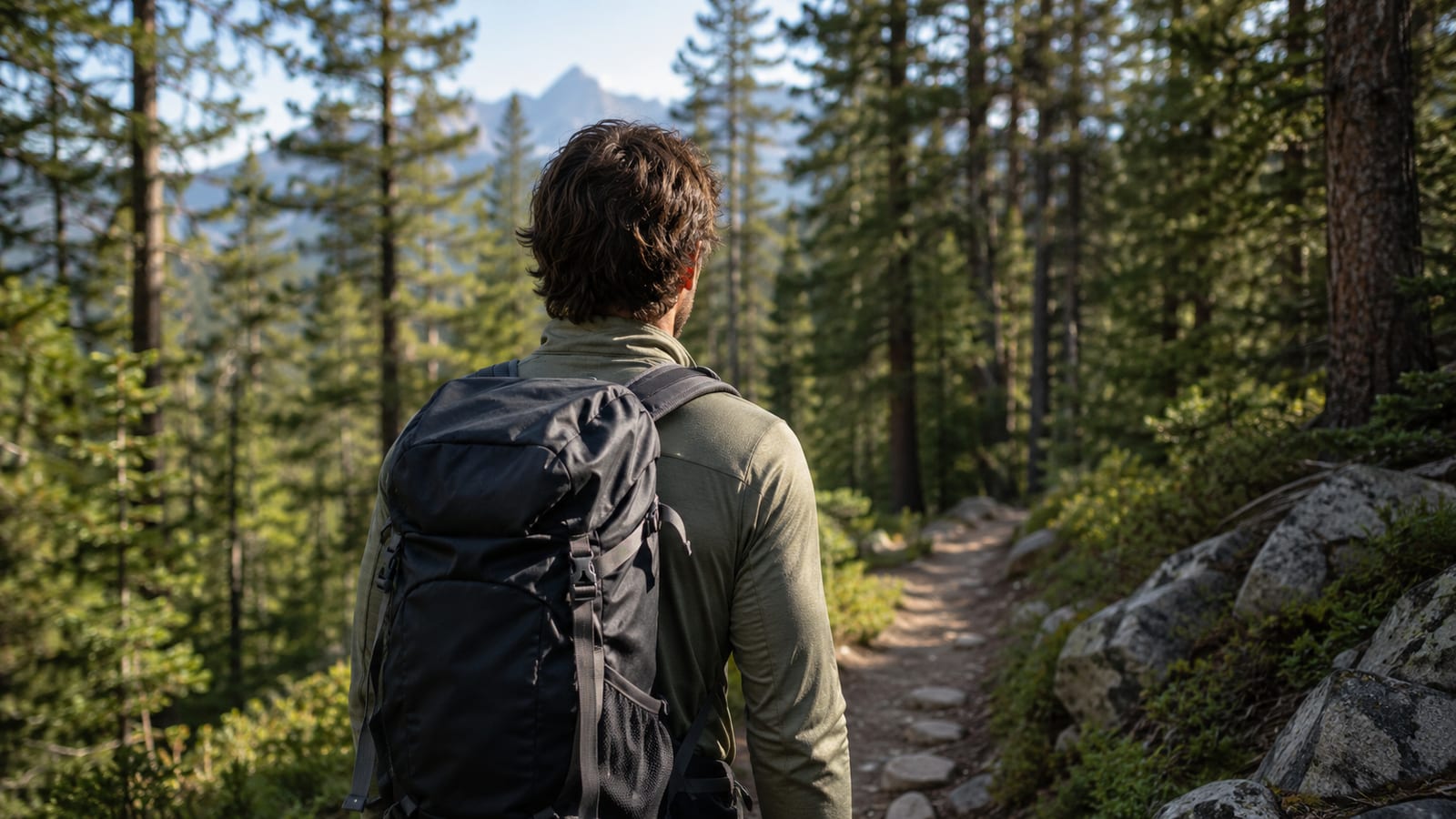
Start with a loose but secure fit. You want room for air under the fabric, but not so much extra material that it catches on branches or bunches beneath your hip belt.
Use these fit checks before a long hike:
- Raise both arms. The hem should stay near your waist.
- Reach forward with your pack on. Shoulder seams should stay clear of the strap edges.
- Bend at the waist. The back should still cover your skin.
- Turn your head. A collar or hood shouldn’t pull against your neck.
- Load the pockets. If the shirt sags, keep heavier items in your pack.
- Check the underarms. Tight fabric traps sweat and restricts arm movement.
Layering should solve a trail problem. Add a thin sun hoodie for exposed miles, a button-up for adjustable coverage, or a light shell when wind and rain arrive. Don’t stack multiple warm shirts because a product page promised “cooling.”
A breathable shirt still gets damp under a pack. The pack blocks airflow, and shoulder straps press fabric into your skin. Loosen the fit slightly, keep the shoulder seams smooth, and change layers before sweat turns into cold condensation during a break.
Our guide to a simple hiking layering system covers what to add when the weather changes.
The final picks for breathable hiking clothes
The right shirt depends on the trail rather than the award language.
- Best overall: Outdoor Research Echo Tee. It’s light, airy, and dries quickly on hot climbs. Keep it for humid day hikes and shaded routes.
- Best shirt for exposed hot weather: Patagonia Capilene Cool Daily Shirt. It manages sweat well and gives you stronger sun coverage than the Echo in the covered styles.
- Best summer sun layer: Outdoor Research Echo Sun Hoodie. It covers your arms and neck without the bulk of a traditional overshirt.
- Best women’s option: REI Co-op Sahara Shade Hoodie. Its UPF 50+ coverage suits exposed, slow-moving hikes. Skip it when maximum airflow matters more than sun protection.
- Best button-down: Columbia Silver Ridge Lite Long Sleeve Shirt. The pockets, vented back, collar, and roll-up sleeves make it useful across changing trail conditions.
- Best value: Columbia Silver Ridge Lite if you need a button-down. If you only need a tee, keep the Echo simple and spend the savings on sunscreen or water capacity.
- Best for multi-day odor control: Ibex Paradox Long Sleeve Tee. It costs more and dries slower, but the wool blend earns its place when laundry isn’t available.
The Outdoor Research Astroman Air Hoodie is still worth considering if you want a lightweight hooded layer with UPF 30-50+ coverage. It weighs 5.4 ounces, uses moisture-wicking quick-drying fabric, and has laser-perforated underarm panels to improve airflow. The listed price is $115, so buy it for real exposed miles rather than for occasional park walks.
For heat, bugs, and direct sun, clothing works best as a system. Pair the shirt with a useful hiking hat for sun protection, then adjust sleeves and layers before the climb gets serious.
FAQ
Can a breathable hiking shirt replace sunscreen?
No. A shirt protects only the skin it covers, and fabric coverage varies with fit, stretch, wear, and color. Use sunscreen on your face, hands, ears, and any exposed gaps around the neck or cuffs.
Should you size up a hiking shirt for better airflow?
Size up only when the current cut pulls across your shoulders, chest, or back. Too much extra fabric can snag, flap in wind, or bunch beneath a hip belt. Look for a relaxed cut that stays put while you reach and climb.
Are sun hoodies useful when bugs are bad?
They help cover your arms and neck, but fabric alone won’t solve every bug problem. Choose a close-fitting hood and cuffs that don’t leave large gaps. In heavy insects, you may need a separate bug layer or treated clothing.
Can you wear a breathable hiking shirt under a rain jacket?
Yes, but expect sweat during hard climbs. A breathable shirt helps manage moisture at your skin, while a rain jacket limits how quickly that moisture escapes. Open vents when trail conditions allow, and remove a warm layer before your core overheats.
