
Cheap hiking works because the biggest cost is almost always the drive, not the gear. The kind where you hunt for low-cost routes and skip the marketing starts with shoes you own, a borrowed pack, and a free trail near home. Spend money only where it protects your feet, your safety, and your comfort after mile 10. Camp free, pack your own food, and pick trails you can reach without a long drive. Everything else can wait until you've logged some miles and know what you actually miss.
Last updated: 2026-07-27
What actually makes hiking expensive
Not the trail. Almost every dollar goes to three places: getting there, sleeping there, and the closet full of technical gear brands tell you to buy first. Cut those and hiking becomes one of the cheapest ways to spend a day outside.
Here's the split that matters. Some costs earn their keep because they protect your feet, your safety, or your comfort after several miles. Everything else can wait, get borrowed, or get replaced with something you already own.
The expensive version of hiking is a story you're sold. You buy boots, poles, and layers to solve problems you haven't hit yet. So spend on shoes that fit and a way to carry water. Skip the rest until real trail miles tell you what's missing.
How do you start hiking on a budget without buying the wrong gear?
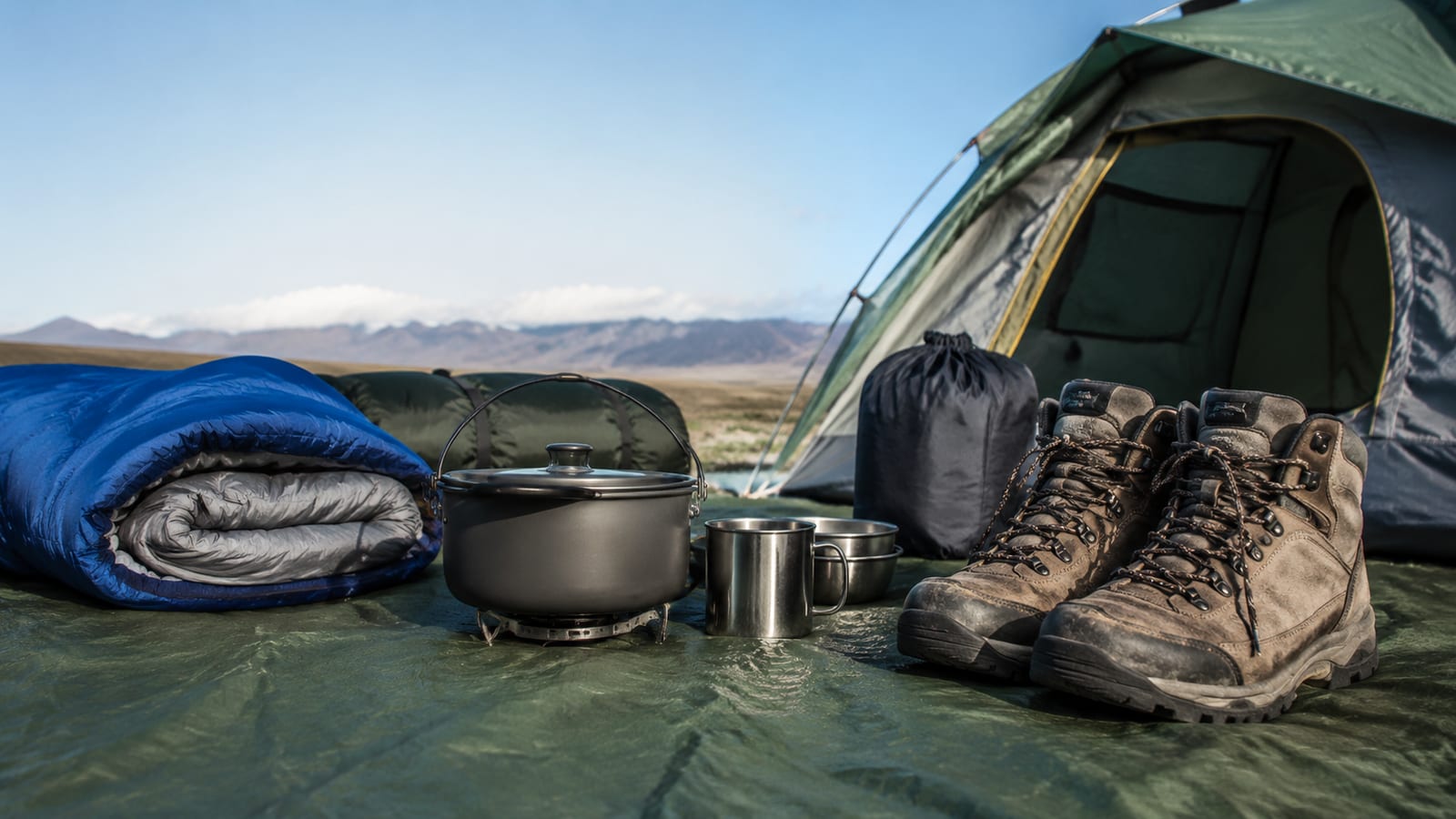
Follow these steps in order. Each keeps money in your pocket without trading away safety.
- Pick a free or cheap trail close to home. Short drive, low fee, easy to bail if the weather turns. Distance costs gas and time, so start local.
- Wear shoes you already own. Any sneaker with grip handles a smooth few-mile trail. Do not buy boots for your first hike.
- Borrow a daypack or use a school backpack. A 20 to 30 liter bag holds water, snacks, and a layer. That's all a day hike needs.
- Carry the basics that keep you safe. Water, food, a rain layer, sun protection, a small first aid kit, a headlamp, and a charged phone with a downloaded map.
- Check the weather and trail conditions the morning of. It's free, and it saves you from the two things that ruin cheap trips: getting cold and getting lost.
- Go, then adjust. After a few hikes you'll know if your feet hurt, your pack rubs, or you ran low on water. Buy to fix a real problem, not a hypothetical one.
That's the whole system. The gear talk comes after you've logged some trail miles, not before.
What's worth the money and what you can skip
Spend on your feet and on water. Skip almost everything a gear wall calls essential.
Worth the money:
- Shoes that fit. Not the priciest, the ones that don't slide or pinch. Trail runners suit most day hikers because they're light and dry fast. Save the boots for heavy loads, snow, or rough off-trail travel.
- A pack that carries weight without rubbing. You can borrow one for a long time. Buy when you know what you want, because a borrowed bag works fine to start.
- Good socks. Cheap here is a false economy, since blisters end hikes.
Skip it, borrow it, or fix it cheap:
- Trekking poles until you know you want them. A found stick works for a while.
- A dedicated dry sack. A trash bag inside your pack keeps gear dry for free.
- Technical everything. A cheap synthetic tee and a rain layer cover most day hikes.
The one claim I'd push back on is that waterproof boots are mandatory. They trap sweat on hot climbs and take days to dry once water gets over the top. For most three-season day hiking, breathable and fast-drying beats waterproof. For a fuller list, see our budget hiking gear rundown for beginners.
Where can you camp or sleep for free on a hiking trip?
Dispersed camping on public land is the cheapest bed you'll find. Most national forests let you camp for free away from developed sites, no reservation, no fee. That beats a motel every time on an overnight trip.
Before you trust a free site, vet it like a stranger's couch. Check that dispersed camping is actually allowed on that ground, not just nearby. Look for a spot already used, well back from any water, on durable soil. Skip anything below a dry creek bed or under a dead-limbed tree.
Wild camping law varies hard by country and even by district. In much of the US it's tied to specific land agencies, so read the rules for that exact forest or park before you count on a free night. When free isn't an option, low-cost huts and hostels near popular routes beat hotels, and shoulder-season rates run cheaper than summer.
One rule holds everywhere: leave the site cleaner than you found it. For the how, our guide to cutting hiking waste before the trail covers the practical steps.
How do you eat well on trail without spending a fortune?
Pack your own food and the trip gets cheap fast. Trailside snack bars and gas station stops are where budgets quietly bleed out.
Chase calories per dollar, then check the weight. Homemade trail mix, tortillas with peanut butter, and instant oats cost cents on the dollar next to freeze-dried meals. For most day hikes and short overnights, that trade is worth it. Freeze-dried earns its price only when every ounce matters on a long carry.
A few staples that carry well and don't melt into mush:
- Tortillas, peanut butter, and hard cheese for dense calories that survive a pack.
- Instant oats, ramen, and couscous that cook with just hot water.
- Trail mix, dried fruit, and jerky you bought in bulk, not single-serve.
Eat before you shop so you don't overbuy. Carry a reusable bottle with purification tablets instead of cases of single-use water. Tablets weigh almost nothing and cost less over time.
Getting to the trailhead without renting a car
Bus or train to the trailhead when the route exists, because gas and car rental are usually your biggest hiking expense. Plenty of trails near cities sit within reach of public transit or a cheap regional bus. A few national parks run free shuttles from town straight to popular trailheads.
The tradeoff is real. Transit adds time and pins you to a schedule, so a missed last bus can strand you miles out. Check return times before you commit, and build in a buffer for a slow descent.
Carpooling splits the one cost you can't design away. Ride-shares cover the first and last mile where transit stops short, but they get expensive fast out where drivers are scarce. When in doubt, pick a closer trail. The drive, not the trail, is what makes a hike expensive.
Which US national parks and trails are free or nearly free to hike?
Public land is where budget hiking lives. National forests, state parks, and local nature reserves give you real trails for free or close to it. The famous national parks are worth a visit, but they're also where the crowds and the fees show up.
Take Great Smoky Mountains National Park, which straddles Tennessee and North Carolina. Entrance is free. You pay for parking instead, and a daily tag runs five dollars, with weekly and annual options above that. Free entrance is unusual for a major park, so it's still one of the cheaper ways in.
Compare that to White Mountain National Forest in New Hampshire, where an annual pass runs thirty dollars. Not expensive, but it's a real cost, so factor it in before you drive up.
Here's how the common options stack up for a budget hiker:
| Option | Typical cost | Who it suits |
|---|---|---|
| Local trails and city greenways | Free | First-timers, no drive |
| State parks | Free to a small day fee | Weekend hikers wanting variety |
| National forests | Free to a modest annual pass | People near forest land |
| Big-name national parks | Entrance or parking fees, crowds | Occasional bigger trips |
The lesson is simple. You don't need a marquee park to get a good hike. The quiet state park twenty minutes away often beats the famous one three hours out, once you count gas, fees, and parking headaches.
Several national parks also waive entrance fees on a handful of days each year. If a big park is on your list, time the trip to one of those free days and pocket the difference.
Which trails are worth it if you're new and broke?
The ones close enough that you'll actually go. A perfect trail four hours away loses to a decent one you can hit after work. Cheap hiking rewards proximity over prestige.
Read the recent reviews, not the star rating. The stars tell you a trail is pretty. The recent reviews tell you the lot fills by 9 a.m. or the creek crossing washed out. Free apps and park websites cover the same ground without a subscription, so as a beginner you rarely need to pay for trail info.
Which regions give you the most trail for your dollar?
Anywhere your money already stretches further beats a marquee destination on cost alone. At home, that means regions thick with national forest and state land, where free dispersed camping and no-fee trails do the heavy lifting. The Appalachians, the desert Southwest, and the northern Rockies all deliver long trail networks without a per-hike toll.
Abroad, the exchange rate changes the math. Countries in Central and Eastern Europe, parts of Southeast Asia, and much of Central America offer marked trails, cheap huts, and low-cost buses to the trailhead. Your dollar covers more nights and more miles there than in Western Europe or New Zealand.
Skip the place that's famous for being expensive. A region isn't a better hike because it costs more, and the crowds that chase the name usually make it worse.
Finding cheap flights without losing trail days
Fly into the nearest major hub, then take ground transport to the trail, because hub airports run cheaper than small regional ones. The savings on the ticket usually beat the convenience of landing closer.
Book a few weeks to a couple months out, and stay flexible on dates. Midweek departures tend to cost less than weekend ones. Set a fare alert for your hub and let the price come to you instead of chasing one date.
Protect your trail days on both ends. A red-eye that lands you groggy the morning of a big climb is a false economy. Give yourself a buffer day to reach the trailhead and recover, so you're not trading a cheap flight for a wasted first hike.
Planning a multi-day trip to keep total costs down
Build the whole itinerary around the drive and the bed, since those two swallow most of the budget. Pick a trail cluster you can reach in one leg, then base out of free dispersed camping or a cheap hut instead of moving lodging every night.
Stack your costs in this order:
- Lock the transport first. Carpool or take transit to a single basecamp, not a new trailhead each day.
- Sleep free where you can. Dispersed camping over motels, huts over hotels.
- Self-cater the whole trip. Buy bulk food before you leave, not at trailhead prices.
- Group your fees. If a park charges, an annual pass can beat repeat day fees over a long trip.
- Pad one buffer day. Weather turns, and a forced motel night is cheaper than a dangerous push.
For the full walkthrough, our step-by-step multi-day trip planner goes deeper on sequencing the logistics.
Where cutting costs crosses into cutting corners on safety
Some conditions are not the place to save money. Be honest about which trip you're on.
Skip the cut-rate setup if you're heading into snow, cold, or remote terrain with a real bailout problem. Warm layers, a reliable shelter, and shoes that keep your feet working stop being optional there. In the cold, false economy gets dangerous, not just uncomfortable.
Never cheap out on water, navigation, or the layer that keeps you warm when it's wet. Everything else can start borrowed or improvised. Most hiking is a well-marked trail, mild weather, and a few miles. That's a low-cost hobby dressed up as an expensive one.
FAQ
Do I need hiking boots to start?
No. Any closed-toe shoe with decent grip handles a smooth day trail. Buy footwear once you know your distances and whether your feet slide on descents. Boots you haven't broken in are how new hikers earn their first blisters.
How much should a beginner budget for a first hike?
For a local day hike, close to zero beyond gas and snacks. Costs climb only when you add park fees, longer drives, or overnight camping. Keep the first few trips cheap, because you'll learn what you actually reach for before spending on it.
Is wild camping legal where I hike?
It depends entirely on the land and the country. In the US it's tied to the specific agency that manages that ground, and many national forests allow dispersed camping while most developed parks don't. Check the rules for that exact forest or park before you count on a free night.
When is the cheapest time to hike?
Shoulder-season, meaning spring and fall, usually costs less and draws smaller crowds than summer. Lodging and campsites run cheaper, and popular trailheads aren't jammed. Just check conditions, since some higher routes hold snow into spring.
What's the most common budget mistake new hikers make?
Buying gear before they've hiked. People spend on boots, poles, and jackets to fix problems they haven't hit yet. Hike first, notice what genuinely bugs you after several miles, then buy to solve that.
Suggested SEO title: Cheap Hiking: How to Hit the Trail for Almost Nothing
Meta description: Cut the right costs, not the wrong ones. A field-tested guide to cheap hiking: free trails, dispersed camping, self-catering, and what's worth paying for.
Related: Common Trail Hazards and How to Avoid Them
Related: Best hiking and kayaking combo trips to try
Related: How to Hike with Young Kids: Tips for a Successful Family Outing
