
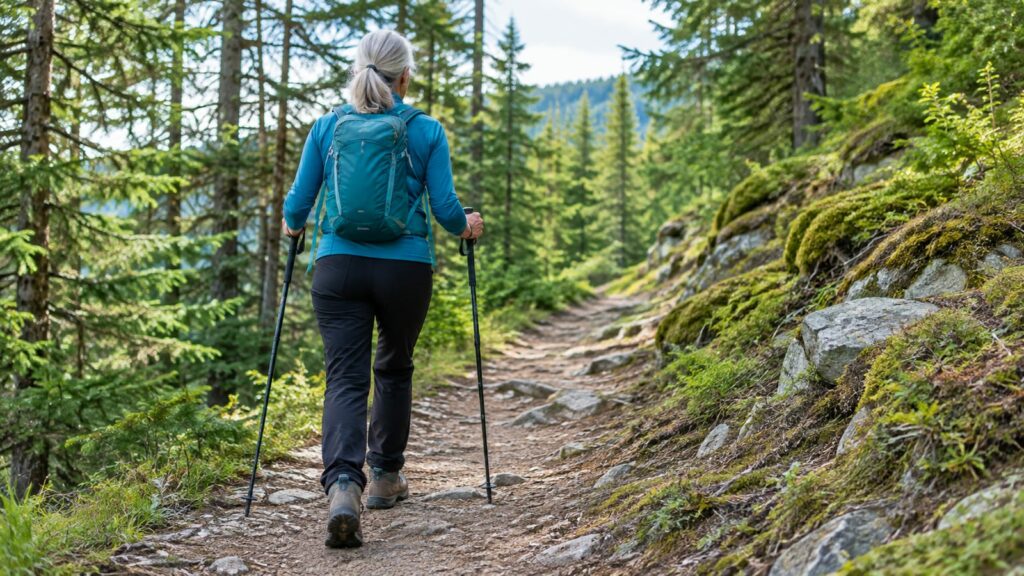
Most women over 50 don't need a bigger, tougher pack. They need a lighter one that rides close, keeps weight on the hips, and puts water and a phone where a stiff shoulder can still reach them. The best hiking backpack for women over 50, for most day hikes, is the Osprey Tempest 24. It holds a full day's layers, food, water, and emergency gear, comes in more than one size, and stays put on rocky, uneven ground without asking you to haul extra fabric you'll never fill.
What Is the Best Hiking Backpack for Women Over 50?
The Osprey Tempest 24 is the pick for most hikers. It is built on a women's-specific harness, with shoulder straps shaped to clear the chest and a hip belt angled for a woman's hips. The 24 liters is enough for a rain shell, a warm layer, lunch, water, and a small first aid kit, with a little room left over.
That room is the point. A pack this size forces sensible choices without leaving you short on a cold, windy afternoon. It also stays light enough that you notice your knees on the descent before you notice the pack.
If you mostly hike hot, humid trails, the Deuter Futura 23 SL breathes better. If your hikes run short and fair, the Gregory Maya 20 is enough. Long days with heavy layers call for the Osprey Kyte 38, and tighter budgets point to the REI Co-op Trail 25.
The Comparison at a Glance
Capacity comes from each model's name. Weight is shown as relative to the others in this group, since that's the comparison that matters when you're choosing.
| Pack | Capacity | Relative weight | Back panel | Best for |
|---|---|---|---|---|
| Osprey Tempest 24 | 24 L | Light | Close-fitting ventilated foam | Most day hikes, best overall |
| Deuter Futura 23 SL | 23 L | Heavier | Suspended mesh, gap behind your back | Hot, humid trails |
| Gregory Maya 20 | 20 L | Light | Close-fitting | Short, fair-weather hikes |
| Osprey Kyte 38 | 38 L | Heaviest | Framed, supportive | Long days, hut trips, heavy layers |
| REI Co-op Trail 25 | 25 L | Moderate | Simple padded | Value |
Why the Tempest 24 Wins on the Trail
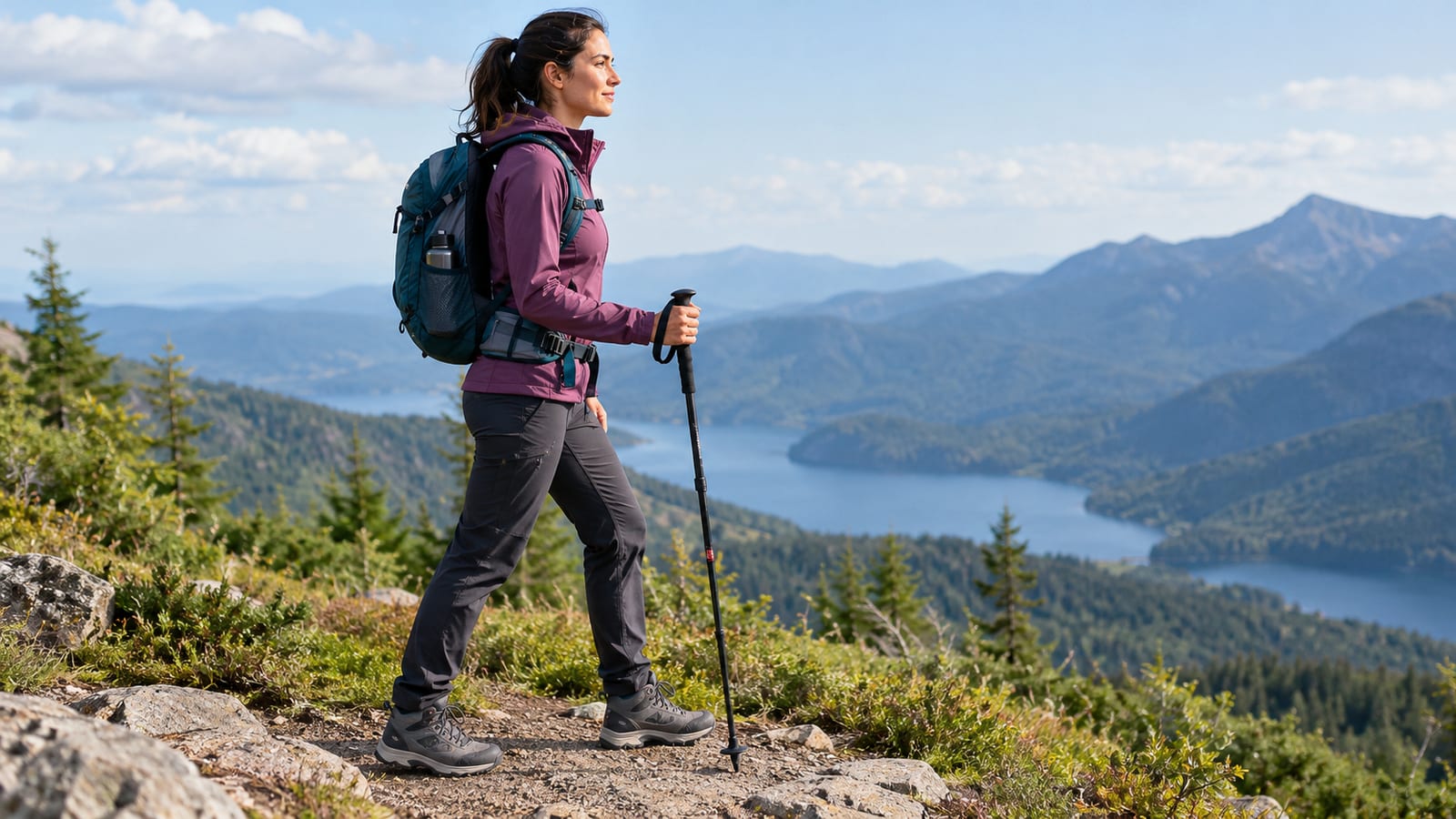
The harness is the main reason. The shoulder straps sit flat without digging in at the collarbone. The hip belt has enough structure to carry real weight, so a full water load doesn't hang off your neck and upper back.
The pocket layout earns its place too. Hip belt pockets hold a phone, lip balm, and reading glasses for the map. Stretch side pockets take a bottle you can reach without stopping, and the front mesh pocket swallows a wet rain shell so it doesn't soak the rest of your gear.
It also has a hydration sleeve if you use a bladder. Osprey's Stow-on-the-Go loop lets you park trekking poles without taking the pack off. That matters on a scramble where you need both hands for ten minutes and then want the poles back for the downhill.
Where it falls short
The back panel sits against you. On a humid climb, your back will be wet, and the Futura's mesh gap handles that better. The hip belt wings are fine for a day load, but they aren't built for heavy, overnight weight.
The front mesh pocket also snags on brush and blackberry canes. In winter, a puffy jacket plus a shell plus a thermos fills the 24 liters faster than the spec sheet suggests.
How Much Capacity Do You Need?
Size the pack for your longest realistic hiking day, not your average one. Then add room for the weather you'd rather not get.
- Short, fair-weather hikes: A 20-liter pack like the Gregory Maya 20 holds water, a light layer, and snacks. It gets tight once you add a warm jacket.
- Most day hikes: The Tempest's 24 liters, or the Trail 25, covers a full shoulder-season day with a shell, an insulating layer, lunch, and a first aid kit.
- Long days, cold months, or hut trips: The Kyte 38 swallows bulky layers, extra water, and a small overnight kit.
Bigger isn't safer by default. An empty liter tends to get filled with things you didn't need, and you carry all of them uphill. If you're still deciding between a daypack and something larger, our guide on hiking daypacks vs. backpacks walks through where that line falls.
Fit Matters More Than the Women's Label
A women's-specific pack usually means a shorter torso range, narrower and curved shoulder straps, and a hip belt angled to sit on wider hips. Those changes help many women. Still, the label guarantees nothing if the torso length is wrong for you.
Torso length is what decides fit, and height doesn't predict it well. Measure from the bony bump at the base of your neck down to the top of your hip bones. Have a friend hold the tape, because measuring your own back is a good way to strain the shoulder you were trying to protect.
Then check three things with weight in the pack:
- Hip belt: The padded part should cup the top of your hip bones. It shouldn't ride on your waist or slide down toward your thighs.
- Shoulder straps: They should wrap over the shoulder with no gap at the top and no pinch at the neck.
- Load test: Put a few full water bottles inside and walk stairs for ten minutes. Pressure points that show up on stairs will show up after mile 10, only worse.
Some women find a unisex pack fits better than the women's version. That's fine. Fit your own back first and let the label come second.
A Light Pack Protects Your Knees and Balance
Pack weight costs you on every step, and it costs most on the descent. Extra pounds push harder on knees going downhill. A high, heavy load also moves your center of gravity, which makes loose rock and wet roots harder to read.
Start with a light empty pack. A daypack doesn't need a heavy frame, thick padding everywhere, or six attachment points. Then trim the contents: one water bottle and a filter often beats carrying every drop from the trailhead on a route with reliable streams.
This is where the bigger packs in this roundup make you pay. Our roundup of lightweight backpacks for day hikes and long treks covers more ultralight options if weight is your main concern.
Ventilation, Access, and Pockets Are Safety Features
Sweat management matters more than it sounds. A soaked back on a warm climb turns cold fast at a windy summit or a long shady break. As a result, a pack that breathes is part of staying warm later in the day.
Easy access matters for the same reason. If water sits in a pocket you can't reach while walking, you'll drink less, especially on a hot day. Likewise, a rain shell buried under lunch means you'll wait too long to put it on.
Look for side bottle pockets you can reach without twisting a stiff shoulder. Look for zipper pulls big enough to grab with cold or arthritic fingers, and buckles that release with one hand. A hip belt pocket that keeps your phone secure and in reach can save a search on the trail and keep your map one zip away.
The Best Alternatives for Heat, Short Hikes, Heavy Loads, and Budgets
Deuter Futura 23 SL: worth it in hot, humid country. Its suspended mesh back leaves an air gap, so your back dries noticeably faster than with the Tempest. The tradeoffs are a heavier pack and a load that sits farther from your body, which feels less steady on rough scrambles. Choose it if heat and bugs define your hiking season.
Gregory Maya 20: good enough for short, fair-weather hikes. It hugs the body well and the pockets make sense. However, when the forecast calls for a warm layer and a shell, the 20 liters runs out. Skip it if you hike in mountains with fast-changing weather.
Osprey Kyte 38: worth the weight only if you carry heavy loads. It is supportive and adjustable for long days, winter layers, or hut trips. For a typical day hike, though, it's more pack, more bulk, and more weight than you need. Keep it for the days you'd otherwise strap gear to the outside of a smaller pack.
REI Co-op Trail 25: the best value. It is comfortable, the storage is sensible, and it handles the same hikes the Tempest does. The fit and suspension are less refined, so a full water load rides with a bit more sway. For a newer hiker who isn't sure how often she'll go, it's worth the money. Our list of budget-friendly hiking gear for beginners pairs well with it.
What About Multi-Day Backpacking Packs?
Overnight trips need a framed pack, and the same fit rules apply. Here's how the women's backpacking packs most often recommended in reviews actually sort out:
- Osprey Eja 58: a comfortable, women's-specific pack with a list price around $285 when reviewed. A strong pick if you carry a moderate load and want comfort first.
- Osprey Aura AG LT 65: praised for its balanced design and listed around $320. It is also heavy, which works against the knees and balance points above.
- ULA Equipment Ultra Circuit 68: about 2 lb. 4.8 oz. Worth a look if you've already trimmed your gear and want a light carry.
- Gregory Deva 60 and Deva 70: both get "most comfortable for heavy loads" labels. That award holds up if you truly carry heavy. Most hikers would do better to carry less.
- Gregory Jade 63 Plus Size: made for plus-size women, a group most pack lines ignore. Fit-test it like any other pack.
- Osprey Renn 65: listed around $205 and well regarded as a value pick for a full-size pack.
Capacity numbers here creep high. A 65-liter pack invites a 65-liter load, and that's a false economy for your joints. Check current prices before buying, since list prices change.
Features That Rarely Earn Their Weight
Plenty of daypack features look good on a hang tag but do little after the trailhead. These are the usual suspects:
- Overbuilt organizer panels: A dozen tiny slots for pens and keys add weight and make things harder to find.
- Too many attachment straps: Daisy chains and lash points snag on brush. Most day hikers never use them.
- Gimmicky access panels: A full-length zip that opens like a suitcase adds weight and one more zipper that can fail.
- Oversized capacity: Room you don't need turns into weight you carry.
A simple layout with a few good pockets beats a complicated one. Keep it simple.
How to Pack a Daypack So It Carries Well
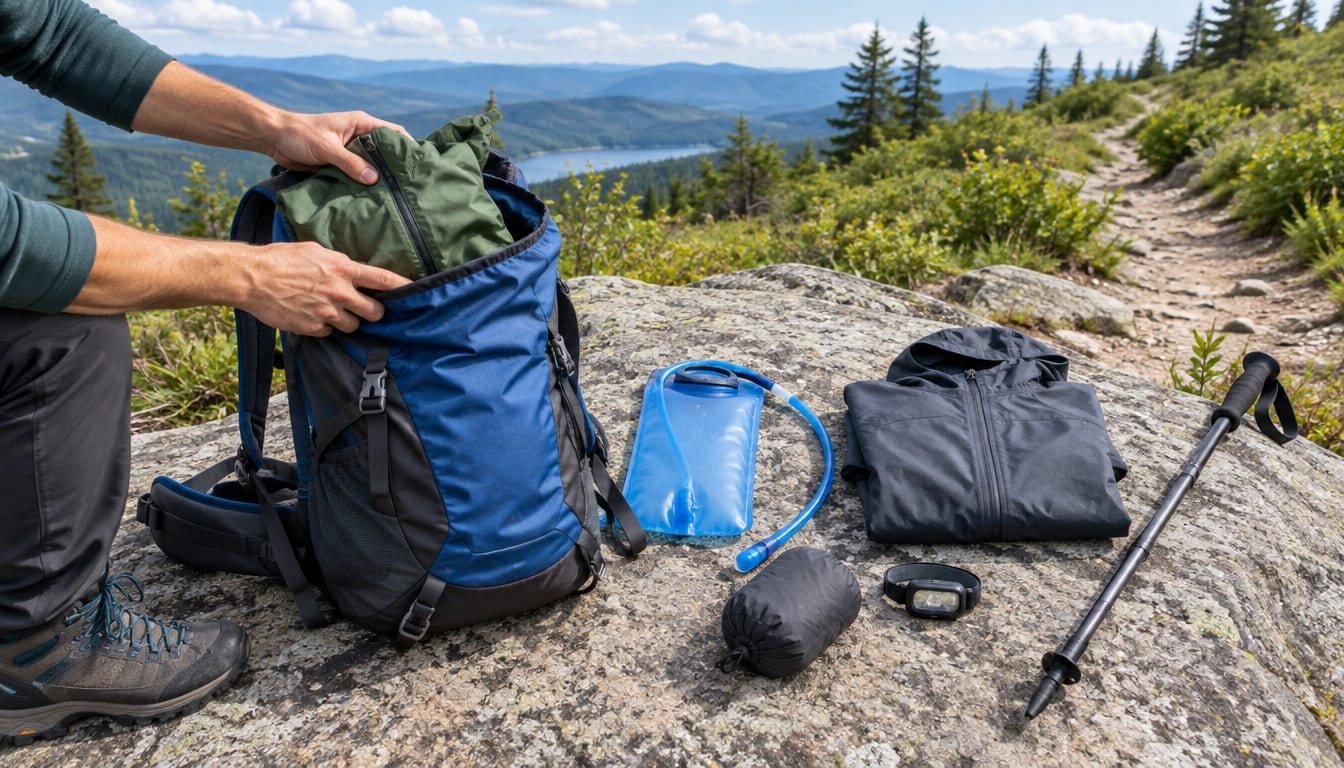
Load order decides whether a pack sways or sits still. Put dense, heavy items close to your back and centered, and keep the things you'll need fast within reach.
- Water: Bladder in the sleeve against your back, or bottles in the side pockets you can reach while walking.
- Insulation: Warm layer at the bottom or middle, where it fills space and stays dry.
- Food: Lunch in the middle, snacks in hip belt pockets so you eat before you fade.
- First aid and emergency kit: Near the top or in a lid pocket, where a friend can find it without unpacking everything.
- Navigation and phone: Hip belt pocket or top pocket. A paper map and a headlamp still belong in there too.
- Rain shell: Front stretch pocket or the very top, so it's on before you're soaked.
Use the Ten Essentials as your checklist, then tighten every strap so nothing shifts. For more on balancing weight, see our guide to packing a hiking backpack for comfort.
The Bottom Line
The Osprey Tempest 24 is the best default daypack for women over 50. It is light, it rides close and steady, and it holds what a real day on the trail requires. If you hike in steamy heat, buy the Futura 23 SL. If your load is heavy, buy the Kyte 38, and if money is tight, the Trail 25 does the job.
Whatever you choose, fit it with weight inside and return it if the hip belt doesn't land on your hips.
FAQ
Can I use a unisex or men's pack instead?
Yes, if it fits. Unisex packs often have straighter shoulder straps and a straighter hip belt, which suits some women and digs into others. Try both styles with a loaded test, and keep whichever one doesn't rub at the chest or collarbone.
Is a hydration bladder better than water bottles?
A bladder makes you drink more often, which helps on hot climbs. However, it's harder to see how much you have left and harder to refill from a filter. Many hikers carry a bladder for steady sipping plus one bottle for refills and checking supply.
Do I need a rain cover for a daypack?
Usually not. A light trash compactor bag inside the pack keeps clothes and electronics dry in steady rain and costs almost nothing. A cover can blow off in wind and still lets water in through the back panel.
When should I replace my old daypack?
Replace it when the hip belt foam has flattened, a buckle cracks, or the shoulder straps start pinching where they didn't before. Torn mesh and a stuck zipper are often repairable. A harness that no longer carries weight on your hips is not.
